



Heated Wire Breathing Circuit: Match the Complete System Before Ordering


The initial impression of a heated wire breathing circuit may be that it is a simple purchase of tubing. In real-life applications the chosen group of components should be compatible with the planned ventilator, humidifier, heating connections and the patient's application. Other kits may be similar in appearance, but different in the content of the limbs and accessories.
That full setup is an effective specification for medical distributors and hospital purchasing departments. While condensation control is important, so is the documented compatibility, circuit performance and an accurate kit description. Set these requirements before you compare samples or place a repeat order; don't consider “heated” to be a product specification in and of itself.
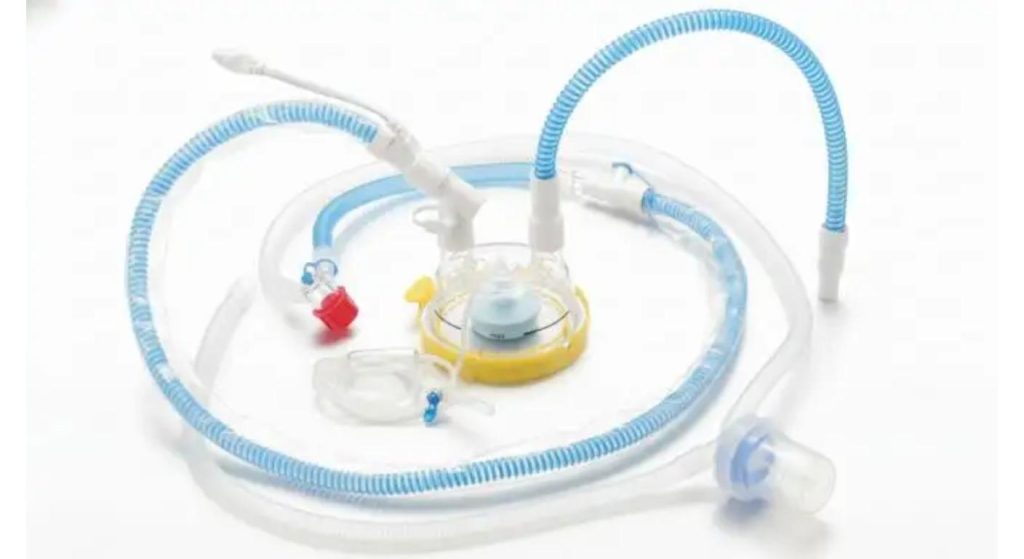
Know what the Heating Wire does
A warm gas, in the presence of humidity, can cool down during the process of passing through cooler tubing. In the case of conditions allowing, water vapour condenses in the circuit. This cooling can be minimised by heating the relevant tubing to minimise the risk of rainout.
The heating wire doesn't provide the humidity by itself. This should be taken into account in conjunction with the humidifier, controller, circuit construction and operating environment. Even if the circuit is heated, the condensation will not necessarily be eliminated.
Greetmed's airway management equipment overview will cover the heating-wire construction and tube design. Apply it to comprehend the product concept, and then get the documentation required from the model to analyse the proposed system. Remember, don't make a blanket design explanation into an unqualified performance guarantee.
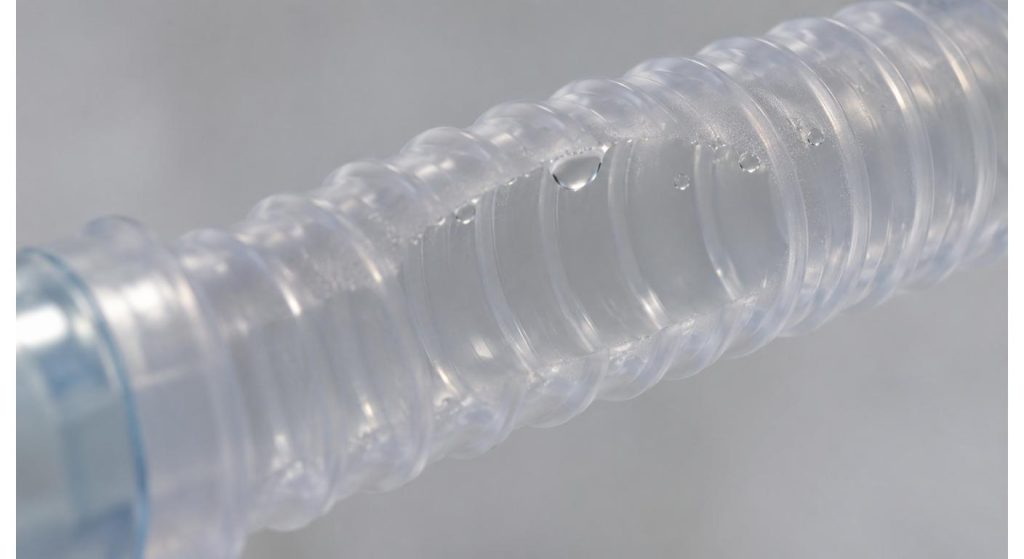
Explain the concept of Patient Group and Supported Application.
Be aware of the target population before choosing a circuit code. Adult and neonatal products should not be considered scaled versions, but as labeled for their use, size, performance or compatibility.
In Greetmed's heated breathing circuit configuration guide, adult and neonatal units are explained, such as single-heated and dual-heated units. Check the existing specification of the recommended model with the supplier.
Describe the planned use of the ventilation and the patient interface in the enquiry. A circuit that is acceptable for one application may not be acceptable for another application (invasive, noninvasive, transport, or anesthesia). The following instructions and equipment documentation should define the allowed use of the specific combination under consideration.
Make sure to test Compatibility Beyond the Breathing Connectors!
A mechanical fit is just one aspect of compatibility. Set up the ventilator and humidifier models, appropriate wiring for the heating wire, necessary temperature probes and any adapters as specified for the system.
Request a written proposal of equipment and circuit model combination. Images of connectors, while useful in explaining an enquiry, do not, by themselves, prove suitability with respect to an enquiry of an electrical or functional nature.
Ensure the configuration is kept under control when evaluating the sample. The changes to the adapter, probe arrangement or humidification element can alter the assessed items. Procurement records should ensure that the entire combination be identified and that repeat orders do not result in a seemingly minor difference that requires a new technical review.
Evaluate Single Heated and Dual Heated Sets by Configuration
Single-heated or dual-heated refers to the active heating done on which circuit limbs. Both inspiratory and expiratory limbs are heated in a dual heated system, and the inspiratory limb is usually heated in a single heated system.
Either of these does not set a standard that a kit will work in all ventilation systems. Discuss the arrangement, connections, moisture management considerations and instructions as a group. It is not just a matter of it sounding more advanced to choose a dual-heated circuit.
Greetmed's article on "Heat for breathing" outlines a number of examples of ventilation circuits. If sourcing from these examples be sure to check the current product code and contents. Make decision based on the facilities qualified respiratory and technical team to choose the configuration that is supposed to be installed in accordance with the designed requirement, instead of ranking the configuration by heating alone.
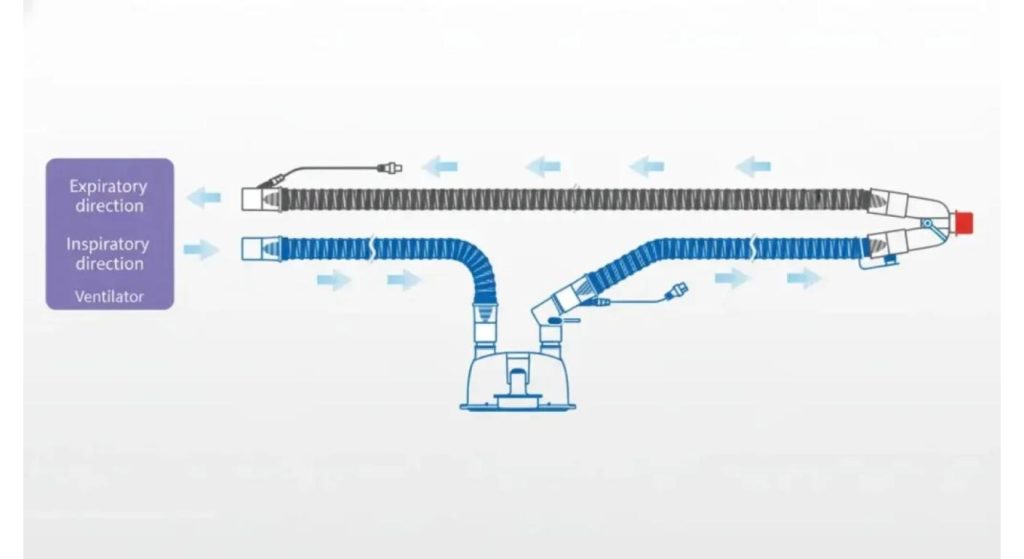
Check Tubing Performance in connection with Moisture Control.
One way of circuit evaluation is to monitor condensation control. Request specification and other data for flow resistance, leakage, compliance, connection security and resistance to kinking. Make a judgment about the values, based on the use to which the equipment is being put.
The overall assembly is influenced by tube length, the internal dimensions of the tubes, tube construction, and the components that are included. A flexible tube should not be so affected by its intended routing and support that it can no longer be used.
Review samples for sample review, with qualified personnel and plan an evaluation to be carried out using the appropriate instructions. Don't assume a tube's clinical performance based on how "hot" it is or how easily it bends. Likewise, reduced resistance must be qualified and compared to a specific test level or to a comparable product before it can be used in the purchasing or promotion process.
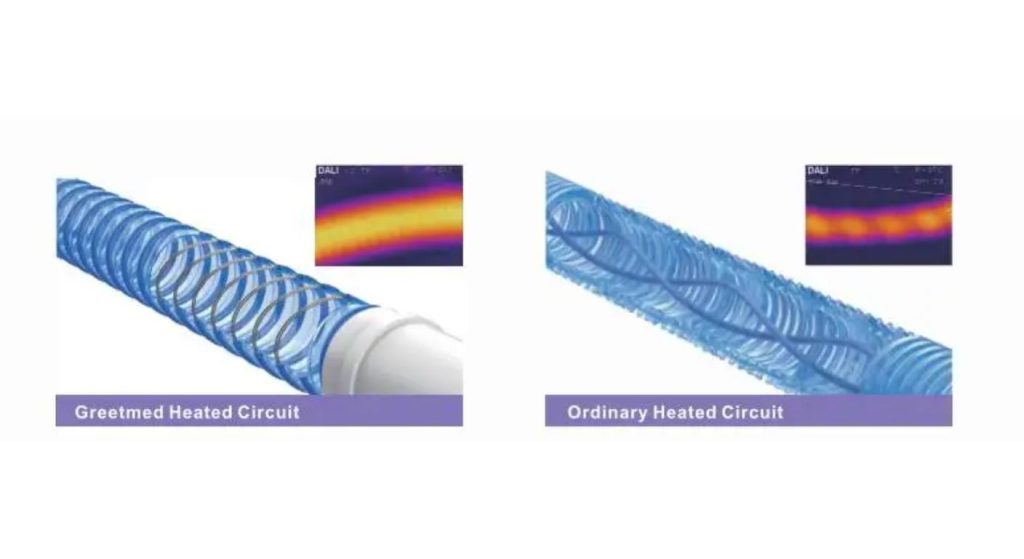
Ensure you know what is included in the kit.
A circuit photograph might include alternative parts or accessories in addition to the standard parts. Set up the bill of material for the specific model—including the heated limb or limbs, extra tubing, connectors, water traps (if any), and heating-wire cable.
Specify if a humidification chamber, extension tube, elbow, hook, clip or pressure line is included, optional, or supplied separately. Note: Not all versions have a cable displayed on it.
Keep Greetmed's respiratory and anaesthetic range as a guide to the type of kit you are asking for. Keep approved list of components and sample identification. This provides a common reference for purchasing and receiving teams and will help to avoid incomplete kits from being delivered to the appropriate facility.
| Procurement Stage | Record to Retain | Approval Purpose |
| Initial enquiry | Equipment models and application brief | Define the requested system |
| Technical review | Written compatibility confirmation | Identify the supported combination |
| Sample evaluation | Model code and evaluation report | Record the assessed configuration |
| Order release | Accepted kit list and labeling | Control supplied contents |
| Repeat purchase | Current specification and change status | Prevent unreviewed substitutions |
Position a thumbs-up to Document and Repeat-Order Controls
Prior to the approval of procurement, get instructions for use, labelling, packaging and relevant regulation for the destination market. Do not consider the company level certificates as authoritative statements about the authorised status or intended use of all models.
Verify labeled one time use, storage, shelf life and any specified duration of use. Never use a replacement period based on a different brand or from a generic Internet article.
Log accepted model, configuration, equipment compatibility information and document revisions. Also outline the process for changes to specifications and complaints about the product to the sales & support team at Greetmed. Replacing the approved configuration will be done in the same way as the original, except that suggested substitutions must be reviewed prior to shipment.
Conclusion
The use of a heated wire breathing circuit requires a matched respiratory system to a specific application. Start with the patient group and equipment, then check the heating setup, tubing function, kit contents and supporting documents.
With a focused enquiry the supplier will have a better idea of what he will need to recommend a configuration. It also aids distributors and hospital buyers to compare offers on documented suitability without having to worry about general product descriptions and model-specific approval and clinical use instructions.
FAQs
Q1. Does a heated wire breathing circuit need to be replaced by a humidifier?
The humidification and circuit heating do not have the same role in the system. Only use the documented combinations of equipment and use equipment as indicated.
Q2. When heated, will all condensation go away?
NO. Condensation is dependent to circuit, humidity, operating conditions and environment. Appropriate monitoring and management is still required despite the use of heating to control cooling.
Q3. Can adult circuits be used for neonatal?
Do not assume so. Choose from the patient group specified on the label, performance level and equipment compatibility, as documented for the specific model.
Q4. Or is the dual heating always the better choice?
No. It will be suitable for the application and system arrangement. Ensure correct set up by clinical and technical experts.
Q5. What is the frequency of replacement of the disposable heated circuit?
Adhere to the procedures and instructions of the product. Don't assume the use life of another model to the circuit you are buying.
Submit Your Request
Recent Posts

Tags
- Adult Diapers
- Are custom medical devices safe
- Baby Diapers
- Can respiratory anesthesia be used
- Digital Healthcare
- Do you offer customized consumables
- European Market
- How do you take care of a skin wound
- Industry Trends
- Lady Sanitary Napkins
- Medical Devices
- OEM Medical Devices
- Product Introductions
- Protective Equipment
- Under Pads
- What are custom-made medical devices
- What are diagnostic products
- What are hospital dressing products
- What are medical tube catheters
- What are some common protective equipment
- What are the appropriate applications for hospital dressing products
- What are the appropriate uses for protective equipment
- What is a gynecological examination
- What is a medical consumable
- What is an anesthesia kit
- What is an OEM in medical devices
- what is an wound skin care
- what is can disposable ultrasonic diagnostic
- What is good manufacturing medical devices
- What is hospital-grade protective equipment
- what is medical equipments hospital furniture
- What is medical sterilization wrapping
- What is rehabilitation equipment device
- What medical consumables do you supply
- Where can I find laboratory consumables wholesale
- where can I find medical protection device
- where to buy hypodermic accessories
- where to buy medical apparel
- where to buy medical consumable accessories
- where to find OEM medical device supplier
- where to find rehabilitation equipment supplier
