



Portable CPR Mask Kit: Prepare for Transport, Quick Access, and Restocking


A portable CPR mask kit is a worthy addition to an emergency bag when it is complete, protected and readily accessible to a trained CPR responder. Readiness doesn't begin with small packaging. This mask can exist if an essential part is missing, broken or unknown to the person who is going to wear it.
First-aid distributors and procurement managers for workplace first-aid boxes should consider more than just buying the first aid box. Think about where the kit will go, how it will be identified by responders and what will take place after the use. The goal is a written "supply and readiness" plan that can be sustained.
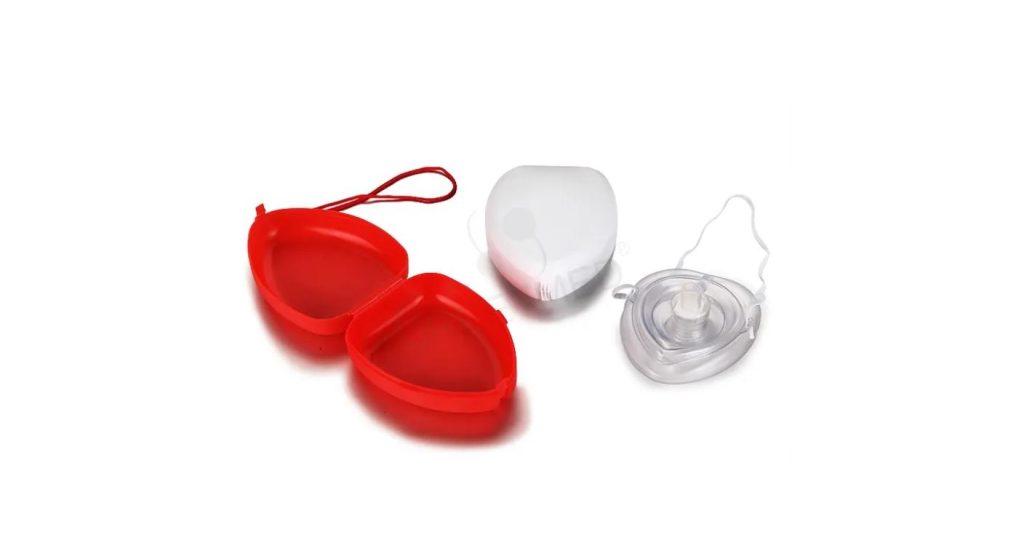
Explain the components of the kit.
Kit may also refer to a mask in a storage case, or a larger first aid kit containing more supplies. Know what you have in your product before you go to customers or compare prices.
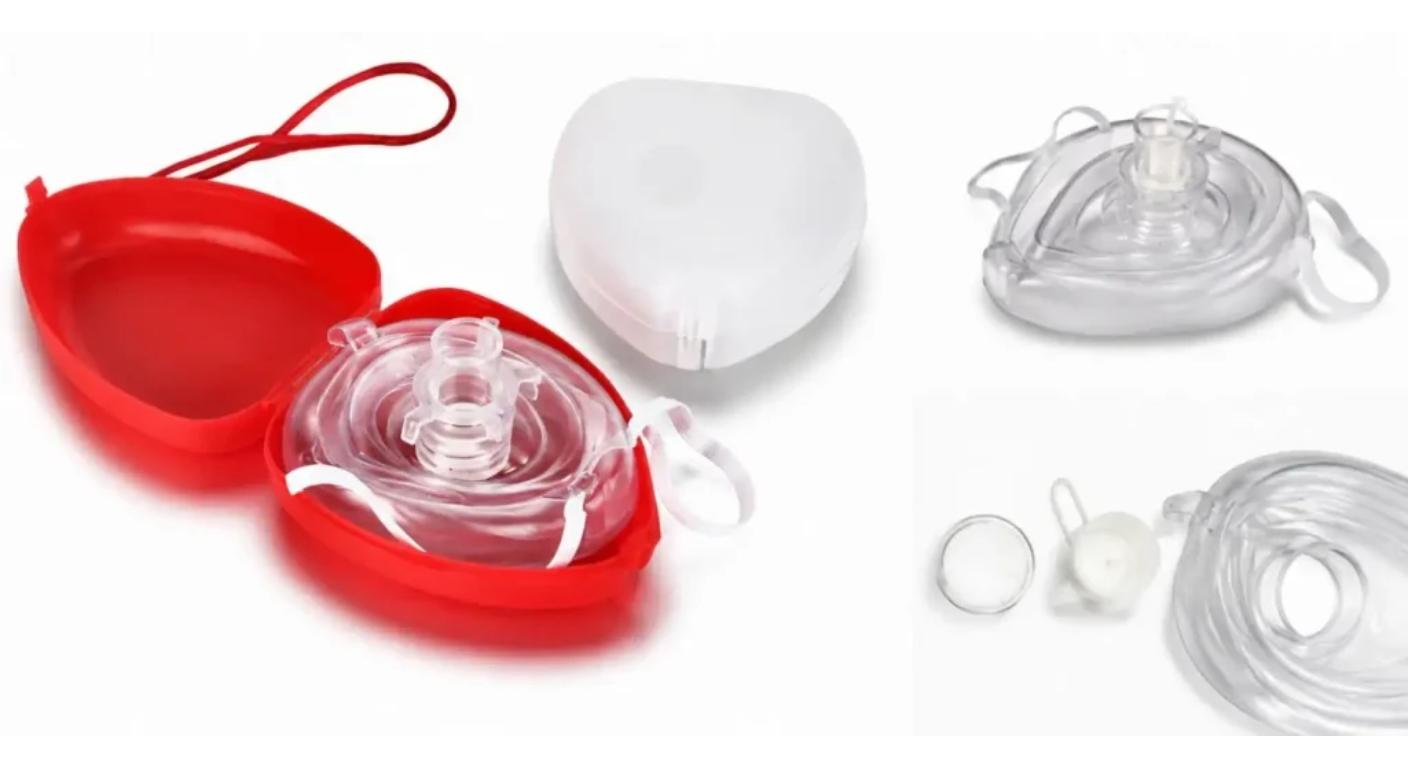
Greetmed's GT117-300 first aid CPR mask includes a foldable cushion mask with an oxygen port, a one-way valve, a disposable filter and an elastic head strap. In addition, it's instructions for use tell users to store the mask in its container when it's not being worn.
Verify the packaging and component configuration of the order. Gloves, wipes, oxygen tubing and other first aid supplies are not guaranteed to be available. List additions (optional) on a separate line or record it on a separate package so the sample and the purchasing description correspond to the same package.
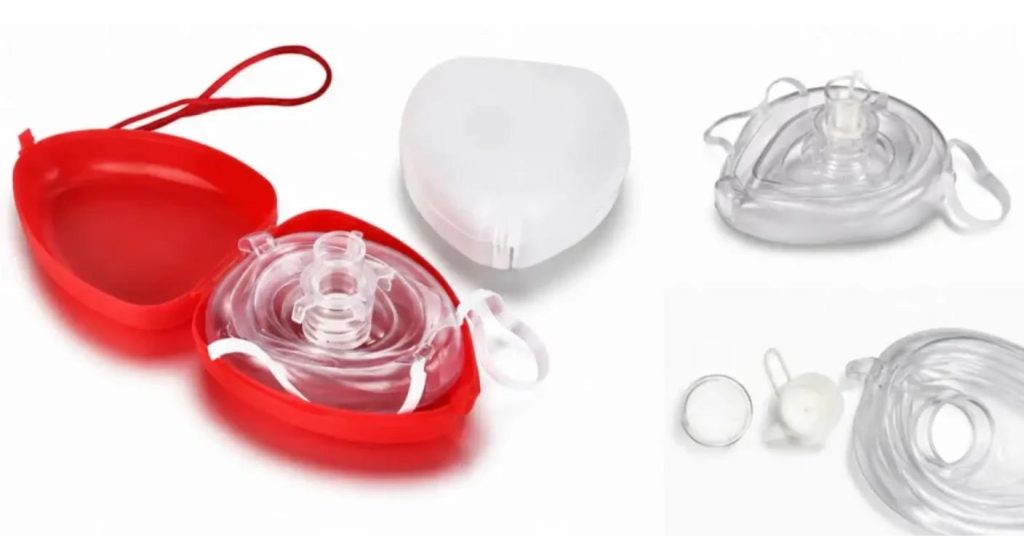
Identify the intended responders with the Product.
The equipment used in a first aid kit in the workplace may differ from that used by a training provider and/or a professional response service. Before choosing a configuration, define the setting, the training for the responders and the patient population.
Purchase the product based on the listed suitability of the product. Don't think that just because the kit is compact that one size, placement and accessory setup is suitable for all adults, children and infants.
A CPR mask is designed to be used by trained individuals to assist in conducting rescue breathing and does not replace activation of emergency services, CPR or use of an AED. Preparing or searching for the kit should not be a delay to the response. Ensure that procurement is related to the organization's existing training programme and not that purchasing packaging instructions is enough for practical competence.
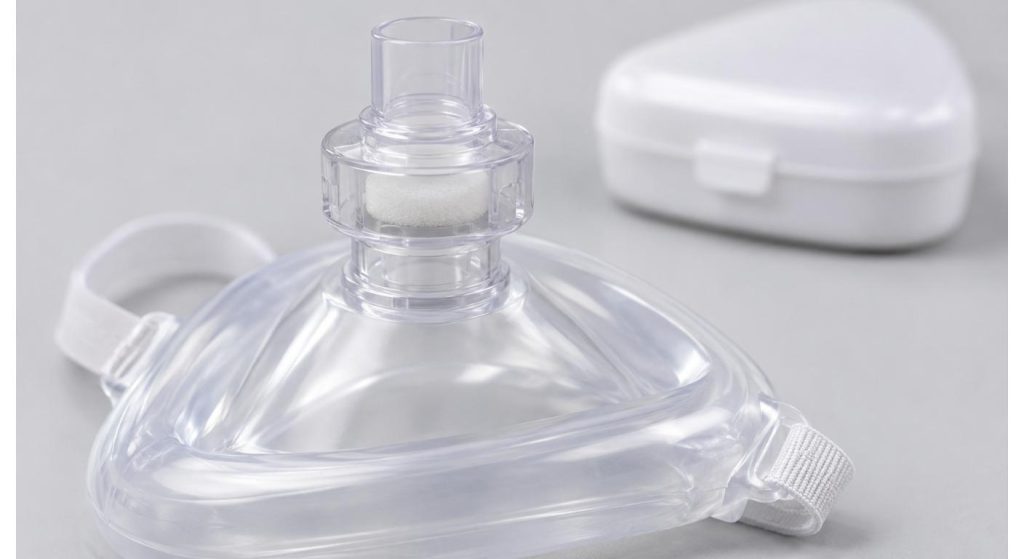
Learn about selecting the appropriate Valve and Filter Without Overstating Protection.
The one-way valve and the filter do not have the same function, but they do have an interdependence. It is not sufficient to just consider the possibility of direction and airflow control, but rather a physical barrier should be evaluated as well, and this process should be done through the actual product specification, not as interchangeable claims.
Greetmed's CPR mask overview provides an overview of these components in the product offering. Question things that will be thrown away, how they are provided, and what they need to do after they are used as per the current instructions.
Avoid statements that are absolute such as claiming that the kit "eliminates infection risk" or "prevents all microorganisms". Likewise, a latex-free statement refers to the composition of the material and shouldn't be a warranty that there will be no allergic reaction. Distributors should keep the manufacturer's wording in their catalogues and ask for supporting documents in case they wish to incorporate filtration or comparative performance information.
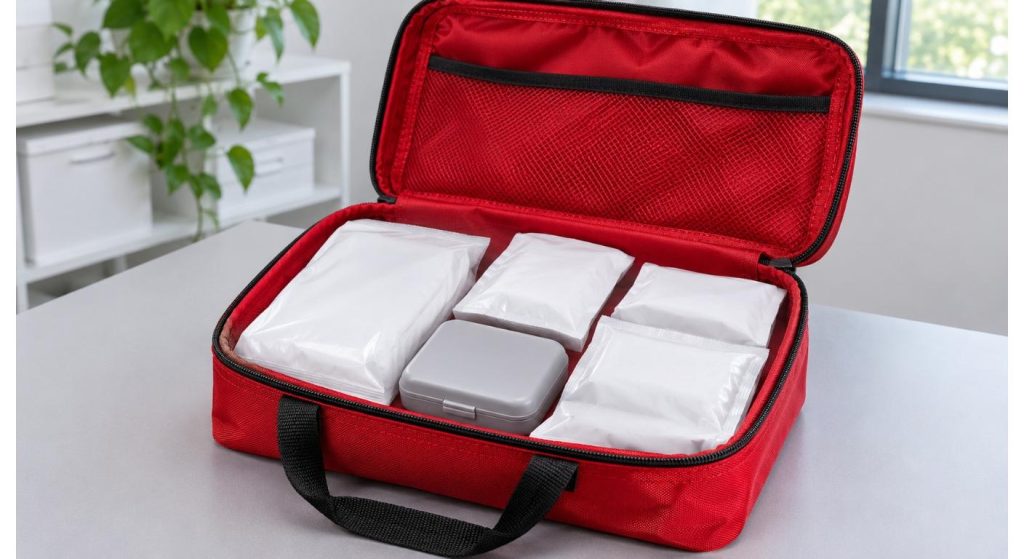
Describe and assess the situation of the Case in Its Real Carrying Location.
Portability includes protection, access and dimensions. Check if the suggested case is suitable for the intended first-aid bag, cabinet or responder pouch and will not squash any other equipment or make it difficult to view.
In a planned assessment, observe if trained staff can identify and retrieve the kit, as they would do normally. Do not include the assessment in an actual emergency, and do not unnecessarily use emergency stocks.
Verify mask is positioned in the case and all parts are still visible. A case does not necessarily fulfill the requirements of a sterile barrier, waterproof enclosure or impact resistance. If anyone makes such a claim, ask for proof and don't assume that case color or appearance is an indicator of clinical ability.
Make training "familiar" part of deployment.
Prior to an incident, teams should be familiar with the model that is stocked and where it is located. Make sure product introductions take place in conjunction with the organisation's qualified CPR trainers in order that demonstrations are made in accordance with the current instructions and the relevant training programme.
Greetmed offers a range of products in respiration and anesthesia, such as barrier and resuscitation products. The pocket style mask, face shield and other airway equipment should not be confused with being the same items because they are in the same category.
Ensure that training stock are identifiable and are not mixed with emergency equipment. Determine which parts used in training can be cleaned, replaced or disposed of. Do NOT place a mask on emergency stock that has been practiced on without the processing and checks as instructed and in the organization's procedures.
Do not operate outside of the Approved Scope of the Oxygen Port.
An oxygen port is a part of a delivery system, NOT the entire oxygen delivery system. It does not imply that the mask comes with an oxygen source, regulator, tubing or training to use these items.
If supplemental oxygen is being planned for use, the clinical or training lead responsible for the use of supplemental oxygen should confirm the equipment and configuration of the system. Use the instructions for the particular device and appropriate organisational procedures—do not prescribe a flow setting from a general product article.
Do not market the kit as an oxygen therapy system if the support for oxygen is not included in the intended response programme. Describe accurately the feature being supplied but ensure that the use of the feature is within the competence and authorized role of the intended responders.
Prior to the first order, have a plan for what is needed and what needs to be replaced.
Delegate tasks for emergency supplies check and reorder after usage, training, damage or missing components. The programme should be according to schedule as per product instructions and preparedness programme of the organisation.
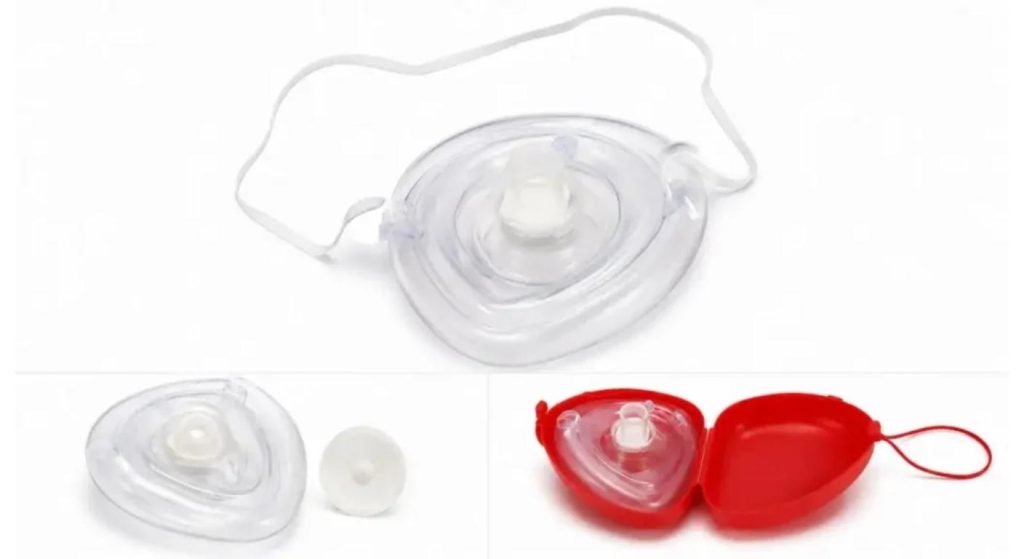
Verify the storage requirement, shelf-life, packaging condition and replacement requirement in the existing model documents. A storage temperature detail is not to be understood as meaning that it is safe to leave a vehicle parked for extended periods.
Check with Greetmed's sales team for surety of contents/availability of replacement parts/package/entitlement documentation for destination market. If OEM presentation is required, ensure that required labeling and instructions are still clearly visible. A branded case is only useful if the provided configuration and reordering is evident.
| Readiness Trigger | Stock Action |
| Kit used in an incident | Review components and replenish as instructed |
| Component missing or damaged | Remove affected kit from ready stock |
| Training session completed | Reconcile dedicated training equipment |
| Product or instructions changed | Review the accepted configuration |
Conclusion
Purchase a portable CPR mask kit – equipment to keep in place between incidents. Check the material with the users, protective case, training, and the replenishment route.
The specification “compact CPR mask” is useful to distributors and institutional buyers. It brings together the first order with access, familiarity and ongoing readiness; and maintains consistency between product claims and delivered model.
FAQs
Q1. Are gloves always part of a portable CPR mask kit?
No - Ensure the contents and any additional accessories purchased are model specific. Never think that because it's a first aid "kit," it contains an all-in-one bag.
Q2. Is a one-way valve infection risk free?
No. A barrier device is not 100% effective. Follow product instructions, training and precautions as required of the setting.
Q3. Is the mask reusable after patient use or training?
Review the instructions for each part. Please do not assume the same cleaning and/or re-use schedule for the mask, valve and disposable filter.
Q4. Is oxygen equipment provided with the oxygen port?
Please verify the scope of supply and equipment combinations supported. Adequate training and procedures must be followed when using supplemental oxygen.
Q5. Should responders try to find a mask before beginning CPR?
NO. Refer to the emergency training, call emergency services and as soon as available use the AED. Equipment retrieval should not be a delay to the requisite response.
Submit Your Request
Recent Posts

Tags
- Adult Diapers
- Are custom medical devices safe
- Baby Diapers
- Can respiratory anesthesia be used
- Digital Healthcare
- Do you offer customized consumables
- European Market
- How do you take care of a skin wound
- Industry Trends
- Lady Sanitary Napkins
- Medical Devices
- OEM Medical Devices
- Product Introductions
- Protective Equipment
- Under Pads
- What are custom-made medical devices
- What are diagnostic products
- What are hospital dressing products
- What are medical tube catheters
- What are some common protective equipment
- What are the appropriate applications for hospital dressing products
- What are the appropriate uses for protective equipment
- What is a gynecological examination
- What is a medical consumable
- What is an anesthesia kit
- What is an OEM in medical devices
- what is an wound skin care
- what is can disposable ultrasonic diagnostic
- What is good manufacturing medical devices
- What is hospital-grade protective equipment
- what is medical equipments hospital furniture
- What is medical sterilization wrapping
- What is rehabilitation equipment device
- What medical consumables do you supply
- Where can I find laboratory consumables wholesale
- where can I find medical protection device
- where to buy hypodermic accessories
- where to buy medical apparel
- where to buy medical consumable accessories
- where to find OEM medical device supplier
- where to find rehabilitation equipment supplier
