



Blood Collection Bag: Start With the Components You Intend to Prepare


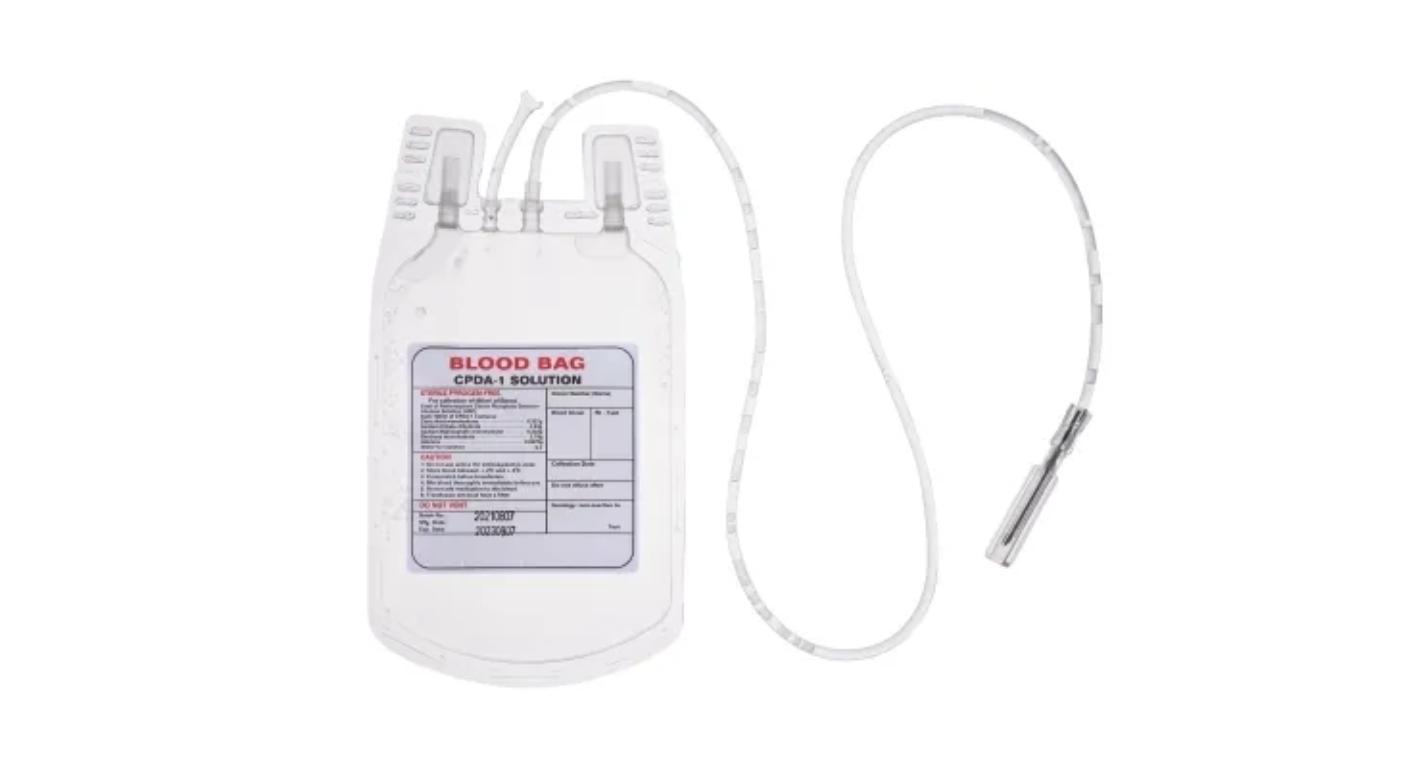
A bag for collecting blood is only a component of a blood processing system and not the blood collection system per se. The bags, tubes and anticoagulant, along with the intended collection, storage application and process, must all collaborate within the blood service's validated process.
The useful starting point of blood bank procurement teams and medical distributors is the component pathway. Determine the bag configuration of a facility's waste and what it wishes to collect and prepare. This will prevent you from comparing offers that may appear the same in a catalogue but have different processing or storage needs.
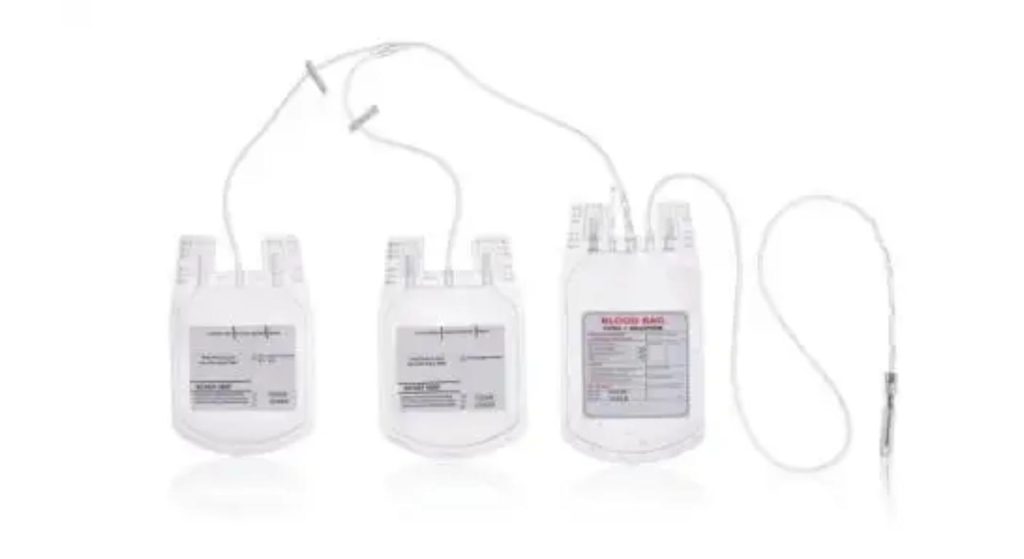
Create the Collection & Processing Pathway First
Start with the method for collection and products of the blood service approved. A bag for whole blood donation cannot be used for a specimen container in the lab, an apheresis collection system, or a transfusion administration set.
Clinical and technical team shall establish the necessary primary container, connecting transfer bags, solutions and other requirements. The bag arrangement cannot simply be a general preference for bags, it must be to support the actual processing pathway.
A suitable starting point for the discussion of the offering of Greetmed is the triple blood bag overview. Based on the published configuration data, pose a question and ask for the specification and instructions of the existing model. A product family description is not intended to be a substitute for the facility's evaluation of the entire system provided.
Match Collection Volume To Specified Solution
The collection designation on a bag must be read in conjunction with formulation and quantity of the anticoagulant provided. The nominal blood collection volume is not just the volume of the flexible container.
Check the label and instructions to the model to verify the desired amount and acceptable range of collections. Don't think that a small collection of blood and solution in a large volume system will keep the same blood/solution ratio.
If multiple collections volumes are required for a service, make sure to specify each one in the sourcing process. Request the supplier to match all the capacities provided to the solution specification and product code. This can help clarify the quotation review and prevent leaving the requirement for the anticoagulant unspoken when issuing an order like “450 mL bag”.
| Published Capacity Option | Information Required for Ordering |
| 250 mL | Model code, solution formulation and volume |
| 350 mL | Model code, solution formulation and volume |
| 450 mL | Model code, solution formulation and volume |
| 500 mL | Model code, solution formulation and volume |
Use Bag Count as a Layout Description.
Typically, a triple system is a main collection bag connected to two satellite bags. This is the physical system, and does not in and of itself set the components to be prepared or the time they can be stored.
Verify the purpose of each bag, its capacity, material and the processing conditions it is designed for. The use of a satellite container does not necessarily mean that it is a suitable container for platelet storage or freezing.
Check the layout with the blood service’s technical staff. Determine where and what the intended components will go after the transfer. If specifications are ambiguous, ask the supplier for clarification, don't assume performance by the number of attached bags or from a picture of the separated products.
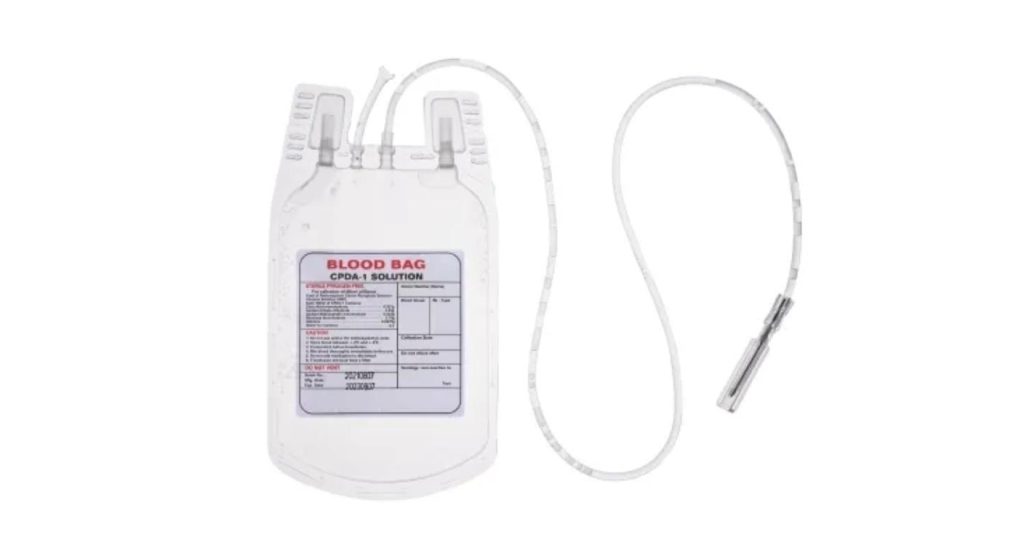
Know the difference between Anticoagulant and Additive Solution
There are various roles of anticoagulants and red-cell additive solutions in blood bag system. Their location and formulation should be clearly stated in the purchasing specification along with the processing arrangement that they will be used in.
Greetmed's published triple-bag info talks about CPDA-1 and CPD with SAGM configurations. Don't assume that they are synonymous with the same supply, they are separate. Ensure that you have identified the container that contains each solution and that you understand how the approved system will be used.
Avoid changing a configuration of a blood-component storage period. The approved conditions are based upon the applicable instructions, the component specifications, the processing method and local requirements. Another point to consider is that the length of a bag system that is not used is different from the storage time of a blood or a prepared component that has been collected.
Assess the suitability of current processing equipment.
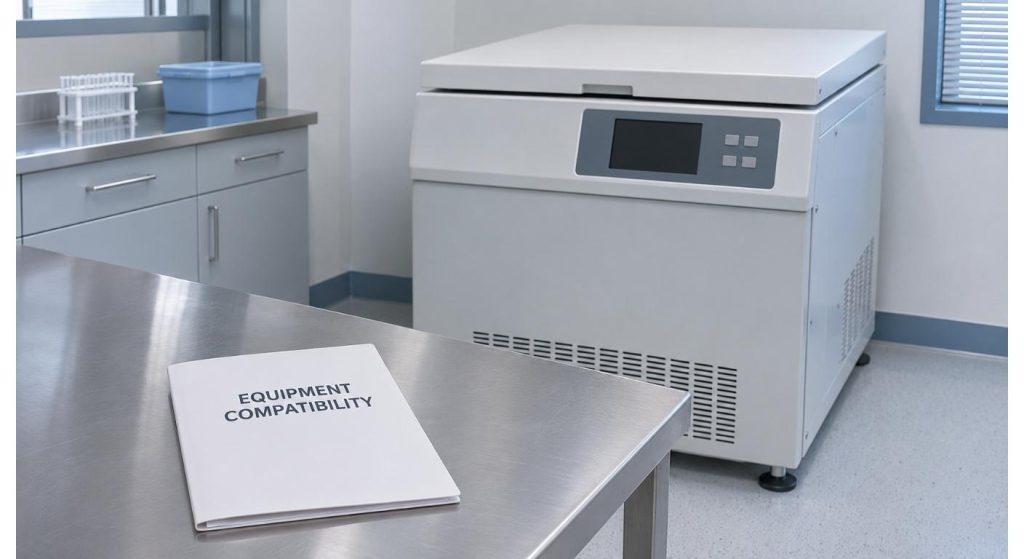
Plans for use of a proposed bag system may be influenced by the equipment used at the facility. Seek input from the technical team on the compatibility of collection monitors, centrifuge setup, expressors, tube sealers and sterile connections with the approved process.
In addition to the nominal capacity, the dimensions of the bag, the properties of the tubing, the port arrangement and the entire assembly can be important. The connector may look like a familiar one, but that doesn't mean it's compatible with all devices.
Ask the pertinent specifications prior to sample evaluation and agree what needs to be proven during the evaluation. Be sure to label the tested configuration. If the tubing, bag material or accessory is changed later, consider a further review of the facility if the new tubing or bag material or accessory is not the same as the accepted tubing or bag material or accessory.
Have the same identifier for the same item across the system.
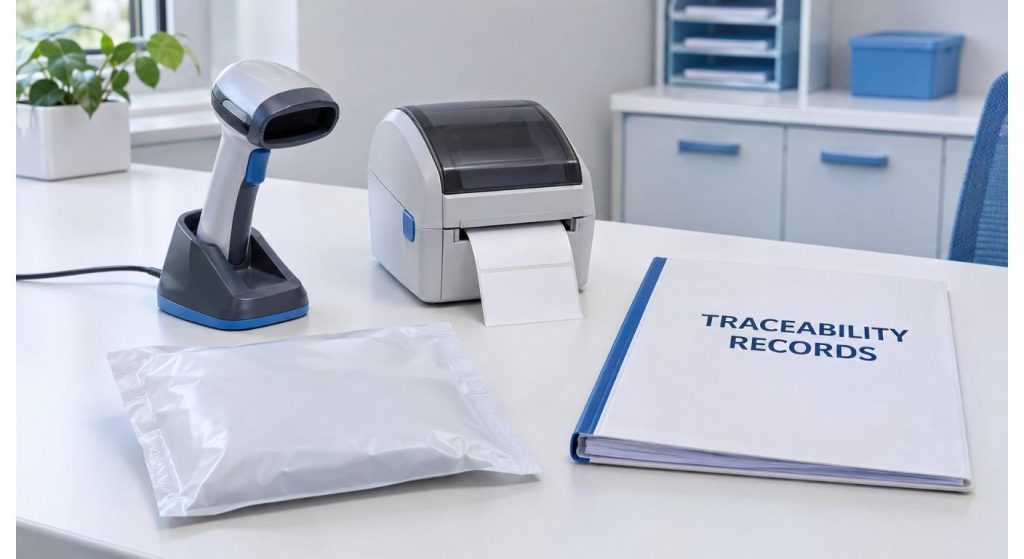
The process of identifying should stay consistent, with one donation continuing to be one donation, multiple connected donations and, if needed, multiple separate components. Check out the space on the label, the site's tubing identification and compatibility with the approved traceability arrangements by the service.
Separate manufacturer data from that identification that is added by the blood service in the form of a donation and component identifier. Product code, batch and expiry do not take the place of the service's tracking requirements, they simply identify the device supplied.
Closed system construction helps to control the handling of the product but cannot eliminate hazards of contamination or the need for donor assessment, testing, aseptic practice, and process controls. Assess system integrity and documentation, while not accepting an unsupported designation by a bag design that it may not prevent infection or ensure a specific level of reduction in contamination.
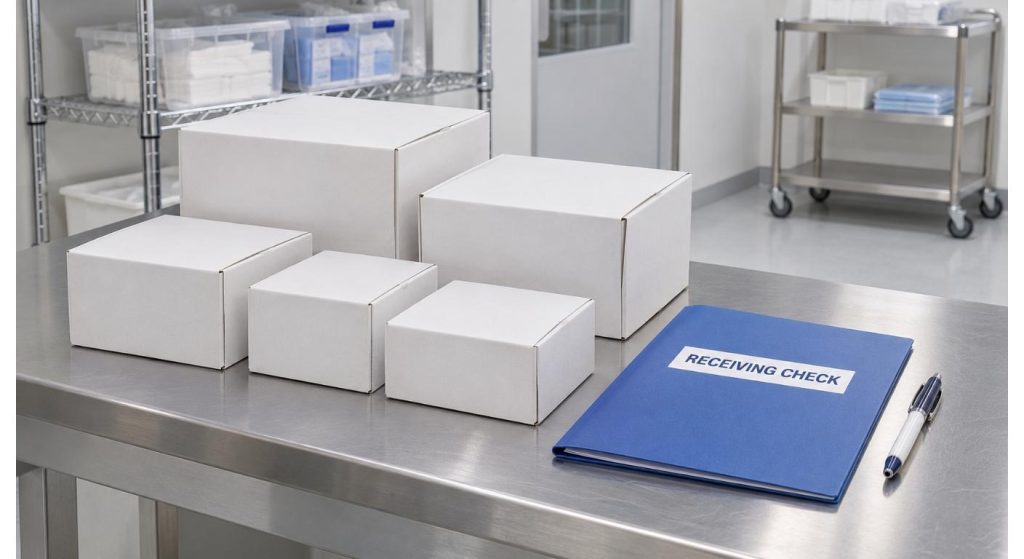
All Supply Packages must be approved before the Routine Purchase.
Compare end offers with 1 specification. Verify the configuration, solutions, designation of collections, packaging, instructions, shelf life, storage conditions, and regulatory documentation for the destination market for the product.
Greetmed's product catalogue resource can be used to get started when organizing an initial sourcing, but ask for the current model documents when there is a technical question that the product catalogue doesn't answer. Be sure to check if sampling accessories, diversion features, needle protection or filters are part of the setup or not—assuming any of these from a different setup is incorrect.
Discuss the desired component pathway, equipment information, target market, quantities, etc. with Greetmed's sales team. Keep the accepted sample and record revisions and set out how to deal with any changes proposed or complaints. Normal supply should be maintained as per the system that the facility has reviewed.
Conclusion
A blood collection bag begins with the process of the blood collection and the blood to be prepared for the components. Capacity and the rest of the containers, their solutions and equipment compatibility and traceability need to be taken into account.
If it's a clear enquiry, it'll help determine the proper configuration and provide the supplier with any unanswered information. For Blood Banks and Distributors that provides a purchasing basis based on the real system, not the catalogue name or a single capacity value.
FAQs
Q1. Are there any differences between a blood collection bag and a transfusion set?
No. The collection bags are used to collect the blood for a designated collection and processing program. The transfusion set is used for giving the transfusion and so on and has another use.
Q2. Does a triple bag automatically give platelet storage?
No. Make sure you know what you want the satellite bag to be used for and the relevant technical specifications. The number of bags is not the only criterion to determine suitability for storage.
Q3. Is there any one bag size that can be used for any collection volume?
Do not assume so. The volume to be collected should be consistent with the system's label, solution concentration, and range.
Q4. Can CPDA-1 be substituted for CPD and SAGM?
No. They explain different configurations of the solutions. Review the entire set up configuration with blood service approved process.
Q5. Can a closed bag system be contamination free?
No - System integrity is still important but not a substitute for the other collection, testing, processing and handling controls required.
Submit Your Request
Recent Posts

Tags
- Adult Diapers
- Are custom medical devices safe
- Baby Diapers
- Can respiratory anesthesia be used
- Digital Healthcare
- Do you offer customized consumables
- European Market
- How do you take care of a skin wound
- Industry Trends
- Lady Sanitary Napkins
- Medical Devices
- OEM Medical Devices
- Product Introductions
- Protective Equipment
- Under Pads
- What are custom-made medical devices
- What are diagnostic products
- What are hospital dressing products
- What are medical tube catheters
- What are some common protective equipment
- What are the appropriate applications for hospital dressing products
- What are the appropriate uses for protective equipment
- What is a gynecological examination
- What is a medical consumable
- What is an anesthesia kit
- What is an OEM in medical devices
- what is an wound skin care
- what is can disposable ultrasonic diagnostic
- What is good manufacturing medical devices
- What is hospital-grade protective equipment
- what is medical equipments hospital furniture
- What is medical sterilization wrapping
- What is rehabilitation equipment device
- What medical consumables do you supply
- Where can I find laboratory consumables wholesale
- where can I find medical protection device
- where to buy hypodermic accessories
- where to buy medical apparel
- where to buy medical consumable accessories
- where to find OEM medical device supplier
- where to find rehabilitation equipment supplier
