



Medical Nitrile Gloves: Translating Healthcare Requirements into Practical Buying Criteria


A sample meeting may feel great in a pair of gloves, but be a terrible choice when a department begins using thousands of gloves per week. Having loose fingertips, problems with dispensing, unclear labels or size differences can affect an otherwise good quote. The purchase of medical nitrile gloves thus equates documented performance to the way staff operate.
The question for hospital purchasing is not only about which material is superior to nitrile but rather what is the most useful item.The question for the hospital purchasing team and medical distributors is not just which material is better than nitrile, but what is the most useful item It is if a particular examination glove is suitable for the activity, the user(s) and consistent provision. This guide will detail how to create that decision based on verifiable specifications.
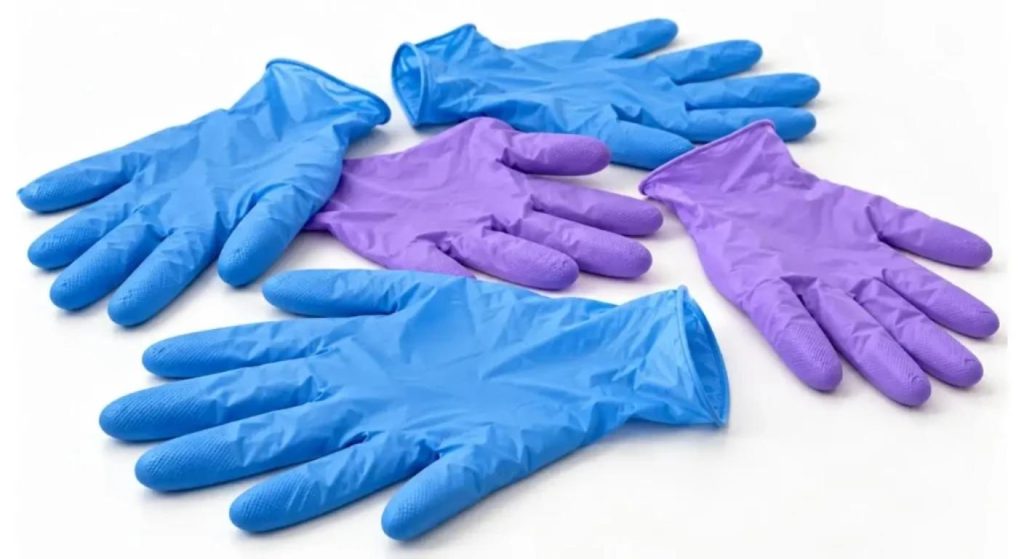
Start with the Intended Use
When a product is intended for a specific purpose but is not covered by a supported use, it should not be classified as a “Medical.” Different gloves are used to meet different requirements: an examination glove, a sterile surgical glove and a glove that is tested for handling chemotherapy drugs. Nitrile material is not sufficient on its own to assure suitability for all procedures and substances.
Disposable Gloves for model GT051-100 are stated in Greetmed's product catalogue. Once identified, start a product discussion based on that, and ask for the existing specification and labeling in your target market. If comparing offers that are both in the same catalogue, make sure that the gloves used during the examination are separated from the surgical products.
Convert a Barrier Claim into an Evidence.
A technical file that is useful links the specific glove model to relevant examination glove specifications, examination test results and market documentation. Develop questions leading to tests for freedom from holes and physical properties. A general company certificate doesn't prove the performance of all products offered by the company.
If a supplier gives an AQL that he or she thinks are acceptable, consider it a sampling plan that is statistical. This does not mean that all gloves are guaranteed to be without defects. When making comparisons, ensure that the test method, acceptance criteria and product identification are sufficiently clear to facilitate a meaningful comparison.
Retain approved specification with purchase order. This will provide the receiving staff with a practical reference to give when checking labels, lot numbers, packaging and discrepancies. A sample that looks ‘good' cannot be accepted for commercial deliveries in place of documented requirements for acceptance.

Use Representative Tasks to assess Fit
A size label is just a beginning to a fit evaluation. The performance of a glove during normal movements is influenced by hand shape, finger length and cuff behavior. Too much material may decrease hand control, and too tight of a fit may cause discomfort when being worn and hinder movement.
Conduct a formal sample review with users ranging from the smallest to the largest in the department. Have them use small objects, open packages and move their fingers on clean demonstration equipment. Make specific observations rather than taking for granted that the gloves feel good. As part of the proposed dispenser, include the experience of removing gloves.
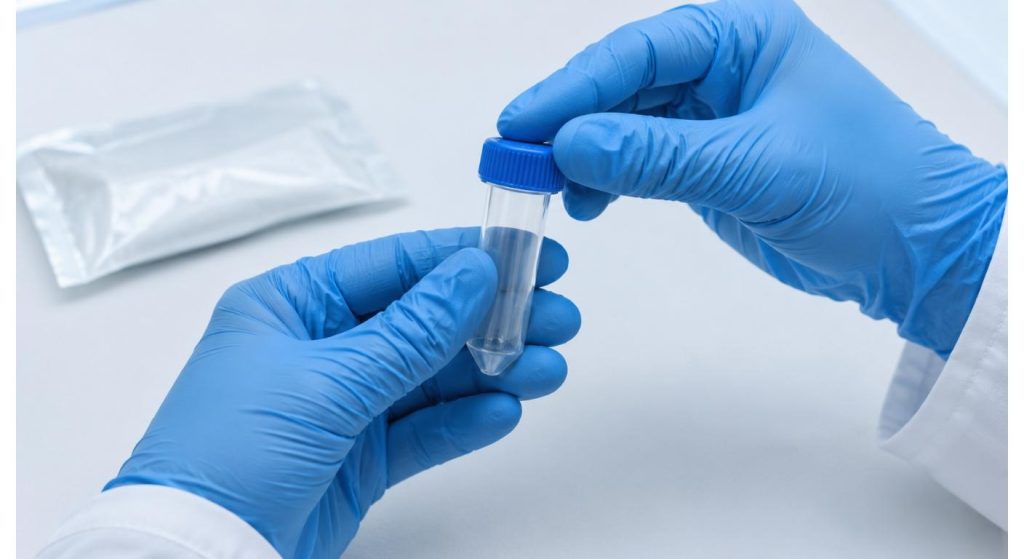
The outcome will be a feasible size distribution of the buying plan. The one popular size for all people can cause unnecessary issues if the glove itself is technically correct.
Differentiate between Latex Avoidance and Skin Tolerance
Nitrile is a choice that can be made to avoid natural rubber latex proteins. But, latex free does not imply that no one can get an irritation or allergy reaction. Some additives used in manufacturing such as some rubber accelerators may be of interest to people who are sensitive to them.
To illustrate this difference, let's take a look at latex-free nitrile gloves from the company called Greetmed. If a known sensitivity, utilize occupational health for product selection and get formulation information. A glove cannot be described as "accelerator-free" unless the documentation for the specific product supports this.
The written specification should also include the powder status. Don't expect that all gloves listed in the catalogue can be used in all destinations.
Use the appropriate amount of protection – balance the protection to the task at hand.
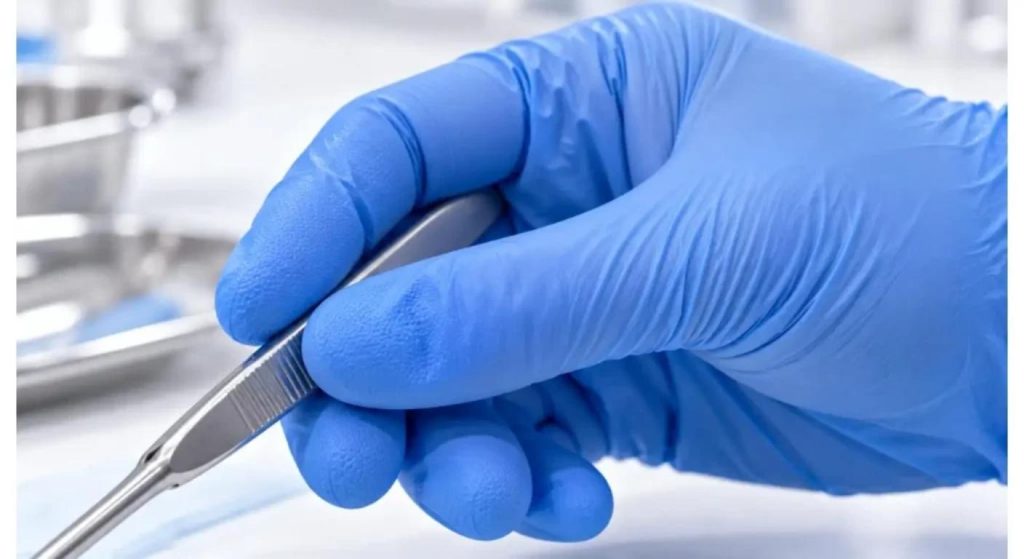
Thickness is a valuable piece to have but is not a full indicator of protection. Many factors affect the buyer's decision, including material formulation, manufacturing consistency and the task. The thicker the glove, the other different it might feel, but it may not be the best glove for fine work.
Before comparing numbers ask for thickness measurements and specify where they are measured, e.g. at the fingertips, at the palm. Do not assume a textured look means that it will perform well - use representative clean objects to evaluate grip. Evidence is required for any claim of chemical resistance for the chemical and exposure conditions involved.
Similarly, the use of routine examinations should not be extended in chemotherapy handling based on the material used in the examination gloves or the color of the examination gloves. For specific applications, appropriate testing and labelling for the specific product is required. When asking for an alternate model make sure to include these requirements.
Include packaging as a part of the specification.
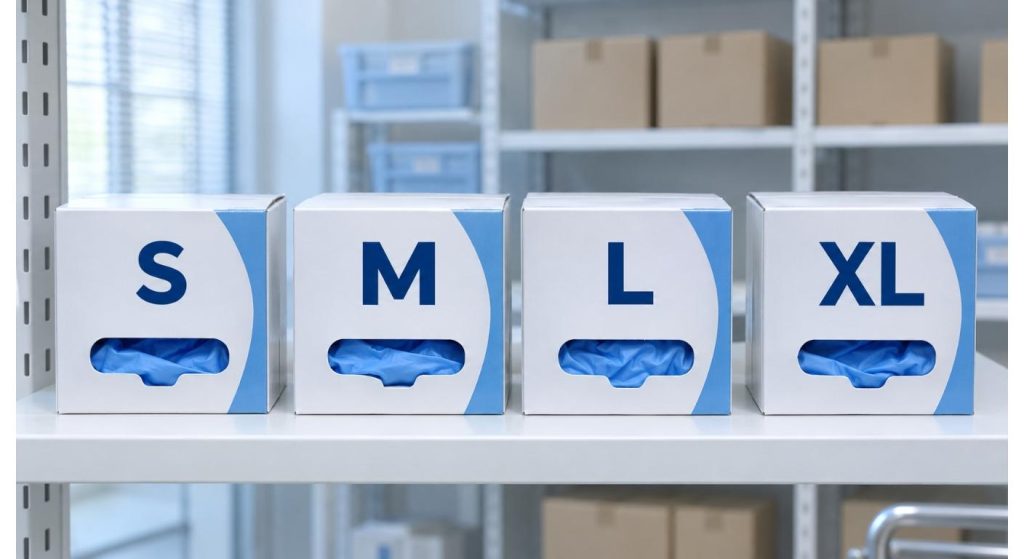
A glove is handed out along with a glove replacement program. The size of the boxes, number of units, carton details and readable size identification impact storage and daily access. The information should be checked prior to the first big order.
Take the published information that is available via Greetmed product catalogue downloads, as a starting point and reconcile with the current quotation. Determine the available information and methods for maintaining product identity and lot information after the carton is opened. Do not assume that changes in brand, packaging or size are available, without confirmation.
| Catalogue item | Published information |
| Product model | GT051-100 |
| Available sizes | S, M, L, XL |
| Box quantity | 100 pieces |
| Carton quantity | 2,000 pieces |
After Sample Approval view Continuity.
There needs to be a clear commercial specification when the sample is approved. Decide on how the following product changes will be discussed and how any delivery discrepancies will be looked into. Keep sufficient order and lot information for relating a complaint with the affected supply.
Storage and stock rotation should be done according to the manufacturer's instructions on the labels and expiry dates. Ensure receiving teams report any broken/repaired cartons, unclear dates or incorrect sizes prior to product arrival at clinical areas. If multiple departments share the same supply, monitor the amount of use by quantity and restock based on quantity used. This makes it much easier to keep the approved range, and ensures that the pressure of having to change to an unsuitable size in a busy department is reduced.
Clinical application remains to be used according to the appropriate practice. Disposable Medical Gloves are designed for one patient/one use only and change gloves between tasks and patients when necessary if gloves are damaged. Wash hands after removing. Gloves will not protect against sharps injuries, and washing them will not render them suitable for re-use.
Conclusion
The intention, evidence, fit and supply information are combined in one purchasing decision with effective glove sourcing. An understanding of those requirements is necessary to know the meaning of the lowest price. If you have a specific need, please reach out to Greetmed with your application, destination market, size requirements and documentation requirements.
FAQ
Q1. What Is The Purpose Of Medical Nitrile Gloves?
The nitrile examination gloves offer a disposable barrier to perform suitable examination and care activities. They are specifically suited depending on the product application and product labelling.
Q2. Is it truly allergy free nitrile gloves?
No. They do not contain natural rubber latex proteins, but may contain other ingredients that cause reactions in some users. Sensitivities will need to be evaluated on a product-specific basis for known sensitivities.
Q3. Does thickness provide increased protection with gloves?
There is no known set thickness for overall protection. Bear in mind the documented performance, the amount of exposure and the dexterity required for the job.
Q4. Are examination gloves suitable for handling chemotherapy?
Always choose a product that has the correct supporting evidence and label. It is not enough to use nitrile material.
Q5. Are disposable nitrile gloves washable and re-usable?
No. Follow the use of new pairs of gloves and discard used gloves properly as necessary. Perform hand hygiene after removing them.
Submit Your Request
Recent Posts
Tags
- Adult Diapers
- Are custom medical devices safe
- Baby Diapers
- Can respiratory anesthesia be used
- Digital Healthcare
- Do you offer customized consumables
- European Market
- How do you take care of a skin wound
- Industry Trends
- Lady Sanitary Napkins
- Medical Devices
- OEM Medical Devices
- Product Introductions
- Protective Equipment
- Under Pads
- What are custom-made medical devices
- What are diagnostic products
- What are hospital dressing products
- What are medical tube catheters
- What are some common protective equipment
- What are the appropriate applications for hospital dressing products
- What are the appropriate uses for protective equipment
- What is a gynecological examination
- What is a medical consumable
- What is an anesthesia kit
- What is an OEM in medical devices
- what is an wound skin care
- what is can disposable ultrasonic diagnostic
- What is good manufacturing medical devices
- What is hospital-grade protective equipment
- what is medical equipments hospital furniture
- What is medical sterilization wrapping
- What is rehabilitation equipment device
- What medical consumables do you supply
- Where can I find laboratory consumables wholesale
- where can I find medical protection device
- where to buy hypodermic accessories
- where to buy medical apparel
- where to buy medical consumable accessories
- where to find OEM medical device supplier
- where to find rehabilitation equipment supplier
