



Selecting a Combined Spinal and Epidural Anesthesia Kit for Clinical Use


A Combined Spinal and Epidural Anesthesia Kit is a system of two neuraxial anesthesia techniques combined in one. The difficulty for anesthesia departments is not just having both the spinal and epidural instruments but making sure the size, fit and feel of them complement each other.
Even if each component is considered acceptable, a suboptimal needle size and/or type and/or suboptimal catheter can lead to procedural challenges.
It is important for hospitals and medical distributors to therefore consider a CSE kit as a whole product, rather than a combination of disposable instruments.
What is Combined Spinal and Epidural Anesthesia Kit?
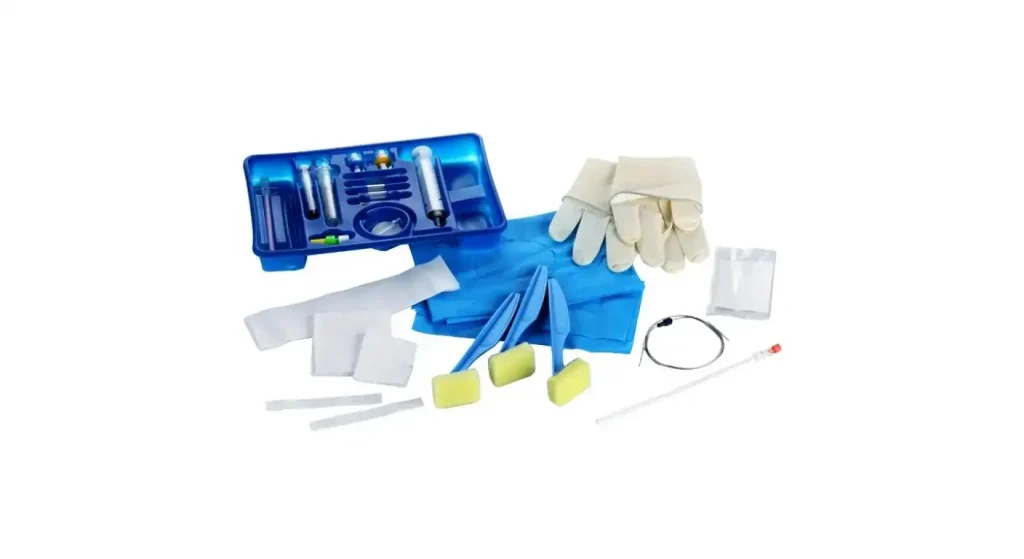
A Combined Spinal and Epidural Anesthesia Kit (CSE Kit) is a combined kit comprising of instruments for both spinal and epidural anesthesia.
Spinal anesthesia involves injection of drugs into the cerebrospinal fluid, which results in a relatively fast neuraxial block. Epidural anesthesia is the use of medication in the epidural space and may be through a catheter which is inserted into the epidural space for continuous administration.
The two can give speedy spinal anaesthesia, plus an epidural catheter if clinically indicated.
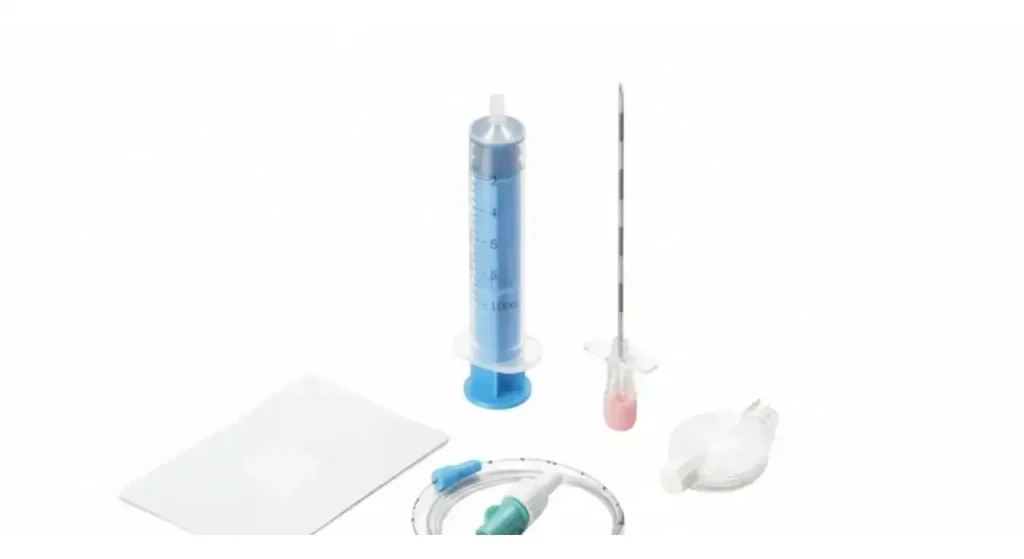
Commonly, a CSE kit will contain an epidural needle, a spinal needle, epidural catheter, loss of resistance syringe, a catheter connector, filters and sterile preparation accessories.
The Anesthesia Kit product series of Greetmed includes model GT038-800E/S and its detailed product catalog has combined spinal and epidural components for this model.
So what is a CSE Kit and how is it different from a standard Epidural Kit?
A standard epidural kit is used mostly for identification of the epidural space, placement of the epidural catheter and administration of epidural medications.
With the addition of a spinal part of a CSE kit, the compatibility of the spinal and epidural instrumentation becomes particularly relevant.
Needle through needle (CSE): A needle compatible epidural needle is used for CSE. Needle length and internal clearance and needle positioning is required.
Combined procedures don't always employ the same techniques, and one type of kit isn't necessarily appropriate for more than one procedure.
Greetmed's Epidural Anesthesia Kit guide discusses the purpose of epidural needles, epidural catheters, connectors, and loss of resistance syringes to the organized anesthesia kit.
Additionally for CSE procurement, these simply known parts need to function reliably with the spinal needle configuration.
Needle Compatibility Is the First Technical Check
The combined technique relies on predictable handling, so needle specifications should be given special consideration.
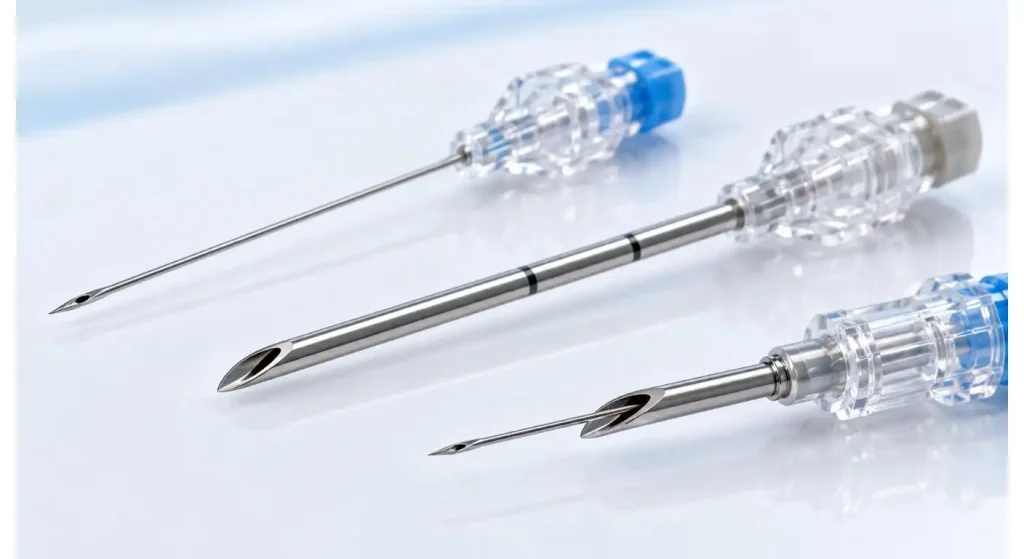
Gauge, length, geometry and compatibility of the tip for epidural and spinal needles are among important parameters.
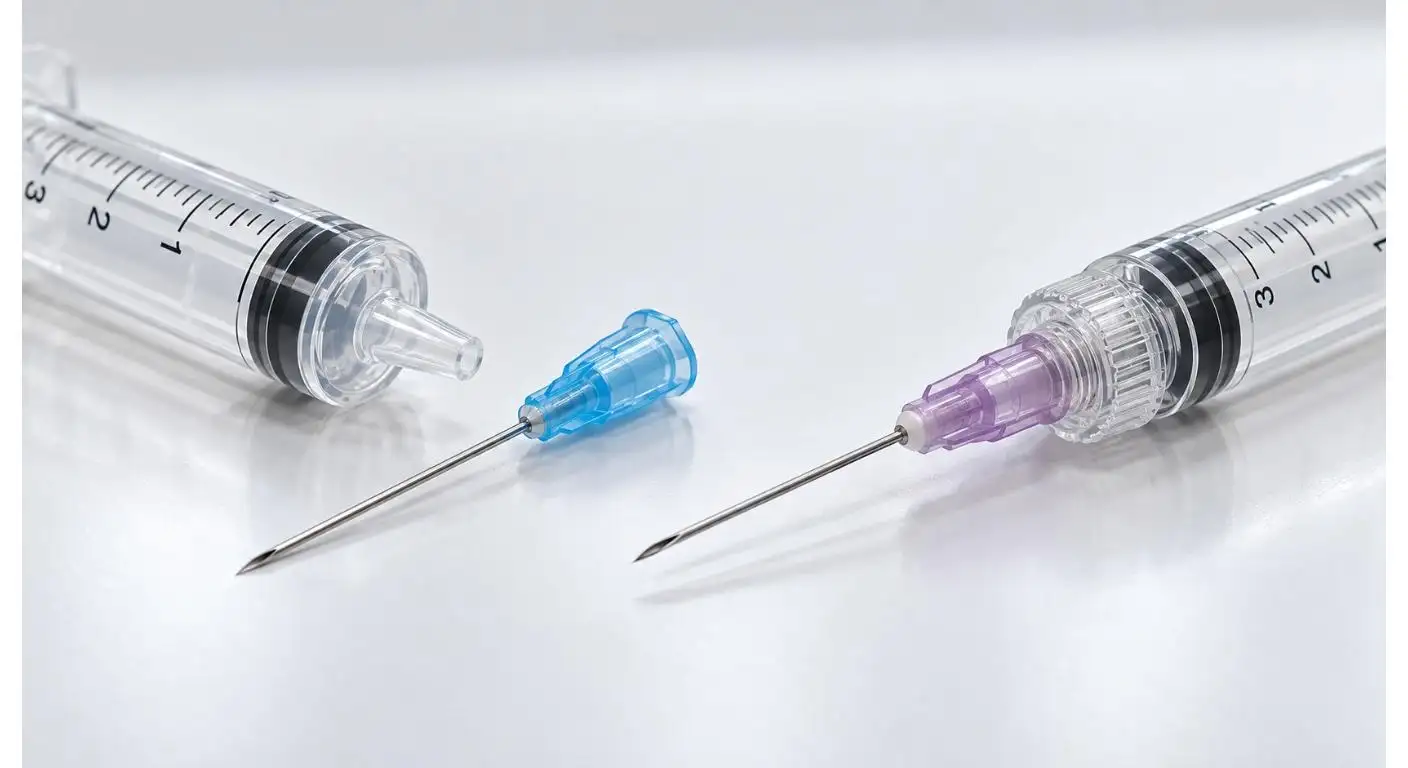
Epidural needles are typically tuohy type needles, while pencil-point spinal needles might be chosen for their atraumatic tip.
Spinal needle gauge, however, and tip design should be based on the clinical use and the manufacturer's validated design.
The product documentation should state the needle combination that is compatible with the relevant product.
For instance, Greetmed's catalogue details epidural needle options of 16G/18G, and pencil point spinal needle options of 25G/27G for GT038-800E/S configuration. The actual set of combination supplied should be verified by the Buyer in the current kit.
There is no unique combination of two gauge numbers that is technically suitable.
Security of Catheter performance and connection for epidural.
An epidural catheter is another important factor as it can be left in to provide further medications.
The flexibility, size, shape of the catheter tip and the stability of connection impact on handling and practicality.
With the validated needle system, a catheter should move easily without encountering any resistance or deformations.
There should also be secure connection to the catheter adapter suitable for giving neuraxial drugs.
Filters and connectors are to be chosen based on the intended use including applicable neuraxial connection requirements.
The Medical Tube & Catheters category offers more details on Greetmed's medical tubing and catheter products.
Performance is important to purchasing teams, and is not an independent specification for catheters; it should be considered in conjunction with needle compatibility.
The importance of Loss-of-Resistance Syringe Quality!
When the loss of resistance syringe is inserted into the epidural space, there is a specific change in resistance to locate the epidural space.
Handling characteristics of smooth plunger movement and predictable tactile response are important.
A syringe that sticks, leaks or moves erratically will make the assessment more challenging.
Buyers need to check the syringe material, capacity, plunger slide and compatibility with the syringe.
The Greetmed's GT038-800E/S catalog configuration is a 5 mL glass loss-of-resistance syringe (actual specification may have changed since catalog publication and should be confirmed prior to ordering).
Anesthetists should evaluate component handling during sample evaluation by an appropriate simulation setup.
The sterility and packaging must be verified separately.
Specification of all components does not necessarily prove the sterility and packaging requirements of a hospital.
The devices should be suitable for the intended use and the pack assembled should retain the sterile barrier until the pack is opened.
Buyers should check for information on sterility, package integrity, expiry date, batch traceability.
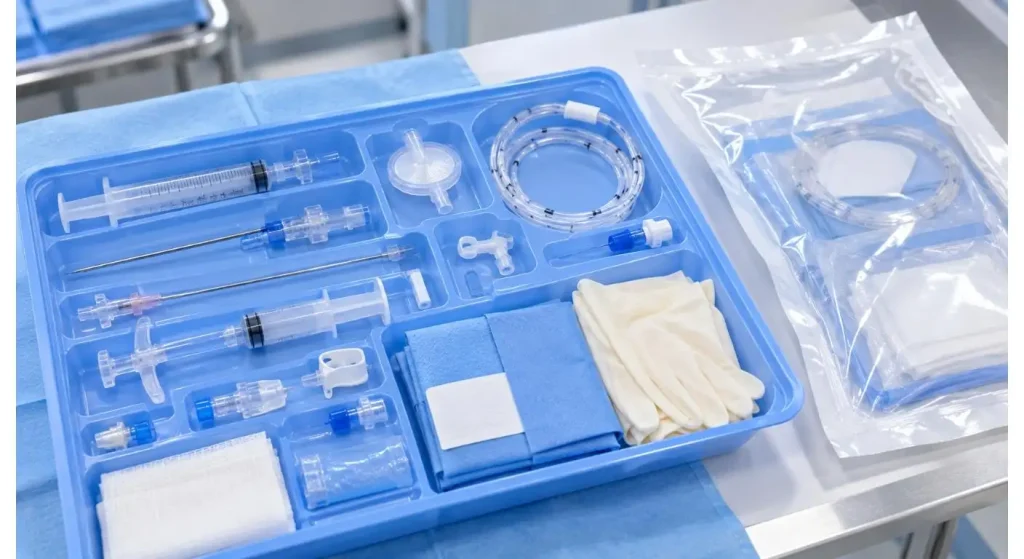
The layout of packaging is also important. Components must be visible and easy to reach with minimal manipulation of sterile field.
The GA Kit guide outlines the value of a pre-assembled kit of standardised anaesthetic equipment in an operational context.
When buying CSE kits, procurement teams should use these principles for neuraxial instruments and their validated configuration.
Before buying, here are some tips to check CSE kit specs:
More than a picture of the supplier's product is needed when making a technical purchase.
Hospitals will want to ask for a bill of materials that specifies what types, lengths and gauges of needle, as well as the specification for the catheter, connectors, syringes and disposable accessories.
The documentation should describe what's in the package and what's optional.
Testing evidence should include relevant mechanical performance, material appropriateness, sterile barrier integrity and connector requirements.
| Component | Key Specification | Verification Focus |
| Epidural needle | Gauge, length, tip | Compatible CSE system |
| Spinal needle | Gauge, length, tip type | Needle-through-needle fit |
| Epidural catheter | Diameter and length | Smooth advancement |
| Catheter adapter | Connection type | Secure attachment |
| LOR syringe | Capacity and movement | Consistent plunger response |
| Sterile packaging | Seal and shelf life | Validated barrier integrity |
Approval of a kit should only be given by the anesthesia department after it is determined to be suitable for the particular clinical procedure(s) it is to be used for.
You can match the Clinical Setting to the Kit.
A dual (combined) spinal/epidural approach can be used in special circumstances in obstetric surgery or in orthopedic and other types of surgery.
But indications, contraindications and procedure selection are based on the individual patient assessment and institutional guidelines.
The purchasing needs should begin with the need or procedure that is to be performed or used and not with a blanket statement that one kit is suitable for all.
For instance, an obstetric anesthesia service might want to select a specific needle through needle configuration and a specific approved catheter; another surgical department might want to use a different approved catheter and needle through needle configuration.
The available options should be clearly identified by the supplier and it should not be suggested that all CSE kits are interchangeable.
Evaluate Samples and Supplier Consistency
Hospital should obtain samples prior to bulk purchase of the configuration exactly quoted.

Evaluation should be for needle compatibility, usability of syringe, advancing the catheter through a simulation model, connector fit, and packaging usability.
Have anesthetists, clinical engineers and purchasing staff participate in the assessment.
| Review Stage | Evaluation Method | Responsible Team |
| Component inspection | Match samples to BOM | Procurement |
| Needle compatibility | Simulation-based fit check | Anesthesia team |
| Catheter handling | Advancement and connection trial | Anesthesia team |
| Packaging review | Sterile barrier and labeling | Quality assurance |
| Supplier approval | Review evidence and changes | Purchasing and quality |
If repeat orders are being placed, ensure the supplier is capable of providing a consistent product, packaging and manufacturing controls, which are documented.
Before accepting a revised product configuration any component substitution should be reviewed.
Conclusion
Evaluation of the entire neuraxial instrument system is required in the selection of a Combined Spinal and Epidural Anesthesia Kit.
Product suitability is determined by the needles, the connections for the catheters, the performance of the syringe, and the sterile packaging.
Technical specifications and structured sample assessment should be done prior to bulk purchases by hospitals and medical distributors.
The ideal CSE kit will be one that has been validated to the specific clinical procedure desired and meets the specific requirements for purchase.
FAQs
Q1. Combined Spinal and Epidural Anesthesia Kit is used for what?
It is a "all in one kit" for spinal anesthesia and epidural anesthesia. The method can also offer a quick action spinal anesthesia that can be followed by continued epidural anesthesia.
Q2. Are there any differences between a CSE kit and an epidural anesthesia kit?
No. These kits (CSE) contain an epidural part as well as a spinal part and must be compatible with each other.
Q3. What are the needle sizes in general in CSE kits?
Depending on the manufacturer, there are many choices. Greetmed's catalog GT038-800E/S mentions two kinds of needles: epidural (16G/18G) and spinal (25G/27G).
Q4. May an obstetric anesthesia be performed with a CSE kit?
CSE can be utilised in select obstetric indications. Professional judgment, institutional policies, and the authorized mode of operation of the kit are factors to consider in determining clinical suitability.
Q5. What are some documents that buyers should ask a supplier for?Ask for the latest specification, list of components, instructions for use, sterilisation procedures and regulatory documents.
Submit Your Request
Recent Posts


Tags
- Adult Diapers
- Are custom medical devices safe
- Baby Diapers
- Can respiratory anesthesia be used
- Digital Healthcare
- Do you offer customized consumables
- European Market
- How do you take care of a skin wound
- Industry Trends
- Lady Sanitary Napkins
- Medical Devices
- OEM Medical Devices
- Product Introductions
- Protective Equipment
- Under Pads
- What are custom-made medical devices
- What are diagnostic products
- What are hospital dressing products
- What are medical tube catheters
- What are some common protective equipment
- What are the appropriate applications for hospital dressing products
- What are the appropriate uses for protective equipment
- What is a gynecological examination
- What is a medical consumable
- What is an anesthesia kit
- What is an OEM in medical devices
- what is an wound skin care
- what is can disposable ultrasonic diagnostic
- What is good manufacturing medical devices
- What is hospital-grade protective equipment
- what is medical equipments hospital furniture
- What is medical sterilization wrapping
- What is rehabilitation equipment device
- What medical consumables do you supply
- Where can I find laboratory consumables wholesale
- where can I find medical protection device
- where to buy hypodermic accessories
- where to buy medical apparel
- where to buy medical consumable accessories
- where to find OEM medical device supplier
- where to find rehabilitation equipment supplier
