



Epidural Anesthesia Kit: Components, Use Flow, and Safety Basics


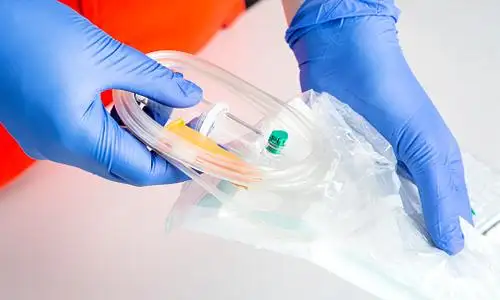
Epidural Anesthesia Kit selection is not only about "having all the parts in one pack," but about ensuring each step of epidural puncture and drug injection into the epidural space can be supported in a controlled, repeatable way. In many hospitals, the real cost of variability shows up as delays, interrupted sterile workflow, extra handoffs, and "missing-item moments" that distract the team from patient monitoring.
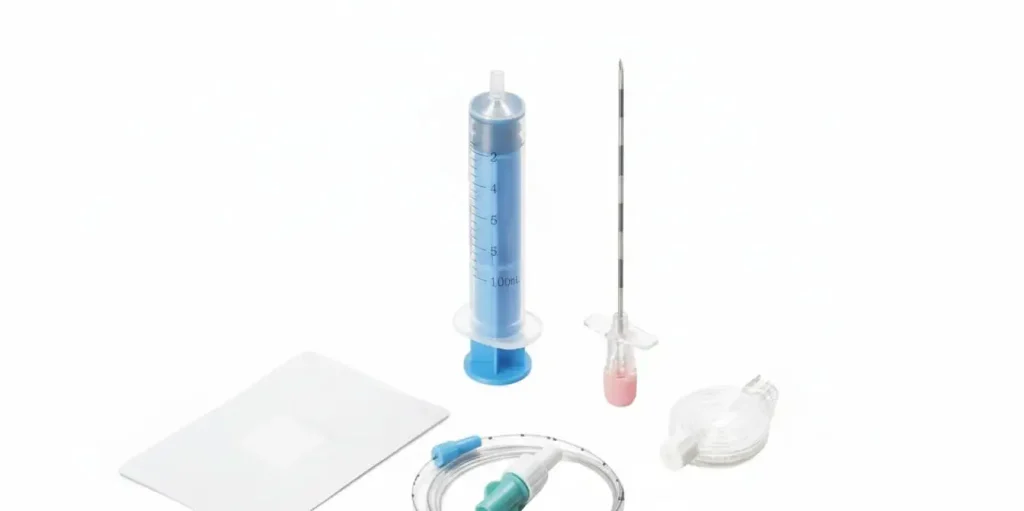
From a buyer's perspective, a good kit is not the one with the longest checklist. It is the one that mirrors the clinical sequence, reduces avoidable variation, and makes line identification and securement easier across different shifts and sites. From Greetmed's manufacturing perspective, that is the purpose of EpiPack: to standardize the essentials so clinicians can focus on technique, documentation, and safety routines—without searching, substituting, or improvising.
What an Epidural Anesthesia Kit Is Designed to Do
An epidural procedure depends on a clean workflow: puncture, epidural space identification, catheter placement, securement, and clear status indication. An Epidural Anesthesia Kit (EpiPack) is built to support that workflow by keeping core components standardized and ready to use in a predictable order.
In daily operation, standardization matters for two groups at once. For clinicians, it builds familiarity with the "feel" of the sequence, because the same items behave the same way each time. For procurement and nursing management, standardization reduces complexity: fewer separate SKUs, easier training, simpler inventory control, and clearer tender comparisons. When the configuration stays consistent, the whole system becomes easier to manage.
A practical way to think about the kit is this: it is a workflow tool disguised as packaging. The goal is not to add more items. The goal is to make the steps more repeatable.
Components 101: What Each Item Contributes in Real Use
A typical Epidural Anesthesia Kit is organized around the tools that match the clinical flow. Below is a buyer-friendly explanation of what each component usually contributes, and why hospitals often choose to keep these items together rather than sourcing them separately.
• Disposable Epidural Anesthesia Needle
Epidural puncture depends on control and repeatability. This disposable needle is designed to provide stable handling and a consistent response during insertion. Single-use packaging supports infection prevention and reduces time spent on cleaning and sterilization. For buyers, the benefit is a more uniform user experience from case to case.
• Loss Of Resistance Syringe
During advancement, this syringe supports the loss-of-resistance method to help confirm the epidural space when resistance changes. In practical terms, consistent syringe performance supports consistent tactile feedback. Procurement teams often underestimate how much "feel" affects confidence, especially when onboarding newer staff.
• Epidural Catheter
After the epidural space is identified, the catheter becomes the pathway for liquid drug delivery into the epidural space. Catheter performance influences placement confidence and ongoing administration. In multi-site standardization, keeping catheter type consistent helps reduce training friction and prevents avoidable substitution.
• Catheter Adaptor
The adaptor supports connection during administration. It may look like a small part, but it prevents workflow interruptions caused by compatibility or connection issues. Buyers often learn this the hard way: when a "small mismatch" turns into an avoidable delay.
• Medicine Filter
A filter adds an extra control point in the delivery path. Many hospitals treat filtration as a practical risk-reduction habit, especially when standardizing anesthesia supplies. The procurement logic is simple: small, consistent safeguards are easier to sustain than complex rules that depend on perfect memory.
• Wound Dressing
Securement is not an afterthought. A dressing supports stabilization and helps reduce accidental catheter movement, which can lead to rework and patient discomfort. For operations teams, including the dressing in the kit reduces the chance that securement becomes a separate scavenger hunt.
• Epidural Indicator
Indicators support visibility and communication. In busy wards, clear identification helps reduce confusion between lines and supports safer handovers. Even when the cost impact is small, the workflow impact can be meaningful.

A Practical Use Flow: From Puncture to Injection
Many readers understand kits best when the process is mapped step-by-step. The overview below is not clinical instruction. It is a workflow explanation that clarifies why each part exists and why kit standardization improves consistency.
First, the team prepares a sterile field and confirms that the Epidural Anesthesia Kit configuration is complete. Next comes puncture using the epidural anesthesia needle. During the approach, the loss of resistance syringe supports epidural space identification. Once the epidural space is reached, the epidural catheter is introduced and positioned.
After catheter placement, the catheter adaptor supports stable connection for administration. Depending on hospital protocol, the medicine filter is used as an added control point in the delivery path. Finally, the wound dressing is applied to stabilize the catheter, and the epidural indicator provides clear labeling for ongoing care, charting, and handover communication.
A kit that mirrors this sequence reduces "missing-item moments." Those moments are costly not only in time, but also in focus. In anesthesia workflows, interruptions often matter because they break rhythm, increase stress, and increase the chance of avoidable mistakes.
Safety Basics Buyers Should Look for Beyond "Complete Set"
When people evaluate an Epidural Anesthesia Kit, the first question is usually: "Does it include everything?" A better question is: "Does it support safer, more consistent practice across shifts and sites?" From a procurement standpoint, safety basics are about predictability, clarity, and reducing reliance on individual memory.
• Sterile, Disposable Philosophy
Disposable components help align with infection control routines and reduce reprocessing variability. For multi-site systems, this also helps reduce differences in local reprocessing quality.
• Workflow Consistency
A standardized kit configuration helps teams build routine. Routine reduces mistakes, especially under time pressure. If staff rotate across departments, a consistent kit reduces relearning.
• Clear Line Identification
An epidural indicator is easy to overlook until the ward gets busy. During transfers, shift swaps, or documentation-heavy periods, clear labeling helps the team identify the line quickly and complete handovers with less uncertainty.
• Securement Readiness
When a dressing is already in the kit, securement can happen right away, reducing early catheter movement and improving patient comfort. That reduces the chance of catheter disturbance during early movement, bedding changes, or routine repositioning.
In real hospital operations, small consistency upgrades create meaningful risk reduction because fewer steps depend on "remembering where the extra part is stored."
How Greetmed Builds Practical Value Into EpiPack
As a manufacturer, Greetmed designs EpiPack around the intended use: epidural puncture and injection of liquid drugs into the epidural space. That focus matters because it keeps the kit aligned with what hospitals actually need for epidural anesthesia workflows, rather than adding unnecessary items that inflate cost or complicate training.
In sourcing discussions, buyers often ask how to measure "practical value." Here are outcomes procurement and clinical leaders can usually observe quickly when the Epidural Anesthesia Kit configuration is designed around real workflow steps:
• Fewer separate SKUs to manage, because core items are consolidated into one kit
• Easier onboarding for new staff, because the component set remains consistent
• Cleaner internal standardization, because contents match a repeatable flow
• Less operational friction, because preparation is faster and more predictable
• More stable tender comparisons, because configuration differences are clearer
When a kit is built around the sequence of use, the advantage is not theoretical. It translates into a calmer setup, fewer interruptions, and a cleaner process that is easier to repeat.
How to Source the Right Epidural Anesthesia Kit for Your Site
If you are evaluating an Epidural Anesthesia Kit for routine anesthesia supply, tender bidding, or multi-site standardization, the fastest path is to define "intended use + workflow consistency goals," then match configuration to that reality.
• Share your target procedure setting (OR, labor and delivery, pain management, or mixed use)
• Tell us your preferred kit configuration and any hospital protocol requirements
• We will recommend a suitable EpiPack configuration based on intended use and consistency goals
Contact Greetmed to request the EpiPack specification, packaging details, and a sourcing pathway that supports stable supply and straightforward staff adoption.
Submit Your Request
Recent Posts

Tags
- Adult Diapers
- Are custom medical devices safe
- Baby Diapers
- Can respiratory anesthesia be used
- Digital Healthcare
- Do you offer customized consumables
- European Market
- How do you take care of a skin wound
- Industry Trends
- Lady Sanitary Napkins
- Medical Devices
- OEM Medical Devices
- Product Introductions
- Protective Equipment
- Under Pads
- What are custom-made medical devices
- What are diagnostic products
- What are hospital dressing products
- What are medical tube catheters
- What are some common protective equipment
- What are the appropriate applications for hospital dressing products
- What are the appropriate uses for protective equipment
- What is a gynecological examination
- What is a medical consumable
- What is an anesthesia kit
- What is an OEM in medical devices
- what is an wound skin care
- what is can disposable ultrasonic diagnostic
- What is good manufacturing medical devices
- What is hospital-grade protective equipment
- what is medical equipments hospital furniture
- What is medical sterilization wrapping
- What is rehabilitation equipment device
- What medical consumables do you supply
- Where can I find laboratory consumables wholesale
- where can I find medical protection device
- where to buy hypodermic accessories
- where to buy medical apparel
- where to buy medical consumable accessories
- where to find OEM medical device supplier
- where to find rehabilitation equipment supplier
