



Choosing Hypocutaneous Injection Equipment for Safe and Accurate Injections


It isn't just about getting a sharp needle and a clear syringe when it comes to giving a subcutaneous injection. Barrel graduation and needle size and plunger motion may vary slightly, which can impact dosing accuracy and usability.
This information is particularly useful for patients who need multiple injections or when small doses of drugs are given.
For Hypocutaneous Injection Equipment, therefore, the syringe, needle, connection and safety features should all be evaluated as a delivery system.
Knowing those components can help decrease mismatches in the purchase process and aid in consistent injections for hospitals, clinics and medical distributors.
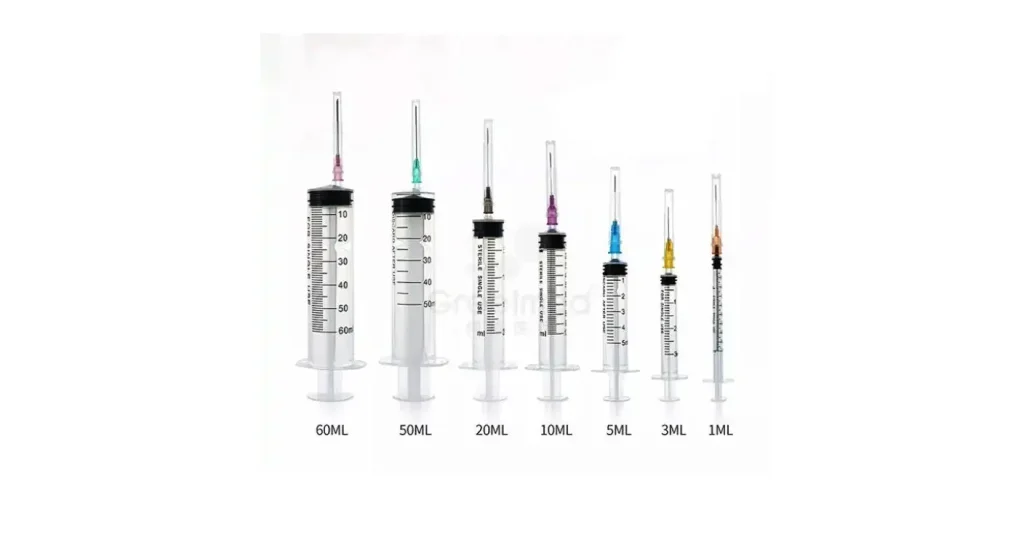
Hypocutaneous Injection Equipment: What is it?
Hypocutaneous Injection Equipment is equipment that is used to administer a medicine under the skin. It is more frequently referred to as a "under the skin" injection.
Items may consist of sterile syringes, hypodermic needles, insulin syringes, pen needles and safety engineered injection devices.
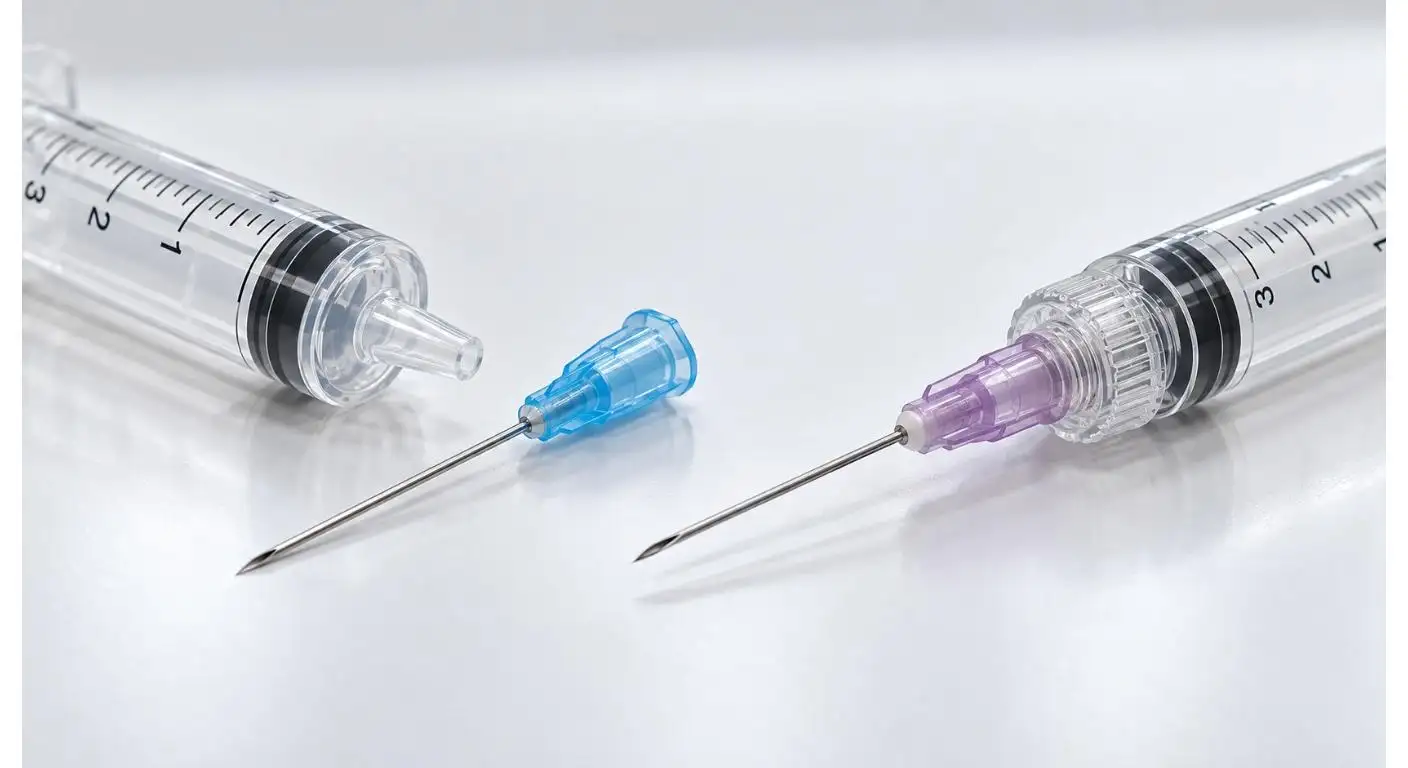
The syringe regulates the amount of medication and the needle is the conduit through which it is injected into the area.
Greetmed's Disposable Syringe collection features transparent polypropylene barrels, graduated scales and luer connection options to meet varying needs for injections.
But not all syringe/needle combinations can be used for all subcutaneous medications. Selection of the device should take into account the drug and the dose needed, patient factors and instructions for use.
Begin With the Medication and Dose
When choosing equipment for injections it is best to start with the medication that is being used, not the widest range of injection equipment available.
Graduation markings should be used for small quantity medication delivery, according to a prescribed dose.
While a large capacity syringe might work well for general use, it may not be the best choice for accurately measuring very small doses of fluid.
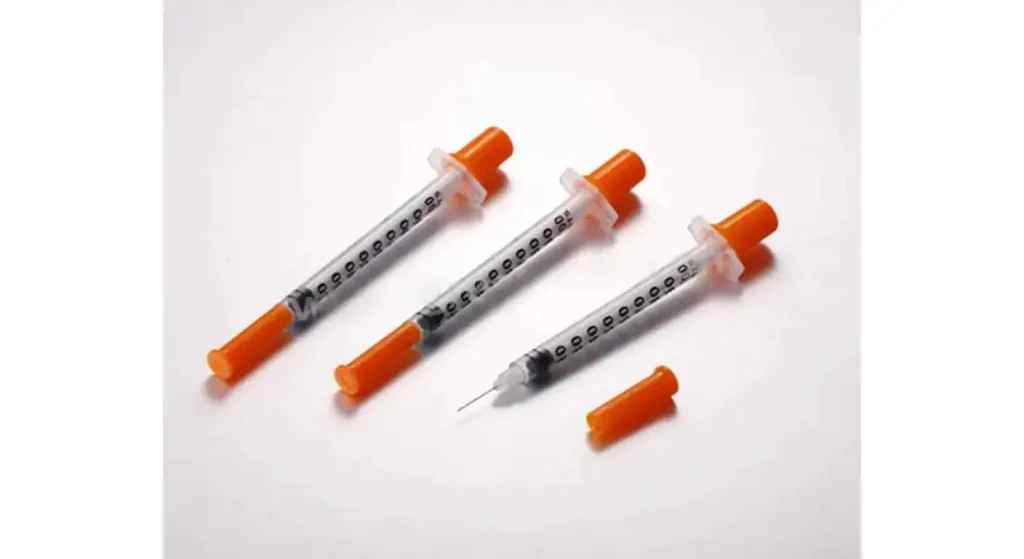
A further complication is the manner of insulin delivery, which could be by a syringe that is calibrated in units, not milliliters.
Greetmed's U-100 Insulin Syringe is used for insulin of 100 Units/mL concentration, and comes in a variety of barrel capacities.
The concentration/calibration should match the medication prescribed. U-100 should not be seen as a universal ‘graduation’ for all injectable medications.
When procurement teams compare syringe capacity they also need to see the measurement unit.When procurement teams compare syringe capacity, it is just as important to observe the measurement unit.
Needle Gauge and Needle Length – Both are important!
Needle size and length have an impact on the performance of an injection device.
The higher the gauge number the smaller the outside needle diameter. Generally, subcutaneous applications are done with fine-gauge needles, depending on the characteristics of the medication and the requirements for the device.
Needle length can be used to decide on whether or not medication can be given into the desired tissue layer.
A needle that is too long could increase the risk of intramuscular delivery, and a needle that is not the right one could result in failure to deliver the drug.
The final selection should be determined by patient anatomy, injection site and clinical advice.
Greetmed's Disposable Insulin Pen Needle range has been manufactured of fine stainless-steel, and is designed for use in insulin pen applications.
Always check specifications of needle against medication delivery device and manufacturer's directions.
Quality of Syringe Barrel, Plunger and Connection.
The syringe may appear simple but there are a number of key performance differences.
Transparent barrels enable inspection of the medicine and easy-to-read graduation markings aid dose measurement.
The plunger should not have any sudden sticking points or resistance. If the plunger does not work properly, it may be harder to deliver the baby.
It is not to be neglected that connection design should be taken into account.
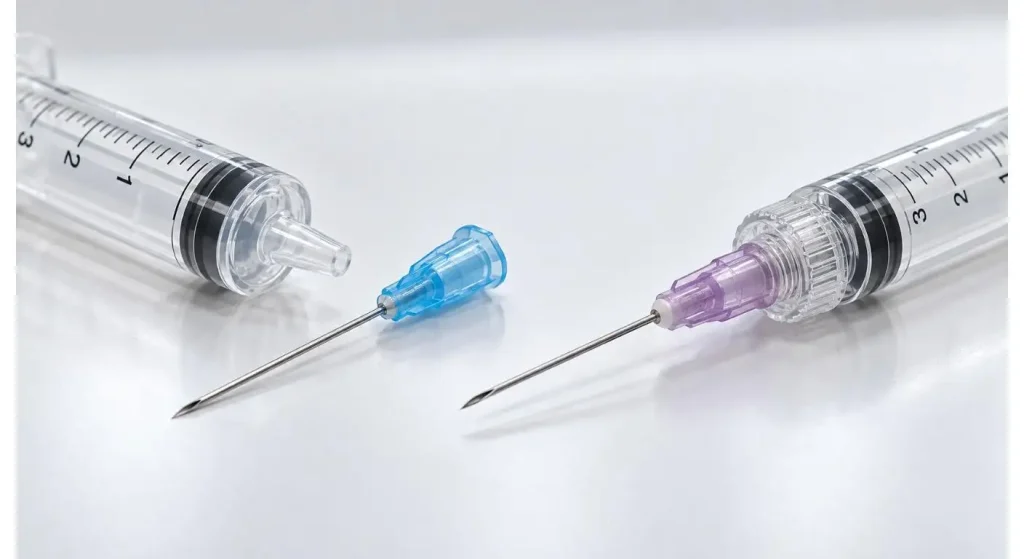
Luer slip connections are "push fit" and luer lock connections offer the added security of a locking connection when compatible components are used.
Both possibilities should not be regarded as 'one size fits all' solutions for all clinical applications.
Buyers are advised to confirm the connection compatibility, leakage performance and graduation accuracy and plunger movement according to the product specifications.
Needlestick Prevention and Single-Use Safety
Hypocutaneous injection equipment usually comes as sterile, disposable medical equipment.
The use of a disposable syringe or needle (even after changing the needle) can bring contamination and infection hazards.
Some safety engineered syringes might have features that prevent re-use or prevent users from being exposed to sharp objects.
Greetmed's Safety Clip Syringe comes with a safety feature designed to prevent re-use post activation.
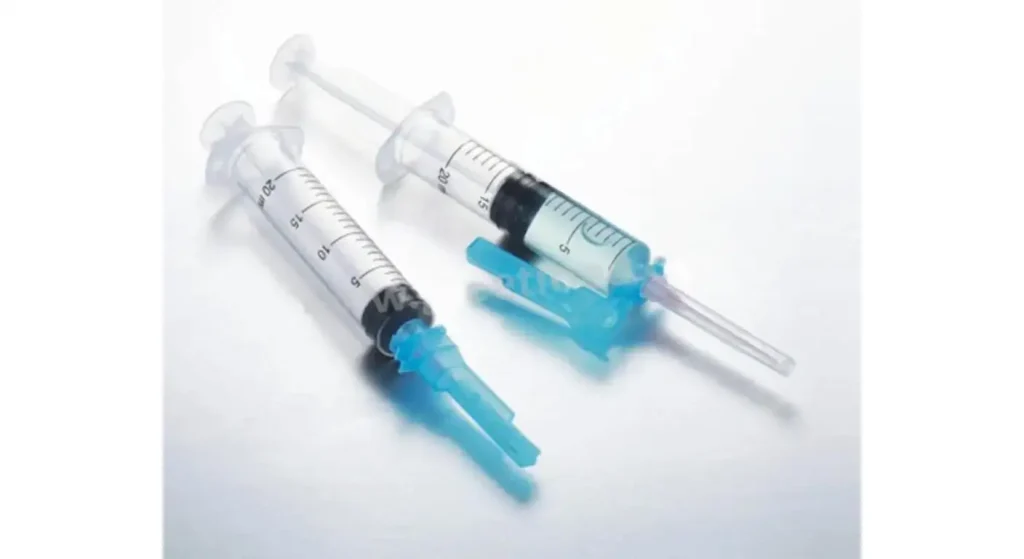
An anti-reuse mechanism and a needlestick-protection mechanism however are NOT the same feature. It is advisable for the buyer to realize exactly how each design works.
The ease of operating, reliable locking and integration with routine clinical procedures of safety devices should also be evaluated.
Any used needles or syringes should be disposed of at the time of use in the appropriate sharps containers in line with local procedures.
Evaluate the product by testing its performance.
An injection device's attractive packaging and clarity of barrel does not mean that it meets technical requirements.
Volume accuracy, plunger leakage, sharpness of needle, security and integrity of connection are critical areas of performance.
Purchasers can also inspect the dimensional consistency, tip finish applicable penetration force testing of needles.
Test records and acceptance criteria should be provided as part of a supplier's product description.
| Verification Item | What to Confirm | Evidence to Request |
| Volume accuracy | Dose measurement performance | Graduation accuracy test |
| Plunger function | Smooth movement and sealing | Plunger performance report |
| Needle dimensions | Gauge and length consistency | Dimensional inspection |
| Needle tip | Surface and point quality | Tip inspection record |
| Connection security | Leakage and fit | Connector test report |
| Safety mechanism | Reliable activation | Functional test results |
Specific verification requirements vary for the syringe and needle design, use and standards.
Wrapping and Tracing in a Sterile Environment.
Sterile packaging is used to prevent contamination of injection devices prior to use.
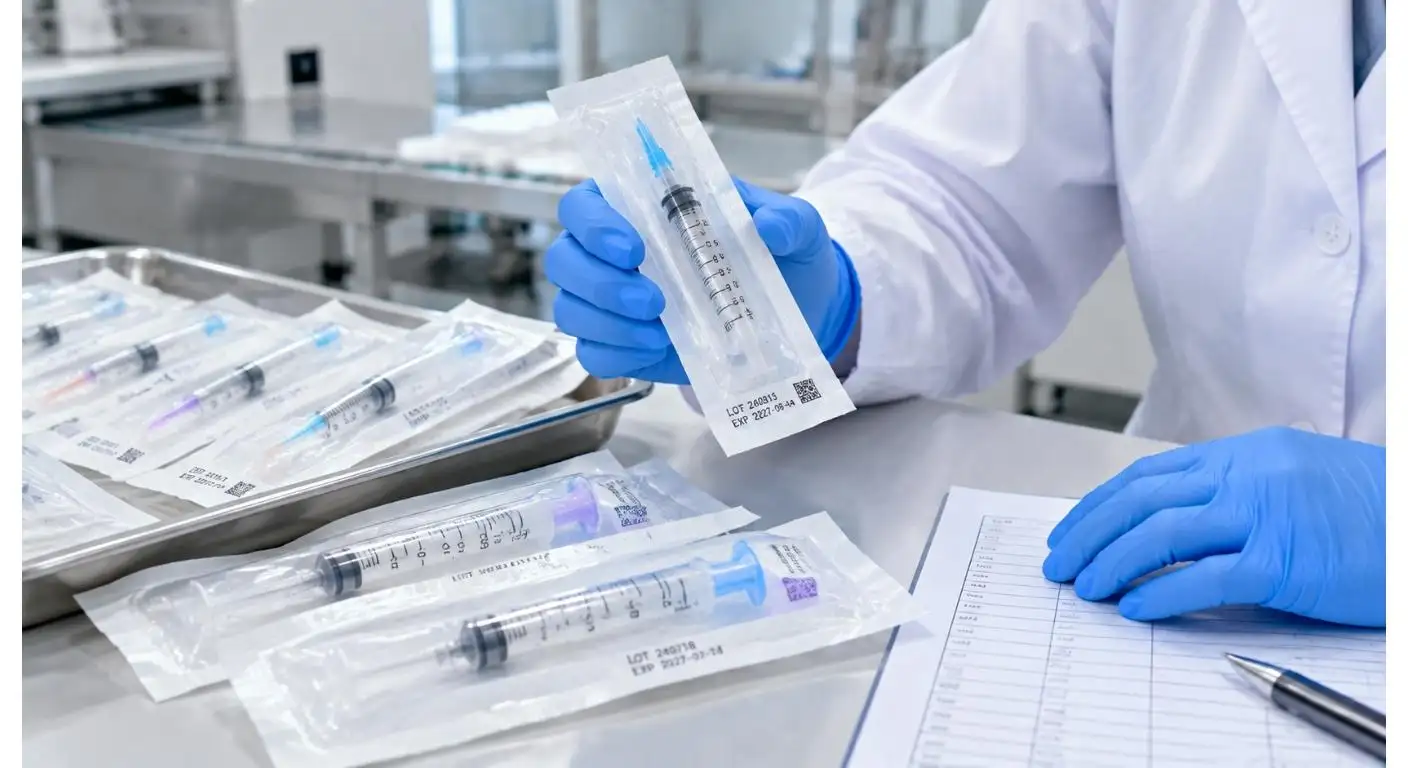
Before accepting products for clinical use, hospitals should check the integrity of the packaging, the expiration date, as well as the information on the labelling and sterility.
Packaging should also facilitate identification of the capacity of syringe as well as specification of the needle and its single use.
When medical distributors receive quality complaints and/or product recall, the batch numbers and traceability are significant.
Buyers must ask for the product specification and instructions for use, sterility documentation and market regulation information.
Individual product certifications/compliance claims must be verified for the specific model, as opposed to relying on supplier's general catalog.
Match Equipment with various Care Settings
The injection requirements differ from ward to ward in the hospital, outpatient clinics and home-based therapy.
Hospitals can focus on standard syringe designs and safety features that are conducive to mass use.
Very small gauge needles or small volume syringe or insulin pen needles may be required for diabetes care.
Community health programs might consider single-use designs that can be relied on, convenient packaging for distribution and labeling.
For those using home-care, there are devices that can be easily identified, understood, and appropriately prescribed to help them at home.
Instead of considering all injection devices as interchangeable, the purchasing specification should take into account the actual application.
Before ordering in bulk, review samples to ensure they meet the company's quality standards.
Sample testing will allow the procurement team to spot any usability issues and inconsistencies prior to larger orders.

Using appropriate non-clinical evaluation techniques, healthcare professionals can evaluate barrel readability, plunger movement, connector fit and safety-device functionality.
The quality teams should compare with technical specifications and technical test documentations.
| Evaluation Stage | Responsible Team | Main Assessment |
| Sample identification | Procurement | Model and specifications |
| Dose readability | Clinical users | Graduation visibility |
| Functional assessment | Clinical users | Plunger and connector handling |
| Safety assessment | Infection prevention team | Safety mechanism and disposal |
| Documentation review | Quality assurance | Sterility and traceability |
| Supplier approval | Procurement and quality | Consistency and acceptance |
In the case of repeat purchasing, ensure that the materials, size, packaging and product identification are the same.
The supplier should also inform of design or material changes which may impact approved device performance.
Conclusion
Reliable Hypocutaneous Injection Equipment relies on the proper syringe size, needle size, fit and safety design.
The lowest priced device or the syringe offering the greatest size range may not be the best choice.
Before buying any equipment, hospitals and medical distributors should ensure they are compatible with the specific medication to be used and the clinical environment and confirm performance, sterility and supplier reliability.
FAQs
Q1. Which of the following would you need to make a subcutaneous injection?
This will vary by medication and method of delivery. Typically contains an appropriate sterile syringe and needle along with an insulin syringe or an insulin pen needle.
Q2. Does a smaller needle always mean it's going to be better for subcutaneous injection?
No. Medication characteristics, patient needs and device instructions will dictate the type of needle to use. An improper needle can have an impact on medication delivery.
Q3. Is there a syringe that can be used in place of an insulin syringe?
They cannot be used interchangeably. A syringe is a unit marking device that varies according to the concentration of the insulin that is used, thus, the compatibility of the device and medication must be checked.
Q4. Are all safety syringes able to prevent needlestick injuries?
No. If the needle is not protected by some shielding mechanism, then some of the mechanisms will prevent reuse. The buyer is required to verify the particular safety function.
Q5. What is the buyers' homework?
Verify capacity, needle size, connection compatibility, sterile packaging, documentation of performance and regulatory requirements.
Submit Your Request
Recent Posts

Tags
- Adult Diapers
- Are custom medical devices safe
- Baby Diapers
- Can respiratory anesthesia be used
- Digital Healthcare
- Do you offer customized consumables
- European Market
- How do you take care of a skin wound
- Industry Trends
- Lady Sanitary Napkins
- Medical Devices
- OEM Medical Devices
- Product Introductions
- Protective Equipment
- Under Pads
- What are custom-made medical devices
- What are diagnostic products
- What are hospital dressing products
- What are medical tube catheters
- What are some common protective equipment
- What are the appropriate applications for hospital dressing products
- What are the appropriate uses for protective equipment
- What is a gynecological examination
- What is a medical consumable
- What is an anesthesia kit
- What is an OEM in medical devices
- what is an wound skin care
- what is can disposable ultrasonic diagnostic
- What is good manufacturing medical devices
- What is hospital-grade protective equipment
- what is medical equipments hospital furniture
- What is medical sterilization wrapping
- What is rehabilitation equipment device
- What medical consumables do you supply
- Where can I find laboratory consumables wholesale
- where can I find medical protection device
- where to buy hypodermic accessories
- where to buy medical apparel
- where to buy medical consumable accessories
- where to find OEM medical device supplier
- where to find rehabilitation equipment supplier
