



Choosing a Reusable Laryngeal Mask for Reliable Hospital Airway Management


The Reusable Laryngeal Mask may seem cost effective when compared to a disposable airway device. But its true worth lies in its ability to perform well during repeated applications of cleaning, sterilization and clinical use.
If the mask leaks around the cuff, the tubing becomes damaged or the material deteriorates, the mask might need to be replaced before the stated number of times it can be reused.
To the anaesthetist and purchasing departments within the hospital, choosing a reusable device is not just a question of performance in the first use of the airway, but also its durability over time.
The most important question to ask when it comes to buying a mask isn't just how many times can it be used; it's how safety and performance are sustained over a mask's approved service life.
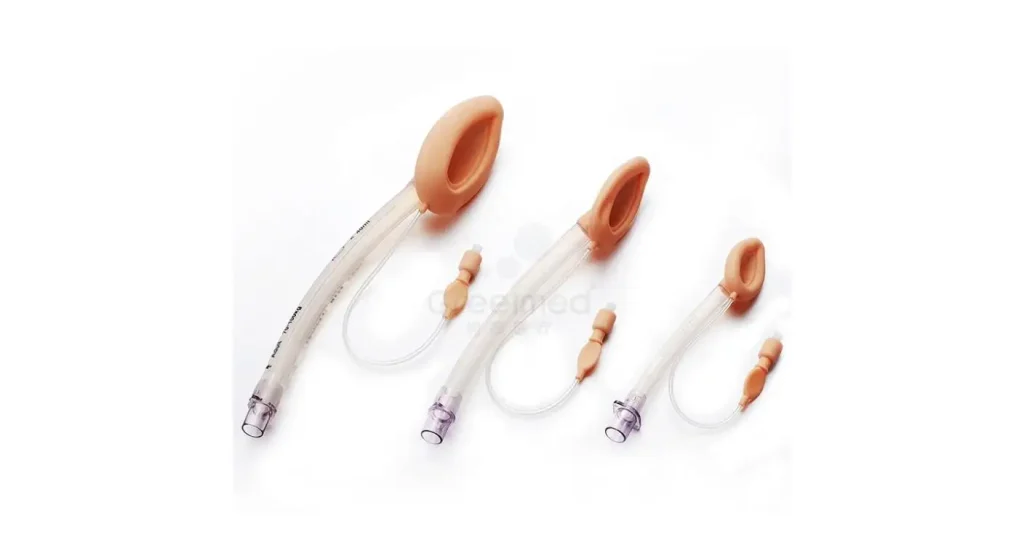
What is Reusable Laryngeal Mask?
A Reusable Laryngeal Mask is an airway device which can be used to provide ventilation during suitably chosen anaesthetic procedures.
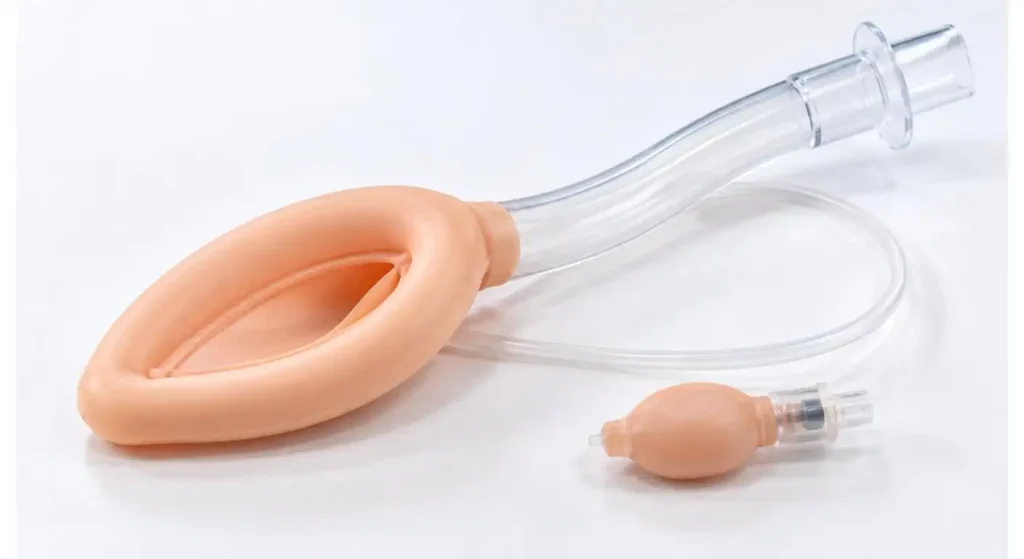
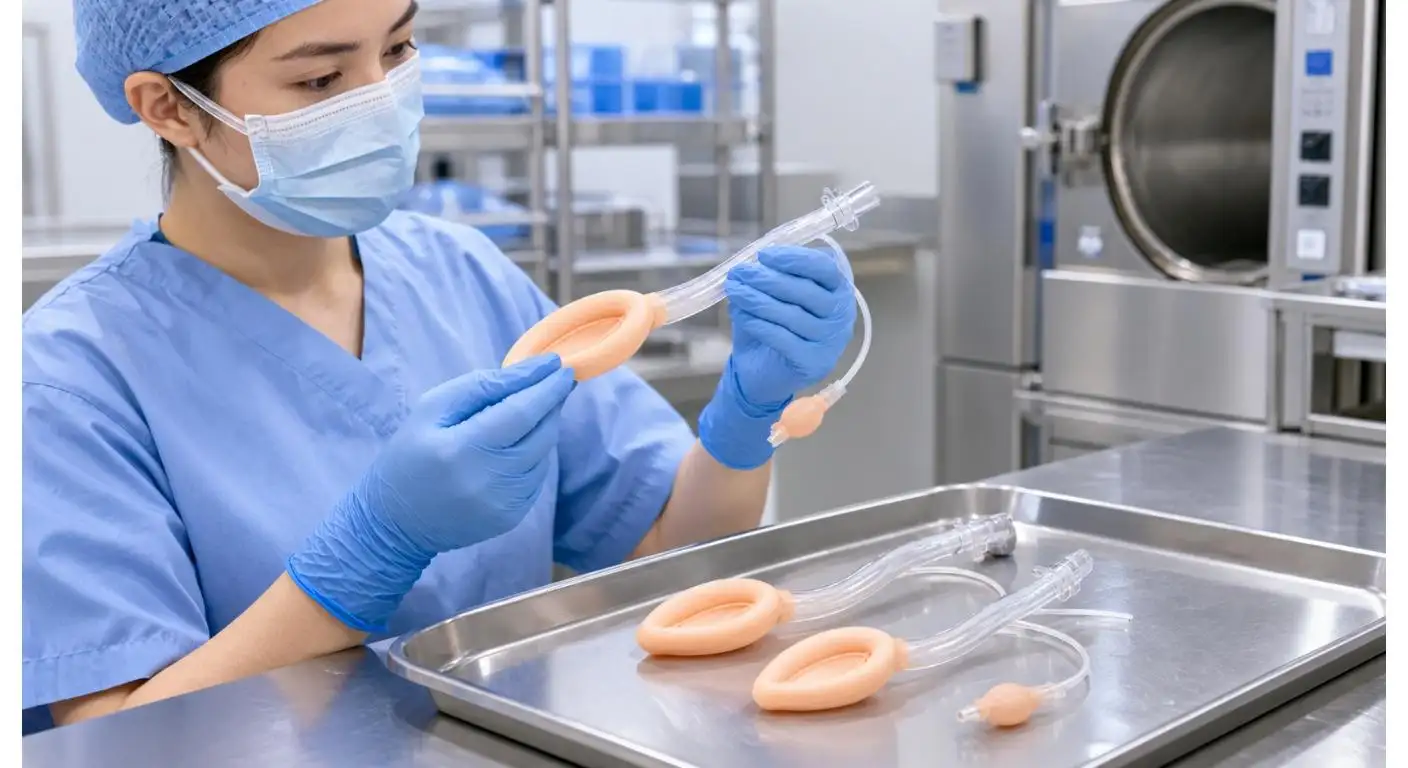
It usually consists of an air tube (with a curve) to carry the air, an inflatable cuff to seal the airway, an air inflation line, a pilot balloon and a connector to attach to the breathing circuit.
If correctly placed, the cuff will create a seal around the laryngeal inlet without going into the wind pipe.
Unlike the disposable laryngeal masks, reusable ones can be used more than once after manufacturer validated cleaning and reprocessing.
Greetmed's Reusable Silicone Laryngeal Mask is made of silicone, and has a variety of sizes according to different patient groups.
It requires proper size selection, evaluation of clinical factors, and ensuring that it will continue to perform well following reprocessing.
The importance of the quality of silicone materials.
Reusable laryngeal masks are often made with medical grade silicone as it is flexible and easily withstands appropriately validated sterilisation processes.
A flexible airway tube can aid positioning and the compliant cuff helps to conform to the surrounding airway anatomy.
But silicone composition does not mean that they are going to last long term.
The properties of the material may change due to repeated exposure to heat, moisture, cleaning chemicals and mechanical handling.
Purchasers are encouraged to consider the following: Does the manufacturer test for cuff elasticity? Does the manufacturer test for tube flexibility? Does the manufacturer test for surface integrity and functional durability following repeated reprocessing?
Cracks, discoloration, tackiness or permanent deformation may be an indicator of deterioration which needs further evaluation or disposal.
In addition to enhancing sealing performance, it also ensures the seals remain effective over repeated use.
One of the most critical parts to a reusable laryngeal mask is the inflatable cuff.
It should have a good seal around the airway without applying excessive pressure on neighbouring tissues.
The integrity of the cuff can be altered over time, as the material can deteriorate, or because it may have been damaged by inflation or frequent handling.
Trained staff should carry out the inspection and functional tests as set out in the manufacturer's instructions before use every time.
These include watching the cuff inflating and deflating, checking for cuff leakage and inspecting the inflation line and pilot balloon.
If the mask is not able to hold the necessary cuff function, it should not be put back into use.
Greetmed Medical Laryngeal Mask Equipment guide also points out that material selection and sealing performance are important aspects of the evaluation of airway equipment.
When the useful life of a product is determined by re-processing, the total number of re-processing cycles is specified.
Reusability does not imply unlimited number of sterilization cycles are possible for a laryngeal mask.
Each model has a manufacturer prescribed recycling method and a relevant end of service-life limit.
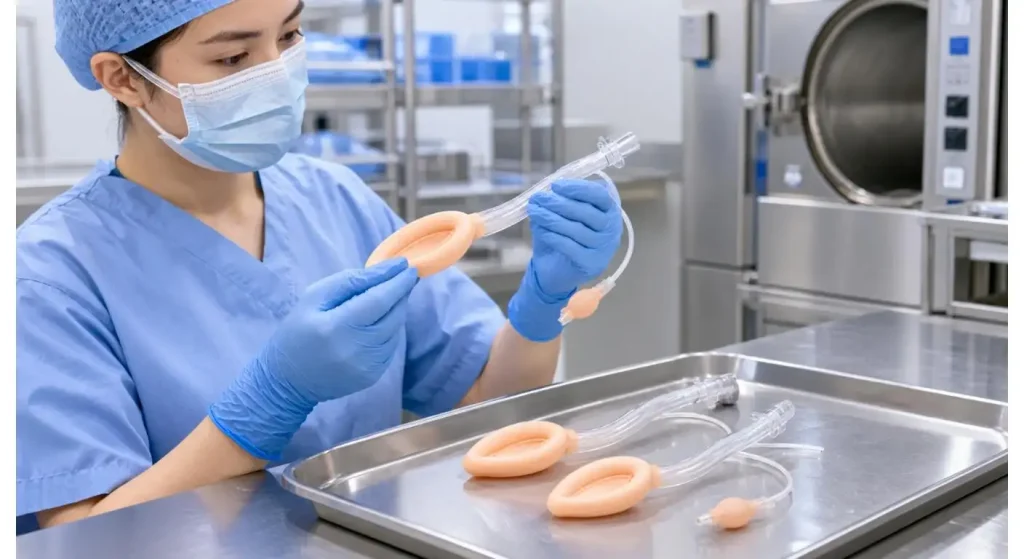
This generally consists of cleaning, inspection and an approved sterilization cycle prior to re-use.
Specific detergent and cleaning method, sterilizing temperature, time of exposure and drying must be according to the validated instructions for that model.
The GT029-710 is said to be "sterilisable up to 121°C by steam sterilisation" (see product catalogue from Greetmed). However, hospital should verify the current directions and if these are applicable to the version provided.
Cleaning and steam sterilizing should not be used interchangeably. If there is any contamination that has been left behind, it must be dealt with appropriately before undergoing the sterilization process.
A safe reprocessing workflow, with proper documentation, is thus an important key to safe reuse.
How Long is too Long for a Reusable Laryngeal Mask?
A mask should not be used in service because the number of uses the mask has recorded is less than the number that the manufacturer has stated.
Depending on the cleaning practice, the handling and clinical conditions, damage can manifest at an earlier time.
Possible rejection criteria are deformations of the tubes, surface cracks, damaged inflation parts or cuff leaks.
The device must also be retired from service at the maximum number of uses approved.
There needs to be a standardized inspection and retirement program, consistent with the manufacturer's directions, in the hospital.
| Inspection Item | Warning Sign | Required Action |
| Inflatable cuff | Leakage or visible damage | Remove from service |
| Airway tube | Cracks or deformation | Reject device |
| Inflation line | Disconnection or leakage | Remove from service |
| Pilot balloon | Abnormal inflation response | Investigate and reject if failed |
| Connector | Loose or damaged fitting | Reject device |
| Reuse record | Validated limit reached | Retire device |
This is one way of preventing damaged devices going back to the operating room.
A Choice between Reusable and Disposable Laryngeal Masks
The laryngeal mask airway comes in two types, which can be reusable or disposable and have the same general application to airway management, but different operating requirements.
Validated reprocessing and appropriate sterilization equipment, tracking and quality control are necessary for reusable devices.
Disposable alternatives mean that there will be no reprocessing involved for that specific device but will incur replacement and disposal expenses each time the device is used.
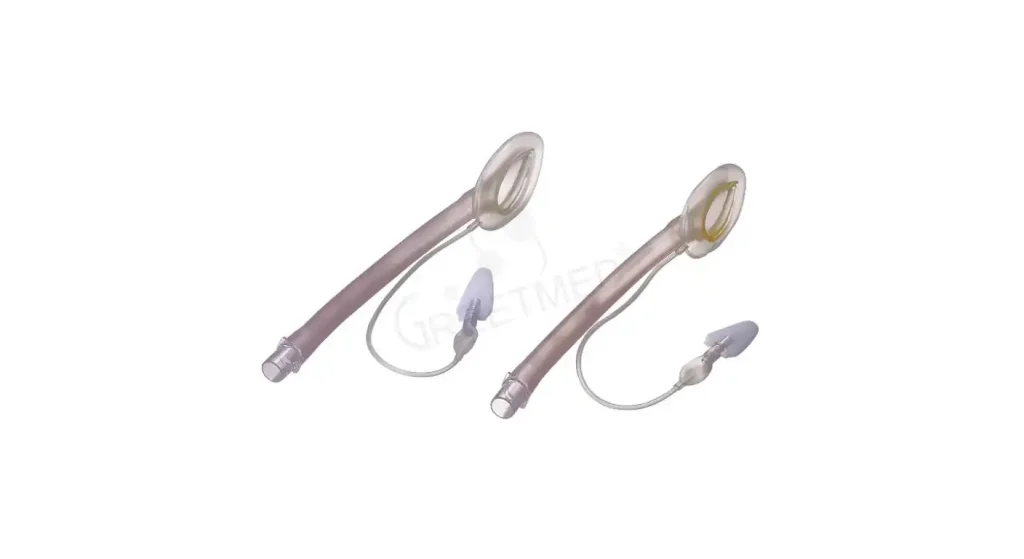
Greetmed also has Disposable PVC Laryngeal Mask (LMA) which is used only once.
The selection will be based on procedure volume, hospital infrastructure, hospital infection prevention policies and product costs.
If a sterile processing system is already in place, using reusable devices could be cost saving for a facility. If reprocessing facilities are not available, then one may need to consider using disposables.
Determine True Cost per Use
The price of a product should not be the only measure of the value of a reusable product.
The true cost is to include the acquisition, cleaning supplies, sterilization processing, labour, inspection, tracking replacement.
A good rule of thumb when calculating for procurement planning is:
Estimated Cost per Use = (Purchase Cost + Total Reprocessing Costs) / (Actual Completed Uses)
The number of uses expected should not necessarily be the number of uses specified by the manufacturer as the maximum reuse.
Actual service life may be reduced due to early damage, failures during inspections and lost devices.
In the hospital, a realistic reuse scenario should be compared to operating costs, instead of an ideal scenario.
A reusable mask is an economically appealing option only if it meets the hospital's needs in terms of costs and effectiveness.
Check Suppliers Specs and Quality Docs
A reusable laryngeal mask should be technically well documented before its purchase in the hospital.
Valuable data includes material specifications, sizes available, cuff design, connection dimensions, reprocessing instructions that have been validated and maximum number of reprocessing.
Documentation also should include applicable regulatory requirements, traceability and packaging.
Greetmed's Respiratory & Anesthesia product range features reusable and disposable airway products for hospital procurement.
Safety and reliability in repeat supply, product identification and consistency in size are essential for distributors.
When assessing claims of durability of the sterilization process, it is important to rely on product-specific validation and not on a description of the silicone material.
Carry out a "Reprocessing and Usability Trial"
To help hospitals decide if a reusable laryngeal mask is right for their clinical and sterile processing processes, the small product evaluation will support their decision.
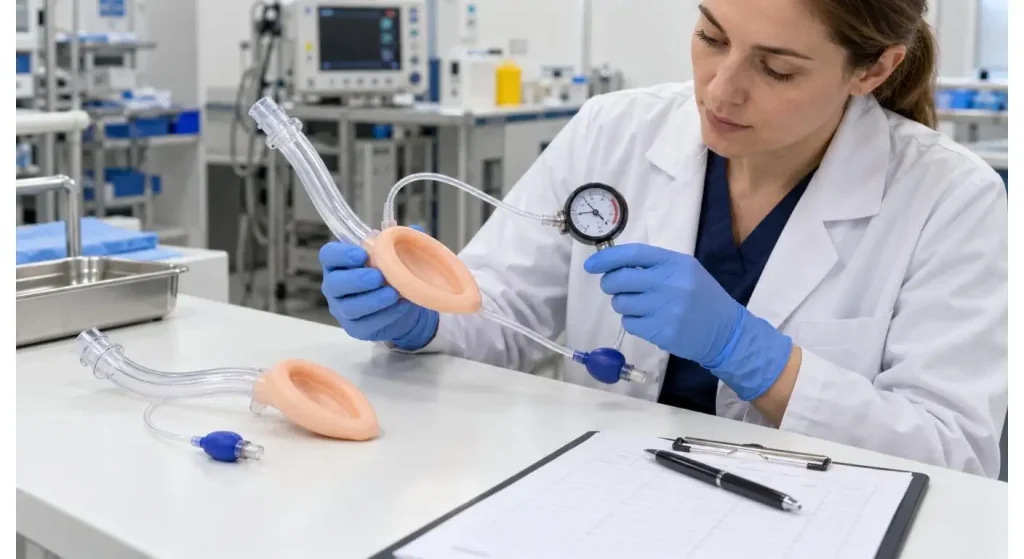
It is imperative that professionals in the anesthesia field evaluate how anesthesia devices are handled, the functioning of the cuff, and the fit of the connector through appropriate means of simulation.
Accessibility for cleaning, drying, inspection and compatibility with the validated SOP for sterilisation should be considered by the sterile processing team.
| Evaluation Stage | Responsible Team | Main Assessment |
| Initial inspection | Anesthesia department | Size and cuff function |
| Cleaning assessment | CSSD | Cleaning accessibility |
| Sterilization review | CSSD | Validated cycle compatibility |
| Functional recheck | Anesthesia team | Seal and tube integrity |
| Cost review | Procurement | Actual cost per use |
| Final approval | Quality team | Documentation and acceptance |
Record material modifications and/or functional failures that are found during the approved evaluation.
When making a final purchasing decision, consider clinical appropriateness, reprocessing capabilities, evidence of service life and projected operating costs.
Conclusion
A good reusable laryngeal mask should provide adequate airway function without loss of function during its recommended period of use.
Product selection is dependent upon silicone quality, cuff sealing, reprocessing validation and inspection.
For the hospitals and medical distributors, the most economical value of a device is one that has a documented performance, service life and total operating cost that corresponds to actual clinical needs.
FAQs
Q1. What is the number of reusable Laryngeal Mask?
Will vary with model and instructions that have been verified. Greetmed's catalogue lists up to 40 applications of GT029-710, although this needs to be verified in the current product documentation.
Q2. Are there any reusable silicone laryngeal masks suitable for steam sterilisation?
Steam sterilisable models are available. The exact temperature, cycle and preparation process should be performed following manufacturer's validated instructions.
Q3. What are the clues that will alert users to a damaged laryngeal mask?
Look for cuff leakage, cracks, deformation and damaged parts on the inflation system. Any device which the manufacturer has determined by inspection to be unfit for service should be removed from service.
Q4. Do re-useable laryngeal masks always cost less than disposable laryngeal masks?
No, actual savings will vary based on purchase prices, reprocessing prices, and completed uses and early replacement rates.
Q5. What should the buyers verify before ordering?
Confirm device sizes, material specifications, sealing performance, maximum number of reuses and reprocessing instructions and applicable quality documentation.
Submit Your Request
Recent Posts

Tags
- Adult Diapers
- Are custom medical devices safe
- Baby Diapers
- Can respiratory anesthesia be used
- Digital Healthcare
- Do you offer customized consumables
- European Market
- How do you take care of a skin wound
- Industry Trends
- Lady Sanitary Napkins
- Medical Devices
- OEM Medical Devices
- Product Introductions
- Protective Equipment
- Under Pads
- What are custom-made medical devices
- What are diagnostic products
- What are hospital dressing products
- What are medical tube catheters
- What are some common protective equipment
- What are the appropriate applications for hospital dressing products
- What are the appropriate uses for protective equipment
- What is a gynecological examination
- What is a medical consumable
- What is an anesthesia kit
- What is an OEM in medical devices
- what is an wound skin care
- what is can disposable ultrasonic diagnostic
- What is good manufacturing medical devices
- What is hospital-grade protective equipment
- what is medical equipments hospital furniture
- What is medical sterilization wrapping
- What is rehabilitation equipment device
- What medical consumables do you supply
- Where can I find laboratory consumables wholesale
- where can I find medical protection device
- where to buy hypodermic accessories
- where to buy medical apparel
- where to buy medical consumable accessories
- where to find OEM medical device supplier
- where to find rehabilitation equipment supplier
