



Breathable Catheter Cover: Assess Wearing Comfort Alongside Daily Care


A breathable catheter cover should fit into the daily catheter care without creating the protected area to be more troublesome. In the sample room, a material might feel soft but under clothing, when it's in motion, or when staff have to access it for an assessment, it might not feel that way.
The useful question for the hospital purchaser, nursing product evaluators and medical distributors is how the cover will perform during the wearing time. Discuss its purpose, how it handles, how much moisture it will absorb and how it will fit together. Breathability is an important characteristic but it is just one element when choosing a product appropriate for the facility's care routine.

Describe what the cover is going to safeguard.
Catheter cover may refer to external protection, sleeves or to products that are related to site coverage. Start by thinking about the purpose for which the proposed model was intended rather than thinking that the keyword must refer to one universal design.
Greetmed's central line protective cover overview is a protective product with multiple protective layers and emphasis on fit and comfort. Ensure that they are aware of the intended use of the version offered and what it includes.
Determine the relationship of the catheter dressing and securement system. Don't think that a protective cover takes the place of either. Otherwise, it should be considered as an extra product in the on-going care system by the clinical team, according to the specific labeling.
Have a discussion about what breathability means in the finished product.
Breathability can be defined as air permeability, moisture vapour transmission or as wearing comfort in general. They are not completely the same properties. Inquire with the supplier about which attribute substantiates the claim and about the information being used in regard to the entire cover or just one layer of material.
Depending on the fabric, a layered construction may react differently than an isolated fabric sample. The moisture properties of a final product may be affected by film, seams, closures and overlaps.
As part of comparing, ask for the test method, conditions, units, and how the sample was built to get the reported results. Don't set an arbitrary numerical limit or state that all patients have dry skin when they are breathing through a material. Do not evaluate based on the adjective alone, but rather use the evidence to make the evaluation.
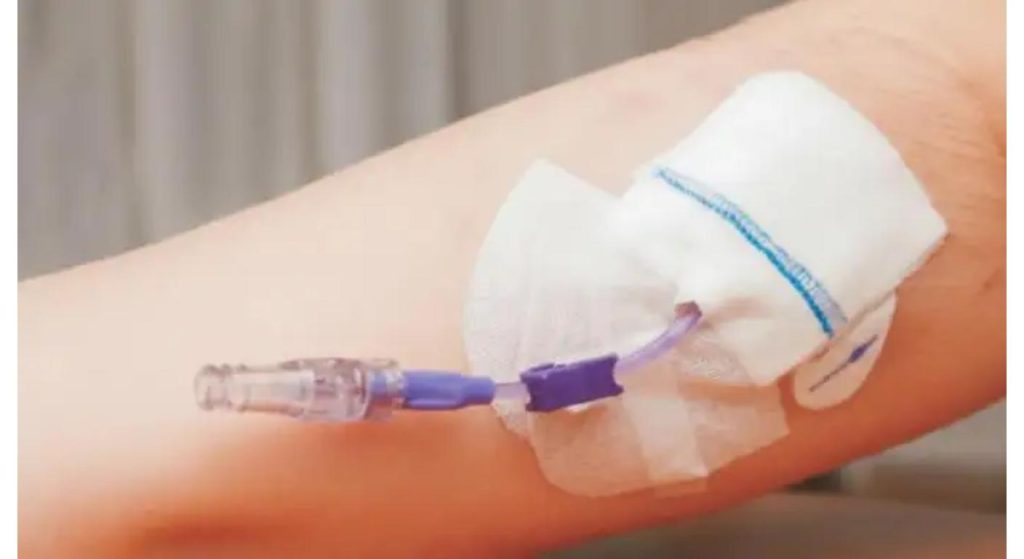
Match Interior and Exterior Shapes of Coverage to Intended Arrangement
The cover should be such that it fits the area that the clinical team decided upon, but does not add to the bulk or interfere with the line. Measure, size and position the space and objects within the proposed layout.
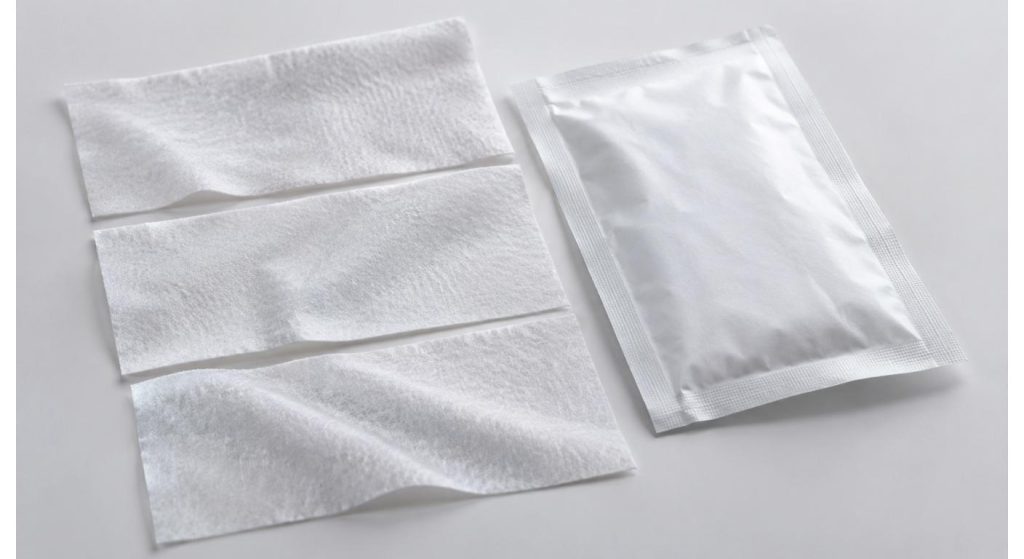
According to published information on the website, there are two sizes of covers that can be found in the greetmed collection. Overall dimensions are important, but because of their varying proportions, shape comparisons are important, too; one format is not necessarily better than another.
Check if the measurements listed are for entire product or effective coverage. Examine the sample (according to the appropriate instructions) in the accepted manner and with the desired dressing and external parts. Size selection should not be done just because it is the bigger one or it looks like a catalogue photo it is not.
| Published Model | Listed Dimensions | Format |
| GT214-20-01 | 8 cm × 7.5 cm | Near-square |
| GT214-20-02 | 16 cm × 5 cm | Elongated rectangular |
Assess Movement and Removal as a part of Comfort
Comfort means what happens when the patient changes position and changes hands when “covered” by staff. If a product is being evaluated as part of an approved evaluation, clinical reviewers can determine if the product rubs, bunches, moves around or interferes with routine care or clothing.
Check edges, joins and closures as well as skin contact areas, as per the design of the product. Request information about the skin compatibility of the material, and any evidence to support skin compatibility claims. Softness is an insufficient criteria for sensitive skin or for being non-irritating.
Removal is another issue to consider. Handling should be avoided in the areas of the dressing or pulling the external tubing. Avoid developing a method to attach to reduce fit, as this is not a suitable way to make up a design: if the instructions do not make it clear how it is supposed to attach to the catheter, it is best to seek clarification.

Ensure Routine Inspection is available.
Never let the staff or patients miss the under-dressing or catheter area because of a cover. Determine the method of performing the necessary assessment in the facility's protocol and deal with the cover when an assessment is required.
CDC recommends changing the catheter site dressing when it is wet, loose or soiled. These problems should not be masked by an external cover or not have proper treatment because of it.
When considering the products available in Greetmed's range of products for wounds and skin care, always keep in mind the difference between protection and the dressing that you choose for the wound. Unless a transparent dressing covers an opaque cover, it does not have the same inspection characteristics. Any clinical reviewers should ensure that the overall arrangement enables the necessary observations and access.
Distinguish Moisture Resistance From Bathing Permission.
Water resistance and breathability are two questions of water performance. A product can state it allows moisture vapor movement and excludes some moisture, but does not provide any claim of an impermeable barrier at each connection, edge or opening.
Promote discussion of exposure conditions that were assessed and those that were allowed. A general waterproof statement should never be interpreted as a permission to shower, swim or submerge a catheter.
CDC recommends not to place the catheter or site in water. When showering: SAFETY precautions in care plan. The advice does not justify a given Greetmed bath cover. A distributor should not add to the model's actual claims and instructions but should only convey the lifestyle use that is established.
Approved a Repeatable Care and Supply Specification
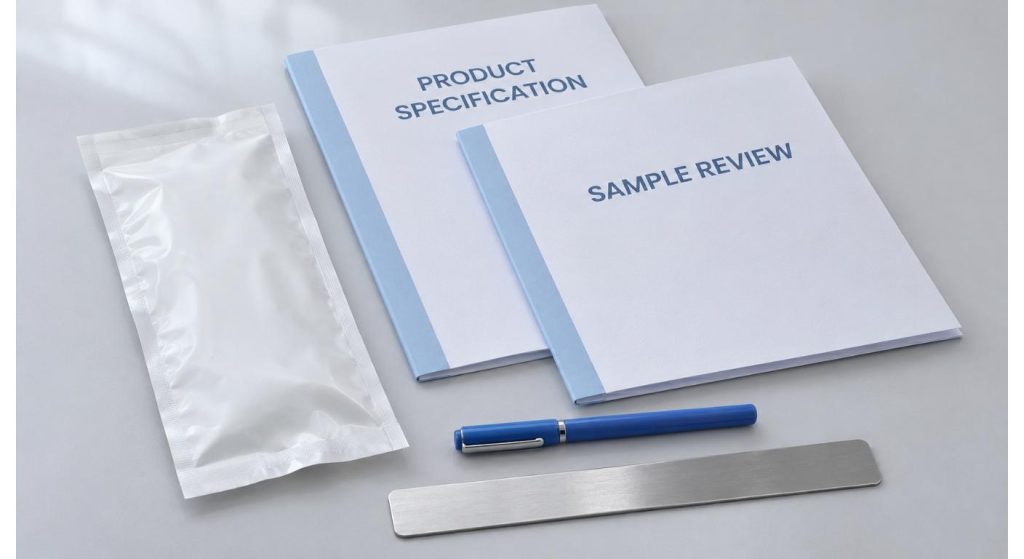
An effective sample evaluation should result in a definite purchasing description. Document the model, size, design, packaging, labelling and intended uses. Obtain the product specific documentation to confirm that the product is supplied sterile, and that it is single-use or reusable.
Never give a wear time or clean up instruction from the appearance. Request instructions, storage, shelf life and documentation for destination markets. If any feature is still unconfirmed, then clear up the feature before adding that claim in a tender or in a catalogue.
Talk to Greetmed's sales staff about the coverage plan and priorities for the evaluation. If proposing changes to the model, discuss these changes separately from the existing model and agree on a method of communicating any changes in material or construction prior to repeat orders.
Conclusion
Before you purchase a breathable catheter cover, consider how it will be worn and taken care of. Coverage, movement, removal, inspection access and the product's permitted use are all important aspects of material performance.
Start with the clinical arrangement and validate the final properties of the arrangement. This provides a firmer foundation for the consumer to use when choosing a cover as well as for the distributor to explain in a way that doesn't result in misleading protection or outcome claims.
FAQs
Q1. Can a breathable catheter cover be used as a catheter dressing?
Not necessarily. Verify the role that the model is marked for. A product that is described as a cover is not necessarily a prescribed dressing or securement product and must not be substituted for that product.
Q2. Is it breathable or is it waterproof?
No. Breathability and liquid resistance should be evaluated separately. Review the final product's proof and tolerances.
Q3. Are patients able to shower in their cover?
Do not assume so. Do not bath children if the bathing suitability is not covered in a general protection claim, but rather follow the instructions in the model and the care plan provided by the treating team.
Q4. Does the bigger cover always make for a more comfortable look?
Fit is influenced by No. Shape, usable coverage, edges and the surrounds of the line arrangement. Assess the correct size by expert clinical reviewers.
Q5. For how long is the cover going to be used?
Do exactly as instructed and care for according to instructions. Never shift the layering of a dressing change interval or other product's wear time to this cover.
Submit Your Request
Recent Posts

Tags
- Adult Diapers
- Are custom medical devices safe
- Baby Diapers
- Can respiratory anesthesia be used
- Digital Healthcare
- Do you offer customized consumables
- European Market
- How do you take care of a skin wound
- Industry Trends
- Lady Sanitary Napkins
- Medical Devices
- OEM Medical Devices
- Product Introductions
- Protective Equipment
- Under Pads
- What are custom-made medical devices
- What are diagnostic products
- What are hospital dressing products
- What are medical tube catheters
- What are some common protective equipment
- What are the appropriate applications for hospital dressing products
- What are the appropriate uses for protective equipment
- What is a gynecological examination
- What is a medical consumable
- What is an anesthesia kit
- What is an OEM in medical devices
- what is an wound skin care
- what is can disposable ultrasonic diagnostic
- What is good manufacturing medical devices
- What is hospital-grade protective equipment
- what is medical equipments hospital furniture
- What is medical sterilization wrapping
- What is rehabilitation equipment device
- What medical consumables do you supply
- Where can I find laboratory consumables wholesale
- where can I find medical protection device
- where to buy hypodermic accessories
- where to buy medical apparel
- where to buy medical consumable accessories
- where to find OEM medical device supplier
- where to find rehabilitation equipment supplier
