



Structural Heart Delivery Catheter: The Engineering Behind Minimally Invasive Cardiac Repair


A structural heart delivery catheter is a highly specialized medical device designed to transport and deploy cardiac implants like valves or occluders. These catheters allow surgeons to perform complex heart repairs without the need for traditional open-chest surgery. By navigating through the femoral artery or vein, these devices provide a less invasive path to the heart, significantly reducing patient recovery times and surgical risks.
In the world of interventional cardiology, precision is everything. I have stood in cath labs where the difference between a successful valve replacement and a complication was measured in mere millimeters. The delivery catheter is the unsung hero of these procedures. It must be flexible enough to snake through the aortic arch yet stiff enough to push a prosthetic valve into place. This guide dives into the engineering, materials, and clinical applications that make these devices the gold standard for modern cardiac care.
What Is a Structural Heart Delivery Catheter and How Does It Work?
A structural heart delivery catheter is a precision-engineered conduit used to deliver medical implants, such as TAVR valves or septal occluders, to the heart. It functions by housing a compressed device within its distal tip and navigating it through the vasculature. Once at the target site, the catheter allows for controlled release and positioning of the implant.
The mechanism relies on a "sheath and dilator" system. The catheter often features a handle with knobs or triggers that the surgeon uses to retract the outer sheath, exposing the device. During the procedure, a medical hypodermic syringe is often used to flush the system with heparinized saline, ensuring no air bubbles enter the bloodstream. This level of control is vital because the heart's anatomy is dynamic and moves with every beat.
Core Components of the Delivery System
- Outer Sheath: Protects the vessel walls and maintains the "tunnel" for the device.
- Inner Shaft: Provides the column strength needed to push the device forward.
- Steerable Tip: Allows the surgeon to deflect the catheter around sharp anatomical turns.
- Radiopaque Markers: High-visibility gold or platinum bands that show up clearly on X-ray monitors.
Why Is Steerability Crucial for Heart Repair?
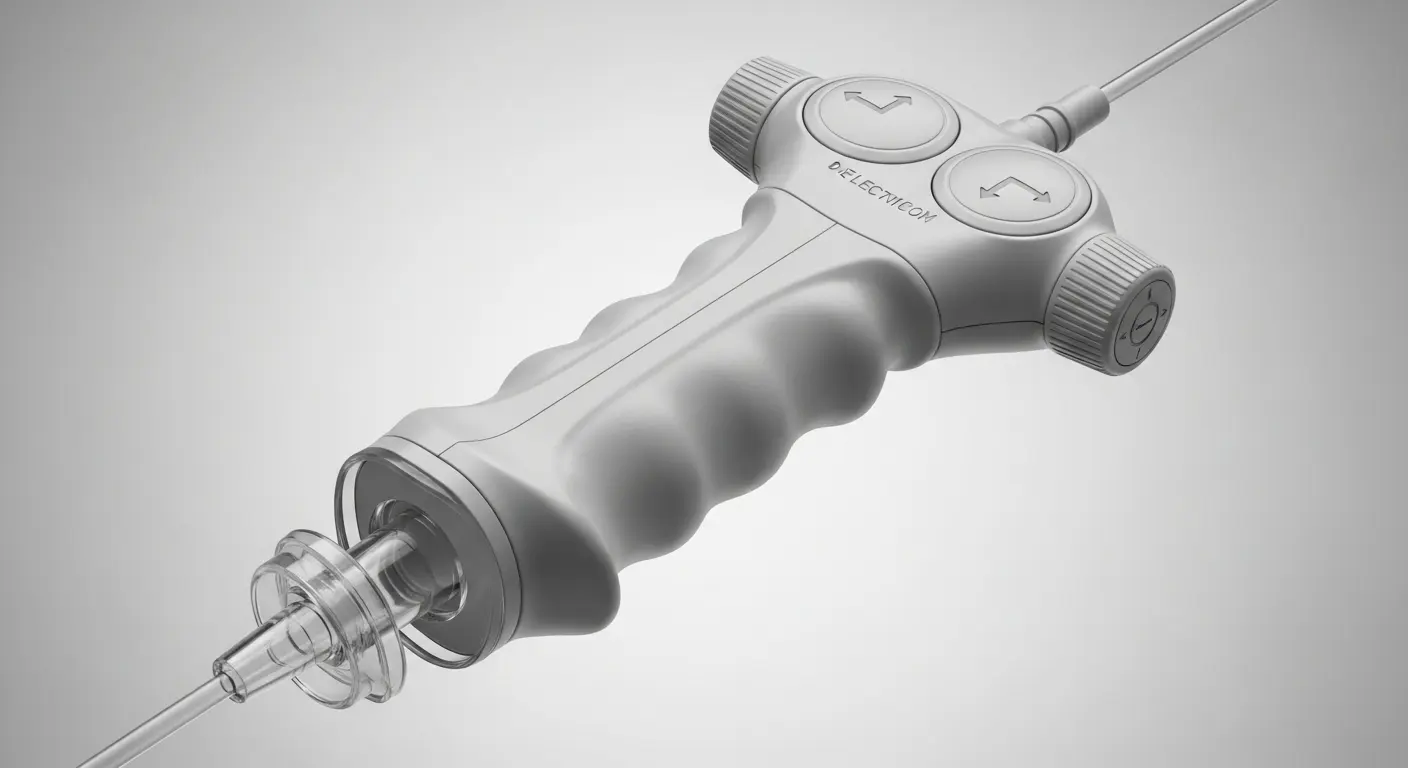
Steerability is crucial because the path to the heart—especially the "candy cane" shape of the aortic arch—is extremely tortuous. A structural heart delivery catheter must feature a deflectable tip that the surgeon can control from a handle outside the body. This prevents the catheter from scraping against the sensitive arterial walls, which could cause a stroke or vessel dissection.
In my experience, "pushability" and "trackability" are the two most discussed metrics in the lab. A catheter that is too soft will "whip" or buckle, while one that is too stiff won't make the turn. Advanced steerable systems use pull-wires embedded in the catheter walls. When the surgeon turns a knob on the handle, these wires tension, bending the tip to the exact degree required. This is especially important for procedures performed "PRN" or as the clinical situation dictates. Understanding what PRN means in medical terms highlights the need for tools that can adapt to sudden anatomical challenges during a procedure.
What Materials Make a Catheter "Medical Grade"?
A structural heart delivery catheter is made from high-performance polymers like PEBAX, Polyurethane, and PTFE, often reinforced with stainless steel or Nitinol braiding. These materials are chosen for their biocompatibility, kink resistance, and low-friction surfaces. The inner liner is almost always PTFE (Teflon) to ensure the heart valve slides out smoothly during deployment.
| Material | Function | Key Benefit |
| PEBAX | Outer Jacket | Variable stiffness for navigation. |
| Nitinol | Braid/Reinforcement | Shape memory and kink resistance. |
| PTFE | Inner Liner | Ultra-low friction for device delivery. |
| Gold/Platinum | Marker Bands | Excellent visibility under fluoroscopy. |
Quality control is paramount. Even a microscopic fiber can cause a device failure. That is why manufacturers use a medical cotton swab to clean sensitive components of the assembly die in the cleanroom. This ensures that the "medical grade" label is backed by pristine manufacturing standards.
How Does a Delivery Catheter Ensure Precise Valve Placement?
The catheter ensures precise placement through incremental deployment mechanisms and high-definition radiopaque markers. Many modern systems allow for "recapture," meaning if the valve is not positioned perfectly, the surgeon can pull it back into the catheter and try again. This feature has revolutionized procedures like Transcatheter Aortic Valve Replacement (TAVR).
Precision is monitored via real-time X-ray (fluoroscopy). The markers on the catheter tip tell the surgeon exactly where the "landing zone" is. If the placement is off by even 2mm, it could lead to a paravalvular leak. Unlike simpler devices like a Malecot catheter used for drainage, heart delivery systems require sub-millimeter accuracy to ensure the new valve functions properly within the heart's electrical and mechanical structure.
What Are the Main Clinical Applications for These Catheters?
The main applications include TAVR (aortic valve), TMVR (mitral valve), and the closure of septal defects like a PFO or ASD. These catheters are also used for Left Atrial Appendage Closure (LAAC) to prevent strokes in patients with atrial fibrillation. Each of these procedures requires a differently shaped delivery system to match the specific anatomy of the heart chamber being treated.
Top Clinical Uses
- Transcatheter Valve Replacement: Replacing diseased heart valves via the femoral artery.
- Septal Occlusion: Plugging holes in the heart wall (PFO/ASD).
- Aneurysm Repair: Delivering endovascular grafts to the aorta.
- Paravalvular Leak Closure: Fixing gaps around previously implanted surgical valves.
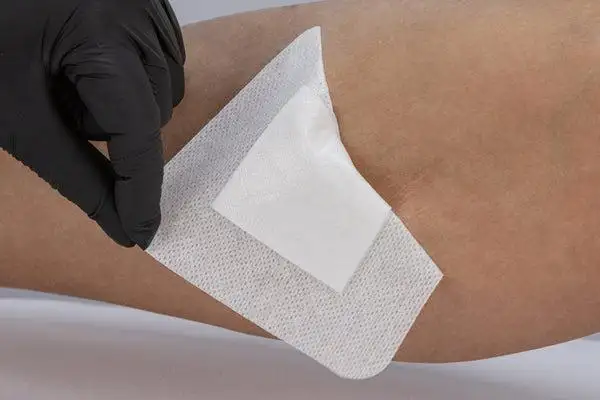
After these procedures, the access site in the groin must be carefully managed. Nurses use various hospital dressing products to ensure hemostasis and prevent infection. Because the catheters used for heart repair are relatively large (often 14Fr to 20Fr), the closure of the vessel is just as important as the heart repair itself.
How Does Braided Reinforcement Prevent Catheter Kinking?
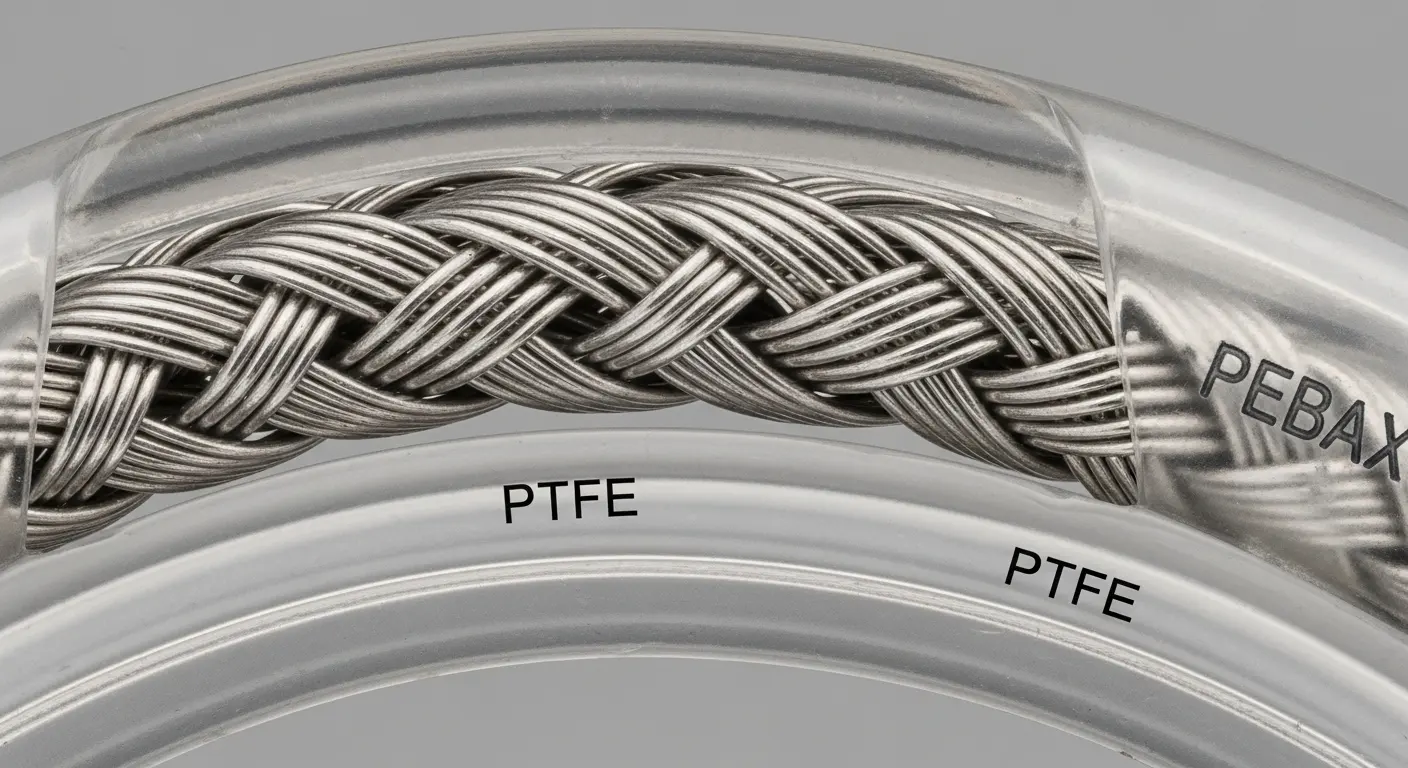
Braided reinforcement prevents kinking by embedding a mesh of fine wires within the polymer wall of the catheter. This "skeleton" allows the catheter to maintain its circular shape even when bent at sharp angles. Without braiding, a thin-walled delivery catheter would collapse like a kinked garden hose, trapping the expensive heart implant inside.
This reinforcement also provides "torque response." If the surgeon rotates the handle 90 degrees, the tip in the heart should also rotate exactly 90 degrees. In the high-pressure environment of the heart, a "lag" in torque can lead to inaccurate placement. Braiding ensures that every movement the surgeon makes is translated accurately to the distal tip.
What Is the Future of Structural Heart Delivery Technology?
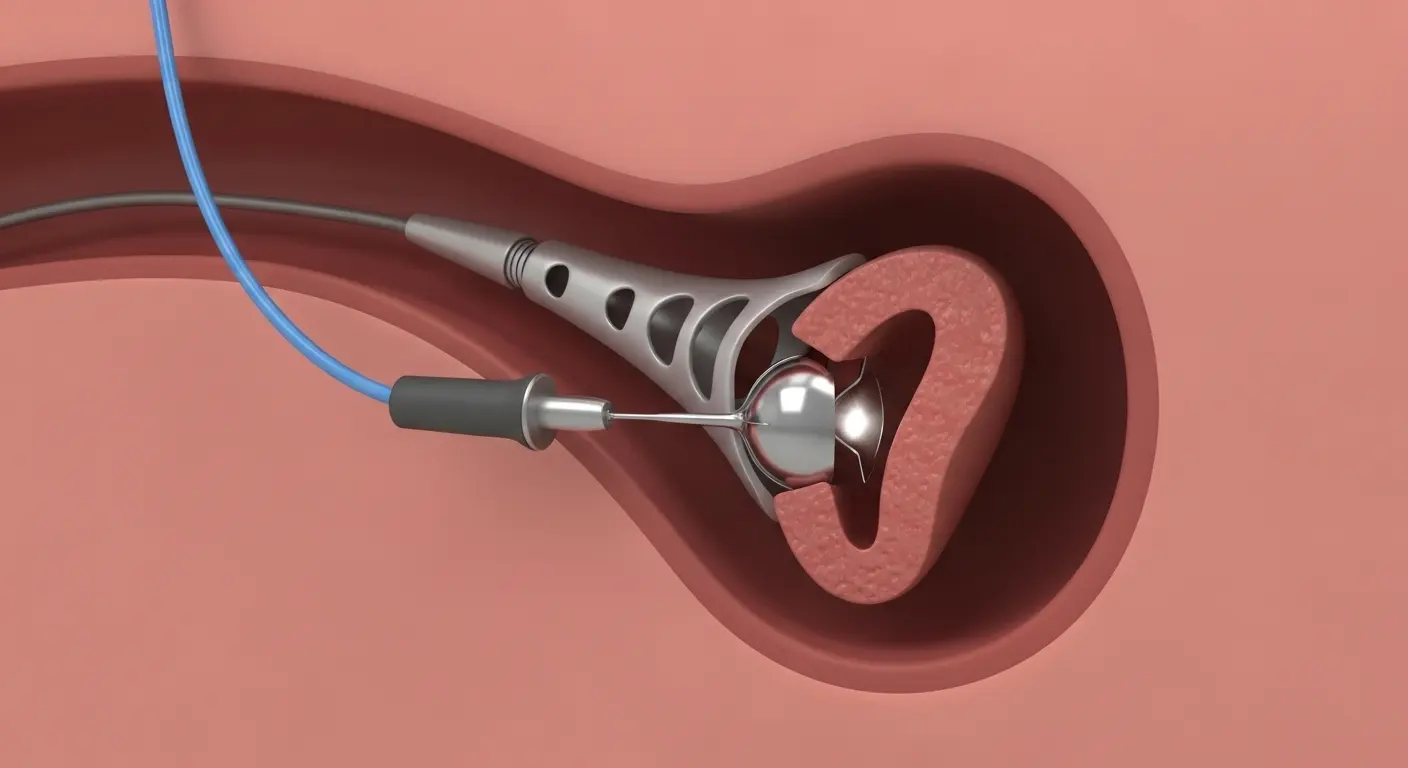
The future of structural heart delivery lies in smaller profiles (lower French sizes) and "smart" catheters with integrated sensors. Manufacturers are working on 10Fr systems that would allow for even less invasive access, potentially allowing these procedures to move from the hospital to outpatient surgical centers. Integrated ultrasound (ICE) on the catheter tip is also an emerging trend.
As AI begins to play a role in surgical planning, catheters may soon feature "auto-navigation" capabilities that help guide the tip to the optimal landing zone. However, the core requirement will always be a reliable, sterile, and highly engineered delivery catheter that acts as the bridge between modern engineering and a patient's second chance at life.
Expert Tip: Always verify the "shelf life" and sterilization indicators on the catheter packaging. A delivery system is a complex mechanical assembly; if the lubricant or the polymer has degraded over time, the deployment force required could double, leading to a "jump" during valve release.
Submit Your Request
Recent Posts

Tags
- Adult Diapers
- Are custom medical devices safe
- Baby Diapers
- Can respiratory anesthesia be used
- Digital Healthcare
- Do you offer customized consumables
- European Market
- How do you take care of a skin wound
- Industry Trends
- Lady Sanitary Napkins
- Medical Devices
- OEM Medical Devices
- Product Introductions
- Protective Equipment
- Under Pads
- What are custom-made medical devices
- What are diagnostic products
- What are hospital dressing products
- What are medical tube catheters
- What are some common protective equipment
- What are the appropriate applications for hospital dressing products
- What are the appropriate uses for protective equipment
- What is a gynecological examination
- What is a medical consumable
- What is an anesthesia kit
- What is an OEM in medical devices
- what is an wound skin care
- what is can disposable ultrasonic diagnostic
- What is good manufacturing medical devices
- What is hospital-grade protective equipment
- what is medical equipments hospital furniture
- What is medical sterilization wrapping
- What is rehabilitation equipment device
- What medical consumables do you supply
- Where can I find laboratory consumables wholesale
- where can I find medical protection device
- where to buy hypodermic accessories
- where to buy medical apparel
- where to buy medical consumable accessories
- where to find OEM medical device supplier
- where to find rehabilitation equipment supplier
