



The Ultimate Guide to Navigating a Medical Guidewire Price List: Factors, Ranges, and Procurement Strategies


A real-time medical guidewire price list is hard to pinpoint because costs fluctuate based on material innovation, regulatory compliance, and regional manufacturing. For medical institutions, understanding the variables that push these prices up or down is essential for effective budget planning. This definitive guide will empower you to look beyond the list price and evaluate the true value of your medical guidewires.
In my experience working with medical device procurement, the sticker price on a guidewire rarely tells the full story. I once saw a department save 15% on their initial purchase order by switching to a cheaper, non-coated wire, only to see their procedure times increase because the wires struggled to navigate tortuous anatomy. The cheapest wire quickly became the most expensive one in terms of total cost. A top-tier manufacturer doesn't just sell you a wire; they provide a validated tool engineered for predictable clinical performance.
Why Do You Need a Guide to Medical Guidewire Prices?
You need a guide to medical guidewire prices because a standard list cannot account for the vast differences in device complexity and required clinical performance. Guidewires range from simple, stainless steel access wires to advanced, Nitinol-based tools with hydrophilic coatings for complex interventional cardiology. A guide helps you identify your specific needs and avoid overpaying for unnecessary features.
Precision in the cath lab is paramount. When a physician is performing a high-stakes procedure "PRN"—or as needed in an emergency—they cannot be held back by inferior equipment. Understanding what PRN means in medical terms highlights why having reliable, validated tools ready at a moment's notice is vital. Effective procurement isn't about finding the lowest price; it's about ensuring supply assurance of quality products for predictable outcomes.
What Factors Most Influence a Medical Guidewire Price List?

The factors that most influence a medical guidewire price list are material composition, surface coatings, tip design complexity, and required regulatory compliance. Advanced materials like Nitinol command higher prices than standard stainless steel due to their kink resistance. Specialized hydrophilic coatings that improve maneuverability also add to the manufacturing cost but deliver significant clinical advantages.
Core Pricing Factors Analysis
| Factor | Description | Impact on Cost | Why it Matters |
| Material Core | Stainless Steel vs. Nitinol. | Nitinol is ~30% higher. | Defines flexibility, pushability, and torque response. |
| Coating | PTFE (Teflon) vs. Hydrophilic. | Hydrophilic adds significant premium. | Affects friction and navigation through tortuous vessels. |
| Tip Design | Straight vs. J-Tip vs. Floppy vs. Steerable. | Specialty tips add complexity. | Specific tips are required for certain anatomical access challenges. |
| Diameter/Length | Total material used. | Minor impact compared to design features. | Varies by procedure (e.g., coronary vs. peripheral). |
| Compliance | ISO 13485, CE, FDA approval. | High barrier to entry. | Essential for safety and entry into regulated markets. |
Manufacturers prioritize cleanliness to ensure optimal coating application and prevent particulate risk. It is standard practice to see technicians use a real-world tool like a medical cotton swab to meticulous clean machine parts during changeovers to prevent batch contamination. These rigorous protocols build trustworthiness and guarantee that the final device is bio-compatible and reliable.
What Are the Typical Price Ranges on a Medical Guidewire Price List?
Typical price ranges on a medical guidewire price list vary from approximately USD 35.00 to over USD 300.00 for single, sterile units in regulated markets. Basic stainless steel wires sit at the lower end of the spectrum. Advanced, application-specific devices with hydrophilic coatings and specialized tip loads, such as those used for Chronic Total Occlusions (CTO), represent the high end.
It is rare to find single wires sold at the factory level. Most price lists assume a minimum order quantity (MOQ) or require the purchase of multi-packs (e.g., 5 or 10 wires per box). Large-scale clinical trials and safety studies further contribute to the premium pricing of advanced wires, ensuring they are safe for direct blood contact. Data suggests that advanced coronary guidewires account for over 40% of the total market revenue, reflecting their high unit cost and procedural necessity.
Experience Note: Many procurement teams focus solely on the sticker price of the primary procedure consumables. They overlook the total kit. While a guidewire is essential, it must be paired with other compatible devices. For instance, you will always need a reliable vascular companion like amedical hypodermic syringeto flush the sheath and maintain pressure during the access phase. Your total procurement strategy should manage the entire accessory stack for safety and cost control.
Estimated Price List Structures by Type
| Guidewire Category | Core Material | Standard Coating | Diameter Range | Estimated Price List (Per Unit) | Best Use Case |
| Access/Diagnostic | Stainless Steel | PTFE | 0.035" - 0.038" | $35 - $65 | Standard vascular access, diagnostic imaging. |
| Steerable/Hydrophilic | Nitinol | Hydrophilic | 0.014" - 0.035" | $80 - $150 | Navigating tortuous vessels, angioplasty. |
| Extra-Stiff | Stainless Steel | PTFE | 0.035" - 0.038" | $100 - $180 | Delivering large devices (valves, large stents). |
| Application-Specialty | Nitinol/Hybrid | Multi-Coating | 0.014" | $200 - $300+ | CTO interventions, complex neurovascular work. |
How Does Material Choice Define the Guidewire Price and Performance?
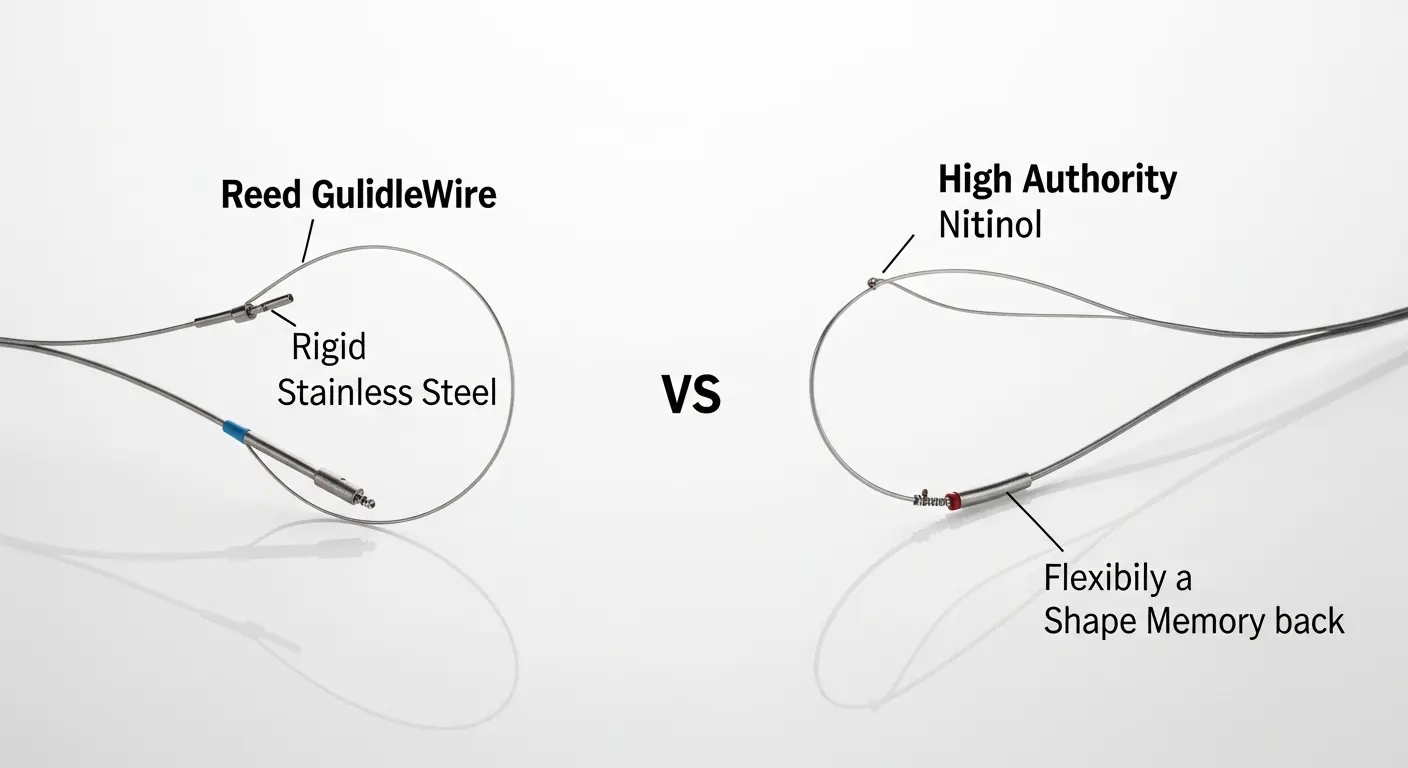
Material choice defines price because advanced materials require more expensive raw stock and specialized manufacturing processes. Nitinol, a shape-memory alloy, provides flexibility and shape memory, allowing it to adapt to anatomical contours without Sacrifice durability. Stainless steel offers superior push and torque response at a lower cost, making it ideal for the necessary structural integrity in simpler anatomical routes.
The choice of core defines how the wire feels in the operator’s hand. For complex, tortuous anatomy or calcified lesions, the material stack must be sophisticated to deliver safety and control. This "stack discipline" reduces hiddentaxes that creep into pricing when supply chains wobble. Consistent raw materials ensure high yield, fewer scraped units, and more predictable final quotations for the medical facility.
Expert Insight: In urological procedures, the choice of material resilience is critical. A standard vascular wire will not perform well in the renal system. We often work with manufacturers to develop specialized urology price lists that include resilience benchmarks for devices intended to be paired with other complex consumables, like a specialized urologyMalecot catheterfor drainage. Material specificity is safety.
What is the Role of Hydrophilic Coatings in Medical Guidewire Pricing?
Hydrophilic coatings play a critical role in pricing because their uniform application, curing validation, and cleanliness demand repeatable, automated processes. These "water-loving" coatings become incredibly slippery when wet, improving maneuverability and trackability. This reduced friction minimizes procedural trauma and allows endoscopists and cardiologists to reach distal lesions that would be inaccessible with an uncoated wire.
A quality coating that feels slick in a lab demonstration must also retain its lubricity during a 3-hour complex intervention. This endurance demands sophisticated curing protocols. Hydrophilic wires can increase successful procedural rates, which can lower the lifetime procedural cost by cutting total procedure time and device waste, improving the institution’s economics. Data suggests that emerging trends are shifting over 38% of industry advancement toward the adoption of hydrophilic wires.
Why is Sterilization Validation Fator in Guidewire Procurement?
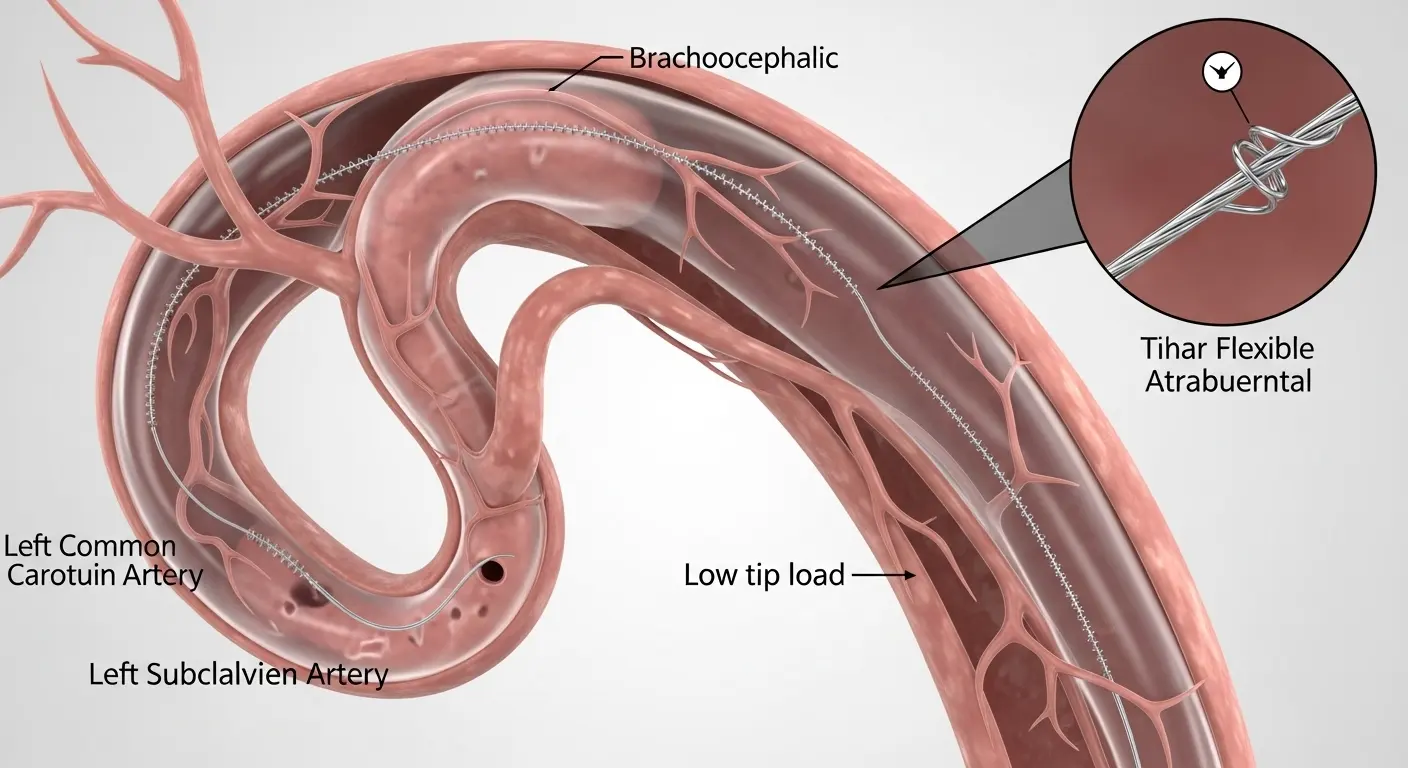
Sterilization validation is a factor because ISO-compliant systems, RISK files, and biocompatibility evidence all add significant time and expense. This rigor is essential to prevent field failures, costly recalls, and serious patient complications. Whether producing high-end catheters or routine hospital dressing products, the purity of the raw resin and the verified sterility of the finalsterile pouch are non-negotiable trustworthiness signals for any healthcare facility.
For consumable items used "PRN" or as needed, sterilization integrity is the primary safety threshold. Hospitals rely on manufacturers to provide the sterile assurance levels (SAL) needed to maintain a safe healthcare environment. An economical purchase of non-validated wires can lead to catastrophic expenses related to secondary infections. Always verify the sterilization indicator and shelf life on the packaging as part of your receiving protocol.
How to Optimize Your Sourcing and Negotiation for Guidewire Supply?
To optimize your sourcing, evaluate everything outside the factory: engineering collaboration, manufacturability choices, and post-market vigilance. Collaborate with Original Design Manufacturers (ODMs) built on proven architecture to shorten time-to-market. A systematic internal dialogue is needed to align internal real clinical needs with external market research and objective analytics.
- Calculate Total Cost of Ownership: Go beyond the list price and calculate annual service contracts, training needs, and associated medical consumables needed throughout the device's service life.
- Forecast Demand: Stable forecasting supports tooling and automation investment that unlock better pricing models for predictable quotations.
- Optimize Total accessory stack: Think beyond the initial unit cost. Consistency, shorter procedural times, and assured supply often outweigh a small discount on a single component.
- Leverage ODM Collaboration: partners can iterate on existing proven platforms to compress lead times and compress labor per unit without compromising final performance.
How Can Medical Institutions Optimize Their Procurement Process and Strategies?
Medical institutions optimize their procurement process by defining need, improving process discipline, enabling quality assurance, and building long-term relationships with trusted partners. A systematic approach to budget approval ensures that investments are impeccably justified based on clinical benefit rather than just capital availability. Digital procurement solutions standardized forms and coordinate across departments to improve order accuracy.
A stabilized health technology procurement practice is safety. Decentralized procurement often leads to inventory imbalance, but coordinated short-term and long-term needs documentation can provide a strong decision-making basis. Large group purchasing organizations (GPOs) increasingly dominate in developed countries, but even smaller facilities can optimize their value chain by leveraging data analytics to find hidden costs related to inventory holding or emergency freight. Real value is the combination of the validated product plus the robust system that keeps it reliable.
Submit Your Request
Recent Posts


Tags
- Adult Diapers
- Are custom medical devices safe
- Baby Diapers
- Can respiratory anesthesia be used
- Digital Healthcare
- Do you offer customized consumables
- European Market
- How do you take care of a skin wound
- Industry Trends
- Lady Sanitary Napkins
- Medical Devices
- OEM Medical Devices
- Product Introductions
- Protective Equipment
- Under Pads
- What are custom-made medical devices
- What are diagnostic products
- What are hospital dressing products
- What are medical tube catheters
- What are some common protective equipment
- What are the appropriate applications for hospital dressing products
- What are the appropriate uses for protective equipment
- What is a gynecological examination
- What is a medical consumable
- What is an anesthesia kit
- What is an OEM in medical devices
- what is an wound skin care
- what is can disposable ultrasonic diagnostic
- What is good manufacturing medical devices
- What is hospital-grade protective equipment
- what is medical equipments hospital furniture
- What is medical sterilization wrapping
- What is rehabilitation equipment device
- What medical consumables do you supply
- Where can I find laboratory consumables wholesale
- where can I find medical protection device
- where to buy hypodermic accessories
- where to buy medical apparel
- where to buy medical consumable accessories
- where to find OEM medical device supplier
- where to find rehabilitation equipment supplier
