



How J Quick Fill Spike Supports Safer Fluid Transfer?


J Quick Fill Spike plays an important role in safer fluid transfer because it helps clinicians move fluids in a more controlled, efficient, and organized way during preparation and delivery.
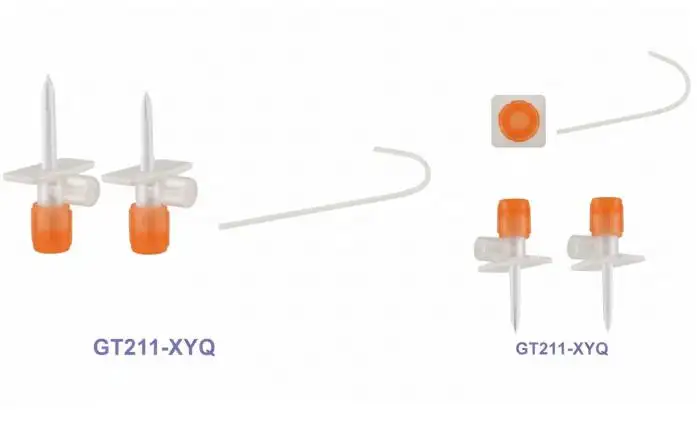
Why Safer Fluid Transfer Still Deserves Attention
In modern clinical settings, fluid transfer is not a minor step. It affects workflow, product handling, and infection control discipline. A device used to access containers and guide fluid into a connected system must support clean technique, stable transfer, and practical operation.
This is where the value of a J Quick Fill Spike becomes easier to understand. Buyers are not only comparing accessories by shape or connection style. They are also evaluating whether a product can support smoother preparation, reduce unnecessary handling, and fit the needs of real departments.
Authoritative guidance continues to stress that aseptic technique remains essential during medication and fluid preparation. The CDC recommends preparing medications in a clean area, disinfecting vial access diaphragms before entry, and using sterile access devices when entering medication containers. The same guidance also warns against using single-dose containers for more than one patient and against entering a vial with used injection equipment.
From Greetmed's perspective, this means a fluid transfer accessory should do more than connect one part to another. It should support safer practice through better handling logic.
What a J Quick Fill Spike Is Designed to Do
A J Quick Fill Spike is generally used as a single-use transfer component that helps move medical fluid from a source container into a connected delivery or syringe system. Across the market, similar filling devices and spike-based transfer accessories are commonly used in injector and fluid transfer workflows, including CT, MR, and angiography consumable systems.
Its practical value comes from a simple principle: when fluid transfer is more direct and better controlled, staff can work with greater consistency.
At Greetmed, we view the J Quick Fill Spike as a product category that should support several basic priorities:
• Cleaner access to the source container
• More efficient fluid loading steps
• Reduced unnecessary handling during setup
• Better compatibility with connected transfer workflows
• More reliable support for single-use clinical practice
These points matter because healthcare teams often work under time pressure. A transfer step that is awkward, slow, or poorly matched to surrounding components can increase handling complexity. In contrast, a well-designed J Quick Fill Spike can help make preparation more predictable.
How J Quick Fill Spike Supports Safer Clinical Workflow
Safer fluid transfer is not achieved by one component alone. It comes from the combination of product design and correct clinical use. Even so, accessory design still matters.
For example, spike-based filling methods are widely used in injector-related disposables, and manufacturers often position them as a way to support efficient filling while limiting extra manipulation. Some market descriptions also note that sterile spikes can help minimize handling during bottle access, while clear fluid pathways can help users identify bubbles more easily.
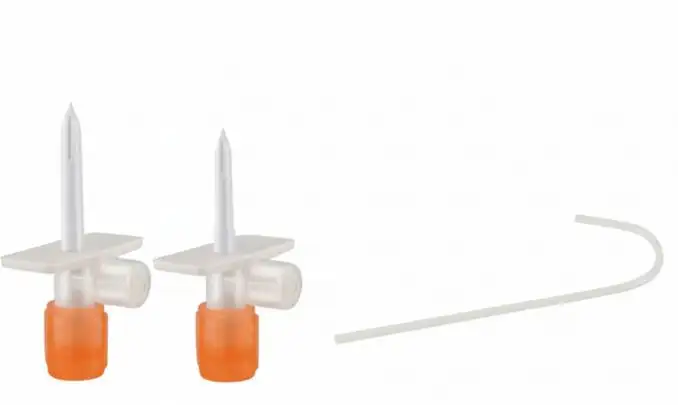
That broader workflow value helps explain why the J Quick Fill Spike remains relevant. A suitable design can support safer transfer in several ways:
• It can simplify the access step between fluid container and transfer system
• It can help maintain a more orderly preparation process
• It can reduce repeated adjustment during filling
• It can support faster setup in departments with high procedural volume
• It can contribute to more consistent single-use workflow control
This does not replace infection prevention protocol. However, it can support it. CDC guidance is clear that medications should be prepared in a designated clean area and that aseptic technique should be used throughout preparation and administration.
In practical terms, a better accessory helps staff follow better process discipline.
Why Product Fit and Compatibility Matter to Buyers
One common purchasing mistake is to evaluate a transfer spike only as a low-cost disposable. In reality, buyers should look at system fit, usage logic, and operational consistency.
In imaging and injector-related markets, consumables are often selected according to the installed platform, tubing arrangement, syringe configuration, and filling method. Public product listings show that quick-fill tubes and spike-based kits are offered in different combinations for single- and dual-syringe systems, which reflects the importance of compatibility in real procurement decisions.
For buyers, this leads to a more useful evaluation framework:
• Does the J Quick Fill Spike match the intended transfer workflow?
• Is the product designed for single-use clinical handling?
• Can it integrate smoothly with the surrounding tubing or syringe setup?
• Does it help reduce unnecessary preparation complexity?
• Is the supplier able to support stable documentation and product consistency?
At Greetmed, we believe compatibility should be discussed early. A technically acceptable product is not always the most practical one. The better choice is often the one that supports safer use while also fitting the department's routine.
What Buyers Should Ask Before Selecting a J Quick Fill Spike
A more informed purchasing process usually starts with the right questions.
First, buyers should confirm how the product will be used. Is it intended for routine fluid transfer in a standardized setup, or for a workflow that requires closer matching to an existing system? Second, they should consider how the product supports cleaner handling and preparation discipline. Third, they should review supplier responsiveness, technical clarity, and consistency of product information.
These questions are especially important because safe injection and fluid preparation practices rely on both device suitability and proper procedure. Guidance from the CDC and other professional bodies continues to emphasize sterile access, clean preparation settings, and careful handling of vials, bags, and other fluid containers used in clinical practice.
For procurement teams, a meaningful value assessment should include more than purchase price. A lower-priced product may not create better value if it slows preparation or reduces consistency in everyday clinical use.
At Greetmed, we encourage clients to assess the J Quick Fill Spike according to actual workflow performance rather than isolated specification points.
How Greetmed Helps Clients Evaluate Fluid Transfer More Effectively
At Greetmed, we see the J Quick Fill Spike as part of a broader discussion about clinical application, product fit, and purchasing logic. We recognize that buyers are looking for products that support safer fluid transfer, easier handling, and reliable day-to-day use.
Our focus is practical:
• Clearer alignment with intended application
• Better support for safe and efficient transfer steps
• More dependable single-use product logic
• Stronger communication for OEM and distribution cooperation
• A more confident selection process for buyers and partners
For distributors, hospital buyers, and project partners, the takeaway is straightforward. A J Quick Fill Spike should not be viewed as a small accessory with limited value. When matched to the intended use, it can support safer fluid transfer, promote more stable workflow execution, and improve confidence in routine preparation steps.
Contact Greetmed today to discuss your J Quick Fill Spike project, target use scenario, and OEM or distribution needs. Better fluid transfer outcomes often begin with the right product fit and informed technical support.
As part of the evaluation process, buyers may also refer to current CDC guidance on injection safety and general safe preparation principles for fluid transfer products.
Submit Your Request
Recent Posts

Tags
- Adult Diapers
- Are custom medical devices safe
- Baby Diapers
- Can respiratory anesthesia be used
- Digital Healthcare
- Do you offer customized consumables
- European Market
- How do you take care of a skin wound
- Industry Trends
- Lady Sanitary Napkins
- Medical Devices
- OEM Medical Devices
- Product Introductions
- Protective Equipment
- Under Pads
- What are custom-made medical devices
- What are diagnostic products
- What are hospital dressing products
- What are medical tube catheters
- What are some common protective equipment
- What are the appropriate applications for hospital dressing products
- What are the appropriate uses for protective equipment
- What is a gynecological examination
- What is a medical consumable
- What is an anesthesia kit
- What is an OEM in medical devices
- what is an wound skin care
- what is can disposable ultrasonic diagnostic
- What is good manufacturing medical devices
- What is hospital-grade protective equipment
- what is medical equipments hospital furniture
- What is medical sterilization wrapping
- What is rehabilitation equipment device
- What medical consumables do you supply
- Where can I find laboratory consumables wholesale
- where can I find medical protection device
- where to buy hypodermic accessories
- where to buy medical apparel
- where to buy medical consumable accessories
- where to find OEM medical device supplier
- where to find rehabilitation equipment supplier
