



What Does PRN Mean in Medical Terms?


In healthcare settings, you might have seen the abbreviation PRN on a prescription label, nursing chart, or medical instruction. But what does PRN actually stand for, and how is it used in clinical care?
PRN is an abbreviation of the Latin phrase pro re nata, which translates to “as needed” or “as the situation arises.” In medicine, this term tells patients and caregivers that a treatment, medication, or intervention does not follow a fixed schedule, but should be used only when specific symptoms or circumstances occur.
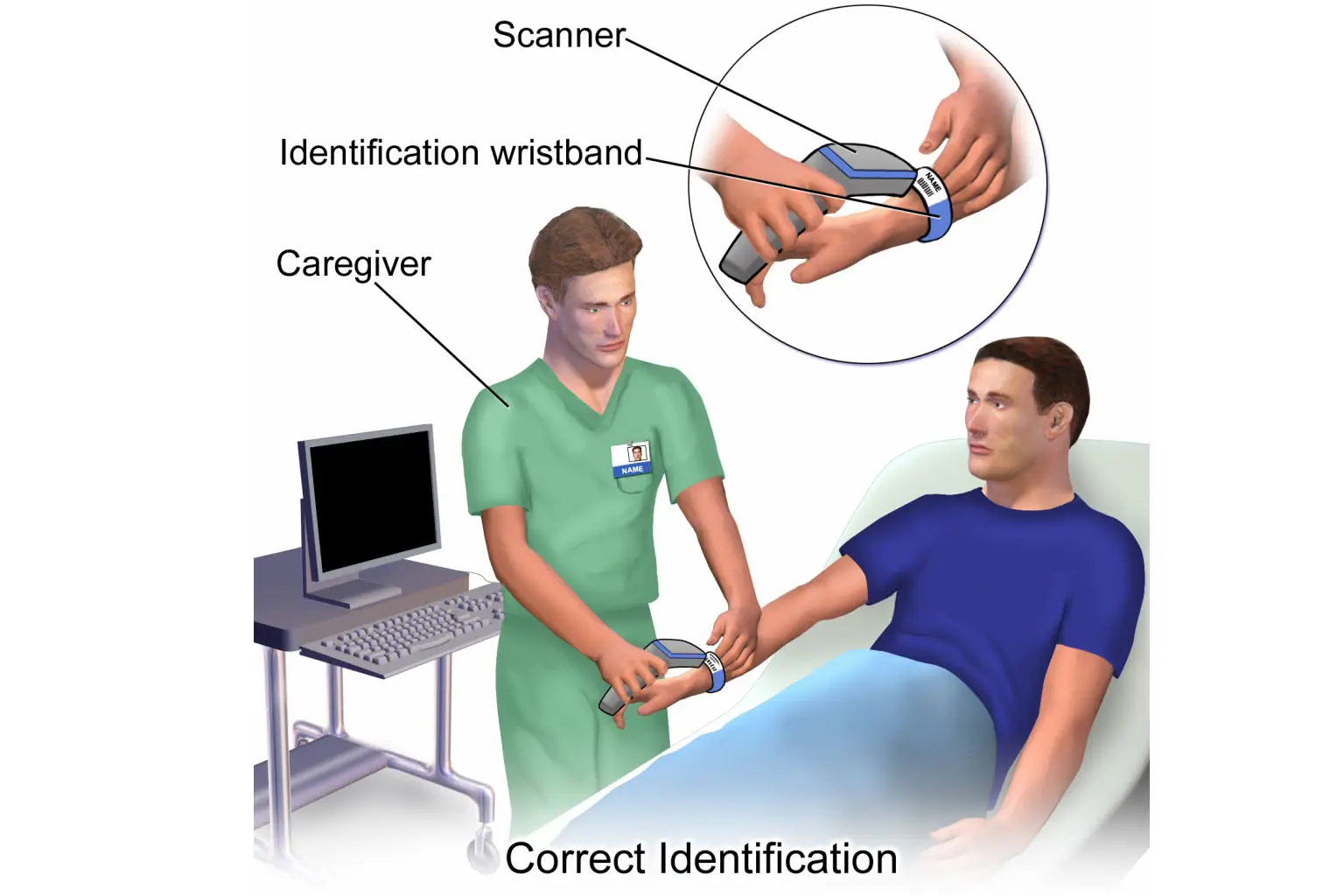
How PRN Is Used in Medical Practice
1. PRN Medications
When a medication is prescribed with “PRN” instructions, it means that the patient should take the drug only when needed, rather than at predetermined times throughout the day.
Examples include:
-
Pain relief medications for intermittent discomfort
-
Anti-anxiety drugs taken when anxiety spikes
-
Allergy relief taken only during allergic reactions
For instance, a label that reads “Take 1 tablet PRN for pain” tells you to take the tablet only if and when pain occurs — not on a regular timetable.
Important: Even with PRN medications, you should still follow dosage limits and guidance from healthcare providers to avoid overuse or side effects.
2. PRN in Nursing and Staffing
The concept of PRN also applies to healthcare employment. In nursing and allied health professions, a PRN nurse or clinician is someone who works on an as-needed basis rather than on a set schedule.
PRN clinicians are often called in to:
-
Cover for staff shortages
-
Support high patient demand periods
-
Provide flexible coverage across departments
Because they don’t have fixed hours, PRN roles offer flexibility — allowing clinicians to choose shifts, balance work-life commitments, or pursue multiple workplaces.
Why PRN Matters in Clinical Care
Using PRN orders appropriately helps healthcare teams individualize patient care. Some benefits include:
-
Symptom-based treatment — Patients receive medication only when symptoms are present.
-
Reduced unnecessary dosing — Limiting medications to times when they’re truly needed can reduce side effects and dependency risks.
-
Flexible staffing — PRN staffing supports continuity of care in busy or unpredictable healthcare environments.
At the same time, clear communication among doctors, nurses, and patients is essential to ensure that PRN orders are followed safely and as intended.
Common Questions About PRN
Is PRN only for medications?
No — while PRN is frequently seen on prescriptions, it can also apply to care procedures or nursing actions that occur “as needed” rather than by schedule.
Does PRN mean unlimited use?
No. PRN does not mean “take as much as you want.” Providers usually set dosage limits even for PRN prescriptions.
Can patients decide when to use PRN treatments?
Yes, but patients should follow guidance from their healthcare provider about when and how often to take PRN medications. Clear instructions help avoid misuse or complications.
Summary
In medical terminology:
-
PRN stands for pro re nata, meaning “as needed.”
-
It’s commonly used for medication instructions that don’t require a fixed schedule.
-
It also describes flexible staffing roles in healthcare, such as PRN nurses.
Understanding PRN helps patients, caregivers, and medical professionals make better decisions about when and how to administer treatments and allocate clinical support.
Submit Your Request
Recent Posts

Tags
- Adult Diapers
- Are custom medical devices safe
- Baby Diapers
- Can respiratory anesthesia be used
- Digital Healthcare
- Do you offer customized consumables
- European Market
- How do you take care of a skin wound
- Industry Trends
- Lady Sanitary Napkins
- Medical Devices
- OEM Medical Devices
- Product Introductions
- Protective Equipment
- Under Pads
- What are custom-made medical devices
- What are diagnostic products
- What are hospital dressing products
- What are medical tube catheters
- What are some common protective equipment
- What are the appropriate applications for hospital dressing products
- What are the appropriate uses for protective equipment
- What is a gynecological examination
- What is a medical consumable
- What is an anesthesia kit
- What is an OEM in medical devices
- what is an wound skin care
- what is can disposable ultrasonic diagnostic
- What is good manufacturing medical devices
- What is hospital-grade protective equipment
- what is medical equipments hospital furniture
- What is medical sterilization wrapping
- What is rehabilitation equipment device
- What medical consumables do you supply
- Where can I find laboratory consumables wholesale
- where can I find medical protection device
- where to buy hypodermic accessories
- where to buy medical apparel
- where to buy medical consumable accessories
- where to find OEM medical device supplier
- where to find rehabilitation equipment supplier
