



Master Guide to Steerable Catheter Design Principles: Engineering Precision


Steerable catheter design principles are the foundation of modern minimally invasive surgery, enabling physicians to navigate complex anatomical pathways with sub-millimeter precision. These sophisticated devices utilize integrated pull-wire systems and advanced polymer layering to provide "deflectability" on demand. By mastering these principles, engineers can create tools that significantly reduce procedure times and improve clinical outcomes in cardiology, neurology, and beyond.
Navigating the human vascular system is like driving through a city with no straight roads. In my years of collaborating with medical device designers, I have seen how a poorly tensioned pull-wire can turn a life-saving tool into a dangerous liability. Success in this field requires a deep respect for the balance between flexibility and rigidity. At China-Greetmed, we apply these rigorous engineering standards to every component we produce. This guide dives into the core mechanics that make active steering possible in the palm of a surgeon's hand.
What Are the Core Steerable Catheter Design Principles?
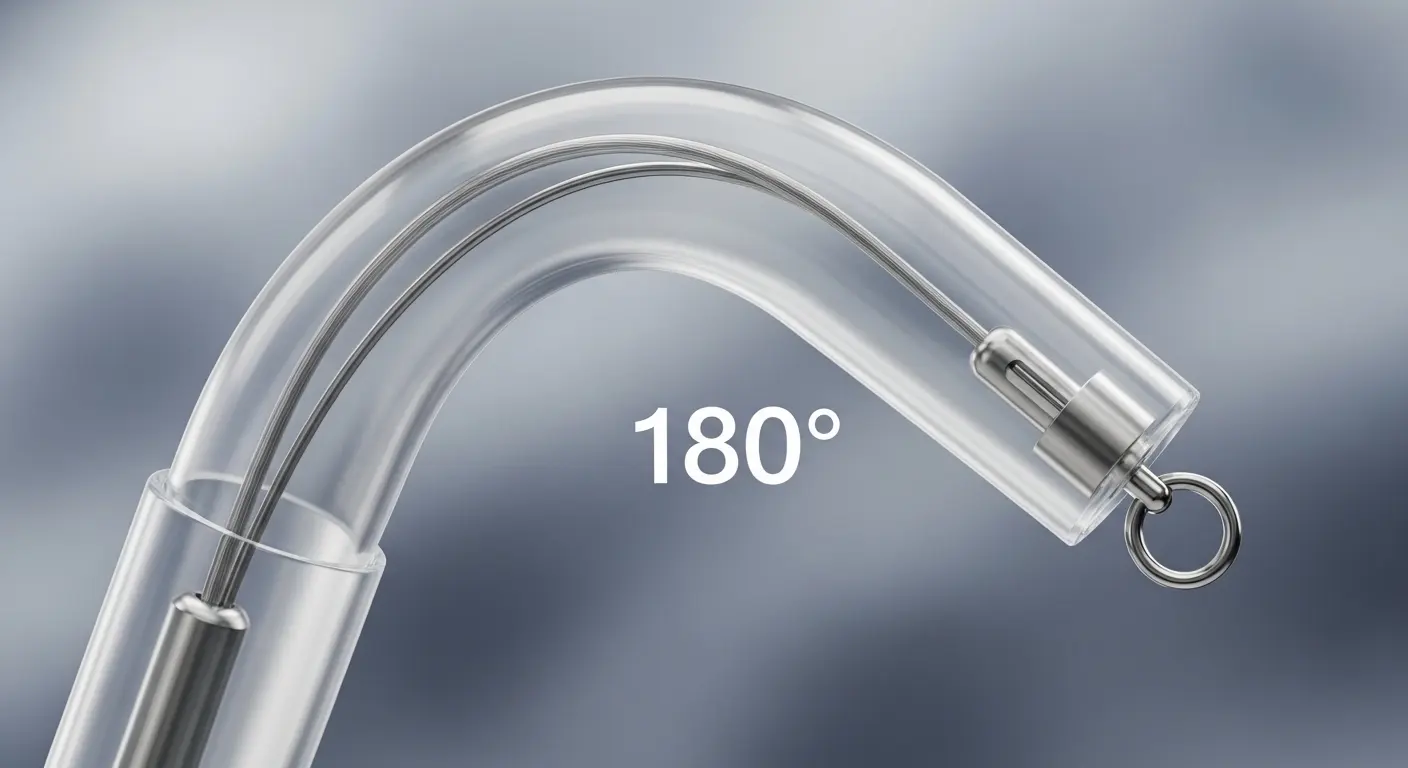
Steerable catheter design principles revolve around the integration of pull-wires, anchor rings, and multi-durometer polymer shafts to achieve controlled deflection. The primary goal is to translate manual input from a handle into predictable movement at the distal tip. This requires a complex understanding of torque transmission, column strength, and "kink resistance" to ensure the device remains functional while bent.
The mechanism typically involves a stainless steel or Nitinol pull-wire running through a dedicated lumen in the catheter wall. When the surgeon turns a knob on the handle, the wire is pulled, causing the soft distal tip to curve. This movement is often supported by a medical hypodermic syringe used to flush the system and maintain internal pressure. Without these core principles, navigating the sharp turns of the aortic arch or heart chambers would be impossible without causing tissue trauma.
How Does the Pull-Wire System Enable Precise Steering?
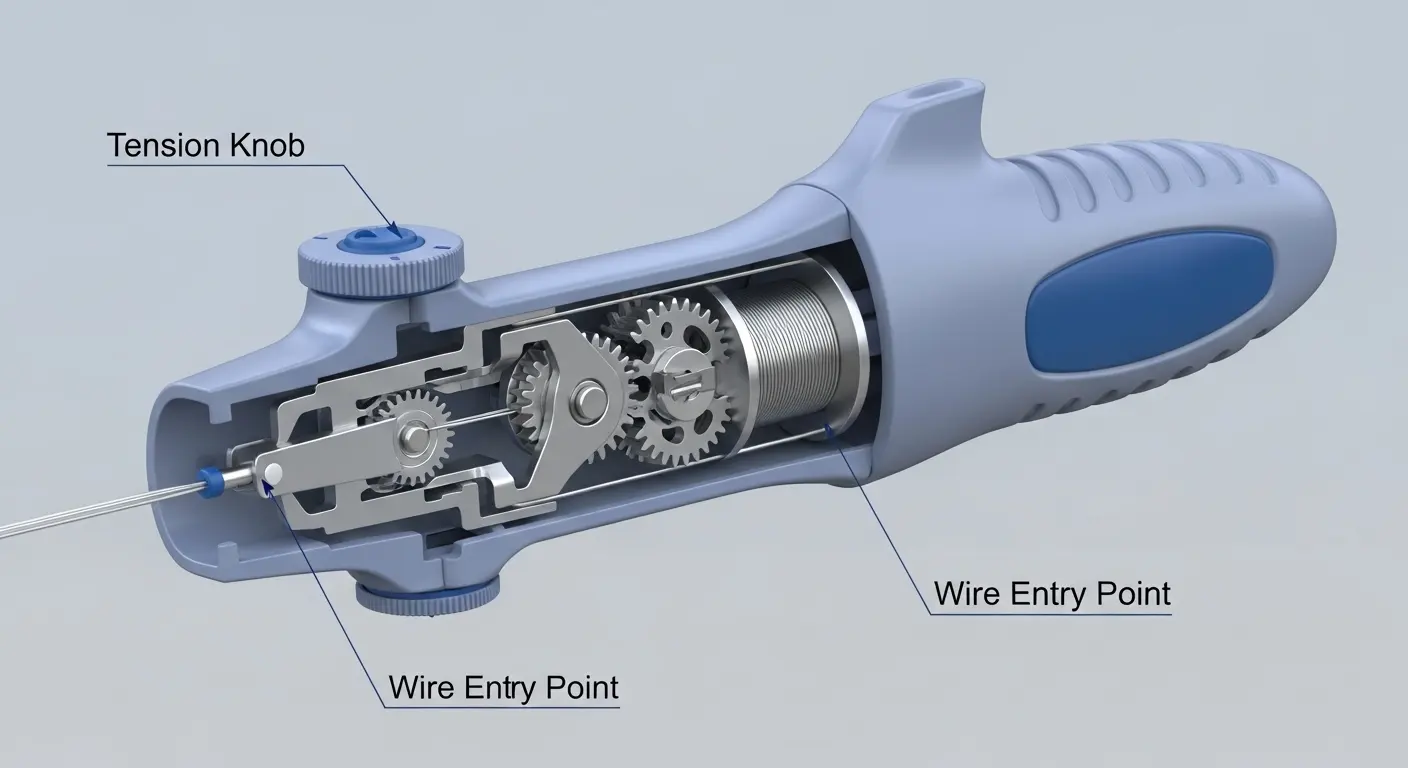
The pull-wire system enables steering by creating an asymmetrical tension that forces the catheter shaft to bend toward the side of the wire. Engineers must carefully calculate the "anchor point" at the distal tip to define the curve's radius and direction. By using multiple wires, a designer can create bi-directional or even multi-directional steering capabilities for highly complex procedures.
In a clinical setting, responsiveness is everything. Physicians often operate "PRN"—or as the situation requires—and they need a device that acts as an extension of their fingers. Understanding what PRN means in medical terms highlights why a lag-free steering response is vital during emergency interventions. If the pull-wire stretches or the polymer shaft compresses too much, the surgeon loses that critical "tactile feel," potentially leading to inaccurate device placement.
Key Components of a Steering System
- Pull-Wires: High-tensile stainless steel or Nitinol wires that transmit force.
- PTFE Liners: Ultra-low friction tubes that allow wires to slide smoothly.
- Anchor Rings: Metal rings at the tip that secure the pull-wires.
- Compression Coils: Reinforcements that prevent the shaft from shortening when the wire is pulled.
Why Is Shaft Construction Critical for Torque and Push?
Shaft construction is critical because the catheter must transmit rotational force (torque) and longitudinal force (push) from the handle to the tip without "whipping" or buckling. Engineers achieve this by using a "braided" or "coiled" reinforcement layer embedded between polymer jackets. This reinforcement provides the "backbone" needed to navigate through calcified or tortuous vessels.
| Design Feature | Purpose | Clinical Benefit |
| Braided Mesh | Enhances torque and burst pressure. | 1:1 rotation for precise positioning. |
| Coiled Wire | Maximizes flexibility and kink resistance. | Safe navigation through sharp turns. |
| Variable Durometer | Stiff base transitioning to a soft tip. | Pushability combined with atraumatic tracking. |
| Hydrophilic Coating | Reduces surface friction. | Smoother insertion and less vessel trauma. |
For specialized drainage tools like a Malecot catheter, shaft integrity ensures the device stays in place. In steerable designs, however, the shaft must be dynamic. It needs to be rigid enough to push through a lesion but flexible enough to deflect 180 degrees without kinking. This "mechanical duality" is the hardest principle to master in catheter engineering.
What Materials Are Best for Steerable Catheter Design?
The best materials for steerable catheter design include high-performance polymers like PEBAX, Polyurethane (TPU), and PTFE, reinforced with stainless steel or Nitinol. PEBAX is favored for its ability to be "fused" in different hardness levels (durometers) along the shaft. This allows for a stiff proximal end for "drive" and a soft distal end for safe steering inside the heart or brain.
Expert Insight: Cleanliness during the layering process is non-negotiable. I have seen how a single microscopic fiber trapped between the braid and the polymer jacket can cause a "delamination" failure. Technicians often use amedical cotton swabto clean the internal mandrels before the final heat-shrink process. This ensures the bond between layers is perfect, which is essential for the device to handle the high-tensile loads of steering.
What Are the Main Challenges in Steerable Tip Design?
The main challenges include managing "planarity" (ensuring the tip stays in one plane), minimizing "foreshortening" (the shaft getting shorter when steered), and preventing pull-wire "breakout." If the internal lumens are not perfectly aligned, the tip might twist unpredictably when deflected. This can be dangerous when trying to position an ablation tip or a valve in a beating heart.
To prevent these issues, designers use "compression coils" around the pull-wires. These tiny springs absorb the longitudinal force, ensuring that only the soft distal tip bends while the rest of the shaft stays stable. This level of detail is what separates a standard medical tube from a high-performance steerable device. Consistency in these dimensions is verified using high-speed laser micrometers during the extrusion and assembly phases.
How Do Steerable Catheters Improve Patient Outcomes?
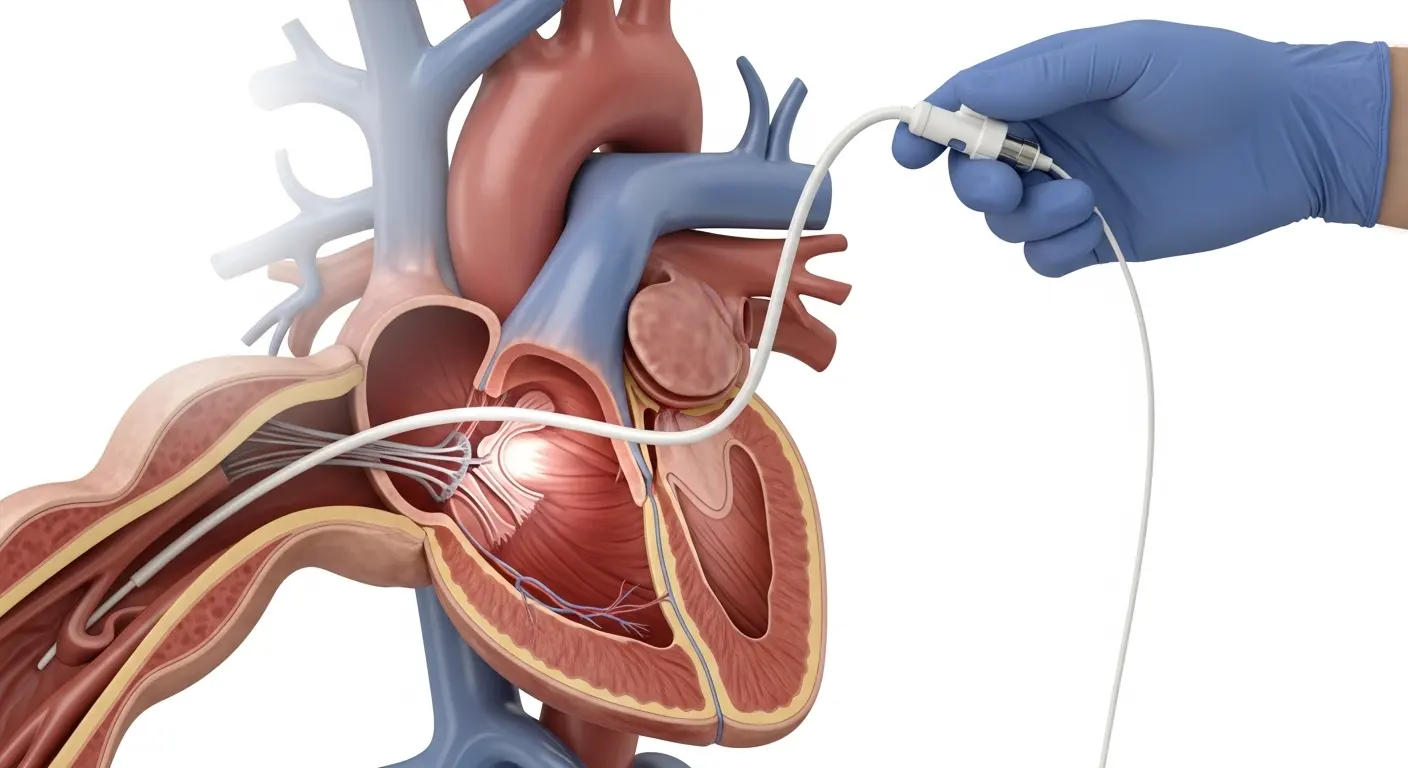
Steerable catheters improve patient outcomes by enabling more accurate delivery of therapies and reducing the time the patient spends under anesthesia and radiation. By allowing the physician to "steer" around obstacles, these devices minimize the number of "passes" needed to reach the target. This leads to fewer vascular complications, less blood loss, and a significantly faster recovery period.
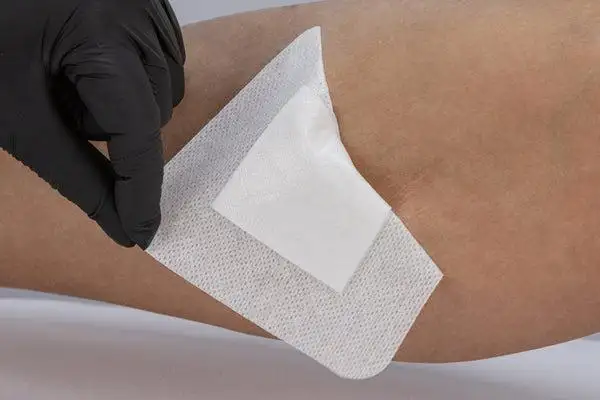
Once the procedure is complete, the access site is managed with various hospital dressing products. Because steerable technology allows for "smaller-profile" access to reach deep targets, surgeons can often use smaller puncture sites. This "less-is-more" approach, driven by advanced design principles, is the cornerstone of modern patient-centered care.
What Quality Standards Apply to Steerable Catheter Manufacturing?
Steerable catheter manufacturing must adhere to ISO 13485 (Quality Management) and ISO 10555 (Intravascular Catheters). These standards require rigorous testing for "torque to failure," "deflection fatigue," and "tensile strength." A device must be able to be steered hundreds of times without the pull-wire snapping or the polymer jacket cracking.
- Deflection Testing: Verifying the tip hits the exact required angle every time.
- Torque Response: Ensuring 1:1 movement from handle to tip.
- Kink Radius: Testing the limit of how sharp the catheter can bend before the lumen closes.
- Sterility Assurance: Validating that the complex internal lumens are completely sterilized.
Tip: When sourcing steerable catheters, always ask for the "fatile life" data of the pull-wire. A wire that snaps after only 20 deflections is a major risk in a long, complex procedure. You want a device that remains responsive from the first minute to the last.
How to Choose a Partner for Steerable Catheter Development?
Choosing the right partner requires evaluating their expertise in "multi-lumen" extrusion and their ability to integrate complex handle mechanisms. You need a manufacturer who understands that the handle and the shaft are a single biological system. They should offer "prototyping" services that allow you to test different wire tensions and polymer durometers to find the perfect "feel" for your specific clinical application.
A true partner in this space will also help you navigate the regulatory landscape. They should provide full documentation for "biocompatibility" and "leachable" testing. This collaboration ensures that your innovative design principles are translated into a safe, effective, and market-ready medical device.
Submit Your Request
Recent Posts

Tags
- Adult Diapers
- Are custom medical devices safe
- Baby Diapers
- Can respiratory anesthesia be used
- Digital Healthcare
- Do you offer customized consumables
- European Market
- How do you take care of a skin wound
- Industry Trends
- Lady Sanitary Napkins
- Medical Devices
- OEM Medical Devices
- Product Introductions
- Protective Equipment
- Under Pads
- What are custom-made medical devices
- What are diagnostic products
- What are hospital dressing products
- What are medical tube catheters
- What are some common protective equipment
- What are the appropriate applications for hospital dressing products
- What are the appropriate uses for protective equipment
- What is a gynecological examination
- What is a medical consumable
- What is an anesthesia kit
- What is an OEM in medical devices
- what is an wound skin care
- what is can disposable ultrasonic diagnostic
- What is good manufacturing medical devices
- What is hospital-grade protective equipment
- what is medical equipments hospital furniture
- What is medical sterilization wrapping
- What is rehabilitation equipment device
- What medical consumables do you supply
- Where can I find laboratory consumables wholesale
- where can I find medical protection device
- where to buy hypodermic accessories
- where to buy medical apparel
- where to buy medical consumable accessories
- where to find OEM medical device supplier
- where to find rehabilitation equipment supplier
