



Silicone vs PVC Medical Tubing: Which Is Best for Your Needs?


Choosing between silicone vs PVC medical tubing dictates the safety and success of patient care. Hospitals rely on these materials every day to transport fluids, medicine, and gases. Selecting the wrong tube can cause chemical leaching or critical equipment failure. You need the right material for the exact medical procedure you are performing. This guide breaks down the performance, safety, and cost of both options. We will help you make the smartest choice for your medical facility.
What Are the Main Differences Between Silicone vs PVC Medical Tubing?
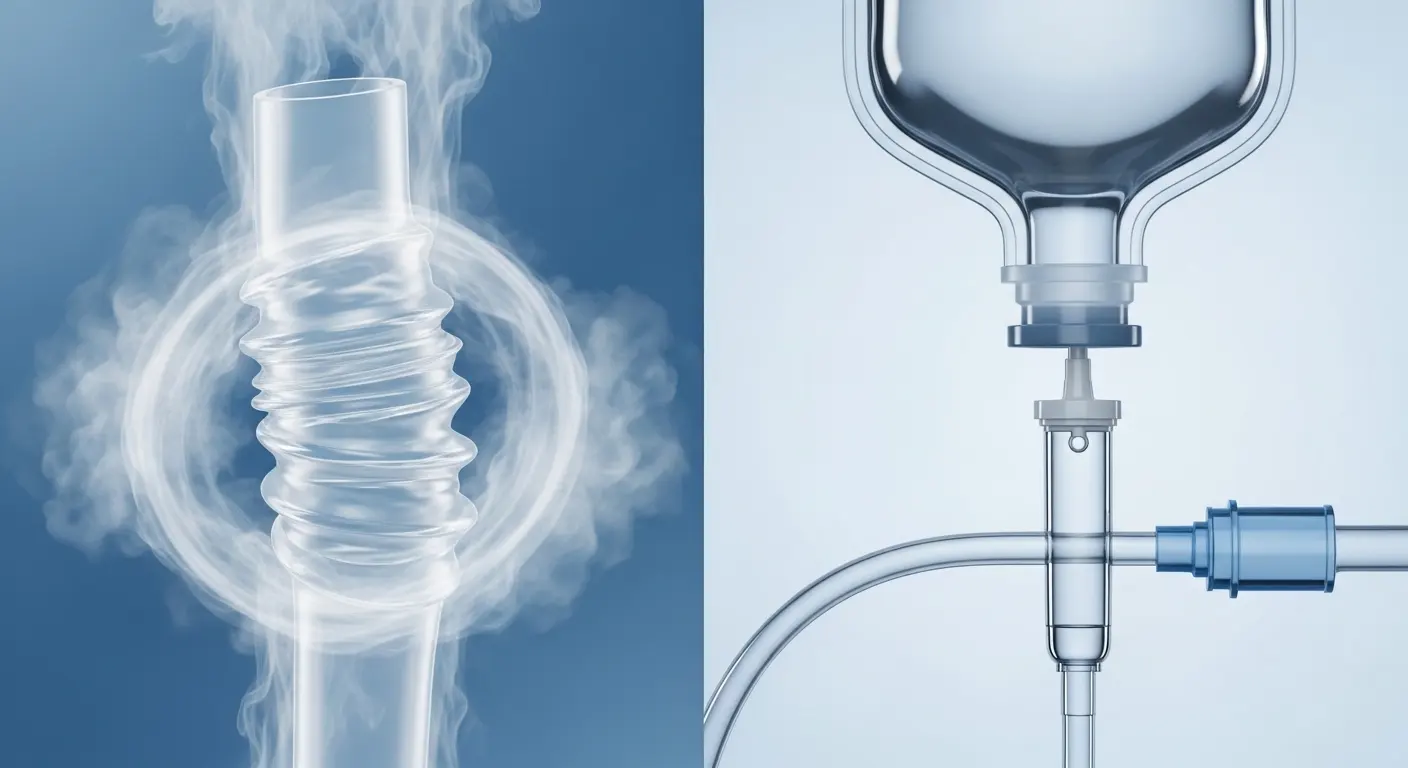
Silicone vs PVC medical tubing differ primarily in flexibility, temperature resistance, and chemical safety. Silicone offers superior heat resistance, biocompatibility, and durability for long-term use. PVC provides excellent cost-efficiency, rigidity, and clarity for short-term, disposable applications. Your choice depends entirely on the specific medical procedure and budget.
Here is a quick breakdown of how these two materials compare in a clinical setting.
| Feature | Silicone Tubing | PVC Tubing |
| Biocompatibility | Extremely high | Moderate (depends on plasticizers) |
| Temperature Resistance | Excellent (Handles autoclaving) | Low (Melts at high heat) |
| Flexibility | High memory, resists kinking | Good, but can harden over time |
| Cost | Higher upfront cost | Highly economical |
| Primary Use | Long-term implants, pumps | Short-term IVs, disposable blood bags |
| Clarity | Translucent to clear | Crystal clear |
Silicone contains no harmful plasticizers. It will not leach chemicals into fluids. This makes it perfect for sensitive medical environments. PVC requires additives to become flexible. Some of these additives can raise health concerns over extended periods. However, manufacturers have developed safer, medical-grade PVC options today. You must evaluate the lifespan of the equipment before choosing.
What Are the Key Chemical Differences?
Silicone consists of alternating silicon and oxygen atoms, making it chemically inert and highly stable. PVC is a synthetic plastic polymer that requires chemical plasticizers, like DEHP, to achieve flexibility. Silicone naturally resists chemical breakdown, while PVC can degrade or leach chemicals under specific conditions.
The chemical makeup determines how the tubing interacts with medication. Some aggressive drugs can strip plasticizers out of PVC tubing. This compromises the medication and delivers unwanted chemicals into the patient's bloodstream. Silicone remains completely stable. It does not interact with the fluids passing through it. You ensure maximum purity when using silicone lines for sensitive drug delivery.
Why Choose Silicone Tubing for Medical Applications?
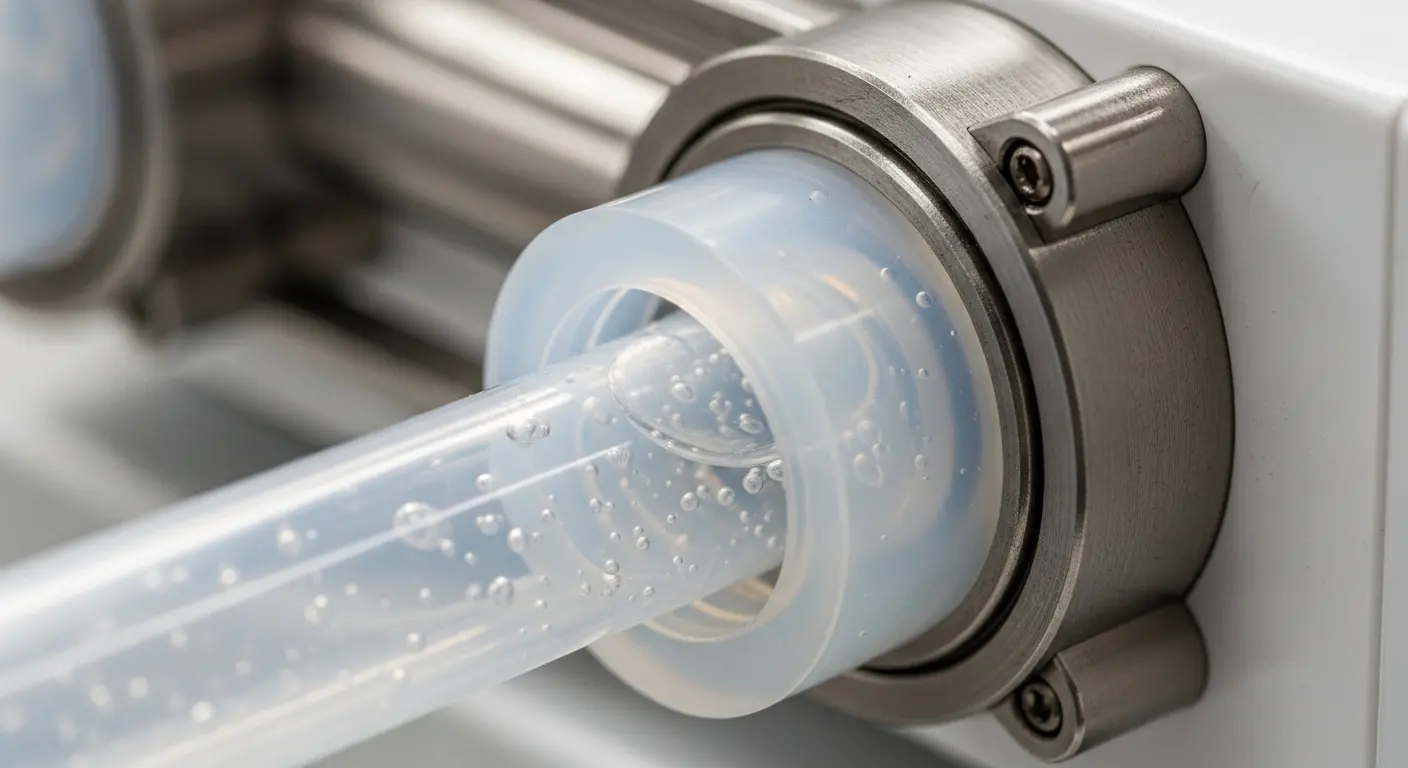
You should choose silicone tubing when you need extreme temperature resistance, high biocompatibility, and long-term durability. Medical professionals use silicone for applications involving sensitive bodily fluids because it does not leach toxic chemicals. It remains incredibly flexible and resilient even after repeated sterilization cycles.
Silicone stands out in critical care and surgical environments. It easily survives the extreme heat of hospital autoclaves. You can sterilize it repeatedly without degrading the material. This makes it a staple in reusable medical devices. Doctors often use silicone for long-term patient care. For instance, when inserting a malecot catheter, the high-grade material ensures patient comfort and safety. It resists kinking, ensuring a continuous flow of vital fluids. It also possesses a natural resistance to bacteria buildup. This lowers the risk of hospital-acquired infections.
How Do Peristaltic Pumps Use Silicone?
Peristaltic pumps use silicone tubing because of its exceptional "shape memory" and flexibility. The pump mechanisms constantly squeeze and release the tubing to move fluids. Silicone withstands thousands of compression cycles without cracking, deforming, or losing its circular shape, ensuring precise fluid delivery.
You need accurate dosing in medical pumps. If a tube flattens out and does not spring back, the flow rate drops. PVC permanently deforms under constant squeezing. Silicone bounces back instantly. This guarantees that the patient receives the exact right amount of medication every single second.
Why Are Long-Term Implants Made of Silicone?
Long-term implants use silicone because the human body does not recognize it as a foreign substance. Silicone is highly biocompatible, hypoallergenic, and does not trigger harsh immune responses. This allows devices like pacemakers and feeding tubes to remain safely inside the body for years.
The immune system aggressively attacks foreign plastics. PVC causes inflammation and scarring when implanted. Silicone smoothly integrates into surrounding tissues. Surgeons rely on this stability for life-saving devices. The material stays soft and pliable inside the body. It does not harden or become brittle over time. This prevents internal injuries and keeps the patient comfortable long after the surgery ends.
When Is PVC Medical Tubing the Better Choice?
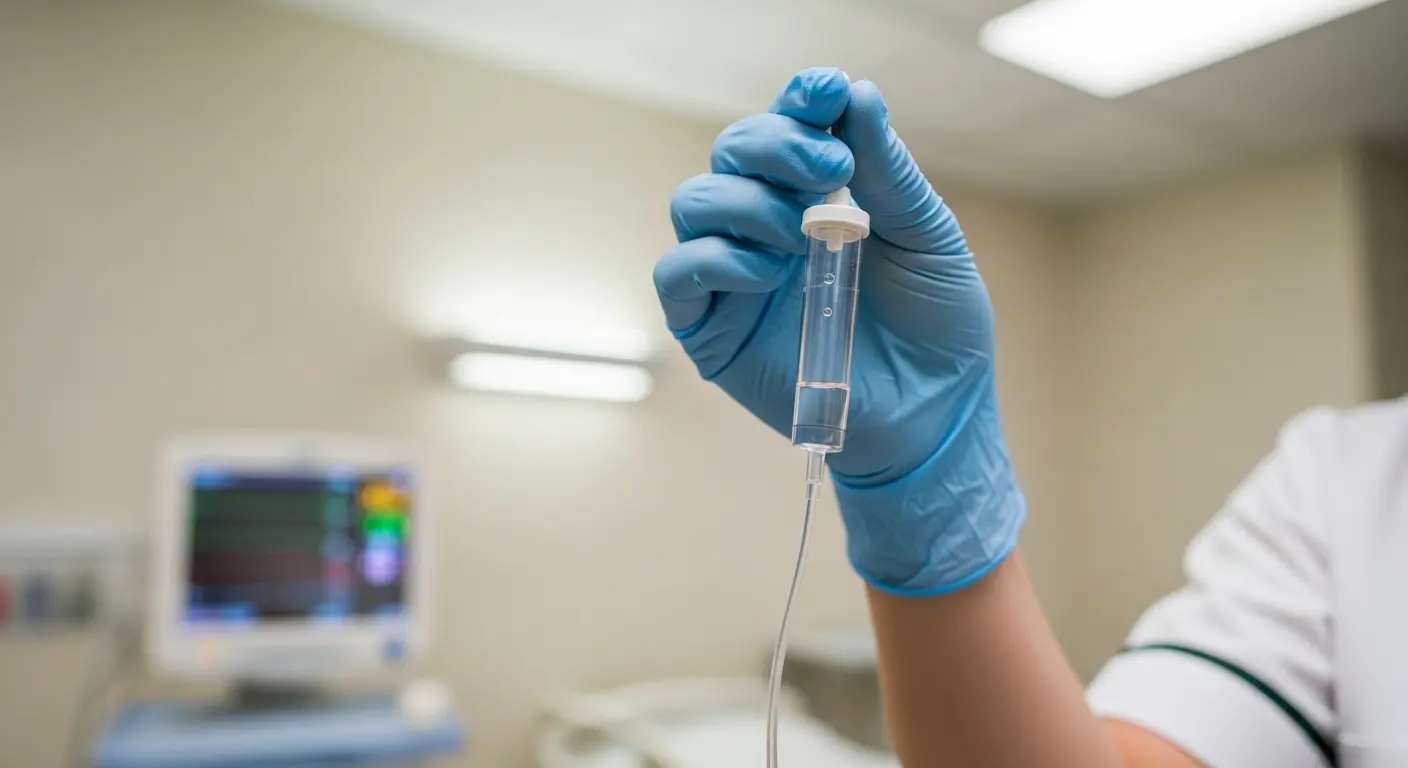
PVC medical tubing is the better choice for short-term, single-use medical devices where cost-efficiency and clarity are priorities. Hospitals rely heavily on PVC for disposable IV lines and fluid transfer applications. It offers unmatched economic value for high-volume, throwaway medical supplies.
Healthcare facilities burn through supplies rapidly. Budget matters heavily in hospital administration. PVC dominates the disposable market. It provides crystal-clear visibility. Nurses can easily monitor fluid flow and spot air bubbles instantly. Manufacturers produce PVC at a fraction of the cost of silicone. You will see PVC in everyday items. For example, a standard medical hypodermic syringe often pairs with disposable PVC components. It works perfectly for brief fluid transfers. As long as the application is temporary, modern medical-grade PVC is incredibly safe and effective.
Why Do Blood Banks Prefer PVC Bags and Tubes?
Blood banks prefer PVC tubing because it can be easily sealed using radio-frequency welding. PVC also contains specific plasticizers that help preserve red blood cells during storage. This extends the shelf life of donated blood significantly compared to silicone alternatives.
You must keep donated blood viable for as long as possible. The DEHP plasticizers in traditional PVC actually stabilize the cell membranes of red blood cells. Silicone does not offer this chemical benefit. Furthermore, technicians need to quickly seal and cut blood lines without causing leaks. PVC melts and bonds perfectly using heat sealers. This creates a sterile, airtight barrier instantly.
How Does Clarity Improve Intravenous Therapy?
Clarity improves intravenous therapy by allowing nurses to visually inspect the fluid pathway in real-time. Crystal-clear PVC tubing makes it incredibly easy to spot dangerous air bubbles, blood clots, or medication blockages. This immediate visual feedback is critical for preventing patient harm.
Silicone often has a slightly cloudy or translucent appearance. You can see fluid moving, but you might miss tiny details. PVC looks like glass. When a nurse administers critical medication, they must verify that the line is completely clear. One air bubble can cause a fatal embolism. The absolute transparency of PVC provides peace of mind and increases clinical safety.
How Does Sterilization Affect Silicone and PVC Materials?
Sterilization affects silicone and PVC very differently. Silicone easily withstands high-heat autoclaving, gamma radiation, and ethylene oxide without losing its shape or chemical stability. PVC degrades under high heat and typically requires gamma irradiation or chemical sterilization for single-use applications.
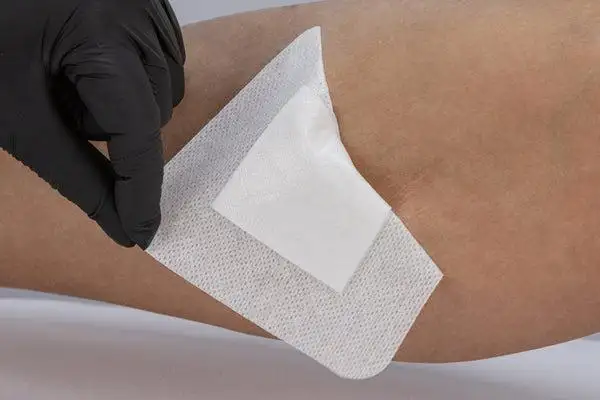
You cannot put standard PVC in an autoclave. It will melt and deform permanently. PVC relies heavily on cold sterilization methods during the manufacturing process. This aligns perfectly with its role as a disposable product. You use it once, and you throw it away. You do not reuse it alongside hospital dressing products that require deeply sterile environments.
Silicone, conversely, handles brutal sterilization. It retains its physical properties after hundreds of autoclave cycles. This reusability offsets its higher initial price tag. You can safely clean it and use it again. You must understand your facility's sterilization capabilities before purchasing bulk tubing. If you lack cold sterilization options, PVC might pose a logistical problem. If you pair tubing with a sterile medical cotton swab kit, ensure the tubing meets the exact same sterile packaging standards.
How Do Chemical Plasticizers Impact Patient Safety?
Chemical plasticizers impact patient safety by potentially leaching out of the tubing and entering the patient's bloodstream. While modern medical PVC uses safer plasticizers, long-term exposure to certain chemicals can cause endocrine disruption. Silicone eliminates this risk entirely because it requires zero plasticizers.
You must be careful with vulnerable patients. Neonatal units and oncology wards require the safest materials available. Harsh chemotherapy drugs can extract plasticizers from PVC walls. This degrades the tubing and harms the patient. Many hospitals now mandate plasticizer-free tubing for high-risk procedures. You must always read the manufacturer's chemical compatibility charts before administering aggressive medications.
What Are Phthalates in PVC Tubing?
Phthalates are chemical compounds added to rigid PVC plastic to make it soft and flexible. DEHP is the most common phthalate used in medical tubing. While it creates excellent flexibility, DEHP can gradually leach out of the plastic when exposed to warm bodily fluids or lipids.
Regulatory bodies heavily monitor DEHP usage today. Many manufacturers have transitioned to alternative, safer plasticizers. However, you must still verify the exact chemical makeup of your PVC supplies. If you treat infants or pregnant women, you should proactively avoid phthalate-heavy tubing.
What Are the Cost and Environmental Impacts of These Tubes?
PVC costs significantly less upfront but generates massive medical waste due to its single-use nature. Silicone requires a larger initial investment but offers environmental and financial savings over time through absolute reusability. Your budget and sustainability goals dictate the best material for your clinic.
You must weigh immediate costs against long-term value. A hospital purchasing manager must balance the books tightly. PVC wins the immediate price war. It is cheap to produce and buy in bulk. However, disposing of medical PVC creates severe environmental challenges. Incinerating PVC can release harmful toxins and dioxins into the air.
Silicone is much more environmentally friendly. It does not release toxic fumes when burned. Because you can reuse it repeatedly, you generate far less physical waste. Sometimes a doctor writes a prescription or order on an as-needed basis. If you wonder what does PRN mean in medical terms, it means "as needed." When you only need equipment PRN, having durable, sterilizable silicone on hand is highly efficient. You do not waste a disposable PVC line for a quick, infrequent procedure.
Tip: Always audit your monthly medical waste disposal costs. If your facility spends heavily on incinerating disposable plastics by the pound, transitioning some departments to reusable silicone tubing might actually save your hospital money annually.
How to Choose the Right Medical Tubing Supplier?
You choose the right medical tubing supplier by verifying their ISO certifications, cleanroom manufacturing standards, and chemical safety testing. A reliable supplier provides clear documentation on biocompatibility and sterilization methods. They must guarantee that their products meet strict FDA or CE medical device regulations.
Do not buy medical tubing from unverified sources. The risk of contamination is too high. Ask your supplier for their quality control data. They should easily provide reports on burst pressure, tensile strength, and chemical leaching. A strong partnership with a reputable manufacturer ensures your clinic runs smoothly and safely.
Submit Your Request
Recent Posts

Tags
- Adult Diapers
- Are custom medical devices safe
- Baby Diapers
- Can respiratory anesthesia be used
- Digital Healthcare
- Do you offer customized consumables
- European Market
- How do you take care of a skin wound
- Industry Trends
- Lady Sanitary Napkins
- Medical Devices
- OEM Medical Devices
- Product Introductions
- Protective Equipment
- Under Pads
- What are custom-made medical devices
- What are diagnostic products
- What are hospital dressing products
- What are medical tube catheters
- What are some common protective equipment
- What are the appropriate applications for hospital dressing products
- What are the appropriate uses for protective equipment
- What is a gynecological examination
- What is a medical consumable
- What is an anesthesia kit
- What is an OEM in medical devices
- what is an wound skin care
- what is can disposable ultrasonic diagnostic
- What is good manufacturing medical devices
- What is hospital-grade protective equipment
- what is medical equipments hospital furniture
- What is medical sterilization wrapping
- What is rehabilitation equipment device
- What medical consumables do you supply
- Where can I find laboratory consumables wholesale
- where can I find medical protection device
- where to buy hypodermic accessories
- where to buy medical apparel
- where to buy medical consumable accessories
- where to find OEM medical device supplier
- where to find rehabilitation equipment supplier
