



How to Choose a Reliable Medical Rubber Tubing Manufacturer in China


Finding the best medical rubber tubing manufacturer china has to offer guarantees high-quality supplies for your hospital. Medical professionals rely entirely on the integrity of their equipment to deliver safe patient care. Tubing transports life-saving medications, drains bodily fluids, and connects critical machinery. You cannot afford to compromise on material safety or manufacturing standards. This guide explains how to identify top-tier suppliers, verify global compliance, and ensure you purchase the safest materials for your medical facility.
What Should You Look for in a Medical Rubber Tubing Manufacturer in China?
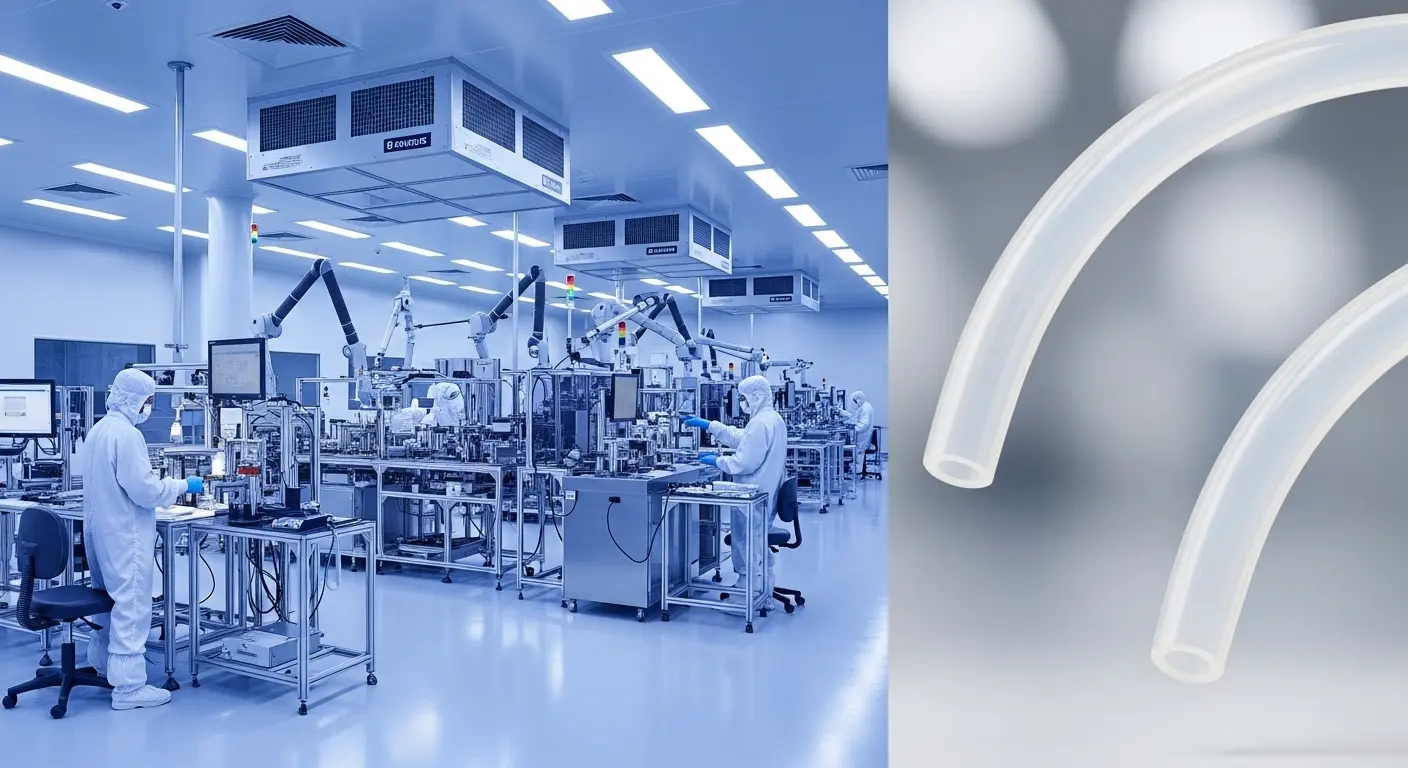
You should look for a manufacturer with verified cleanroom facilities, strict ISO 13485 certifications, and transparent quality control processes. A reliable partner offers complete material traceability and proven experience exporting medical-grade products to global markets. You must prioritize material safety above all else.
Choosing a supplier requires thorough evaluation of their operational standards. The Chinese manufacturing market offers incredible variety. You will find highly advanced facilities alongside lower-tier operations. You must distinguish between them quickly. The right partner acts as an extension of your own quality assurance team. They test every batch of rubber tubing for burst pressure, chemical stability, and biocompatibility.
Here is a comparison of what separates top-tier manufacturers from unreliable suppliers.
| Feature | Top-Tier Manufacturer | Low-Tier Supplier |
| Cleanroom Standard | ISO Class 7 or Class 8 verified | Standard factory floor |
| Certifications | ISO 13485, CE, FDA registered | Local business licenses only |
| Material Testing | In-house biocompatibility testing | Outsourced or skipped entirely |
| Traceability | Full batch tracking | Little to no documentation |
| Customization | Custom extrusion and molding | Standard, off-the-shelf only |
You must ask for photographic evidence or virtual tours of their cleanrooms. A reputable factory proudly showcases its sterile environments. They invest heavily in air filtration and contamination control. This prevents dust and microbes from embedding into the rubber during the extrusion process. You protect your patients by demanding these strict environmental controls.
How Do Quality Certifications Impact Reliability?
Quality certifications prove that a manufacturer consistently meets strict international safety standards for medical devices. ISO 13485 requires facilities to maintain rigorous risk management and quality control systems. CE marks and FDA registrations guarantee the products are legally safe for specific medical markets.
You cannot rely on verbal promises when buying medical supplies. Certifications provide objective proof of competence. Independent auditors visit the factory to verify their processes. They check how the facility handles raw materials and trains its staff. A certified factory immediately isolates and destroys defective products. This ensures that only flawless rubber tubing reaches your hospital loading dock.
Why Is Material Purity Crucial for Medical Tubing?
Material purity is crucial because chemical contaminants in rubber tubing can leach directly into a patient's bloodstream. High-purity medical rubber contains no toxic plasticizers, heavy metals, or reactive chemicals. This absolute purity prevents severe allergic reactions and dangerous medication interactions during treatment.
You must understand the chemical makeup of your hospital supplies. Medical tubing often transports harsh chemotherapy drugs or sensitive biological fluids. Low-quality rubber degrades when exposed to these substances. It can release harmful compounds or absorb the medication itself. This alters the dosage the patient receives. Premium manufacturers use platinum-cured silicone or high-grade synthetic rubber to prevent these deadly interactions.
Your supplier must provide comprehensive chemical compatibility charts. These documents prove exactly how their tubing reacts to different drugs and sterilization methods. You should review these charts alongside your clinical pharmacists. This collaboration ensures you select a material that perfectly matches your specific medical protocols.
How Does Silicone Rubber Compare to Natural Latex?
Silicone rubber offers superior chemical stability, extreme temperature resistance, and high biocompatibility compared to natural latex. Latex provides excellent elasticity but carries a severe risk of triggering life-threatening allergic reactions in patients and hospital staff. Silicone completely eliminates this dangerous allergy risk.
Modern hospitals aggressively phase out natural latex. The liability is simply too high. You never know when a patient might suffer an anaphylactic shock. Silicone has become the gold standard for medical tubing. It survives repeated autoclave sterilization without melting or cracking. Natural latex breaks down quickly under high heat. While latex costs less upfront, silicone provides far greater safety and longevity for critical medical applications.
What Are the Most Common Applications for Medical Rubber Tubing?
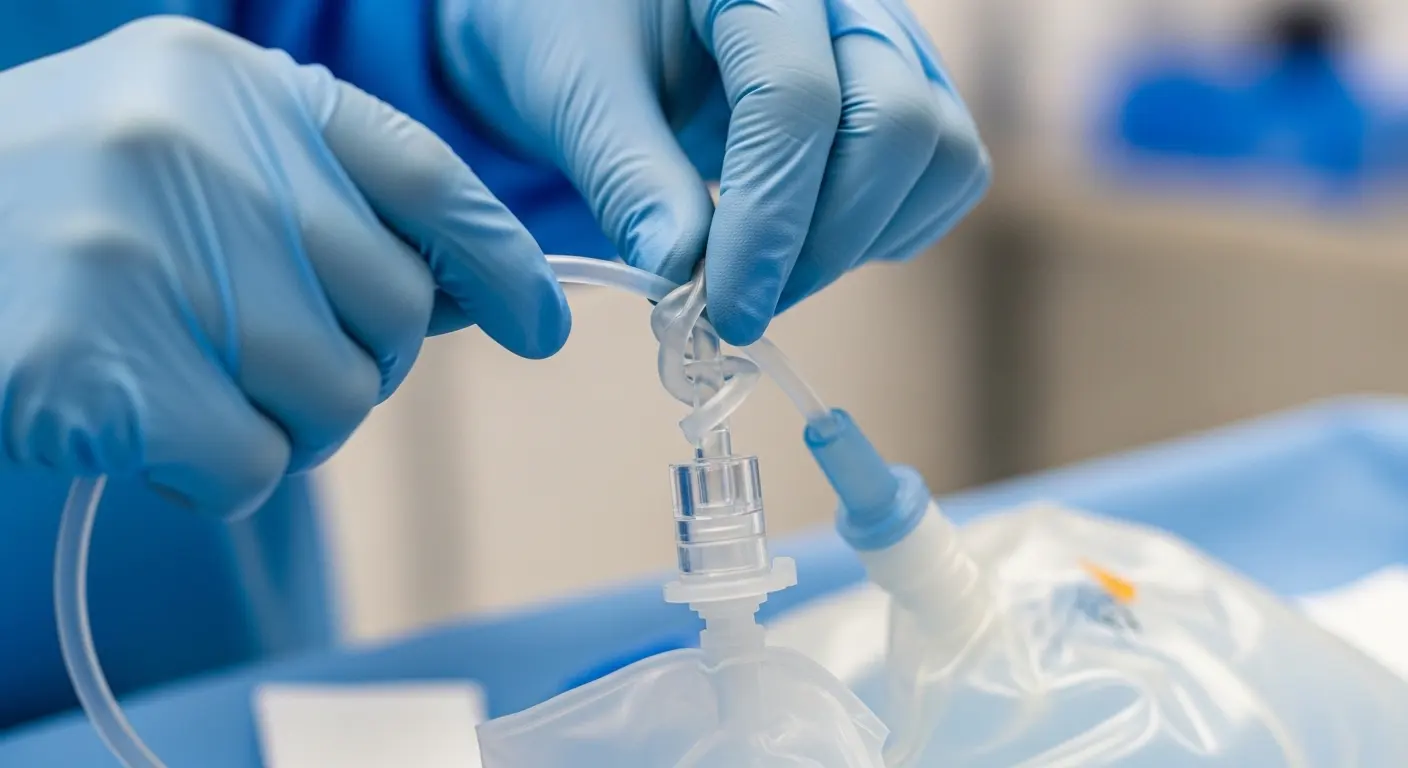
Medical rubber tubing is used extensively for intravenous drug delivery, surgical drainage, respiratory ventilators, and peristaltic pumps. Doctors rely on these flexible tubes to securely connect needles, catheters, and fluid bags, ensuring a sterile pathway into and out of the human body.
You find rubber tubing in almost every hospital department. An anesthesiologist uses it to deliver precise mixtures of oxygen and medical gases. A phlebotomist uses it as a tourniquet. You also see it directly integrated into complex medical devices. For example, a malecot catheter relies on highly flexible, tissue-friendly tubing to drain fluids safely from the body.
The tubing must connect flawlessly to other instruments. A poorly sized tube will slip off a connector and cause a massive fluid leak. When a nurse attaches a tube to a medical hypodermic syringe, the fit must be perfectly airtight. Manufacturers carefully control the inner and outer diameters of the tubing during extrusion. They ensure these critical dimensions remain exactly consistent across hundreds of miles of product.
How Do Tubing Specifications Affect Fluid Delivery?
Tubing specifications dictate the exact flow rate and pressure capacity of fluid delivery systems. The inner diameter controls how much fluid moves, while the wall thickness determines how much pressure the tube can withstand. Incorrect specifications cause dangerous blockages or ruptured lines.
You must provide exact engineering drawings to your manufacturer. If the wall is too thin, a medical pump will collapse the tube. This instantly stops the flow of life-saving medicine. If the wall is too thick, the tube becomes rigid and difficult for nurses to maneuver. A highly skilled manufacturer helps you balance flexibility with structural integrity. They use advanced laser micrometers to measure the tubing continuously as it rolls off the production line.
How Do Hospitals Manage PRN Supply Orders Effectively?
Hospitals manage PRN supply orders effectively by maintaining safety stock levels and partnering with manufacturers that offer rapid production turnarounds. Establishing a reliable supply chain ensures clinics always have critical tubing available for unpredictable, as-needed medical procedures without overstocking inventory.
Medical demands fluctuate wildly. You cannot always predict exactly how many supplies you will use in a given month. If you are wondering what does PRN mean in medical terms, it stands for "pro re nata," meaning "as the situation demands." Hospitals order many specialty tubes strictly PRN.
You need a manufacturing partner who understands this dynamic environment. A strong supplier maintains raw material inventory specifically for your account. When you suddenly need a specific surgical tube, they can begin production immediately. You avoid massive warehouse storage costs while still guaranteeing patient safety. Clear communication and digital inventory tracking make this relationship work perfectly.
Why Is Supply Chain Transparency Important?
Supply chain transparency ensures you know exactly where your raw materials originate and how they are processed. This visibility protects your hospital from counterfeit materials, prevents unexpected delivery delays, and guarantees that your products consistently meet all legal safety regulations.
A crisis in raw material availability can shut down a hospital. You must know if your manufacturer relies on a single, risky source for their rubber. Transparent suppliers openly share their vendor lists. They show you their risk mitigation plans. If a natural disaster strikes one region, they already have a backup material supplier approved and ready. You sleep better knowing your supply chain is resilient.
How Can You Audit a Supplier Before Placing a Bulk Order?

You audit a supplier by requesting product samples, verifying their third-party quality certificates, and conducting independent laboratory testing. You should also request a detailed virtual or physical facility tour to inspect their cleanrooms, extrusion machinery, and employee hygiene practices directly.
Never place a massive bulk order without testing the product first. You must hold the rubber tubing in your hands. Flex it, stretch it, and attempt to tear it. Check the clarity and the surface finish. A high-quality tube feels smooth and lacks any sticky residue. Send these initial samples to an independent lab. Verify that the chemical composition perfectly matches the manufacturer's claims.
You should also review the manufacturer's entire catalog. A factory that produces a wide range of high-quality items usually maintains strong quality control. Look at how they handle other sterile items. Do they manufacture sterile hospital dressing products? Do they produce perfectly sealed medical cotton swab packages? A company that excels across multiple medical product lines demonstrates deep operational maturity.
What Questions Should You Ask Your Manufacturing Partner?
You should ask your manufacturing partner about their defect rate, sterilization capabilities, and batch tracking software. Ask how they handle product recalls and require them to detail their exact procedure for testing the burst pressure and tensile strength of their tubing.
- What exact class of cleanroom do you use for extrusion and packaging?
- Can you provide recent third-party audit reports for your ISO 13485 certification?
- How do you guarantee the raw silicone or rubber is free from contaminants?
- Do you offer customized tubing profiles, including multi-lumen designs?
- What is your standard lead time for a high-volume emergency order?
You protect your patients by asking tough questions. A trustworthy manufacturer welcomes this scrutiny. They gladly provide all the documentation you request. You build a lasting, profitable relationship by establishing clear expectations from the very first meeting. Take your time, verify every detail, and choose a partner dedicated to clinical excellence.
Submit Your Request
Recent Posts

Tags
- Adult Diapers
- Are custom medical devices safe
- Baby Diapers
- Can respiratory anesthesia be used
- Digital Healthcare
- Do you offer customized consumables
- European Market
- How do you take care of a skin wound
- Industry Trends
- Lady Sanitary Napkins
- Medical Devices
- OEM Medical Devices
- Product Introductions
- Protective Equipment
- Under Pads
- What are custom-made medical devices
- What are diagnostic products
- What are hospital dressing products
- What are medical tube catheters
- What are some common protective equipment
- What are the appropriate applications for hospital dressing products
- What are the appropriate uses for protective equipment
- What is a gynecological examination
- What is a medical consumable
- What is an anesthesia kit
- What is an OEM in medical devices
- what is an wound skin care
- what is can disposable ultrasonic diagnostic
- What is good manufacturing medical devices
- What is hospital-grade protective equipment
- what is medical equipments hospital furniture
- What is medical sterilization wrapping
- What is rehabilitation equipment device
- What medical consumables do you supply
- Where can I find laboratory consumables wholesale
- where can I find medical protection device
- where to buy hypodermic accessories
- where to buy medical apparel
- where to buy medical consumable accessories
- where to find OEM medical device supplier
- where to find rehabilitation equipment supplier
