



PTFE Liner for Catheters: Precision Engineering Guide 2026


Imagine a neurovascular surgeon navigating a micro-catheter through the delicate, winding vessels of the brain. The success of that procedure doesn't just depend on the surgeon’s steady hand. It relies on the physics of the catheter's inner lumen. If there’s even a hint of friction, the device catches, the wire buckles, and the procedure stalls. This is exactly why choosing the right PTFE liner for catheters is the most critical decision an R&D engineer makes during the design phase. It’s the hidden layer that provides the "slip" required for life-saving interventions.
At Greetmed, we know that the innermost layer is the soul of the device. You aren't just looking for a plastic tube; you’re looking for a precision-engineered barrier that guarantees performance. Here’s a deep look into why PTFE liners remain the industry standard and how you can optimize them for your next medical device project.
Why PTFE is the Non-Negotiable Choice for Catheter Lumens
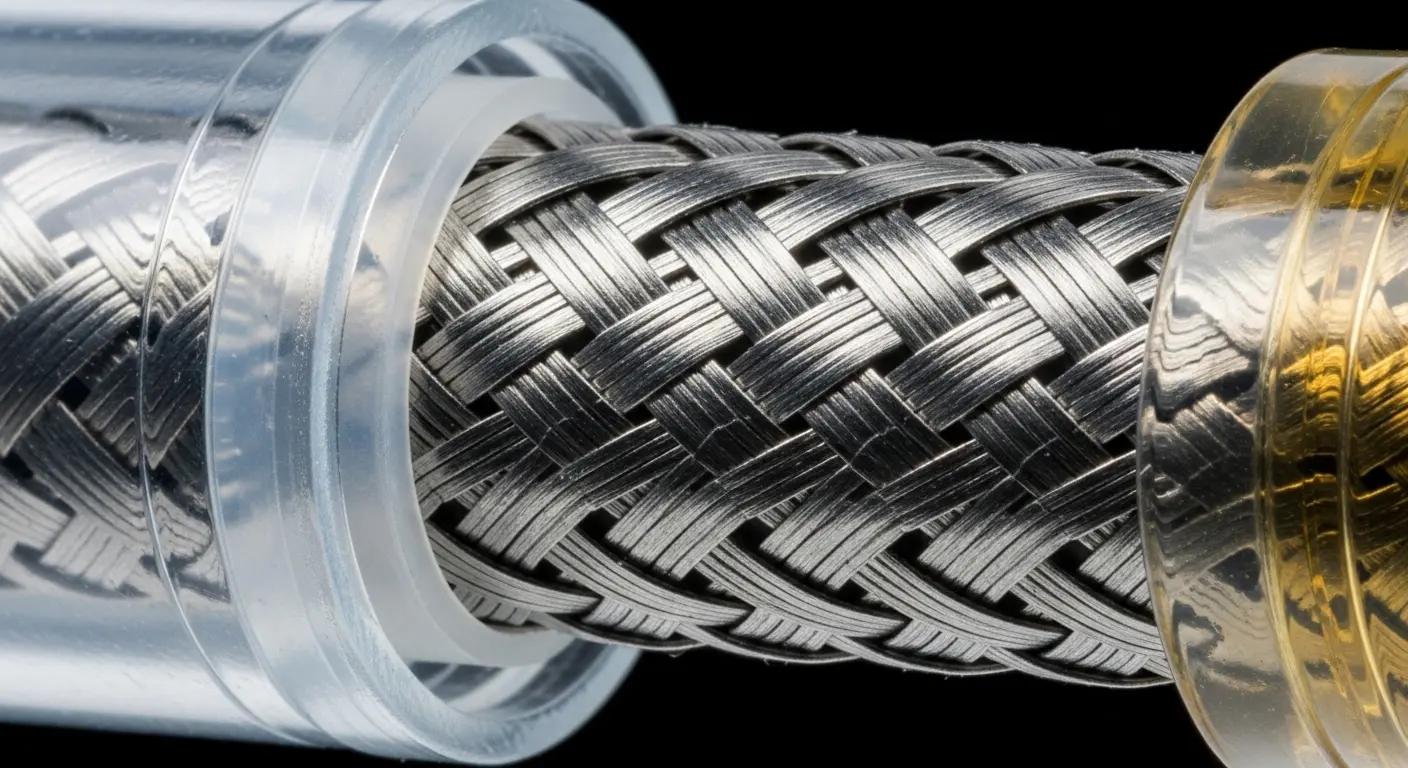
When you compare materials for a catheter’s inner lining, PTFE (Polytetrafluoroethylene) stands alone. Its primary claim to fame is its incredibly low coefficient of friction. Actually, it’s one of the slipperiest solid materials known to man. In medical terms, this translates to "lubricity." This lubricity allows guidewires and other interventional tools to slide through the lumen with almost zero resistance.
Beyond just being slippery, PTFE is chemically inert. This means it won't react with the drugs, fluids, or biological tissues it encounters. Whether you are designing standardized medical hypodermic syringes or complex delivery systems, material stability is vital. PTFE handles harsh sterilization cycles like Ethylene Oxide (EtO) and autoclaving without losing its structural integrity.
Because of these properties, PTFE liners are the backbone of everything from simple drainage tubes to high-end stent delivery systems. It’s the material that ensures a device performs exactly the same way in the 10th hour of a surgery as it did in the 1st.
Critical Specifications: Beyond the ID and OD
When you start sourcing a PTFE liner for catheters, you’ll likely focus on the Inner Diameter (ID) and Outer Diameter (OD). While those are essential, they only tell half the story. To outperform your competition, you need to look at the finer details of the extrusion process.
Wall Thickness Precision
In the world of micro-catheters, space is the ultimate luxury. Engineers are constantly pushing for thinner walls to maximize the internal lumen while keeping the overall device profile small. We’re now seeing "Ultra-Thin Wall" liners that reach down to 0.0005 inches (0.0127 mm).
However, as the wall gets thinner, the risk of "pinholing" or structural collapse increases. You need a liner that maintains its circularity even when it’s thinner than a human hair. This precision is what allows for the complex layering seen in specialized drainage solutions like the Malecot catheter.
Tensile Strength & Elongation
Manufacturing yields often suffer because of "liner stretch." If a liner is too soft, it will elongate during the braiding or jacket-lamination process. This thinning can lead to lumen collapse. High-quality PTFE liners are "heat stabilized" during extrusion to minimize this longitudinal growth.
When you test your samples, pay close attention to the elongation percentage. You want a liner that stays put. If the liner shifts or stretches during the reflow process, your entire batch could end up in the scrap bin.
The Science of Etching: Making the Slippery Stick
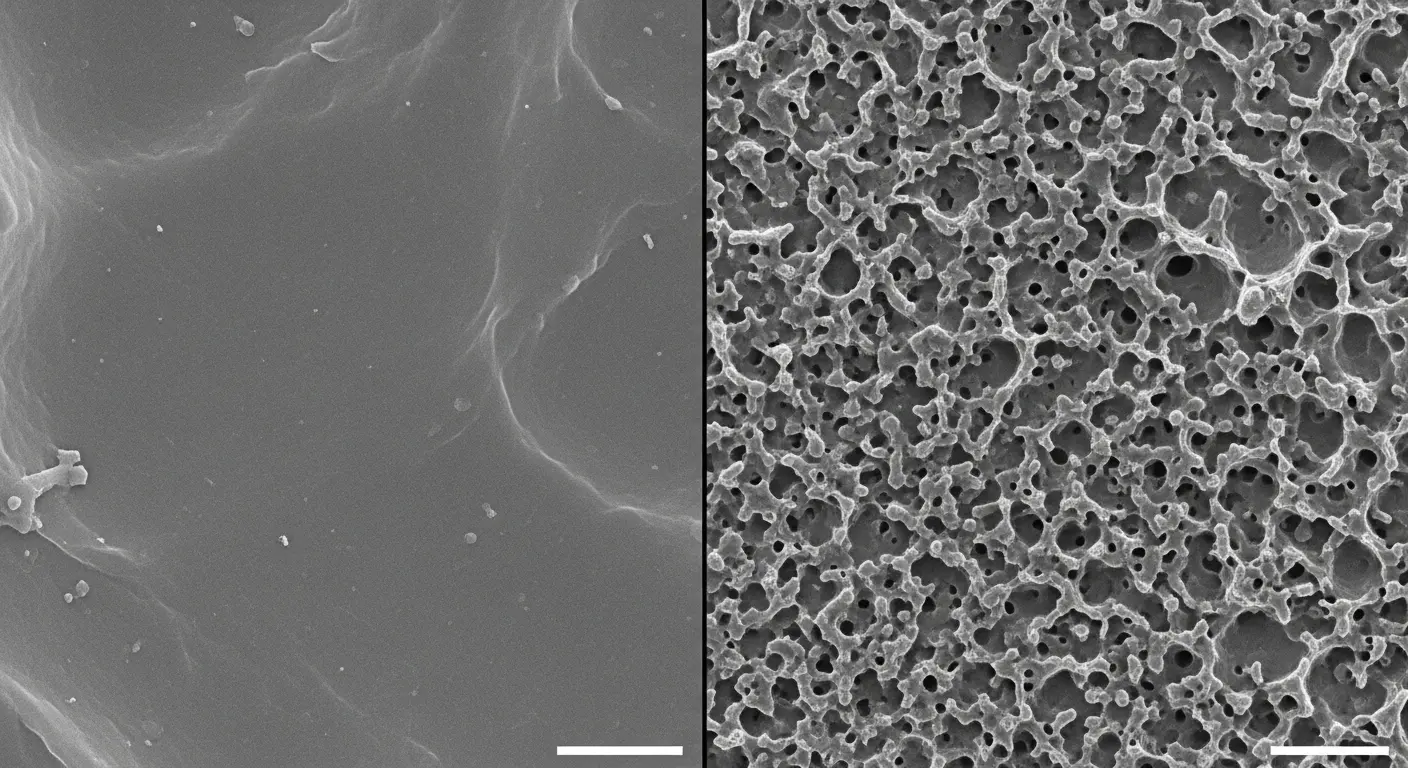
Here’s the paradox of PTFE: it’s so slippery that nothing wants to stick to it. But to build a catheter, you must bond the outer polymer jacket to the inner PTFE liner. If you don't, the layers will "delaminate," and the catheter will fail as soon as it’s flexed.
To solve this, we use a process called chemical etching. Usually, this involves a sodium naphthalene solution that strips fluorine atoms from the surface of the PTFE. This creates a chemically active "nap" that allows adhesives and outer polymers (like Pebax or TPU) to form a permanent bond.
However, etching is a delicate balance. Over-etching can make the PTFE brittle, leading to cracks when the catheter bends. Under-etching leads to poor bond strength. We recommend looking for a "contact angle" test result. A lower contact angle indicates a more "wettable" and bondable surface. This ensures your device remains a single, cohesive unit during tortuous navigation.
Applications in Modern Interventional Medicine
The versatility of the PTFE liner for catheters means it shows up in almost every corner of the hospital. If a device needs to deliver a tool or a fluid deep into the body, PTFE is likely involved.
- Neurovascular Micro-catheters: These require the thinnest possible liners and the highest lubricity to reach small vessels in the brain.
- Cardiovascular Stent Delivery: The liner must withstand high radial pressures as the stent is deployed without tearing or deforming.
- Aspiration Catheters: Here, the liner helps maintain a smooth path for large clots to be vacuumed out of the body without getting stuck.
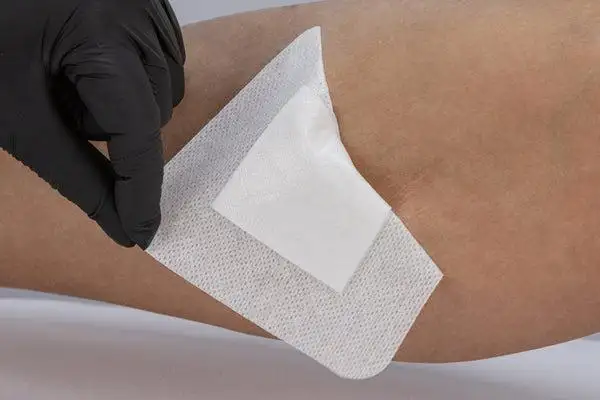
While we often focus on these high-tech uses, the same material science applies to essential hospital dressing products and fluid management systems. Consistency across all these applications is what builds trust with clinicians.
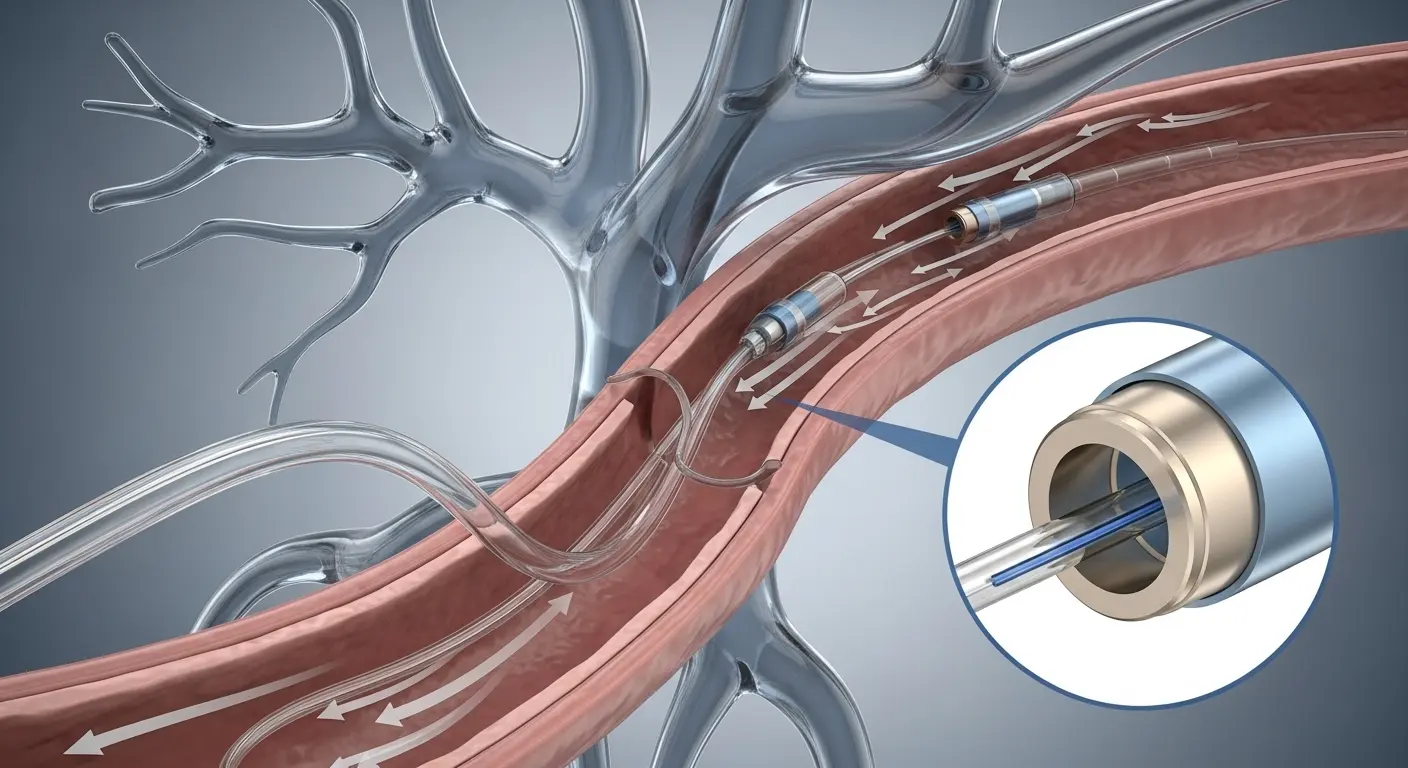
Optimizing the Reflow Process: Bonding PTFE to Outer Jackets
Once you have your etched liner, the real work begins in the cleanroom. The "reflow" or lamination process is where the liner, the reinforcement braid, and the outer jacket become one.
You’ll typically slide a heat-shrink tube (often FEP) over the entire assembly. As the heat rises, the jacket melts, and the shrink tube squeezes it down into the etched surface of the PTFE. Because the PTFE has a much higher melting point (~327°C) than the outer jackets, it stays solid and maintains the lumen's shape.
A common mistake is using too much heat or pressure, which can cause the liner to "flower" at the ends or collapse. We suggest using a "tie-layer" for difficult bonds. A tie-layer is a very thin coating of a material that is compatible with both the PTFE and the outer jacket, acting as a structural bridge.
PTFE vs. Polyimide: When to Switch?
While PTFE is the king of lubricity, it isn't always the strongest material. Sometimes, you need more "pushability" or kink resistance. This is where Polyimide (PI) comes in.
- PTFE: Best for maximum lubricity and chemical resistance. It’s softer and more flexible.
- Polyimide: Best for ultra-thin walls that require high structural strength. It’s much stiffer than PTFE.
Many modern designs now use "Hybrid" liners. These might feature a PTFE inner layer for slip and a Polyimide outer layer for strength. Understanding these trade-offs is how you move from a "good" design to an "industry-leading" one. If you're ever confused by the terminology used in these technical specs, checking a guide on medical terms and clinical shorthand can help bridge the gap between engineering and clinical use.
Troubleshooting Common Liner Issues
Even with the best materials, things can go wrong. Here are the three most common issues we see in catheter manufacturing:
1. Delamination
If your jacket peels away from the liner, your etching is likely the culprit. Check the age of your etched liners. The "bondability" of an etched surface can degrade over time, especially if exposed to UV light or high humidity. We recommend using etched liners within six months for the best results.
2. Lumen Ovality
If your round lumen becomes an oval, it usually means the liner was crushed during the braiding process. Increase the tension on your mandrel or use a stiffer grade of PTFE to maintain that perfect circle.
3. Rough Inner Surface
Occasionally, users report "chatter" when moving a guidewire. This is often caused by microscopic ridges in the PTFE extrusion. Ensure your supplier is using "high-residence time" extrusion to guarantee a glass-smooth finish.
Frequently Asked Questions (FAQ)
Does PTFE contain PFAS, and what are the 2026 regulations?
This is a hot topic. While PTFE is a fluoropolymer, it is a "polymer of low concern" because it is too large to be bioavailable. However, global regulations are tightening. Most medical-grade PTFE is now produced without PFOA or PFOS surfactants. Always ask your supplier for a "REACH and RoHS Compliance" certificate.
What is the smallest wall thickness possible for a PTFE liner?
Currently, the industry floor is around 0.0005 inches (12.7 microns). Anything thinner than this risks significant manufacturing defects. Most standard catheters use a wall thickness between 0.001" and 0.002".
Can I get custom colors for PTFE liners?
Yes. While natural PTFE is milky white, we can add medical-grade pigments. This is often used for "striping" or color-coding different lumens in a multi-lumen catheter.
How do I store etched PTFE liners?
Store them in black, UV-shielded bags. Keep them in a temperature-controlled environment. Sunlight is the enemy of an etched surface; it will "re-passivate" the surface and make it unbondable.
Why Greetmed is Your Strategic Partner
Building a world-class catheter requires more than just a material supplier. You need a partner who understands the nuances of the "reflow" process and the rigors of the clinical environment. We don't just provide the PTFE liner for catheters; we provide the technical support to ensure your manufacturing yields stay high.
We've invested in the latest laser micrometer technology to ensure every inch of our tubing meets your tolerances. From initial prototyping to full-scale global distribution, we’re here to ensure your device makes it to the finish line.
Ready to Start Your Next Project?
Don't let a sub-par liner be the reason your device fails. Whether you need an ultra-thin wall for a neuro-catheter or a heavy-duty etched liner for a delivery system, we have the expertise to help you succeed.
High lubricity, consistent etching, and precision tolerances are just a phone call away. Contact our engineering team today to request samples or a custom quote for your specific dimensions. Let's build the next generation of life-saving medical devices together.
Submit Your Request
Recent Posts

Tags
- Adult Diapers
- Are custom medical devices safe
- Baby Diapers
- Can respiratory anesthesia be used
- Digital Healthcare
- Do you offer customized consumables
- European Market
- How do you take care of a skin wound
- Industry Trends
- Lady Sanitary Napkins
- Medical Devices
- OEM Medical Devices
- Product Introductions
- Protective Equipment
- Under Pads
- What are custom-made medical devices
- What are diagnostic products
- What are hospital dressing products
- What are medical tube catheters
- What are some common protective equipment
- What are the appropriate applications for hospital dressing products
- What are the appropriate uses for protective equipment
- What is a gynecological examination
- What is a medical consumable
- What is an anesthesia kit
- What is an OEM in medical devices
- what is an wound skin care
- what is can disposable ultrasonic diagnostic
- What is good manufacturing medical devices
- What is hospital-grade protective equipment
- what is medical equipments hospital furniture
- What is medical sterilization wrapping
- What is rehabilitation equipment device
- What medical consumables do you supply
- Where can I find laboratory consumables wholesale
- where can I find medical protection device
- where to buy hypodermic accessories
- where to buy medical apparel
- where to buy medical consumable accessories
- where to find OEM medical device supplier
- where to find rehabilitation equipment supplier
