



Neurovascular Catheter Design: Engineering for Tortuosity


Imagine you’re trying to thread a needle hidden behind five sharp, 90-degree corners. Now, imagine that thread must remain hollow to deliver life-saving medicine to a vessel as thin as a strand of hair. This isn't just a brain teaser; it’s the daily reality for neurointerventionalists. The success of a stroke intervention or aneurysm coiling depends almost entirely on neurovascular catheter design.
In the medical device world, the human brain is the final frontier. The cerebral vasculature is uniquely tortuous, delicate, and narrow. These factors push polymer science and micro-fabrication to their absolute limits. If a catheter is too stiff, it'll damage the vessel. If it’s too soft, it won't have the "pushability" needed to reach the target. Here's a look at how we engineer that perfect balance.
The Anatomy of a High-Performance Neuro-Catheter
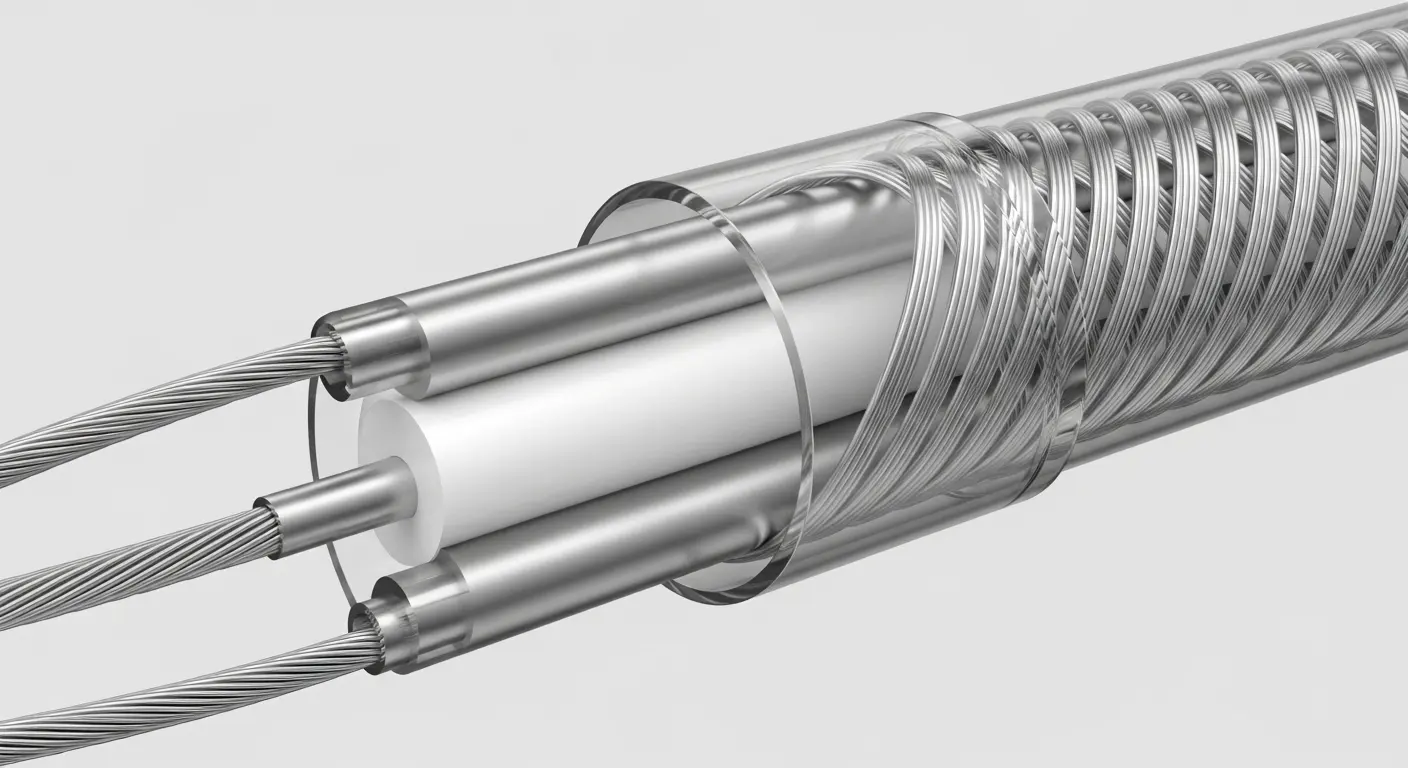
Every high-performance neuro-catheter is a composite skyscraper. It requires a smooth interior, a strong structural skeleton, and a flexible exterior skin. We build these in three distinct layers to manage the extreme demands of intracranial access.
1. The Lubricious Liner (The Interior) The innermost layer is almost always Polytetrafluoroethylene (PTFE). We use this because it offers the lowest possible friction coefficient. When a surgeon pushes a stent retriever or an embolic coil through the tube, any "catch" or drag can lead to failure. We specialize in ultra-thin-wall PTFE liners, sometimes as thin as 0.01 mm. This maximizes the internal diameter without adding bulk to the device.
2. The Reinforcement Skeleton (The Support) This middle layer is where the real engineering happens. We choose between metallic braids or coils.
- Braids: These provide excellent "torque response." When the doctor turns the handle, the tip turns instantly.
- Coils: These offer superior "kink resistance." In the tight turns of the carotid siphon, a coil prevents the tube from collapsing like a garden hose.
3. The Polymeric Jacket (The Skin) Finally, we place a polymeric jacket over the skeleton. Materials like Pebax® and Nylon are the industry standards here. By varying the "durometer" (hardness) along the length—stiff at the handle and soft at the tip—we create a device that transitions from a "pusher" to a "navigator."
Engineering for Tortuosity: Trackability vs. Pushability
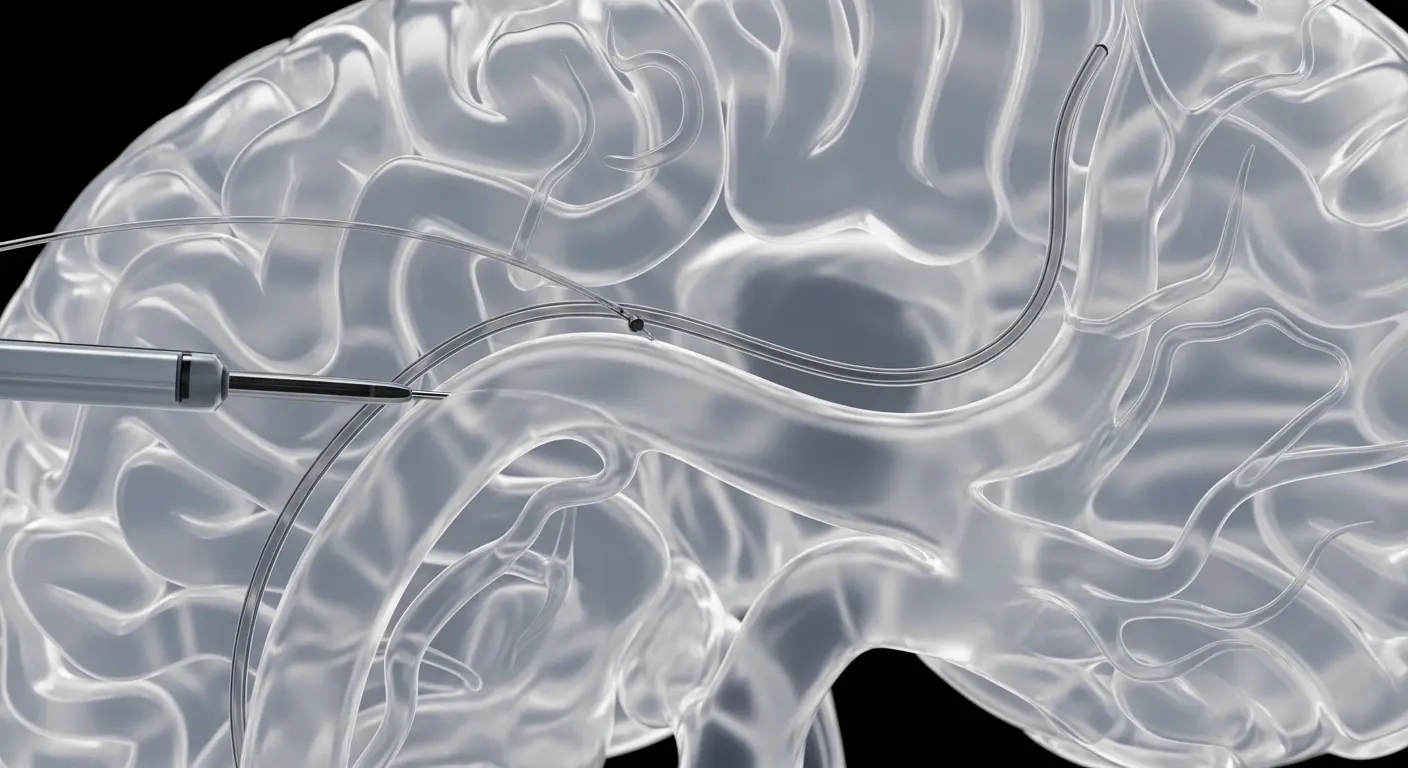
When we talk about neurovascular access, we use a metric called Trackability. This is the ability of the catheter to follow a guidewire through a simulated vessel path. It's a delicate dance of physics.
We calculate the flexural modulus to ensure the device doesn't "hinge" or buckle. This usually happens at the ophthalmic genu, a sharp turn at the base of the skull. If the catheter isn't engineered correctly, it'll simply stop moving forward, no matter how hard the surgeon pushes.
Specifically, this level of precision is just as critical as the dosing accuracy found in a medical hypodermic syringe. Even a microscopic deviation in these cerebral devices can change a clinical outcome in seconds.
Overcoming Common Design Failures
The most feared failure in neurosurgery is kinking. A kinked catheter doesn't just block the flow; it can actually fracture. Consequently, we focus heavily on the "transition zone." This is the point where the stiff reinforcement meets the soft, atraumatic tip.
Research shows that the "lamination temperature" is a key variable. This is the heat used to bond the jacket to the reinforcement. If the temperature is too low, the layers will delaminate or separate under stress. If it’s too high, the polymer chains break down and become brittle.
Meanwhile, while a malecot catheter relies on its specific wing-shape for stability in drainage, a neuro-catheter relies on this internal molecular bond. Without it, the device cannot survive the 180-degree turns required for intracranial reperfusion.
The Greetmed Advantage: Precision at Scale
Why do global OEMs partner with Greetmed for their neurovascular needs? It comes down to our validation protocols. We don't just build the device; we simulate the clinical environment.
We assemble every microcatheter in Class 10,000 (ISO Class 7) cleanrooms. In the brain, a single speck of dust can cause a catastrophic embolization. Therefore, our particulate-free environment is a non-negotiable standard.
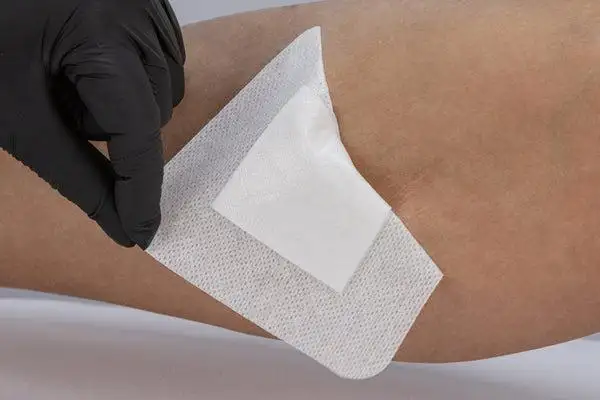
We apply this same level of obsessive quality control to our entire catalog. Whether we are producing high-tech neuro-tools or what are hospital dressing products for post-surgical care, the goal remains zero patient risk. Even simple items like a medical cotton swab undergo rigorous testing to ensure they meet international safety benchmarks.
FAQ: Technical Insights into Neuro-Design
What are the key layers in neurovascular catheter construction? A neurovascular catheter consists of three main layers: a lubricious PTFE inner liner for smooth device delivery, a metallic reinforcement layer (braid or coil) for torque and kink resistance, and a variable-durometer polymer jacket (typically Pebax®) for flexible navigation.
Why is trackability important in neurovascular access? Trackability refers to a catheter's ability to navigate through tortuous cerebral vessels. High trackability ensures the device can follow a guidewire through sharp turns, like the carotid siphon, without kinking or damaging the vessel wall.
What is the "hinge effect" in microcatheter design? The hinge effect occurs when there is a sudden change in stiffness along the catheter shaft. This creates a weak point where the device is prone to kinking during advancement. We prevent this by creating "tapered" transitions with overlapping layers of varying hardness.
What does "PRN" mean in a neuro-surgical order? In clinical settings, "PRN" refers to actions taken "as needed." If you’ve ever wondered what PRN means in medical terms, in a neuro-intervention, it might refer to as-needed aspiration or flushing of the catheter to prevent clot formation during a procedure.
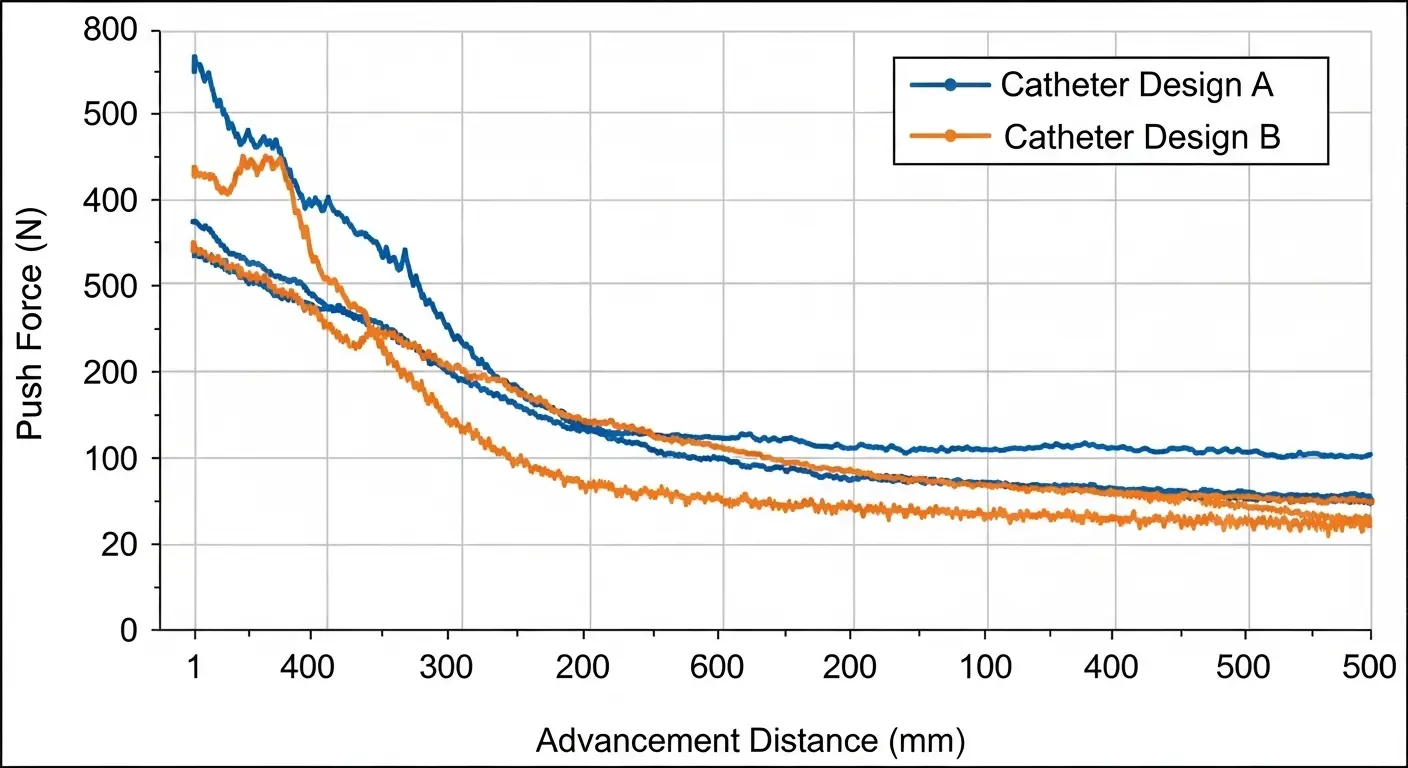
How do you measure "Trackability" in a laboratory setting? We use benchtop glass or silicone models that mimic human vascular anatomy. We measure the "Push Force" required to advance the catheter through these models. A lower force reading generally indicates superior trackability.
Building Pathways to Reperfusion
Neurovascular catheter design is a field of millimeters and milliseconds. Every design choice—from the pitch of the braid to the thickness of the PTFE liner—has a direct impact on a surgeon's ability to save a life.
At Greetmed, we combine advanced material science with the manufacturing agility needed to bring next-generation neuro-devices to market. We don't just build catheters; we build the pathways that allow medicine to reach the most delicate parts of the human body.
Whether you're developing a new aspiration catheter or a micro-delivery system, the foundation of your success is the precision of the design. Don't leave it to chance.
Submit Your Request
Recent Posts

Tags
- Adult Diapers
- Are custom medical devices safe
- Baby Diapers
- Can respiratory anesthesia be used
- Digital Healthcare
- Do you offer customized consumables
- European Market
- How do you take care of a skin wound
- Industry Trends
- Lady Sanitary Napkins
- Medical Devices
- OEM Medical Devices
- Product Introductions
- Protective Equipment
- Under Pads
- What are custom-made medical devices
- What are diagnostic products
- What are hospital dressing products
- What are medical tube catheters
- What are some common protective equipment
- What are the appropriate applications for hospital dressing products
- What are the appropriate uses for protective equipment
- What is a gynecological examination
- What is a medical consumable
- What is an anesthesia kit
- What is an OEM in medical devices
- what is an wound skin care
- what is can disposable ultrasonic diagnostic
- What is good manufacturing medical devices
- What is hospital-grade protective equipment
- what is medical equipments hospital furniture
- What is medical sterilization wrapping
- What is rehabilitation equipment device
- What medical consumables do you supply
- Where can I find laboratory consumables wholesale
- where can I find medical protection device
- where to buy hypodermic accessories
- where to buy medical apparel
- where to buy medical consumable accessories
- where to find OEM medical device supplier
- where to find rehabilitation equipment supplier
