



Catheter OEM Manufacturer China: Precision Engineering


Finding a reliable factory in Asia is actually quite easy. However, finding an engineering partner who won't disappear when your complex prototype fails is the real challenge. If you’re currently searching for a catheter OEM manufacturer china, you’ve likely realized that the gap between a "standard catalog" and a "custom interventional device" is massive.
In the medical device world, your choice of manufacturer is a strategic decision that affects your patient safety and your bottom line. You aren't just looking for a vendor; you're looking for an extension of your R&D team. Here is how we bridge that gap at Greetmed, combining high-precision engineering with the efficiency of a global supply chain.

What should you look for in a Chinese catheter OEM?
When evaluating a catheter OEM manufacturer china, you should prioritize four pillars: a robust QMS (ISO 13485), advanced extrusion and secondary capabilities, material science expertise, and transparent R&D workflows. Specifically, a top-tier partner must offer cleanroom facilities (Class 10,000 or 100,000) and have the ability to handle high-performance polymers like Pebax® and PEEK.
These technical requirements ensure your device meets international regulatory standards. Consequently, choosing a partner with these capabilities reduces your "Speed-to-Market" and helps you avoid costly redesigns during the clinical trial phase.
Beyond the White Label: The Modern OEM Strategy
Most people think an OEM just sticks your logo on an existing tube. That might work for basic IV lines. However, for neurovascular or cardiovascular catheters, the process is far more complex. Modern OEM services focus on "Concept-to-Commercialization."
We don't just build to your print. Instead, we analyze your design for "Manufacturability" (DFM). We might suggest a different reinforcement braid or a specific lamination temperature. These small changes often determine whether your catheter navigates a tight vessel or kinks under pressure. This level of technical oversight is very similar to the precision we apply to manufacturing a medical hypodermic syringe, where even a microscopic deviation can change clinical outcomes.
Core Engineering Capabilities You Need
A capable catheter OEM manufacturer china must have mastered the "Big Three" of catheter construction: Extrusion, Reinforcement, and Tipping. Without these three, you’re just buying a piece of plastic, not a medical device.
1. Precision Extrusion
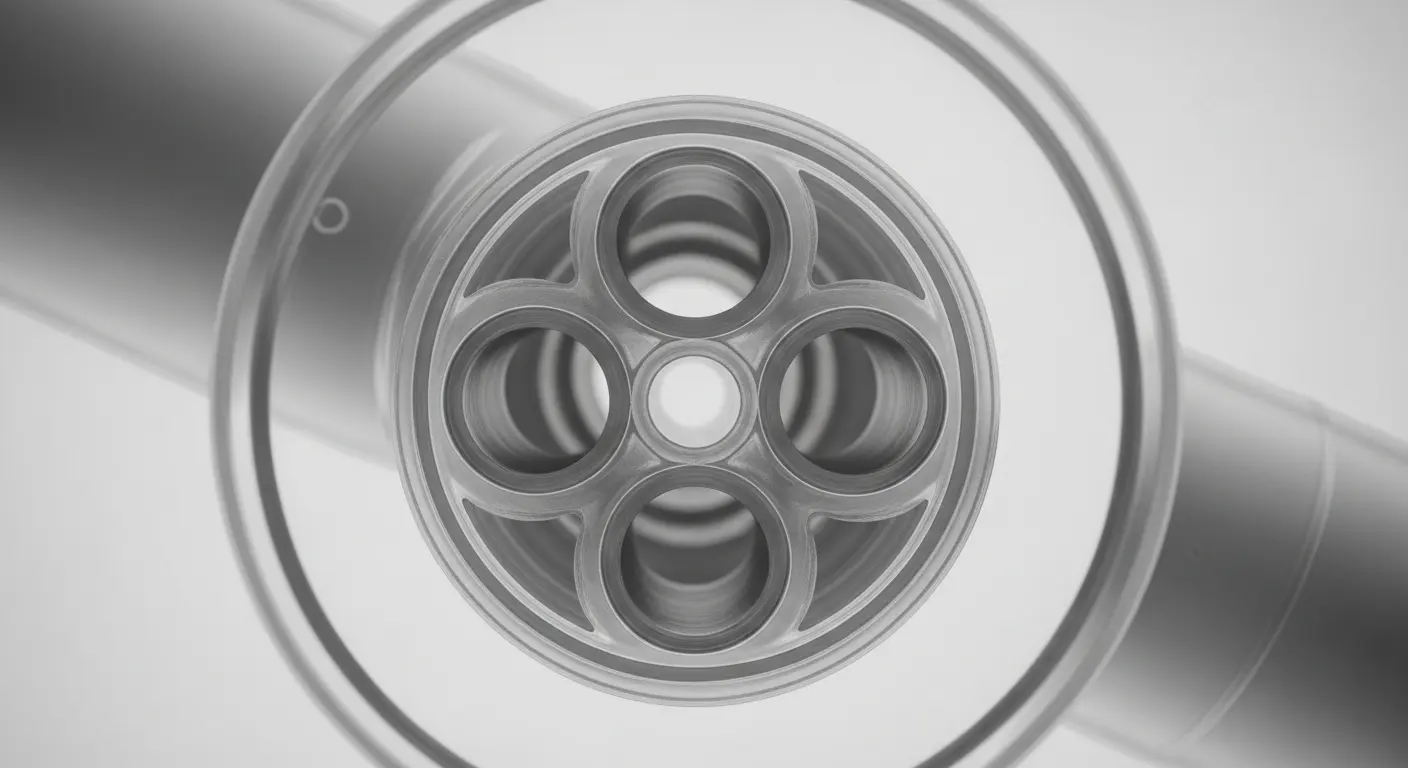
Everything starts with the tube. We utilize closed-loop feedback systems to maintain tolerances as tight as ±0.01mm. Whether you need a simple single-lumen tube or a complex five-lumen co-extrusion, the wall thickness must be perfectly uniform. If it isn't, the tube will have "thin spots" that are prone to bursting.
2. Reinforcement (Braiding and Coiling)
If your catheter needs "Pushability," it needs a metal skeleton. We offer both stainless steel and Nitinol braiding. By varying the "pitch" (the density) of the braid along the shaft, we can make the proximal end stiff and the distal tip soft. Moreover, we can transition from a braid to a coil to provide maximum kink resistance in the carotid siphon or other tortuous paths.
3. RF-Tipping and Hub Bonding
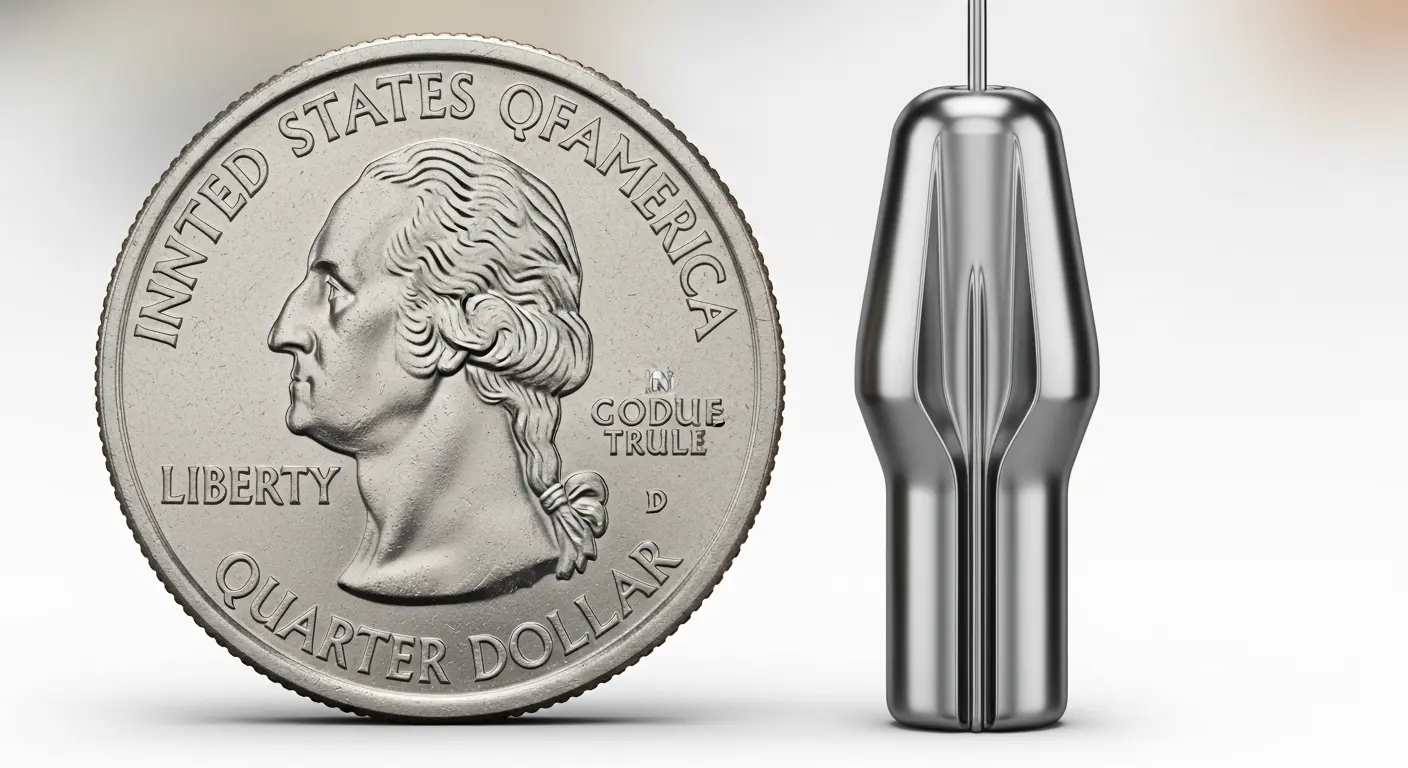
The most dangerous part of a catheter is the tip. It has to be soft enough to be "atraumatic" so it won't perforate a vessel. We use Radio-Frequency (RF) tipping to create perfectly rounded ends. Furthermore, our bonding processes—whether solvent or laser-welding—ensure the hub never detaches under high pressure.
Material Science: The Durometer Dance
Selecting the right plastic is a delicate balance of physics. Most engineers start with a polymer like Pebax® because of its versatility. However, did you know that different "durometers" (hardness levels) can be fused together on a single shaft?
By using a "variable-stiffness" design, we help surgeons steer devices through 90-degree corners. This requires deep knowledge of how materials like Nylon 12, TPU, and FEP interact. For example, some complex geometries, like those found in a malecot catheter, require the material to have high "memory" so it can return to its original shape after being deployed through a sheath.
The Greetmed "Concept-to-Clinical" Workflow
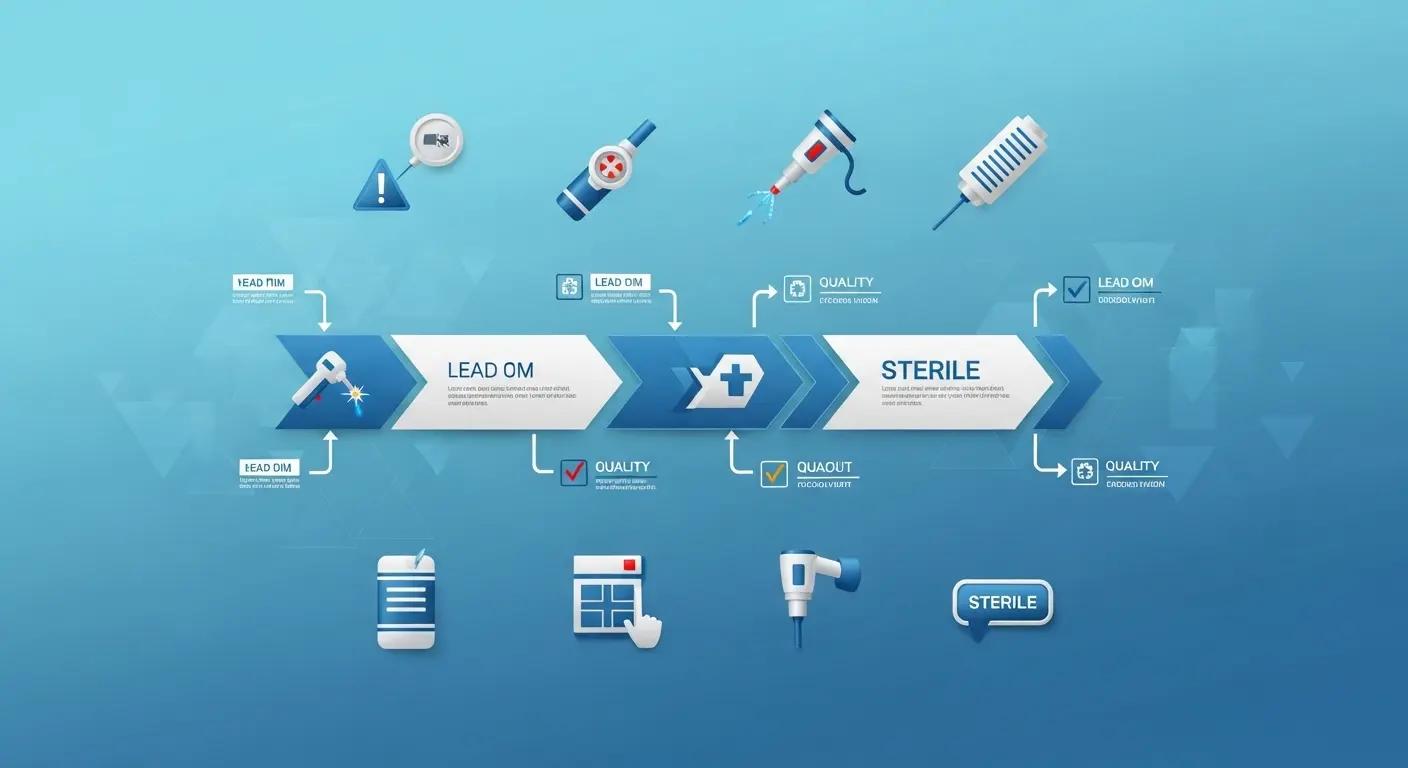
We’ve found that the biggest failure in the OEM world is a lack of communication. Therefore, we’ve standardized our workflow to ensure you’re involved at every milestone. This isn't a "black box" factory.
Step 1: Technical Review Our engineers review your CAD files. We look for potential failure points, like "Transition Zones" where two materials meet. We want to ensure your design is actually manufacturable at scale.
Step 2: Rapid Prototyping You don't want to wait six months for a sample. We utilize "Short-Run" tooling to get a prototype into your hands in weeks. This allows you to perform bench testing and iterate on the design quickly.
Step 3: Validation and Verification Once the design is locked, we move to V&V. We perform burst pressure tests, trackability simulations, and tensile strength checks. We document every step so your regulatory filing (MDR or FDA) goes smoothly.
Quality Systems: De-Risking the Partnership
When you source a catheter OEM manufacturer china, you’re often worried about "Quality Drift." You might get a great first batch, but what about the tenth? This is where ISO 13485 comes in.
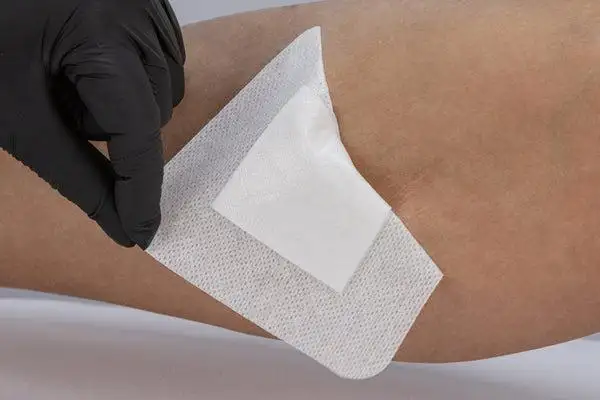
Our quality management system isn't just a certificate on the wall. It’s a series of checks and balances. We monitor the environment of our Class 100,000 cleanrooms every hour. We use in-line laser gauging to catch defects before they ever reach the packaging stage. This obsession with documented quality is consistent across our entire range, from high-tech interventional tools to our hospital dressing products for routine care.
Protecting Your Intellectual Property (IP)
We know that your design is your most valuable asset. As a professional catheter OEM manufacturer china, we have strict internal firewalls. Your data stays in an encrypted silo. We work with international lawyers to ensure our NDAs are enforceable across borders. We value long-term partnerships over short-term gains, and your IP is the foundation of that trust.
FAQ: Navigating the OEM Process in China
What are the typical MOQs for a custom catheter project? MOQs (Minimum Order Quantities) vary depending on complexity. For a standard urology catheter, it might be 10,000 units. However, for a high-end neurovascular device, we often work with smaller "R&D Runs" of 100–500 units to support your clinical trials.
How do you handle shipping and global logistics? We offer various terms, including FOB and DDP. We work with global carriers to ensure your sterile devices arrive on time and in perfect condition. Our logistics team handles all the customs documentation for you.
Can you provide the clinical data for my regulatory filing? While we are a manufacturer, we can provide the "Technical File" data. This includes material biocompatibility reports, sterilization validation (ETO/Gamma), and mechanical test results. This data is critical for your CE or FDA submission.
What does "PRN" mean when referring to these medical supplies? In a hospital setting, you’ll often hear clinical staff use this acronym. If you’ve ever wondered what PRN means in medical terms, it essentially stands for "as needed." For an OEM, it means being flexible enough to manage "as needed" surges in your supply chain.
Do you offer custom packaging and labeling? Yes. We offer "Full Turnkey" solutions. We can design the blister packaging, print your private labels, and manage the final sterilization. This allows you to receive a shelf-ready product that you can ship directly to your distributors.
What is the difference between a single-lumen and multi-lumen catheter? A single-lumen tube has one hole for fluid flow. A multi-lumen tube has several channels inside one shaft. This allows a surgeon to perform multiple tasks—like delivering medicine and measuring blood pressure—simultaneously through a single incision.
Your Engineering Partner in China
The medical device landscape is shifting. The demand for high-performance, cost-effective interventional tools is growing every day. Consequently, the need for a transparent, capable catheter OEM manufacturer china has never been higher.
At Greetmed, we don't just build tubes. We build the devices that allow doctors to perform life-saving surgeries. We combine the precision of a high-end engineering firm with the scale of a global manufacturer. Whether you're a startup looking for your first prototype or an established firm looking to optimize your production, we’re here to help.
Submit Your Request
Recent Posts
Tags
- Adult Diapers
- Are custom medical devices safe
- Baby Diapers
- Can respiratory anesthesia be used
- Digital Healthcare
- Do you offer customized consumables
- European Market
- How do you take care of a skin wound
- Industry Trends
- Lady Sanitary Napkins
- Medical Devices
- OEM Medical Devices
- Product Introductions
- Protective Equipment
- Under Pads
- What are custom-made medical devices
- What are diagnostic products
- What are hospital dressing products
- What are medical tube catheters
- What are some common protective equipment
- What are the appropriate applications for hospital dressing products
- What are the appropriate uses for protective equipment
- What is a gynecological examination
- What is a medical consumable
- What is an anesthesia kit
- What is an OEM in medical devices
- what is an wound skin care
- what is can disposable ultrasonic diagnostic
- What is good manufacturing medical devices
- What is hospital-grade protective equipment
- what is medical equipments hospital furniture
- What is medical sterilization wrapping
- What is rehabilitation equipment device
- What medical consumables do you supply
- Where can I find laboratory consumables wholesale
- where can I find medical protection device
- where to buy hypodermic accessories
- where to buy medical apparel
- where to buy medical consumable accessories
- where to find OEM medical device supplier
- where to find rehabilitation equipment supplier
