



The Definitive Guide to Multi-Lumen Tubing Extrusion for Medical Devices


Multi-lumen tubing extrusion is the cornerstone of modern medical device design, allowing multiple functions to exist within a single, tiny footprint. This advanced manufacturing process creates specialized plastic tubes with two or more independent channels, or lumens, running through the center. Without this technology, the complex catheters used in life-saving cardiac or urological procedures simply would not exist.
Navigating the world of medical manufacturing requires a deep understanding of how these components are born. In my years working alongside engineers in cleanroom environments, I have seen how a fraction of a millimeter can mean the difference between a successful surgical tool and a failed prototype. Whether you are developing a new drug delivery system or a complex surgical instrument, mastering the nuances of multi-lumen extrusion is essential for your project's success.
What is Multi-Lumen Tubing Extrusion?
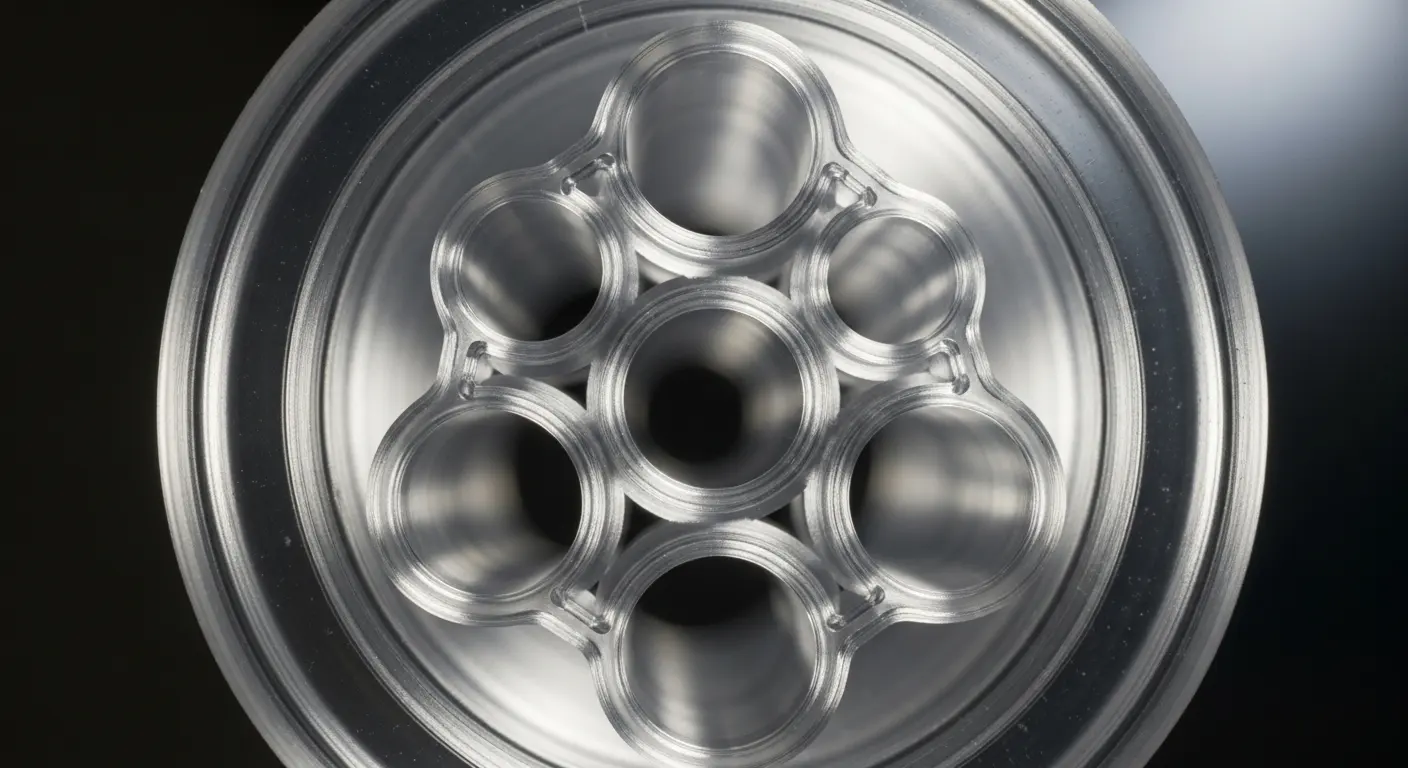
Multi-lumen tubing extrusion is a high-precision manufacturing process where molten polymer is forced through a custom-engineered die to create multiple internal channels. Unlike standard single-bore tubing, the multi-lumen process requires sophisticated tooling to maintain the shape and size of each individual lumen. This allows a single tube to perform several tasks simultaneously, such as fluid delivery and wire passage.
The process begins in the extruder, where plastic pellets are heated until they reach a precise viscosity. The heart of the operation is the "die head." Inside this tool, air is injected into each lumen via small needles or mandrels to prevent the channels from collapsing as the plastic cools. Achieving a balanced flow is an art form; if the pressure is off by even a few psi, the internal walls can shift, leading to a rejected batch. Manufacturers often use this technology to create specialized devices like the Malecot catheter, which relies on precise internal structures to function correctly.
Common Lumen Configurations in Medical Design
- Double Lumen: Often used for "in and out" fluid exchange or dialysis.
- Triple Lumen: Typical for central venous catheters (CVCs) to deliver different medications simultaneously.
- Multi-Lumen (4-20+): Found in advanced mapping catheters or endoscopy tools where fiber optics and sensors are required.
- Bump/Tapered Tubing: Where the diameter changes along the length of the tube for easier insertion.
Why is Multi-Lumen Tubing Essential for Complex Medical Devices?
Multi-lumen tubing is essential because it maximizes functional density, allowing surgeons to perform multiple tasks through a single entry point in the body. By separating channels, engineers can prevent "cross-talk" between sensitive electrical wires and fluids. This separation is critical for safety, ensuring that air, liquids, and surgical tools do not interfere with one another during high-stakes procedures.
In a clinical setting, efficiency is everything. Doctors often operate under "PRN" conditions, where they must act quickly based on the patient's immediate needs. Understanding what PRN means in medical terms highlights the necessity for tools that are ready for any situation. Multi-lumen tubes allow for a "Swiss Army Knife" approach to medical instruments. For instance, one lumen might inflate a balloon, another carries a camera, and a third delivers a drug via a medical hypodermic syringe connected to the manifold.
What Materials are Best for Multi-Lumen Tubing Extrusion?
The best materials for multi-lumen tubing extrusion include medical-grade thermoplastics like Polyurethane (TPU), Polyethylene (PE), and Polyether block amide (PEBAX). These materials offer the necessary balance of biocompatibility, flexibility, and "extrudability." The choice of material depends entirely on the required stiffness of the tube and how long it will remain inside the human body.
| Material | Key Properties | Common Medical Application |
| PEBAX | High flexibility, excellent kink resistance. | Vascular catheters and guide tubes. |
| Polyurethane (TPU) | Biocompatible, softens at body temperature. | Long-term intravenous (IV) therapy. |
| FEP/PTFE | Chemically inert, extremely low friction. | Liners for endoscopy and robotic surgery. |
| Nylon | High burst strength and rigidity. | Balloon angioplasty and high-pressure delivery. |
Expert Tip: When selecting a material, always consider the "thin-wall" capabilities. As you add more lumens, the "web" (the wall between channels) becomes thinner. Materials like TPU are excellent because they maintain structural integrity even when walls are as thin as 0.002 inches.
What Design Challenges Do Engineers Face with Multi-Lumen Profiles?
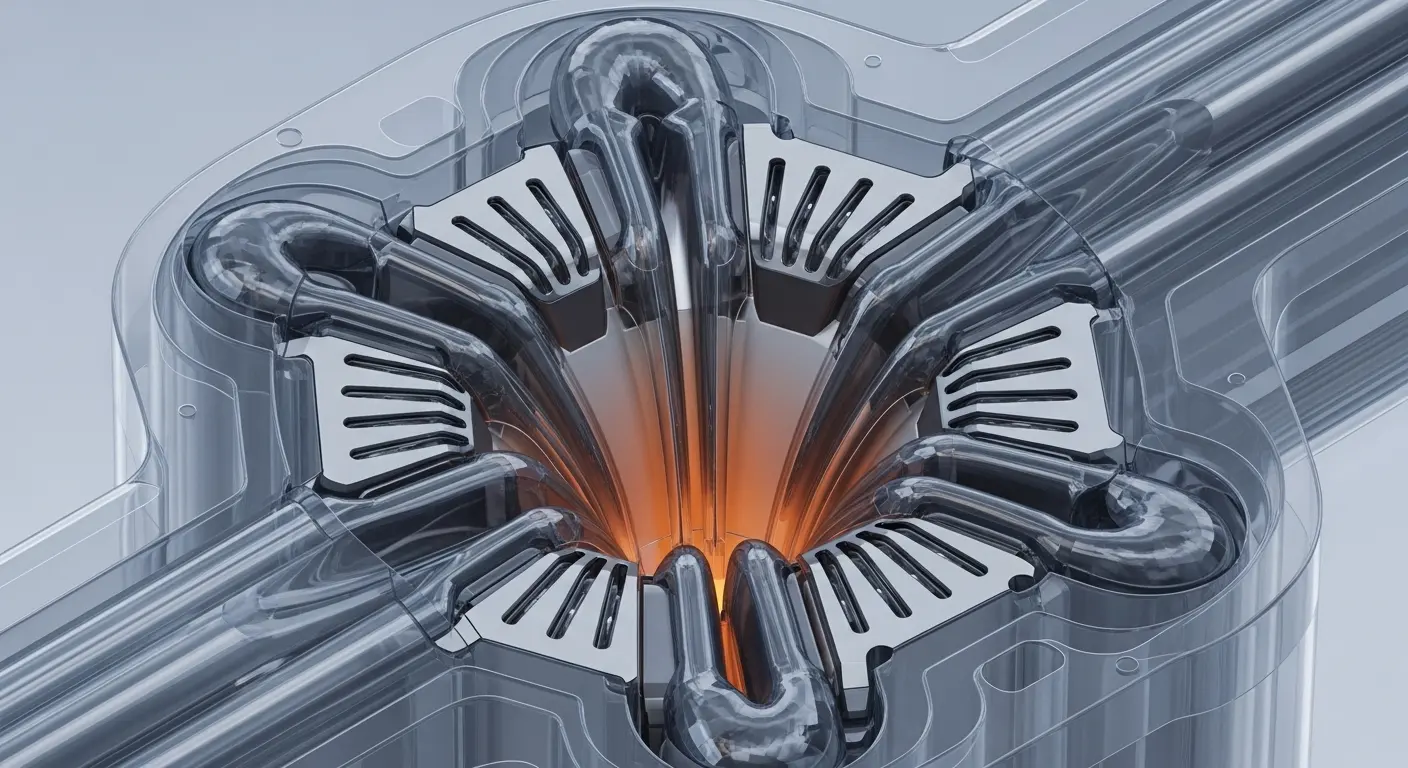
Engineers face significant challenges in multi-lumen design, primarily revolving around wall thickness consistency, lumen symmetry, and "die swell." Because plastic expands as it exits the die, predicting the final dimensions requires complex mathematical modeling. If the internal webs are too thin, the lumens can burst; if they are too thick, the tube becomes too rigid for navigation through veins.
One specific hurdle is "ovality," where the outer diameter of the tube becomes egg-shaped rather than perfectly round. This usually happens during the cooling process in the water trough. To combat this, we use vacuum-sizing tanks that "pull" the plastic into the correct shape while it solidifies. Maintaining these machines is a delicate task. I have often seen technicians use a medical cotton swab to clean the fine tips of air needles within the die to ensure there is no blockage that could ruin the lumen's geometry.
Critical Tolerances in Extrusion
- OD/ID Tolerance: Usually held within +/- 0.0005 inches for high-end devices.
- Concentricity: Ensuring the lumens are perfectly centered to prevent weak spots.
- Surface Finish: The tube must be ultra-smooth to prevent tissue trauma and bacterial buildup.
How Does Multi-Lumen Extrusion Improve Patient Outcomes?
Multi-lumen extrusion improves patient outcomes by enabling minimally invasive surgeries that reduce recovery time and infection risk. By combining several functions into one device, doctors can perform complex diagnoses and treatments without multiple incisions. This leads to less trauma for the patient and a lower overall cost for the healthcare system due to shorter hospital stays.
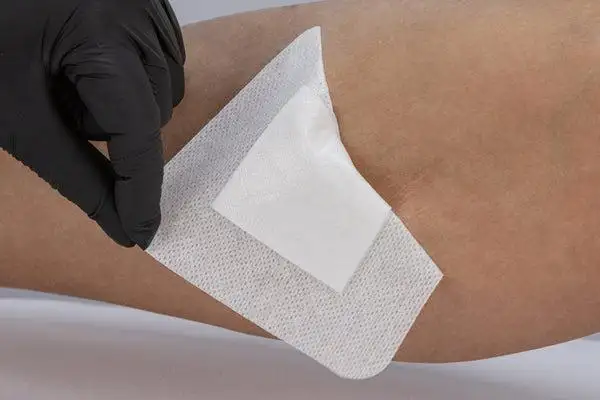
After a procedure involving multi-lumen devices, proper wound care is vital. Healthcare providers use various hospital dressing products to protect the insertion site. Because multi-lumen tubes are often used in critical care, the ability to monitor multiple vitals through a single catheter means less physical stress on the patient. This streamlined approach is a direct result of advanced extrusion capabilities that were impossible just a few decades ago.
What Quality Standards Define High-End Multi-Lumen Tubing?
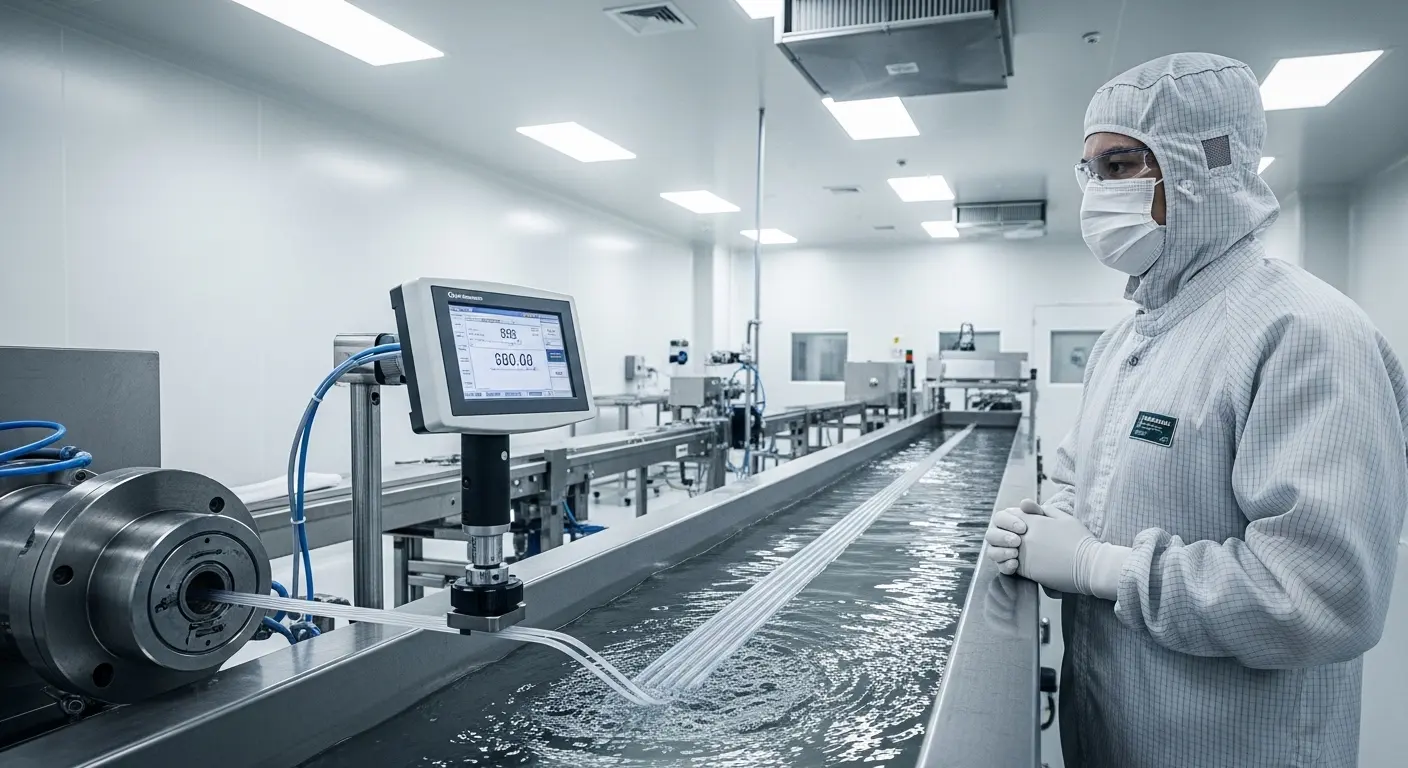
High-end multi-lumen tubing must meet ISO 13485 certification and adhere to strict USP Class VI biocompatibility standards. Quality is verified through in-line laser micrometer measurements and off-line cross-sectional analysis using high-powered microscopes. Every millimeter of the tube must be inspected for "gels" (unmelted plastic) or black specks that could cause a device failure in the field.
Note: Real-world testing often involves "burst pressure" tests. We push the tubing to its absolute limit to see where it breaks. Data suggests that a high-quality multi-lumen tube should handle pressures exceeding 300 psi, depending on the wall thickness and material grade. If a manufacturer cannot provide these test results, they are not meeting the necessary trust signals for medical grade production.
Essential Quality Control Steps
- In-Line Laser Gaging: Continuous monitoring of the outer diameter during the run.
- Vision Systems: Cameras that "look" inside the lumens to detect debris or collapses.
- Tensile Testing: Ensuring the tube won't snap when pulled by a surgeon during a procedure.
How to Choose the Right Partner for Multi-Lumen Tubing Extrusion?
Choosing the right partner requires evaluating their cleanroom capabilities, tooling expertise, and history of medical compliance. A top-tier manufacturer should offer "vertical integration," meaning they can handle everything from resin compounding to final sterilized packaging. You need a partner who understands that a multi-lumen tube is not just a plastic part, but a critical component of a life-saving system.
When vetting a supplier, ask about their experience with "custom profiles." Many standard shops can do a double-lumen tube, but few can handle a 12-lumen configuration with varying wall thicknesses. Look for a partner who acts as a consultant, helping you refine your CAD drawings to be more "extrudable." This collaboration saves months of failed trials and thousands of dollars in wasted tooling costs.
Submit Your Request
Recent Posts

Tags
- Adult Diapers
- Are custom medical devices safe
- Baby Diapers
- Can respiratory anesthesia be used
- Digital Healthcare
- Do you offer customized consumables
- European Market
- How do you take care of a skin wound
- Industry Trends
- Lady Sanitary Napkins
- Medical Devices
- OEM Medical Devices
- Product Introductions
- Protective Equipment
- Under Pads
- What are custom-made medical devices
- What are diagnostic products
- What are hospital dressing products
- What are medical tube catheters
- What are some common protective equipment
- What are the appropriate applications for hospital dressing products
- What are the appropriate uses for protective equipment
- What is a gynecological examination
- What is a medical consumable
- What is an anesthesia kit
- What is an OEM in medical devices
- what is an wound skin care
- what is can disposable ultrasonic diagnostic
- What is good manufacturing medical devices
- What is hospital-grade protective equipment
- what is medical equipments hospital furniture
- What is medical sterilization wrapping
- What is rehabilitation equipment device
- What medical consumables do you supply
- Where can I find laboratory consumables wholesale
- where can I find medical protection device
- where to buy hypodermic accessories
- where to buy medical apparel
- where to buy medical consumable accessories
- where to find OEM medical device supplier
- where to find rehabilitation equipment supplier
