



Medical Tubing Materials Comparison: Choosing the Right Polymer


A detailed medical tubing materials comparison is essential for engineers and healthcare providers to ensure patient safety and device performance. Selecting the wrong polymer can lead to device failure, chemical leaching, or even adverse patient reactions. In the high-stakes world of medical manufacturing, understanding the trade-offs between flexibility, clarity, and biocompatibility is the first step toward clinical success.
In my years working with medical-grade extrusions, I have seen how a minor material shift affects the entire procedure. For example, a tube that is too stiff might kink during a delicate catheterization, while one that is too soft could collapse under vacuum. This guide breaks down the most common polymers to help you make an informed, data-driven decision for your next project.
How do you choose the best medical tubing material?
Choosing the best medical tubing material requires balancing physical properties like durometer (hardness) and tensile strength with regulatory requirements like USP Class VI compliance. You must consider the specific application, the duration of patient contact, and the sterilization method. No single material is perfect for every scenario; rather, each excels in specific clinical niches.
To start, you must define the "must-have" characteristics. Does the tube need to be crystal clear for fluid monitoring? Does it need to withstand extreme heat for autoclaving? Or perhaps it needs to be chemically resistant to harsh drugs. At China-Greetmed, we evaluate these factors against a "topical map" of clinical needs to ensure every component, from a simple medical hypodermic syringe connector to a complex drainage tube, performs flawlessly.
What are the most common medical tubing materials compared?
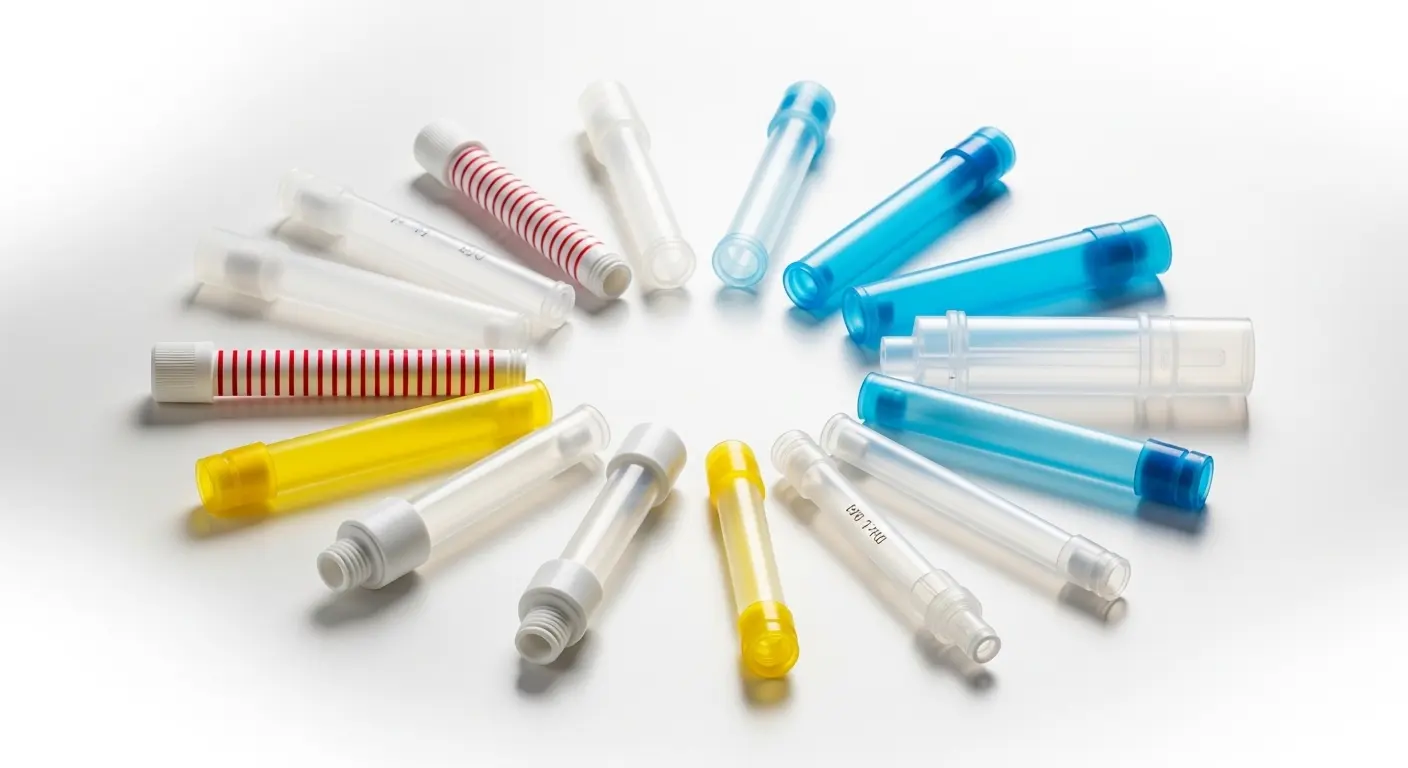
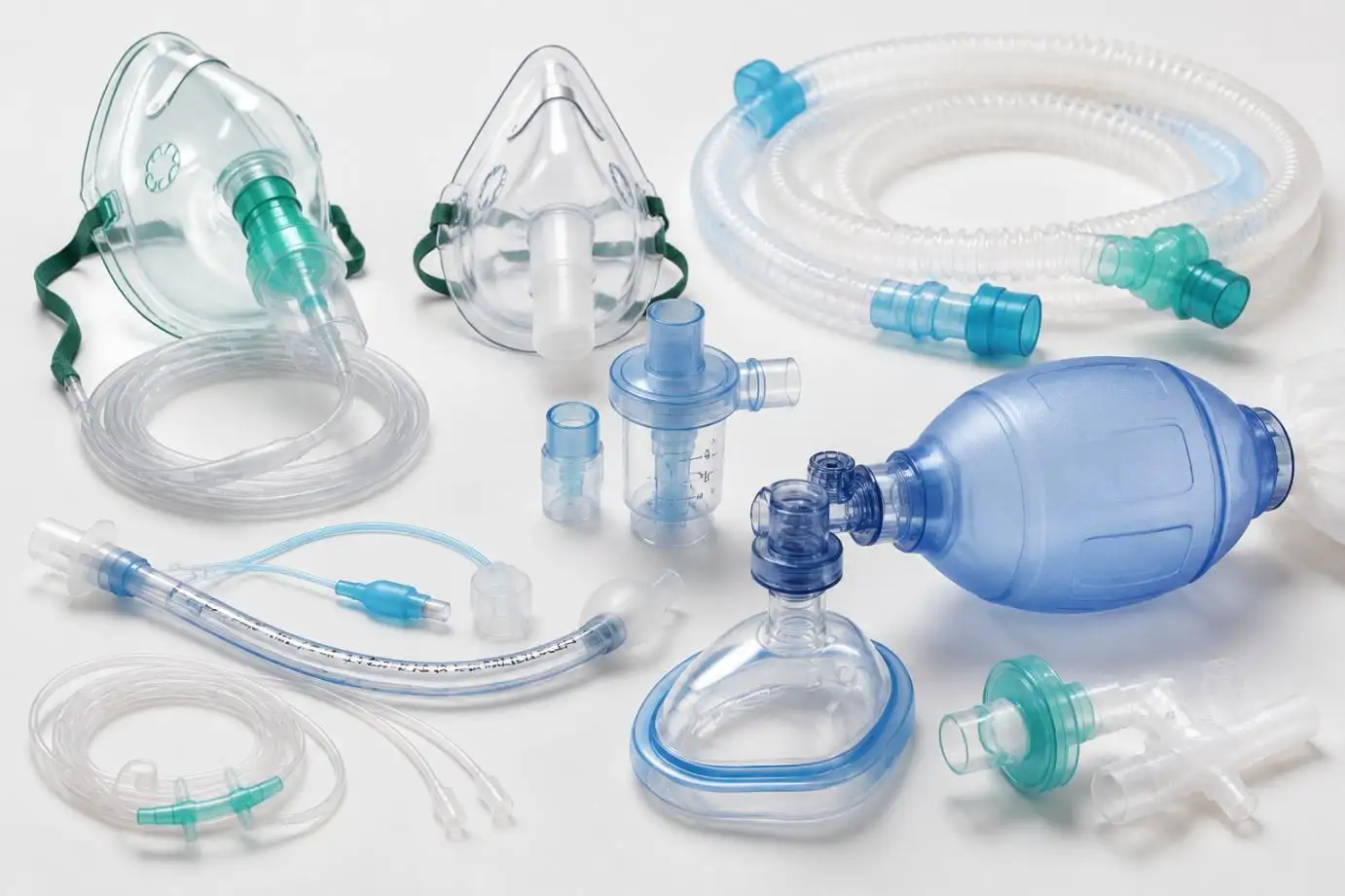
The most common medical tubing materials are Polyvinyl Chloride (PVC), Silicone, Polyurethane (TPU), and various fluoropolymers like PTFE. PVC is the industry standard for cost-effective, short-term use. Silicone offers superior flexibility and heat resistance. Polyurethane provides exceptional durability and biocompatibility, while fluoropolymers are prized for their low friction and chemical inertness.
Comparison Table of Popular Medical Polymers
| Material | Key Advantage | Best Application | Flexibility |
| PVC | Cost-effective & versatile. | IV sets, oxygen masks. | High to Moderate. |
| Silicone | Heat resistant & inert. | Long-term drainage, pumps. | High. |
| Polyurethane | Strong & biocompatible. | Vascular catheters. | Moderate. |
| PEBAX | Kink resistant. | High-performance catheters. | High. |
| FEP/PTFE | Lowest friction. | Endoscope liners. | Low (Rigid). |
Why is Polyvinyl Chloride (PVC) still the industry standard?
Polyvinyl Chloride (PVC) remains the industry standard because it is affordable, easy to process, and highly customizable through the addition of plasticizers. It provides the clarity needed for visual fluid monitoring and can be manufactured in a wide range of hardness levels. Despite the rise of alternative materials, PVC accounts for a significant portion of the global medical tubing market.
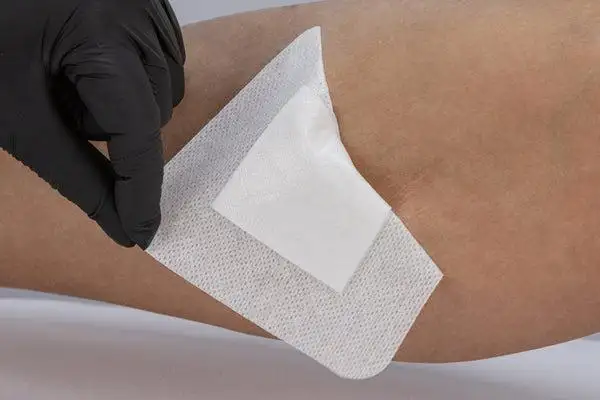
However, modern medical design is shifting toward "DEHP-free" or "Phthalate-free" PVC. Traditional plasticizers can leach out of the material over time, which is a concern for neonatal and long-term care. When we prepare kits that include what are hospital dressing products, we ensure that any included tubing meets the latest safety standards for chemical stability.
When should you choose Silicone over other polymers?
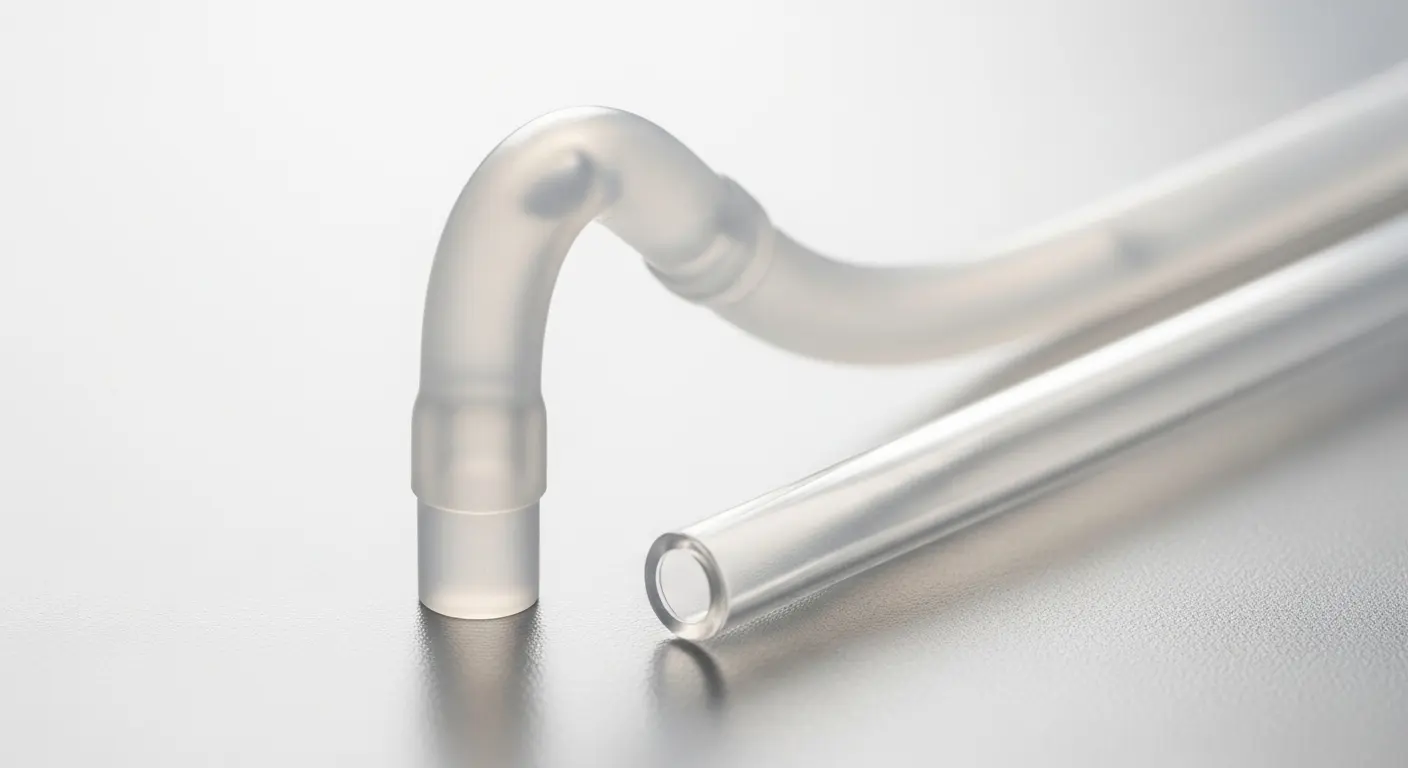
You should choose silicone when your application requires high flexibility, long-term biocompatibility, or the ability to withstand repeated sterilization by autoclave. Silicone is naturally "inert," meaning it does not react with body tissues or fluids. It is the gold standard for peristaltic pumps and long-term implants where the material must remain soft and pliable for weeks or months.
Experience Note: I once worked on a project where a manufacturer used a lower-grade thermoplastic for a drainage tube intended for 30-day use. The tube became brittle and cracked. Switching to silicone solved the issue immediately because silicone does not rely on plasticizers to stay flexible. For specialized devices like theMalecot catheter, silicone's resilience is often the preferred choice to prevent tissue irritation.
How does Polyurethane (TPU) compare in vascular applications?
Polyurethane (TPU) is superior for vascular applications because it combines the strength of rigid plastics with the flexibility of elastomers. A unique feature of TPU is its "thermoconformability"—it remains stiff for easy insertion into a vein but softens significantly once it reaches body temperature. This "smart" transition reduces the risk of vascular trauma and increases patient comfort.
TPU also has much higher tensile strength than silicone. This allows for thinner-walled tubes, which is crucial for multi-lumen designs where you need to maximize the internal flow area while keeping the outer diameter small.
What is the role of Fluoropolymers (PTFE/FEP) in medical design?
Fluoropolymers like PTFE and FEP are used when extreme chemical resistance or an ultra-low friction surface is required. Known as the "slippery" plastics, they allow surgical wires and other devices to slide through the tube with almost zero resistance. They are typically used as liners in complex catheter systems or for delivery tubes that handle aggressive chemicals.
Pros and Cons of Fluoropolymers
- Pros: Excellent chemical stability, handles high temperatures, lowest coefficient of friction.
- Cons: Very rigid, difficult to bond to other materials, significantly higher cost.
Why is sterilization compatibility a key factor in material selection?
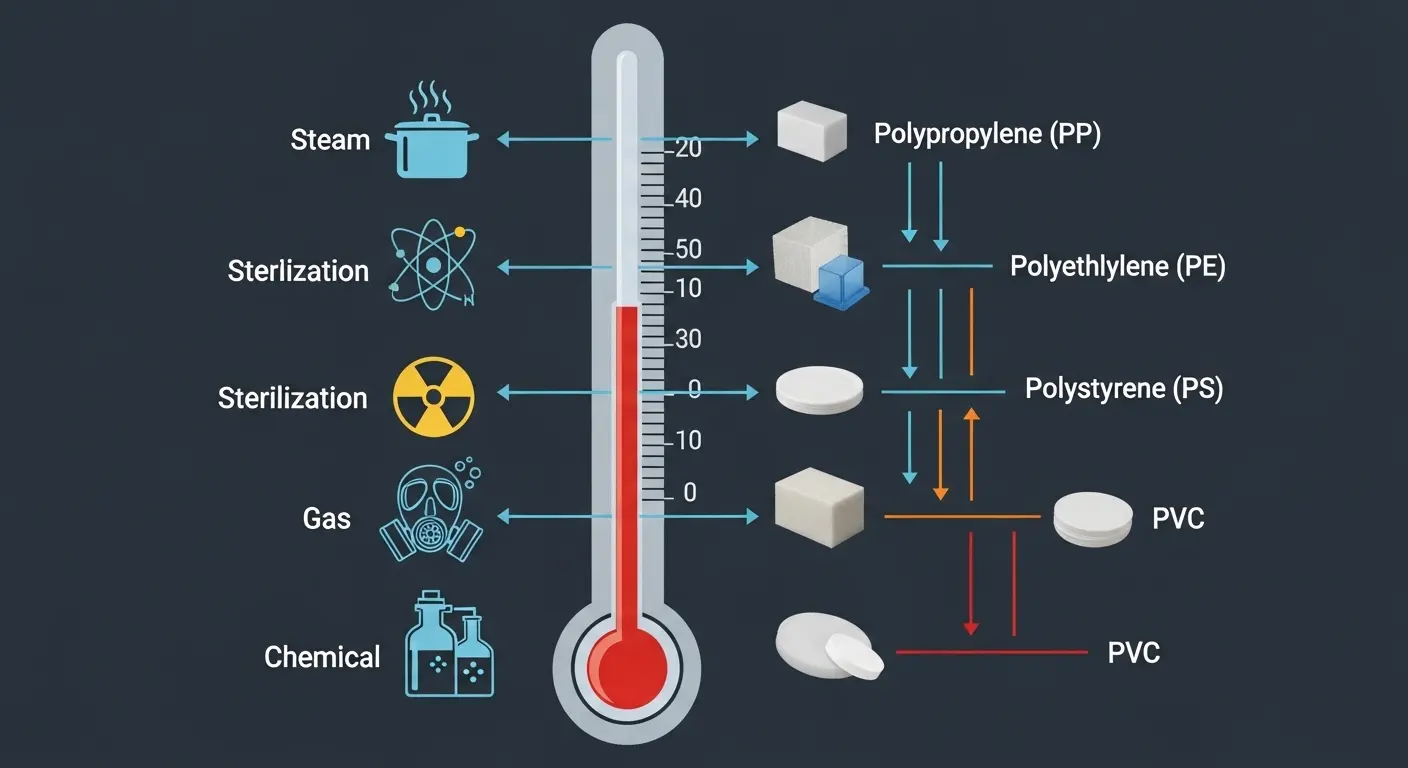
Sterilization compatibility is a key factor because different chemicals and heat levels can degrade certain polymers, causing them to turn yellow, become brittle, or lose their tensile strength. You must match your material to your preferred sterilization method—whether it be Gamma radiation, Ethylene Oxide (EtO), or steam autoclaving—to ensure the device remains safe for "PRN" or as-needed use.
Understanding what PRN means in medical terms reminds us that medical tools must be ready to use at a moment's notice. If a tube has degraded in storage due to poor sterilization compatibility, it could fail during an emergency.
| Method | Best Materials | Materials to Avoid |
| Autoclave | Silicone, FEP, PEEK. | Low-temp PVC, certain TPU. |
| Gamma | PVC, PE, Polyurethane. | PTFE (degrades/discolors). |
| EtO Gas | Most medical polymers. | Materials with deep crevices. |
How do additives and fillers change tubing performance?
Additives like Barium Sulfate ($BaSO_4$) and Bismuth are added to make tubing radiopaque (visible under X-ray), while colorants are used for channel identification. These fillers change the physical properties of the base polymer, often making it slightly stiffer or more abrasive. Manufacturers must carefully balance the "loading" of these additives to ensure visibility without compromising the tube's structural integrity.
In many facilities, keeping equipment clean is as important as the materials themselves. Using a medical cotton swab to clean extrusion dies during a material changeover prevents cross-contamination between different polymer batches, ensuring the purity of the final medical product.
What are the emerging trends in medical tubing materials?
Emerging trends include the development of "Bio-resorbable" polymers that dissolve in the body after their job is done and "Antimicrobial" tubing that prevents biofilm formation. There is also a major push toward sustainable, bio-based polymers that reduce the carbon footprint of medical manufacturing without sacrificing clinical performance.
As AI and robotic surgery advance, we are seeing "Smart Tubing" embedded with micro-sensors. These materials must not only be biocompatible but also capable of protecting delicate electronic components from the harsh environment inside the human body.
Submit Your Request
Recent Posts

Tags
- Adult Diapers
- Are custom medical devices safe
- Baby Diapers
- Can respiratory anesthesia be used
- Digital Healthcare
- Do you offer customized consumables
- European Market
- How do you take care of a skin wound
- Industry Trends
- Lady Sanitary Napkins
- Medical Devices
- OEM Medical Devices
- Product Introductions
- Protective Equipment
- Under Pads
- What are custom-made medical devices
- What are diagnostic products
- What are hospital dressing products
- What are medical tube catheters
- What are some common protective equipment
- What are the appropriate applications for hospital dressing products
- What are the appropriate uses for protective equipment
- What is a gynecological examination
- What is a medical consumable
- What is an anesthesia kit
- What is an OEM in medical devices
- what is an wound skin care
- what is can disposable ultrasonic diagnostic
- What is good manufacturing medical devices
- What is hospital-grade protective equipment
- what is medical equipments hospital furniture
- What is medical sterilization wrapping
- What is rehabilitation equipment device
- What medical consumables do you supply
- Where can I find laboratory consumables wholesale
- where can I find medical protection device
- where to buy hypodermic accessories
- where to buy medical apparel
- where to buy medical consumable accessories
- where to find OEM medical device supplier
- where to find rehabilitation equipment supplier
