



Medical Protective Equipment: Types, Uses and Selection Guide


Medical Protective Equipment Selection Based on Risk Assessment
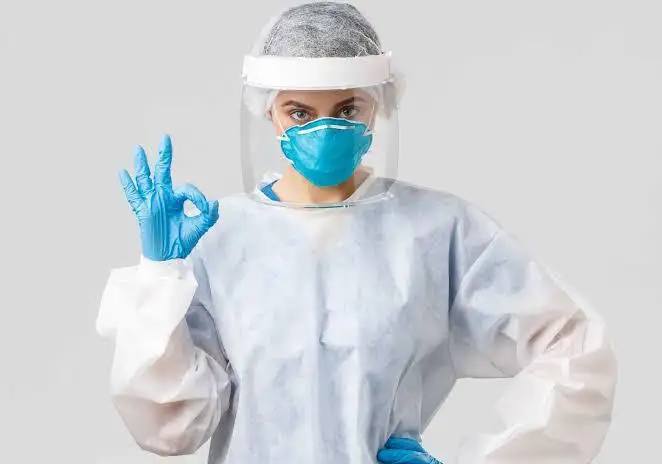
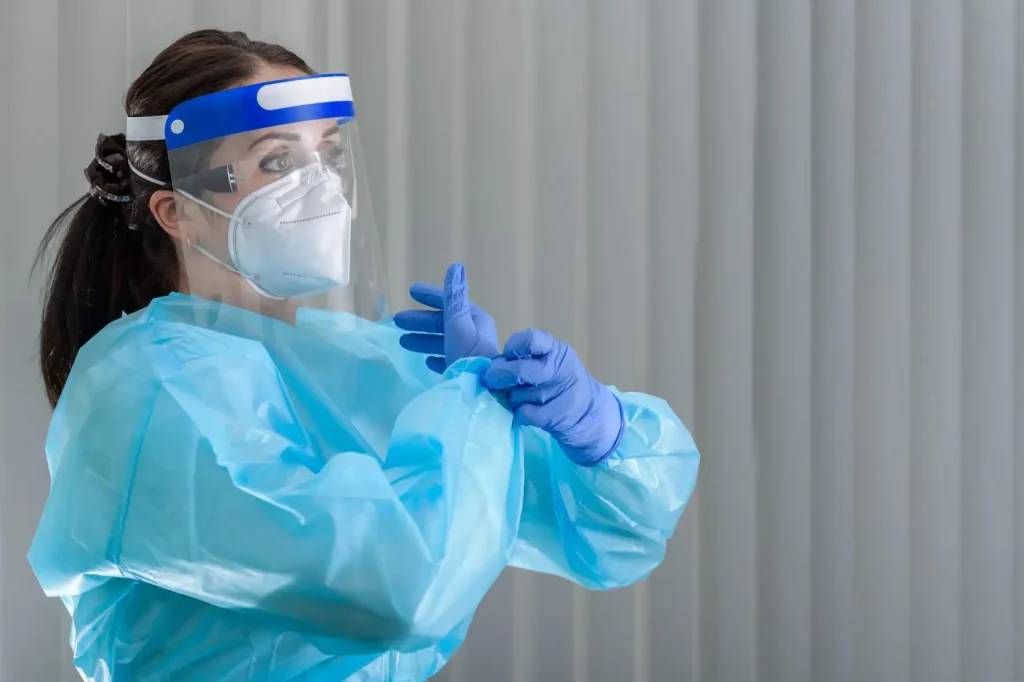
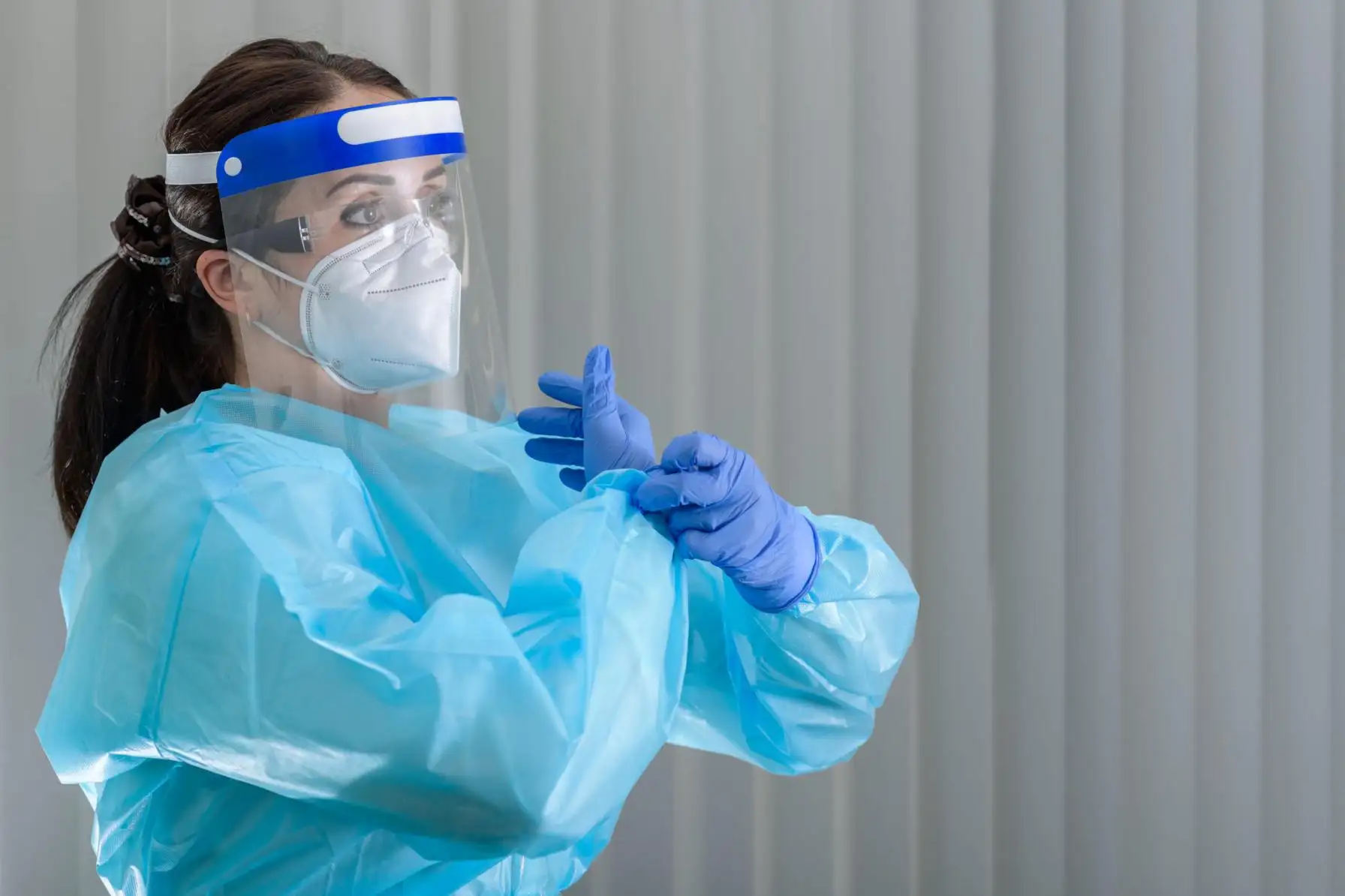
Medical Protective Equipment is a critical component of healthcare infection control systems. For hospitals, laboratories, clinics, and diagnostic centers, protective products are not simply disposable supplies but engineered barriers designed to reduce exposure to blood, body fluids, microorganisms, and airborne particles.
A common procurement mistake is selecting Medical Protective Equipment only by price, thickness, or product availability. However, effective protection depends on whether the equipment matches the actual clinical environment.
Healthcare facilities should consider:
• Exposure risk level
• Type of contact (contamination from fluids or aerosols, biological contamination)
• Barrier performance required
• Length of wear
• Requirements for user comfort
• Things which may have an impact on regulation
A general ward will have different protection requirements than an operating room or lab. The optimum Medical Protective Equipment will have a balance of protection, ease of use, and reliability of supply.
Greetmed spans the entire medical supply chain and, as a manufacturer concentrates on all aspects of medical devices. They focus their innovation on integrated solutions for hospitals and distributors to fulfill their sourcing and manufacturing needs.
How Medical Protective Equipment Materials Determine Protection Performance
The performance of Medical Protective Equipment depends heavily on material structure, manufacturing process, and quality control.
Most disposable medical protective products use engineered nonwoven materials because they provide a combination of:
• Lightweight structure
• Controlled filtration performance
• Liquid resistance
• Breathability
• Manufacturing consistency
Material Structure and Barrier Mechanism
Different material combinations create different protection levels.
| Material Structure | Technical Characteristics | Typical Healthcare Requirement |
| PP Nonwoven | Lightweight, breathable, basic particle barrier | Routine clinical protection |
| SMS Composite | Multi-layer structure with improved fluid resistance | Hospitals and higher-frequency medical use |
| PP + PE Film Lamination | Enhanced liquid barrier performance | High exposure environments |
Making products thicker is not the only goal when adding additional layers or protective films. The goal is to have better barrier performance, while still allowing enough airflow to be comfortable and to not impede airflow.
A well-developed medical protective equipment product requires a mix of:
Barrier Protection → Breathability → Mechanical Strength → User Compliance
Reducing breathability too much can lead to healthcare professionals overheating during long procedures and are therefore not comfortable and may even discourage usage.
Comparing Medical Protective Equipment Used in Different Healthcare Activities
Different activities involve different levels of contamination. Therefore, medical protective equipment needs to match the activity.
Operating Rooms: Focus On Fluid Barrier Protection and Sterility
In the operating room, special emphasis is placed on:
• Resistance to penetration of fluids
• Strength of seams
• Sterile packaging
• Consistency of manufacturing
Protective equipment failure during any invasive procedure increases the risk of cross-contamination. Therefore, focusing on barrier performance provides additional protection compared to basic coverage.
ICU and Emergency Care: Balancing Protection and Mobility
The emergency situation is often characterized by unpredictable exposure conditions. Medical Protective Equipment used in these situations should have:
• Barrier protection
• Ease of movement
• Long term protection
• Load consistency
Restricting movement or causing discomfort may be a negative factor in prolonged clinical practice.
Laboratories and Diagnostic Areas: Biological Exposure Management
The protective equipment in laboratories should be designed based on the following:
• Methods of sample handling
• The risk of biological contamination
• Potential exposure to contamination
• Methods to clean, remove, and dispose of the waste
The selection of protective equipment should be more dependent on the type of work done in the labs rather than in the typical hospital environment.
Key Considerations in the Evaluation of Medical Protective Equipment
Rather than relying solely on product descriptions, professional procurement teams consider measurable performance indicators.
Filtration Efficiency and Particle Protection
Filtration performance is a critical element in the evaluation of medical protective equipment for the respiratory system.
The following parameters are some of the most important:
| Parameter | Technical Meaning | Impact |
| BFE | Bacterial Filtration Efficiency | Ability to filter bacteria |
| PFE | Particle Filtration Efficiency | Blocking of small particles |
| Breathing Resistance | Resistance to the flow of air during inhalation | comfortable wearing of the equipment |
In order for medical protective equipment to be clinically useful, the balance between high filtration efficiency and an adequate level of breathing resistance must be achieved.
Liquid Resistance and Mechanical Reliability
For protective gowns and apparel, liquid barrier performance is a function of:
• Material composition
• Fabric weight
• Surface treatment
• Seam construction
Greetmed applies various protective apparel production techniques, including the use of PP nonwovens and PP+PE composite structures, as well as 18, 25, 30, and 40 GSM materials. Our product can incorporate reinforced seams, as well as elastic cuffs, and can be packed in various ways, including sterile packs.
Trustworthy Medical Protective Equipment and Its Quality Assurance Behind It
The performance of medical protective equipment is closely linked to the quality of the materials used and the consistency of the process.
An effective production process includes:
• Inspection of materials prior to use
• Control of the production process environment
• Monitoring of the process
• Inspection of the final product
• Verification of packaging
Greetmed combines medical manufacturing processes and quality assurance systems. We have ISO 13485 certification and CE compliance for medical equipment to meet the international healthcare supply chain requirements.
Its capabilities include production environments with control, injection molding, extrusion molding, and clean rooms used for medical device manufacturing.
Medical Protective Equipment Standards Healthcare Buyers Should Verify
Healthcare companies should check if the product meets applicable market needs.
| Standard | Main Evaluation Area |
| ISO 13485 | Medical device quality management system |
| CE Requirements | European market compliance |
| EN 14683 | Medical face mask performance |
| EN 149 | Respiratory protection performance |
| ASTM F2100 | Medical mask classification |
| ASTM F1670/F1671 | Liquid and viral penetration resistance |
| AAMI PB70 | Protective apparel barrier classification |
Certification demonstrates compliance, but buying decisions also need to consider production capabilities, inspection processes, and supplier stability.
How to Select a Reliable Medical Protective Equipment Manufacturer
A qualified Medical Protective Equipment supplier should provide more than competitive pricing. Healthcare buyers should evaluate the complete manufacturing capability.
Key evaluation factors include:
| Evaluation Area | Why It Matters |
| Quality system | Consistent performance in products |
| Manufacturing capability | Stable supply |
| Material control | Batch variation reduced |
| Regulatory experience | Meeting varying market needs |
| Customization ability | Different clinical needs |
Greetmed has the combination of experience in all aspects of medical manufacturing and the abilities of OEM, ODM, and product development. They provide medical products to healthcare partners for diagnostic solutions, medical consumables, and other protective-related products, along with clinical applications.
Building a More Effective Medical Protective Equipment Procurement Strategy
The best Medical Protective Equipment solution is not necessarily the highest protection level or the lowest cost. Healthcare organizations must follow a well-defined evaluation process:
• Determination of clinical exposure risk
• Level of Protection Definition
• Comparison of material and performance
• Review of standards and testing assurance
• Assessment of supplier's manufacturing capability
Medical Protective Equipment combines the understanding of clinical application with material engineering and manufacturing control.
With an extensive background in medical product manufacturing, quality management and a strong understanding of global healthcare supply, Greetmed continues to develop Medical Protective Equipment that meets specific clinical needs for healthcare partners, hospitals, and distributors.
FAQs
Q1: What types of Medical Protective Equipment does Greetmed manufacture?
Greetmed manufactures protective equipment for the medical, consumables, diagnostics, and other medical supplies. They provide a complete and effective solution for different medical and healthcare requirements.
Q2: Is Greetmed a Medical Protective Equipment manufacturer or distributor?
Greetmed manufactures protective equipment for medical purposes on an international scale. They offer OEM and customized versions of their products for other medical equipment manufacturers.
Q3: What manufacturing materials does Greetmed use for Medical Protective Equipment?
Greetmed uses polypropylene nonwoven fabric as well as composite protective materials. The performance of barrier materials is dependent on the application, while comfort and the environment in which the equipment is used are considered.
Q4: How does Greetmed guarantee Medical Protective Equipment quality?
Greetmed undertakes quality assurance on all incoming materials and on packaging. Quality assurance takes place through monitoring of all stages of manufacturing processes and inspections of finished products.
Q5: Does Greetmed supply Medical Protective Equipment with international certifications?
Greetmed manufactures products to meet various quality standards needed for medical equipment in international markets. Depending on the market and the product involved, certain certifications may or may not be available.
Submit Your Request
Recent Posts
Tags
- Adult Diapers
- Are custom medical devices safe
- Baby Diapers
- Can respiratory anesthesia be used
- Digital Healthcare
- Do you offer customized consumables
- European Market
- How do you take care of a skin wound
- Industry Trends
- Lady Sanitary Napkins
- Medical Devices
- OEM Medical Devices
- Product Introductions
- Protective Equipment
- Under Pads
- What are custom-made medical devices
- What are diagnostic products
- What are hospital dressing products
- What are medical tube catheters
- What are some common protective equipment
- What are the appropriate applications for hospital dressing products
- What are the appropriate uses for protective equipment
- What is a gynecological examination
- What is a medical consumable
- What is an anesthesia kit
- What is an OEM in medical devices
- what is an wound skin care
- what is can disposable ultrasonic diagnostic
- What is good manufacturing medical devices
- What is hospital-grade protective equipment
- what is medical equipments hospital furniture
- What is medical sterilization wrapping
- What is rehabilitation equipment device
- What medical consumables do you supply
- Where can I find laboratory consumables wholesale
- where can I find medical protection device
- where to buy hypodermic accessories
- where to buy medical apparel
- where to buy medical consumable accessories
- where to find OEM medical device supplier
- where to find rehabilitation equipment supplier
