



ISO 10993 Biocompatibility Testing for Medical Tubing: The Complete Guide


ISO 10993 biocompatibility testing medical tubing standards ensure that plastic components do not cause harmful biological reactions when contacting human tissue. This international series of standards evaluates the risk of toxicity, irritation, and inflammation for every medical device. For manufacturers, passing these tests is the only way to prove a product is safe for clinical use.
Choosing the right material for a catheter or delivery tube is about more than just physics. You have to consider how the body’s immune system will react to the polymer over time. I have seen projects stall for months because a manufacturer didn't account for how a specific colorant or processing aid might leach out during use. This guide simplifies the complex world of ISO 10993 to help you navigate the path to regulatory approval.
What is ISO 10993 Biocompatibility Testing for Medical Tubing?
ISO 10993 biocompatibility testing for medical tubing is a multi-step evaluation process used to determine if a material is compatible with biological systems. It assesses the risk of "leachables"—chemicals that can migrate from the tube into the patient. The testing scope depends on the duration of contact and the specific part of the body the tube touches.
The goal is to ensure the device performs its function without causing unintended harm. For example, a medical hypodermic syringe only contacts the body for seconds, while a drainage tube may stay for weeks. Because the body is a harsh environment, testing must simulate real-world conditions to find potential hazards before the product hits the market.
How are Medical Devices Categorized under ISO 10993-1?
ISO 10993-1 categorizes devices based on the type of body contact (surface, external communicating, or internal) and the duration of that contact. Duration is split into "Limited" (under 24 hours), "Prolonged" (24 hours to 30 days), and "Permanent" (over 30 days). This categorization dictates which specific biological tests, such as cytotoxicity or sensitization, are required for compliance.
| Category | Contact Type | Duration | Example Device |
| Limited | Skin or Mucosal | < 24 Hours | Oxygen masks, standard connectors. |
| Prolonged | Tissue or Bone | 24h - 30 Days | Malecot catheter, wound drains. |
| Permanent | Blood or Tissue | > 30 Days | Stents, long-term vascular access. |
Which Biocompatibility Tests are Required for Medical Tubing?

The required tests for medical tubing typically include cytotoxicity, sensitization, and irritation at a minimum. For tubes that contact the bloodstream, hemocompatibility testing is also mandatory to ensure the plastic doesn't cause blood clots or damage red blood cells. More invasive or long-term devices require additional testing for systemic toxicity, subchronic toxicity, and genotoxicity.
- Cytotoxicity (ISO 10993-5): Uses cell cultures to see if the material kills or inhibits cell growth.
- Sensitization (ISO 10993-10): Checks if the material causes an allergic reaction over repeated exposure.
- Irritation (ISO 10993-23): Evaluates the potential for the material to cause redness or inflammation on contact.
- Hemocompatibility (ISO 10993-4): Essential for catheters to ensure they don't trigger thrombosis.
Why is Chemical Characterization (ISO 10993-18) Increasing in Importance?
Chemical characterization is becoming the preferred first step because it identifies the exact chemical makeup of the tubing before animal testing begins. By using high-tech methods like Liquid Chromatography (LC-MS), scientists can find "Extractables and Leachables" (E&L). If the chemical profile is clean, it can sometimes reduce the amount of biological testing needed, saving time and costs.
Expert Insight: In my experience, many failures aren't caused by the base plastic. They are caused by "tramp" chemicals—residues from the manufacturing line. This is why using a cleanmedical cotton swabto maintain equipment during production is vital. Any residue left on the extrusion die can show up during chemical characterization and fail your biocompatibility audit.
How Does Material Choice Affect Biocompatibility Results?
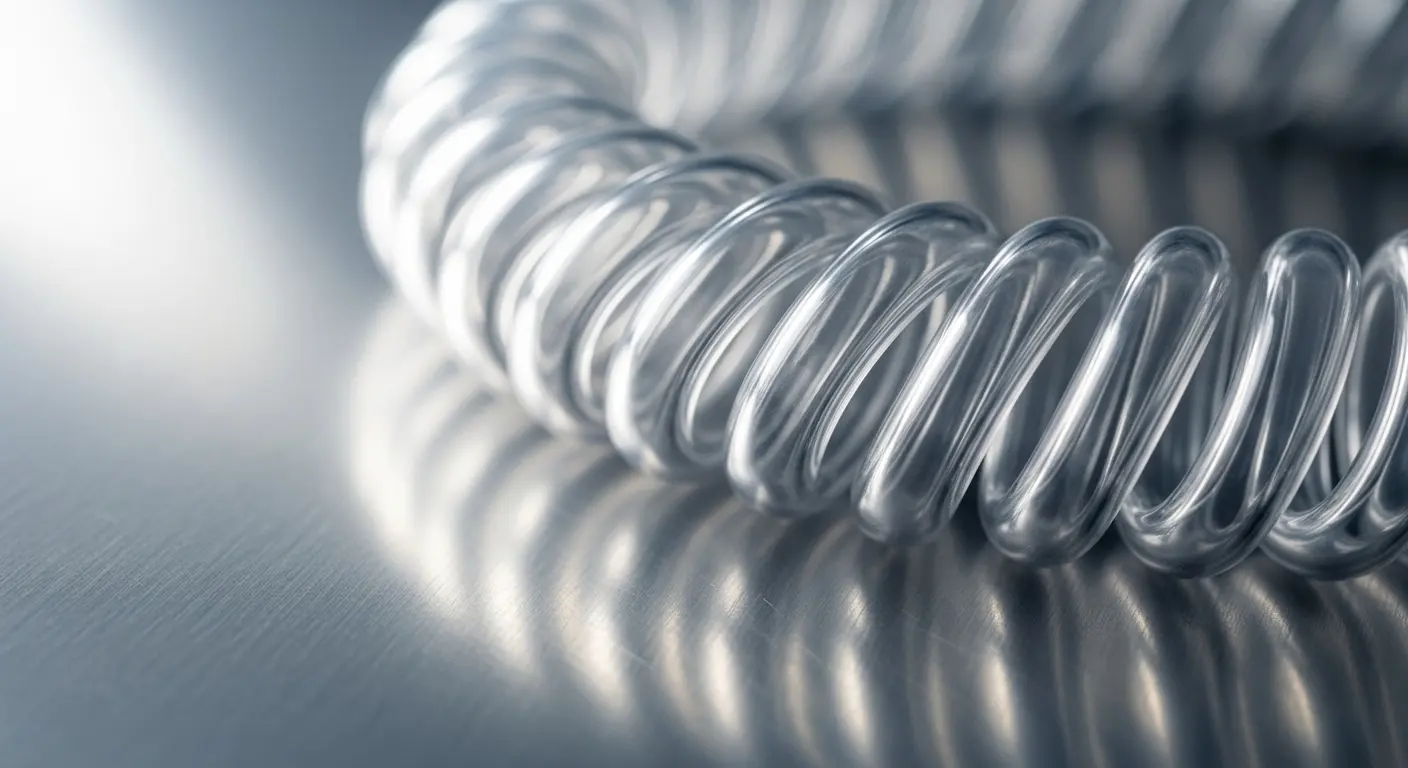
Material choice is the biggest factor in biocompatibility because some polymers are naturally more "inert" than others. Silicone and Fluoropolymers (PTFE) are highly stable and rarely cause reactions. In contrast, materials like PVC require plasticizers to stay flexible, and these plasticizers (like DEHP) are often the source of biocompatibility failures.
When designing a device, you must also consider the manufacturing environment. Producing tubing in a cleanroom reduces the risk of environmental pollutants. Whether you are creating hospital dressing products or high-end vascular tubes, the purity of the raw resin is the foundation of a successful ISO 10993 test result.
What is the Role of Risk Management in Biocompatibility?
Risk management involves creating a Biological Evaluation Plan (BEP) before any testing starts. Instead of blindly running every test, engineers evaluate existing data on the material to identify specific risks. This approach follows the "3Rs" (Replacement, Reduction, Refinement) to minimize animal testing while still ensuring total patient safety.
Understanding clinical terminology is a part of this risk assessment. For example, knowing what PRN means in medical terms (as needed) helps determine the frequency of use. If a device is used frequently "PRN," the cumulative exposure time might push it into a higher risk category, requiring more stringent testing.
How to Handle a Biocompatibility Test Failure?
To handle a failure, you must conduct a root-cause analysis to determine if the issue was the material, the additives, or a contaminant from the factory. Often, a "failed" cytotoxicity test is caused by a surfactant or lubricant used during the extrusion process. Once the culprit is found, the process must be modified and the material re-tested.
Tip: Don't panic if you get a "Grade 2" on a cytotoxicity test. Investigate your cleaning protocols and raw material handling first. Sometimes a simple change in the cooling water or a switch to a more stable colorant can fix the problem.
How Do You Select a Lab for ISO 10993 Testing?
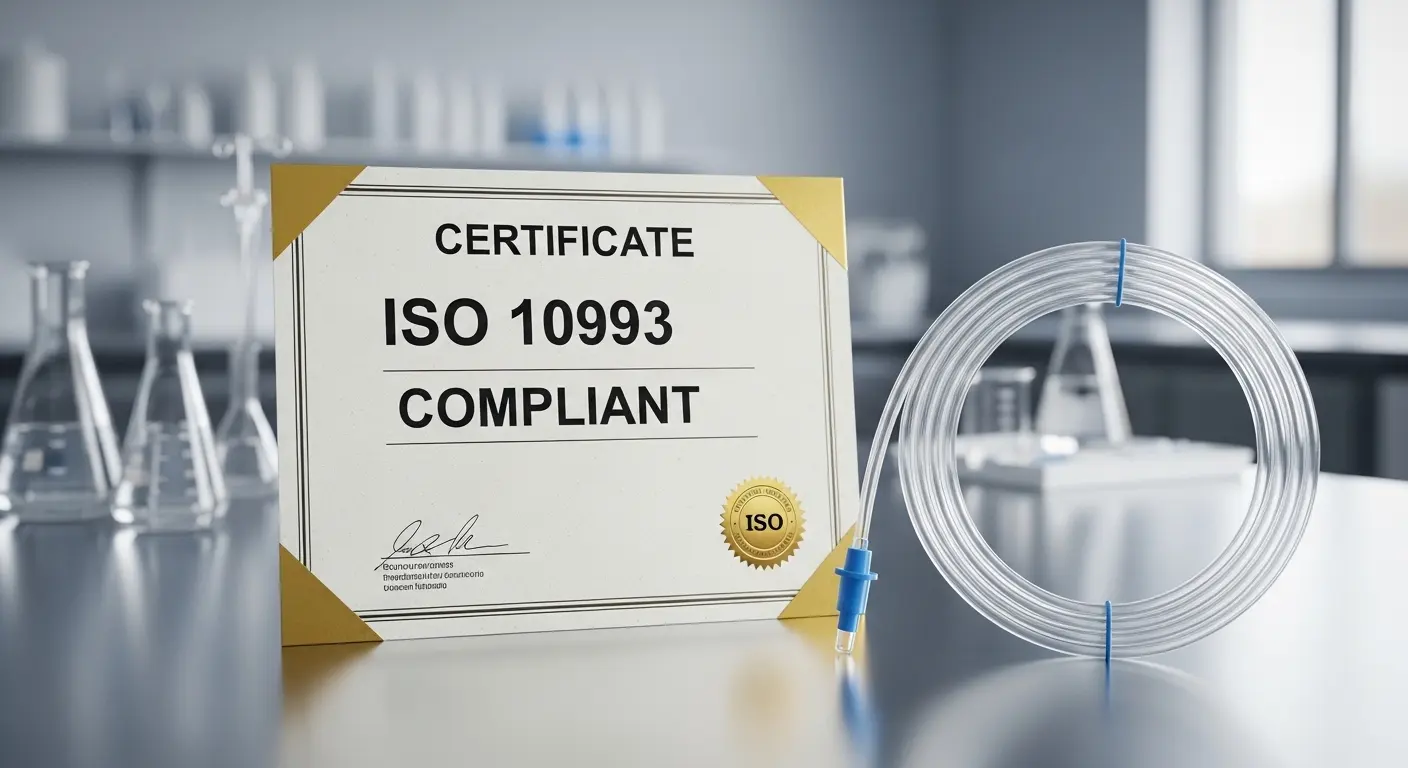
You must select a lab that is GLP (Good Laboratory Practice) compliant and ISO 17025 accredited. A good lab doesn't just provide "pass/fail" results; they provide a comprehensive Biological Evaluation Report (BER) that interprets the data for regulatory bodies like the FDA. They should act as your partner in navigating the complex documentation requirements.
Checklist for Lab Selection
- Accreditation: Are they certified for the specific ISO 10993 parts you need?
- Expertise: Do they have experience with medical-grade polymers and extrusion?
- Consultation: Can they help you write your Biological Evaluation Plan?
- Timeline: How long will it take to get the final, signed BER?
Submit Your Request
Recent Posts
Tags
- Adult Diapers
- Are custom medical devices safe
- Baby Diapers
- Can respiratory anesthesia be used
- Digital Healthcare
- Do you offer customized consumables
- European Market
- How do you take care of a skin wound
- Industry Trends
- Lady Sanitary Napkins
- Medical Devices
- OEM Medical Devices
- Product Introductions
- Protective Equipment
- Under Pads
- What are custom-made medical devices
- What are diagnostic products
- What are hospital dressing products
- What are medical tube catheters
- What are some common protective equipment
- What are the appropriate applications for hospital dressing products
- What are the appropriate uses for protective equipment
- What is a gynecological examination
- What is a medical consumable
- What is an anesthesia kit
- What is an OEM in medical devices
- what is an wound skin care
- what is can disposable ultrasonic diagnostic
- What is good manufacturing medical devices
- What is hospital-grade protective equipment
- what is medical equipments hospital furniture
- What is medical sterilization wrapping
- What is rehabilitation equipment device
- What medical consumables do you supply
- Where can I find laboratory consumables wholesale
- where can I find medical protection device
- where to buy hypodermic accessories
- where to buy medical apparel
- where to buy medical consumable accessories
- where to find OEM medical device supplier
- where to find rehabilitation equipment supplier
