



Difference Between Catheter and Tube: A Complete Clinical Comparison


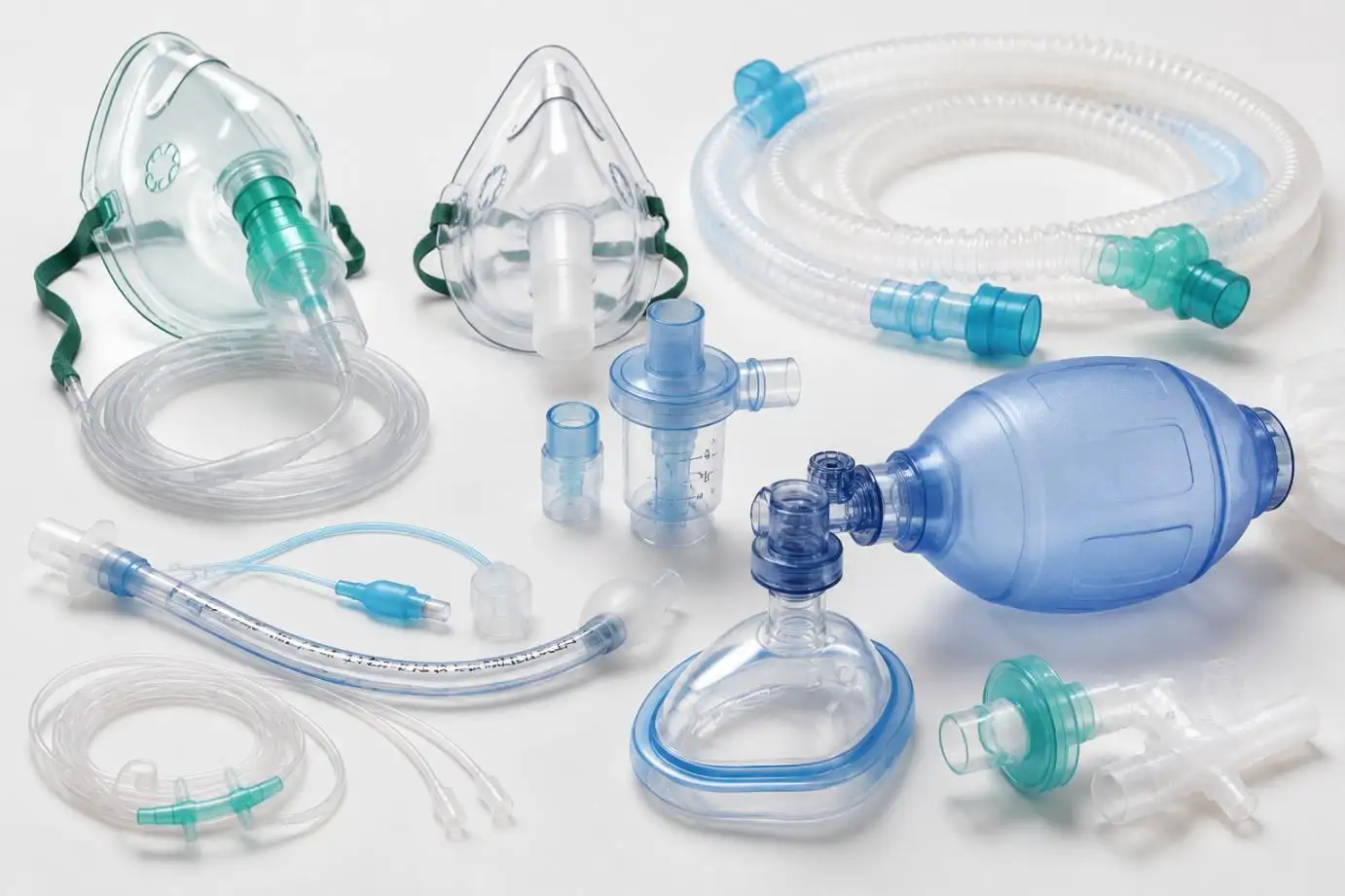
The difference between catheter and tube is often misunderstood by patients and new healthcare professionals alike. While both are hollow conduits used to move fluids, a catheter is a specialized medical device designed for insertion into a specific body cavity, duct, or vessel. Conversely, "tubing" is a broader term for the material used to connect these devices or transport fluids externally.
In my years working with medical manufacturing and supply chains, I have seen how precise terminology prevents clinical errors. Using the wrong term can lead to ordering the wrong gauge or material, which impacts patient comfort and safety. This guide provides a definitive comparison to help you distinguish between these two essential medical components.
What is the fundamental difference between a catheter and a tube?
The fundamental difference lies in their application and design specificity. A catheter is an "active" device inserted into the body to perform a specific function, such as drainage or drug delivery. A tube is a "passive" conduit that usually connects medical devices or transports gases and liquids outside the body.
Catheters are often built with specific tips, coatings, and internal channels (lumens) tailored for their destination, like a vein or the bladder. Tubing is generally more uniform in its cross-section and is sold by the meter or as part of a connection set. At China-Greetmed, we categorize these based on their clinical intent: catheters are for internal intervention, while tubing is for fluid management and equipment connection.
How are catheters and tubes designed differently?
Catheters are designed with biocompatible materials that soften at body temperature to prevent tissue trauma. They often feature radiopaque markers, tapered tips, or retention balloons. Tubes are designed for durability and kink resistance, focusing on maintaining a clear flow path between external medical equipment and the patient.
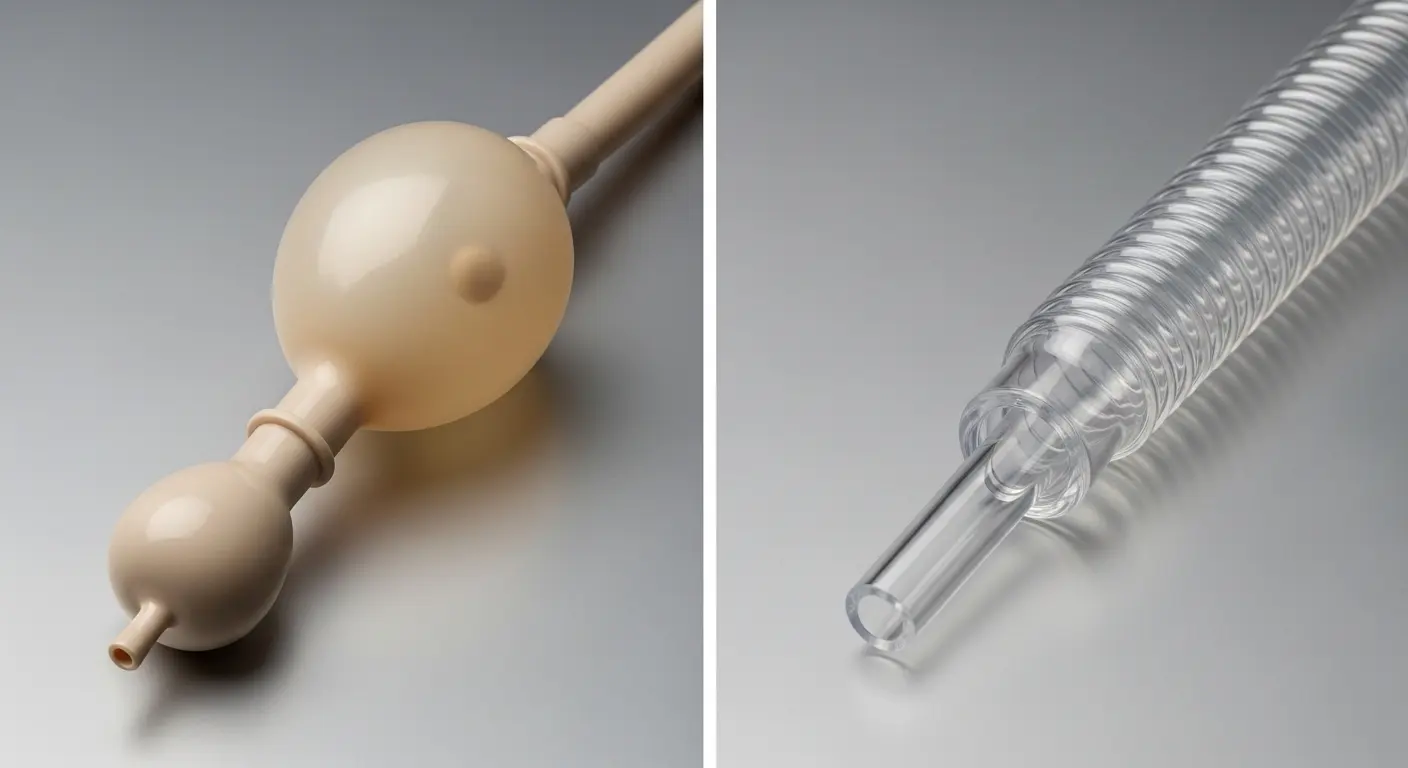
Design Features Comparison
| Feature | Catheter Design | Tubing Design |
| Material | Often TPU or Silicone for biocompatibility. | PVC, Polyethylene, or Vinyl. |
| Flexibility | High; designed to navigate anatomical curves. | Moderate; designed to resist kinking. |
| Tips | Specialized (Coudé, straight, or winged). | Square-cut or universal connectors. |
| Markings | Depth markers and radiopaque lines. | Often clear or color-coded for gas. |
For example, a Malecot catheter has a very specific "winged" tip designed to hold it in place within the kidney or bladder. You would never find such a complex tip on a standard length of IV tubing. The catheter is the "business end" of the procedure, while the tube is the "delivery highway."
When is a catheter used instead of a tube?
A catheter is used when you need to access a specific internal biological space, such as the vascular system, the urinary tract, or the heart. It is the tool of choice for minimally invasive surgeries. A tube is used for external applications, such as oxygen delivery, connecting a medical hypodermic syringe to an IV line, or draining fluids into a collection bag.
In emergency situations, doctors often act "PRN" or as the situation requires. Understanding what PRN means in medical terms is vital for staff who must quickly choose between a simple drainage tube and a specialized catheter. If a patient needs immediate bladder decompression, a urinary catheter is the only safe option; a standard tube would lack the necessary rounded tip to pass safely through the urethra.
What are the most common types of medical catheters?
The most common types of catheters include urinary catheters (Foley), venous catheters (IV or Central Lines), and specialized drainage catheters like the Malecot or pigtail. Each is engineered for a specific body site. For instance, a cardiac catheter is incredibly thin and steerable, while a urinary catheter is thicker and focuses on comfort for long-term placement.
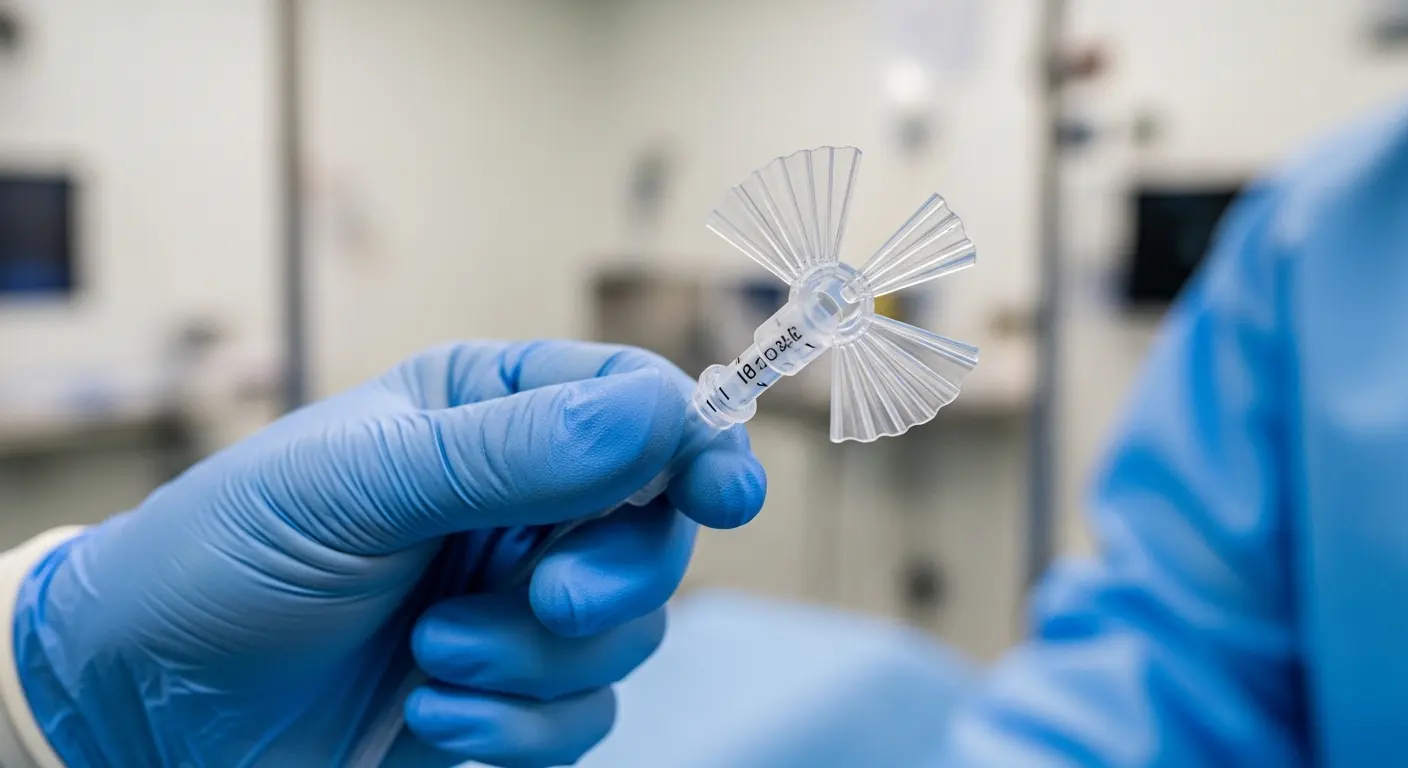
- Urinary Catheters: Used to drain the bladder when a patient cannot void naturally.
- Vascular Catheters: Inserted into veins or arteries to deliver medication or monitor blood pressure.
- Thoracic Catheters: Used to drain air or fluid from the pleural space around the lungs.
- Specialized Drainage: Devices like the Malecot catheter are used specifically for nephrostomy or suprapubic drainage.
What are the most common types of medical tubing?
Common medical tubing includes IV extension sets, oxygen tubing, suction tubing, and peristaltic pump tubing. These are the workhorses of the hospital room, carrying everything from life-saving fluids to breathing gases. They are typically replaced more frequently than catheters to prevent the buildup of bacteria or "biofilm" on the internal walls.
In many cases, tubing acts as the interface between the patient and the environment. When applying what are hospital dressing products to secure a site, the dressing often holds both the catheter (the part in the body) and the tube (the part leading to the bag) in place. Proper stabilization of the tubing prevents the catheter from being accidentally pulled or displaced.
How do materials differ between catheters and tubes?
Catheter materials must pass rigorous ISO 10993 biocompatibility tests because they stay inside the body for extended periods. Materials like Silicone and Polyurethane are preferred because they are "inert." Tubing is often made of PVC (Polyvinyl Chloride) because it is cost-effective, transparent, and can be easily sterilized for external use.
Expert Insight: I have seen many instances where "tube" is used as a generic term, but in a cleanroom environment, the distinction is massive. We use amedical cotton swabto clean the precision tips of catheter dies, whereas tubing dies are much larger and less intricate. The level of engineering in a catheter tip is exponentially higher than in standard tubing.
Why is "French Scale" used for catheters but not all tubes?
The French scale (Fr) is a specialized measurement system for the outer diameter of catheters, where 1 Fr equals 0.33 mm. This allows for precise matching of the device to the patient's anatomy. Tubing is more commonly measured by its internal diameter (ID) and outer diameter (OD) in inches or millimeters, as the exact fit into a biological vessel is often not the primary concern.
Understanding the French Scale
If a doctor asks for a 12 French catheter, they are asking for a device with a 4 mm outer diameter. This standardizes sizes across manufacturers globally. Because catheters are invasive, knowing the exact outer diameter is critical to prevent tissue damage during insertion.
How to choose between a catheter and a tube for a procedure?
Choosing between the two depends on whether the procedure is invasive or non-invasive. If you are entering a sterile body cavity, you need a catheter. If you are moving fluid from one external container to another, or providing surface-level suction, a tube is sufficient. Always follow the clinical protocol for the specific medical task.
Tip: When in doubt, look at the tip of the device. If the tip is rounded, atraumatic, or has a balloon, it is a catheter. If the end is just a simple cut or has a universal connector, it is likely a tube.
Submit Your Request
Recent Posts

Tags
- Adult Diapers
- Are custom medical devices safe
- Baby Diapers
- Can respiratory anesthesia be used
- Digital Healthcare
- Do you offer customized consumables
- European Market
- How do you take care of a skin wound
- Industry Trends
- Lady Sanitary Napkins
- Medical Devices
- OEM Medical Devices
- Product Introductions
- Protective Equipment
- Under Pads
- What are custom-made medical devices
- What are diagnostic products
- What are hospital dressing products
- What are medical tube catheters
- What are some common protective equipment
- What are the appropriate applications for hospital dressing products
- What are the appropriate uses for protective equipment
- What is a gynecological examination
- What is a medical consumable
- What is an anesthesia kit
- What is an OEM in medical devices
- what is an wound skin care
- what is can disposable ultrasonic diagnostic
- What is good manufacturing medical devices
- What is hospital-grade protective equipment
- what is medical equipments hospital furniture
- What is medical sterilization wrapping
- What is rehabilitation equipment device
- What medical consumables do you supply
- Where can I find laboratory consumables wholesale
- where can I find medical protection device
- where to buy hypodermic accessories
- where to buy medical apparel
- where to buy medical consumable accessories
- where to find OEM medical device supplier
- where to find rehabilitation equipment supplier
