



Central Catheter Protective Cover Explained: What It Prevents


Central Catheter Protective Cover is designed to keep a catheter site cleaner, drier, and more stable during daily care and clinical workflows—so small exposure risks do not become big complications.
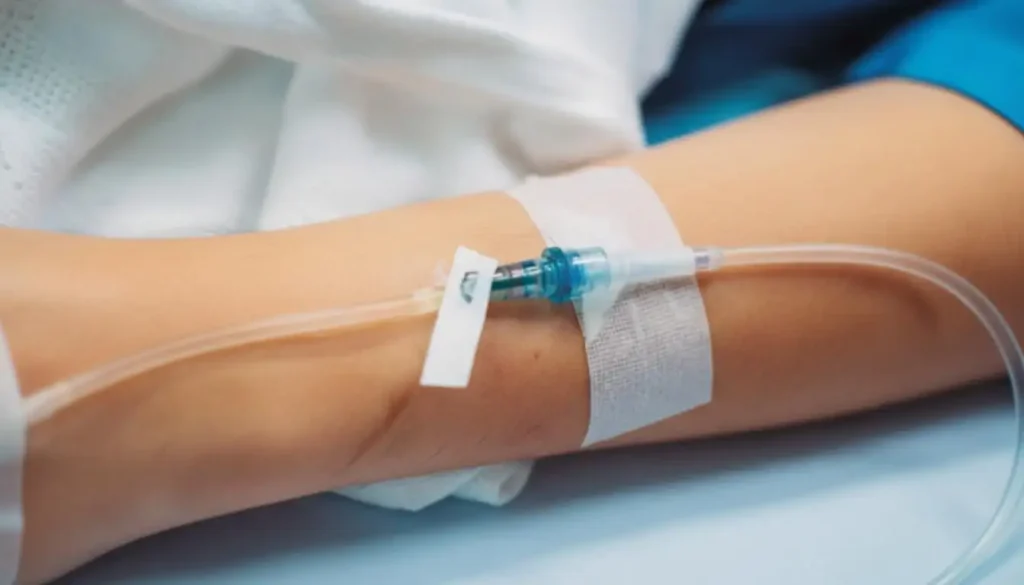
What a Central Catheter Protective Cover Prevents in Real Care
A central catheter is not just a tube. It is a long-term access point, and the skin entry area is a sensitive interface between the patient and the outside environment. The most common problems start with simple, repeatable triggers: moisture from bathing or sweating, friction from clothing and movement, and accidental contact during dressing changes or transfers.
From Greetmed's manufacturing perspective, a Central Catheter Protective Cover focuses on prevention at the “site level.” The goal is to reduce the chance of contamination and irritation, and to keep the area protected without making the patient feel sealed or uncomfortable. When the cover is designed correctly, it becomes a daily-use product that supports both clinical standards and patient comfort—especially for long-wear scenarios.
Antibacterial and Waterproof Protection: Why Dryness Matters
A key prevention job is isolating the site from moisture and external contaminants. Greetmed uses a medical membrane structure with a peel-off cap (medical grade) that creates a reliable barrier around the catheter area. In practice, this means the cover helps block splashes, humidity, and accidental exposure that can compromise a dressing.
When the site stays dry, the workflow becomes easier:
✓ Less frequent “unscheduled” dressing disturbance caused by wet edges
✓ Lower risk of moisture-related skin softening that can increase irritation
✓ Cleaner daily routines for patients and caregivers, especially during hygiene tasks
This is not about promising a perfect environment. It is about controlling the most common risk factor—water—using a barrier layer that is engineered for medical use. For inpatient settings, that barrier helps reduce daily variability. For home or step-down care, it offers families a clearer, simpler protection step.
Breathable Comfort: How Nonwoven Layers Reduce Friction
Prevention is not only about blocking. It is also about reducing irritation. Many patients wear central catheters for extended periods, and the skin around the site can become sensitive. If a protective product increases friction, it can create discomfort and raise the chance of scratching or repeated adjustments—both of which are unwanted.
This is why Greetmed combines nonwoven materials to keep the surface gentle while still functional. The cover includes a 105 g nonwoven composite material and a 48 g SMMS nonwoven fabric layer. In practical terms, these nonwoven layers are selected to feel softer on the skin and to reduce rubbing during movement.
A comfortable Central Catheter Protective Cover supports prevention in a different way:
✓ Patients are less likely to “touch and adjust” the area due to discomfort
✓ Reduced friction can help limit redness in long-wear use
✓ Breathability supports everyday wear without a heavy, sweaty feel
For nurses and caregivers, comfort is not a “nice to have.” Comfort is compliance. When patients tolerate the product well, protection stays consistent.
Medical-Grade Materials: What Buyers Should Look For
Hospitals, clinics, and distributors often ask the same question: what does “medical-grade” mean in a product like this? In purchasing, it usually means two things—materials that are appropriate for skin contact and production controls that support stable quality.
Greetmed's Central Catheter Protective Cover uses a medical-grade membrane with a peel-off cap, and supporting nonwoven layers designed for medical applications. The point for buyers is practical: consistent materials reduce surprises. When a cover behaves the same way each time, it is easier to train staff, standardize care steps, and reduce complaints from end users.
When evaluating a cover, consider these decision points:
✓ Does the barrier layer maintain protection without feeling stiff?
✓ Does the skin-contact layer reduce friction during prolonged wear?
✓ Are the materials described clearly so procurement can verify suitability?
This kind of product is small, but it sits at a critical interface. “Good enough” is rarely good enough when the goal is to prevent avoidable complications.
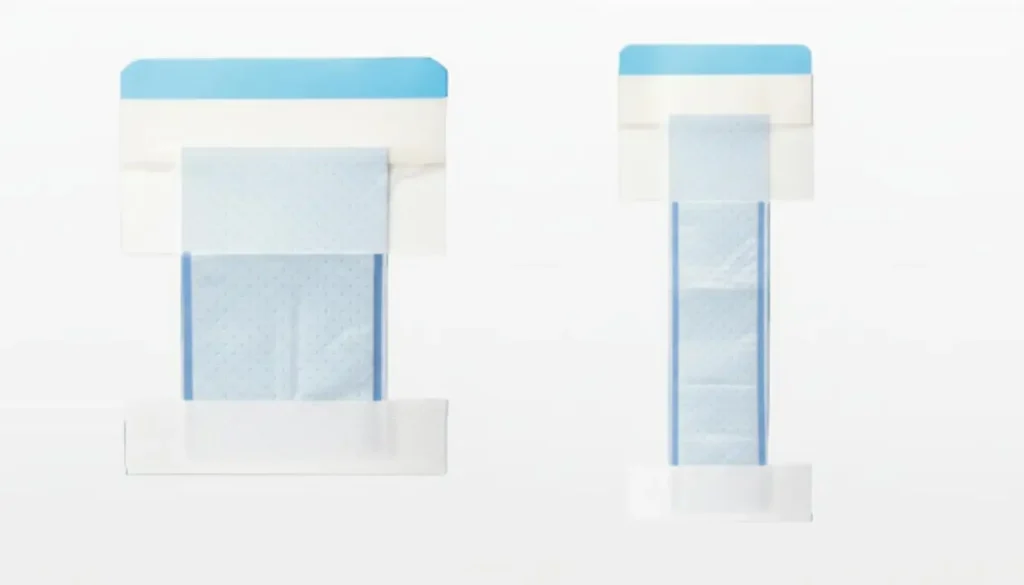
Easy to Fit and Replace: Making Protection a Repeatable Habit
Even the best material design fails if the product is inconvenient. In real wards and operating rooms, time matters. A Central Catheter Protective Cover should fit easily and be quick to replace, so protection becomes a standard habit rather than a special step.
Greetmed provides practical sizing options to match common use needs:
• GT214-20-01: 8 cm × 7.5 cm
• GT214-20-02: 16 cm × 5 cm
These sizes allow clinicians and buyers to select a format that fits typical site coverage requirements and workflow preferences. A smaller format may suit straightforward site protection, while a longer format may support broader coverage depending on dressing style and catheter configuration.
Ease of use is not only about speed. It helps reduce handling:
✓ Faster replacement can reduce unnecessary site exposure time
✓ Simple fitting lowers training burden for new staff
✓ Consistent application improves standardization across shifts
In long-term or repeated catheter replacement scenarios, repeatability becomes the real “performance metric.”
Inpatient and Operating Room Use Cases: Where Prevention Adds Value
A well-designed Central Catheter Protective Cover supports both inpatient care and operating room workflows, but the value looks slightly different in each setting.
In inpatient care, protection is routine. The cover helps reduce infection-related risk factors by limiting moisture and contamination, and it supports a cleaner, calmer daily experience for patients who may already be stressed by repeated procedures or long hospital stays. It can also reduce small disruptions—like wet dressing edges—that create extra work and discomfort.
In the operating room, protection is about sterility and stability. Preoperative protection helps keep the catheter site stable and protected during positioning and preparation. Postoperative protection supports recovery by keeping the site cleaner and reducing friction when patients move, transfer, or begin mobilization again.
CTA (Call-to-Action)
If you are selecting a Central Catheter Protective Cover for inpatient wards or operating rooms, contact Greetmed with catheter type, clinical stage, and cover size (8 cm × 7.5 cm or 16 cm × 5 cm). We will recommend a suitable membrane-and-nonwoven build and support consistent delivery for daily use.
Submit Your Request
Recent Posts
Tags
- Adult Diapers
- Are custom medical devices safe
- Baby Diapers
- Can respiratory anesthesia be used
- Digital Healthcare
- Do you offer customized consumables
- European Market
- How do you take care of a skin wound
- Industry Trends
- Lady Sanitary Napkins
- Medical Devices
- OEM Medical Devices
- Product Introductions
- Protective Equipment
- Under Pads
- What are custom-made medical devices
- What are diagnostic products
- What are hospital dressing products
- What are medical tube catheters
- What are some common protective equipment
- What are the appropriate applications for hospital dressing products
- What are the appropriate uses for protective equipment
- What is a gynecological examination
- What is a medical consumable
- What is an anesthesia kit
- What is an OEM in medical devices
- what is an wound skin care
- what is can disposable ultrasonic diagnostic
- What is good manufacturing medical devices
- What is hospital-grade protective equipment
- what is medical equipments hospital furniture
- What is medical sterilization wrapping
- What is rehabilitation equipment device
- What medical consumables do you supply
- Where can I find laboratory consumables wholesale
- where can I find medical protection device
- where to buy hypodermic accessories
- where to buy medical apparel
- where to buy medical consumable accessories
- where to find OEM medical device supplier
- where to find rehabilitation equipment supplier
