



Peripheral Delivery Braided Sheath: The Ultimate Guide to Vascular Access


A peripheral delivery braided sheath is a critical component in modern interventional radiology and vascular surgery. This specialized medical device provides a stable, kink-resistant conduit for delivering stents, balloons, and other therapeutic tools into the peripheral vasculature. By integrating a stainless steel or nitinol braid within the polymer wall, these sheaths offer the unique combination of a small outer diameter and a large, reinforced inner channel.
In my years of observing vascular procedures, I have seen how the success of a limb-salvage case often hinges on the "pushability" of the delivery system. A standard non-braided tube simply cannot handle the torque required to navigate calcified iliac or femoral arteries. Braided technology changed the game by allowing surgeons to cross complex lesions without the sheath collapsing or "ovaling" during the procedure. This guide explores why braided sheaths are the preferred choice for high-stakes peripheral interventions.
What is a Peripheral Delivery Braided Sheath?
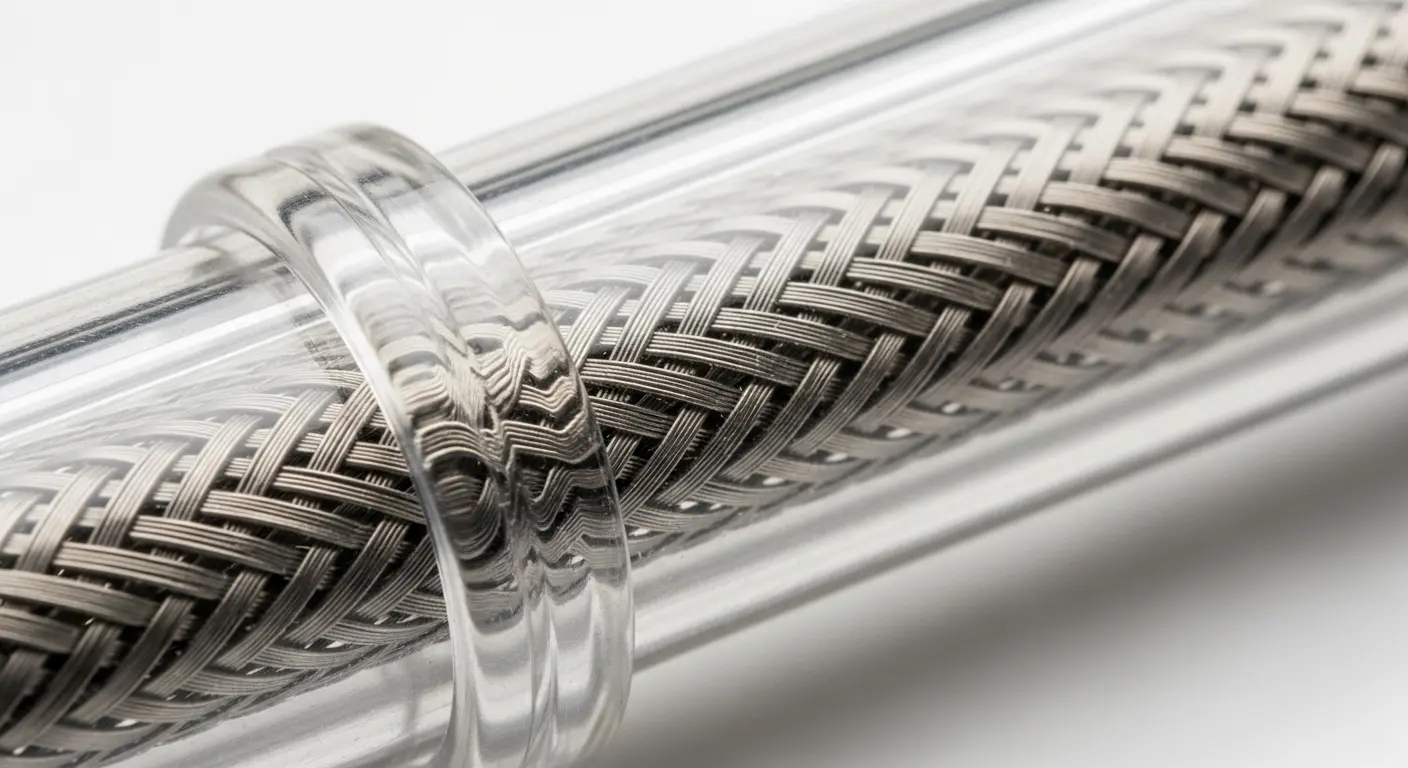
A peripheral delivery braided sheath is a high-performance vascular access tool featuring an integrated wire mesh embedded within its walls. This braiding provides superior kink resistance, torqueability, and column strength. It functions as a protected tunnel, allowing interventionalists to advance delicate instruments through tortuous blood vessels without damaging the vessel wall or losing access to the target site.
The mechanics of a braided sheath rely on "composite construction." Most sheaths consist of three layers: a lubricious PTFE inner liner, a middle wire braid (usually stainless steel), and a polymer outer jacket. When the surgeon pushes or rotates the sheath, the braid transmits that force directly to the tip. This allows for precise steering through the pelvic and leg arteries. Without this reinforcement, the tube would simply bend or kink when meeting resistance from a blockage.
Key Components of a Braided Sheath
- PTFE Inner Liner: Provides an ultra-slick surface for the easy passage of stents and balloons.
- Wire Braid: The "skeleton" that prevents the tube from collapsing or kinking.
- Radiopaque Tip: A highly visible marker that ensures the surgeon knows exactly where the sheath ends under X-ray.
- Hemostatic Valve: A seal at the proximal end that prevents blood loss while tools are being exchanged.
Why is Braided Technology Critical for Peripheral Interventions?
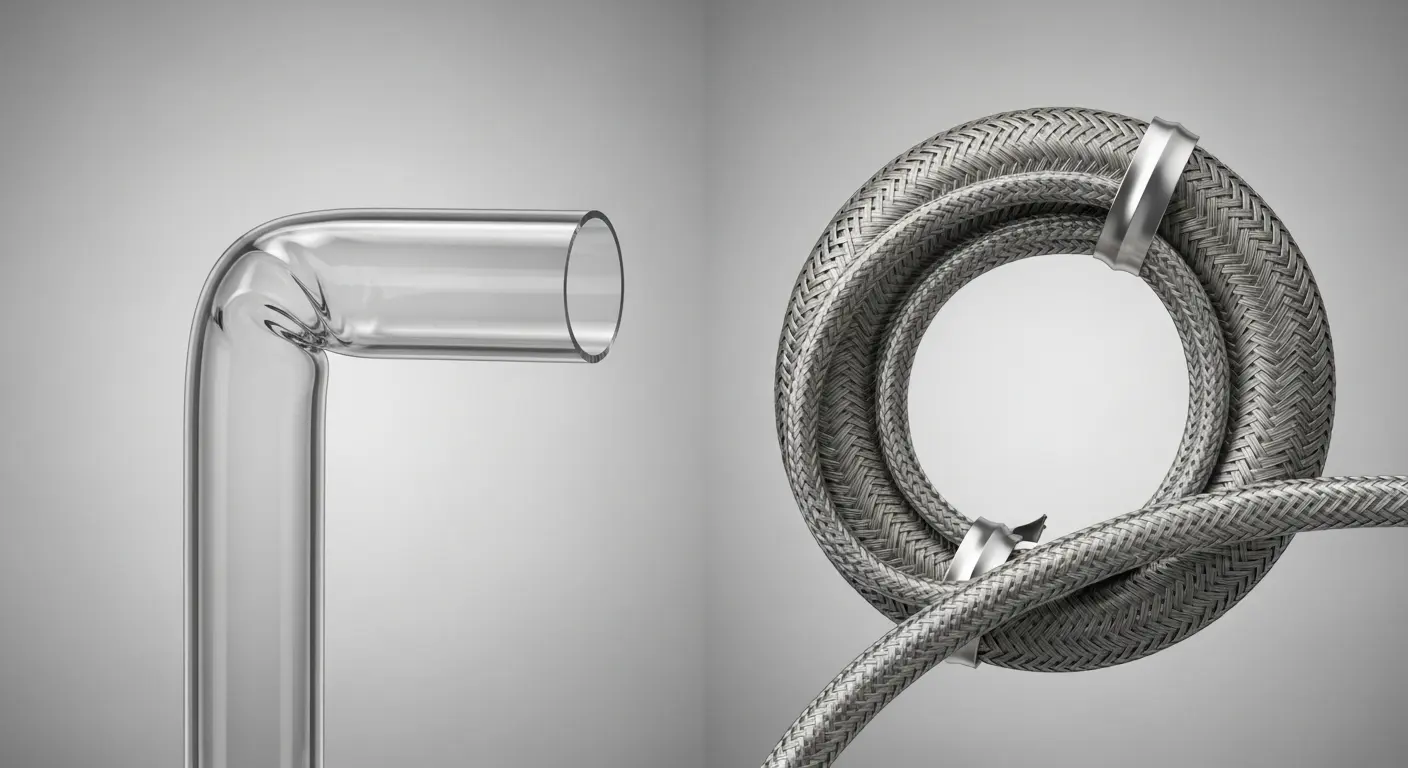
Braided technology is critical because peripheral arteries are often long, curvy, and hardened by plaque. A peripheral delivery braided sheath maintains its internal diameter even when bent at sharp angles, ensuring that therapeutic devices do not get stuck. This reliability is vital for maintaining "pushability"—the ability to transmit manual force from the handle to the distal tip deep within the patient's leg.
In a clinical setting, things move fast. If a sheath kinks, you lose access to the lesion, which can extend the procedure time and increase risk. Many vascular kits include accessories to support these sheaths. For instance, a medical hypodermic syringe is frequently used to flush the sheath with heparinized saline to prevent clots from forming inside the braided channel. The structural integrity of the braid ensures that these high-pressure flushes do not deform the sheath wall.
How Does a Braided Sheath Differ from a Standard Introducer?
A braided sheath differs from a standard introducer primarily in its kink resistance and wall thickness-to-lumen ratio. Standard introducers are typically made of a single layer of extruded plastic (like FEP or Polyethylene). While they work for simple access, they lack the "torque response" and structural "hoop strength" of a braided delivery system, making them unsuitable for long-range peripheral delivery.
| Feature | Standard Introducer | Braided Delivery Sheath |
| Construction | Single-layer polymer. | Multi-layer composite with wire mesh. |
| Kink Resistance | Low; prone to "creasing" at angles. | High; maintains lumen even when looped. |
| Torque Response | 1:1 rotation is rarely achieved. | Excellent; precise steering capability. |
| Lumen Size | Thick walls limit internal space. | Thin, reinforced walls maximize inner diameter. |
For more routine procedures where complex navigation isn't required, a simpler device like a Malecot catheter might be used for drainage. However, when you are delivering a $3,000 drug-eluting stent into a distal artery, the precision of a braided sheath is non-negotiable.
What are the Main Clinical Benefits of Using a Braided Sheath?
The main clinical benefits include reduced procedure time, lower risk of vessel trauma, and the ability to treat more complex "below-the-knee" lesions. Because the sheath is kink-resistant, it provides a stable platform for crossing tough occlusions. This stability reduces the "back-and-forth" trauma to the arterial wall, which can help lower the rates of restenosis or vessel dissection.
Surgeons often use these sheaths "PRN" or as needed for specific difficult anatomies. Understanding what PRN means in medical terms is essential for the surgical team to know when to escalate from a standard sheath to a braided delivery system. Data suggests that using braided sheaths in complex peripheral cases can reduce total fluoroscopy time by up to 15%, minimizing radiation exposure for both the patient and the staff.
Summary of Advantages
- Enhanced Trackability: Slides through curvy vessels with minimal friction.
- Increased Safety: Lower risk of the sheath tip "whipping" or damaging the intima.
- Versatility: Compatible with a wide range of interventional wires and catheters.
- Lumen Integrity: Prevents "ovaling," ensuring that stents deploy smoothly.
What Materials are Used in Peripheral Braided Sheath Manufacturing?
The materials used in peripheral braided sheath manufacturing include 304 or 316L stainless steel for the braid, and medical-grade polymers like PEBAX or Polyurethane for the outer jacket. Nitinol is sometimes used for the braid if extreme flexibility and "shape memory" are required. The inner liner is almost always PTFE (Teflon) to provide the lowest possible friction for device delivery.
Expert Insight: In the manufacturing process, cleanliness is everything. Even a tiny fiber trapped under the polymer jacket can cause a "bump" that irritates the vessel wall. Leading manufacturers use amedical cotton swabto meticulously clean the braiding mandrels before the final polymer over-jacketing process begins. This attention to detail is what defines a high-tier vascular device.
How Do You Select the Right Size Braided Sheath for a Procedure?
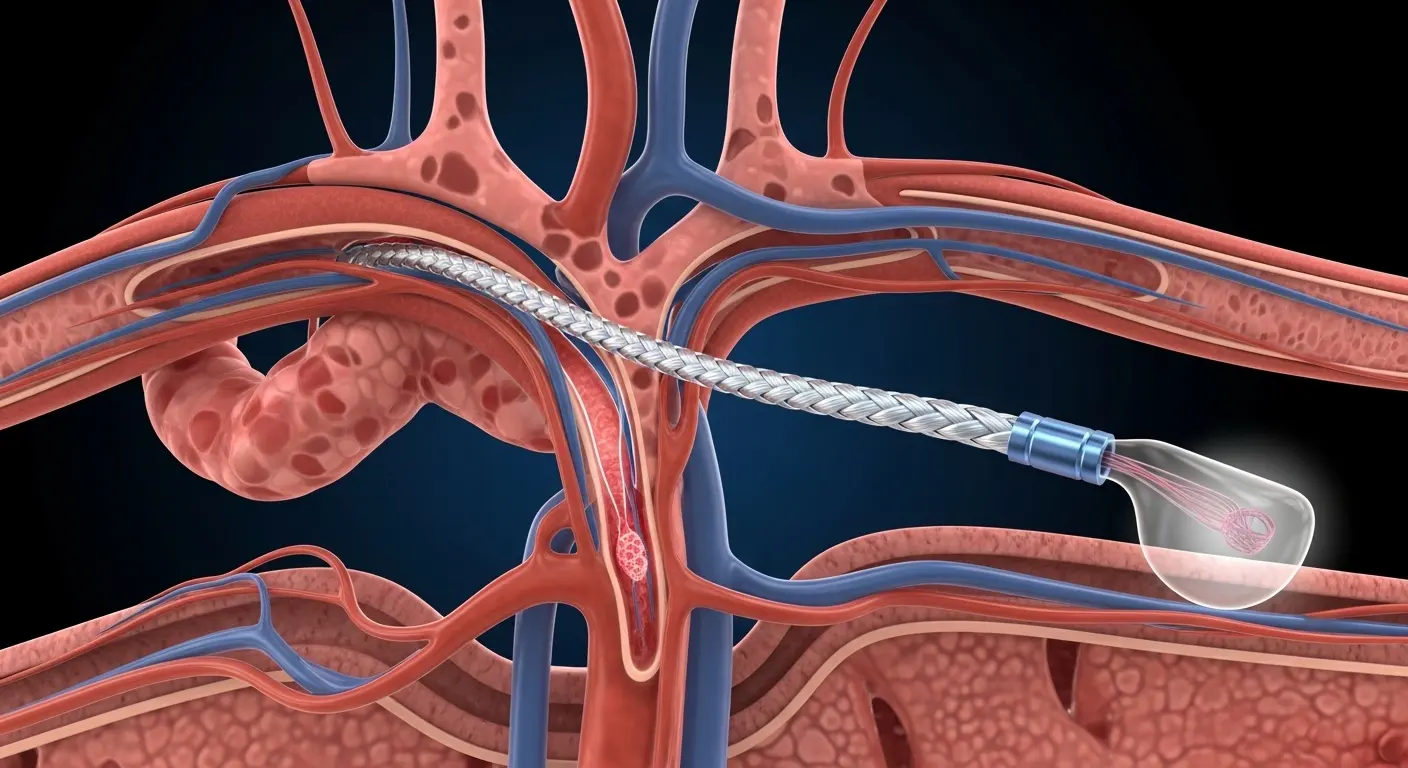
You select the right size by matching the sheath's internal diameter (measured in French size) to the largest device you plan to deliver, while keeping the outer diameter as small as possible to minimize the puncture site. For peripheral work, 5Fr, 6Fr, and 7Fr are the most common sizes. The "working length" also matters; a 45cm sheath is standard for iliac work, while 90cm or 110cm lengths are used for "crossover" procedures from the opposite hip.
Tip: Always check the "minimum sheath ID" listed on your stent or balloon packaging. If you are using a 6Fr-compatible stent, you must use a sheath with an internal diameter of at least 0.079 inches. A braided sheath allows you to use a smaller puncture size without sacrificing that internal space.
What is the Importance of the Hydrophilic Coating?
The hydrophilic coating is a microscopic layer applied to the outer surface of the sheath that becomes incredibly slippery when wet. This "water-loving" layer reduces friction between the sheath and the arterial wall by up to 90%. This allows for smoother insertion and withdrawal, significantly reducing the risk of arterial spasm, which is a common complication in peripheral vascular procedures.
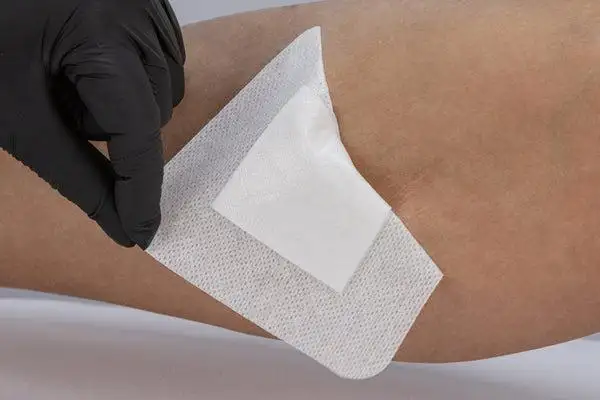
After the procedure, managing the access site is the final step. Various hospital dressing products are used to ensure the puncture site heals without hematoma. Because braided sheaths often have a slightly thinner wall, the puncture hole in the artery is smaller and cleaner, making it easier to achieve hemostasis with manual pressure or a closure device.
What Quality Standards Apply to Braided Sheath Manufacturing?
Braided sheath manufacturing must adhere to ISO 13485 (Quality Management Systems) and ISO 10555 (Sterile, Single-use Intravascular Catheters). These standards require rigorous testing for "leakage under pressure," "peak tensile force," and "kink resistance." Every batch must be validated to ensure that the braid is perfectly centered and that there are no "delamination" risks where the polymer could peel away from the wire.
Essential Quality Tests
- Torque Test: Measuring how many degrees the tip turns for every 360-degree turn of the handle.
- Burst Pressure: Ensuring the sheath doesn't rupture during high-pressure injections of contrast dye.
- Visual Inspection: Using high-definition cameras to check for braid "gaps" or uneven polymer thickness.
- Biocompatibility: Following ISO 10993 to ensure the materials are safe for blood contact.
Submit Your Request
Recent Posts

Tags
- Adult Diapers
- Are custom medical devices safe
- Baby Diapers
- Can respiratory anesthesia be used
- Digital Healthcare
- Do you offer customized consumables
- European Market
- How do you take care of a skin wound
- Industry Trends
- Lady Sanitary Napkins
- Medical Devices
- OEM Medical Devices
- Product Introductions
- Protective Equipment
- Under Pads
- What are custom-made medical devices
- What are diagnostic products
- What are hospital dressing products
- What are medical tube catheters
- What are some common protective equipment
- What are the appropriate applications for hospital dressing products
- What are the appropriate uses for protective equipment
- What is a gynecological examination
- What is a medical consumable
- What is an anesthesia kit
- What is an OEM in medical devices
- what is an wound skin care
- what is can disposable ultrasonic diagnostic
- What is good manufacturing medical devices
- What is hospital-grade protective equipment
- what is medical equipments hospital furniture
- What is medical sterilization wrapping
- What is rehabilitation equipment device
- What medical consumables do you supply
- Where can I find laboratory consumables wholesale
- where can I find medical protection device
- where to buy hypodermic accessories
- where to buy medical apparel
- where to buy medical consumable accessories
- where to find OEM medical device supplier
- where to find rehabilitation equipment supplier
