



Bump Tubing Catheter Guide: Precision Medical Extrusion


Can a single piece of plastic tubing be both rigid and flexible at the same time? In the world of high-stakes medical procedures, it has to be. Whether a surgeon is navigating the delicate vasculature of the brain or placing a long-term PICC line, they rely on a bump tubing catheter to do the heavy lifting.
If you’re an engineer designing the next generation of life-saving devices, you know the challenge. You need a proximal end that’s stiff enough to push and a distal tip soft enough to avoid damaging vessel walls. That’s where precision extrusion changes the game.
What Is a Bump Tubing Catheter Exactly?
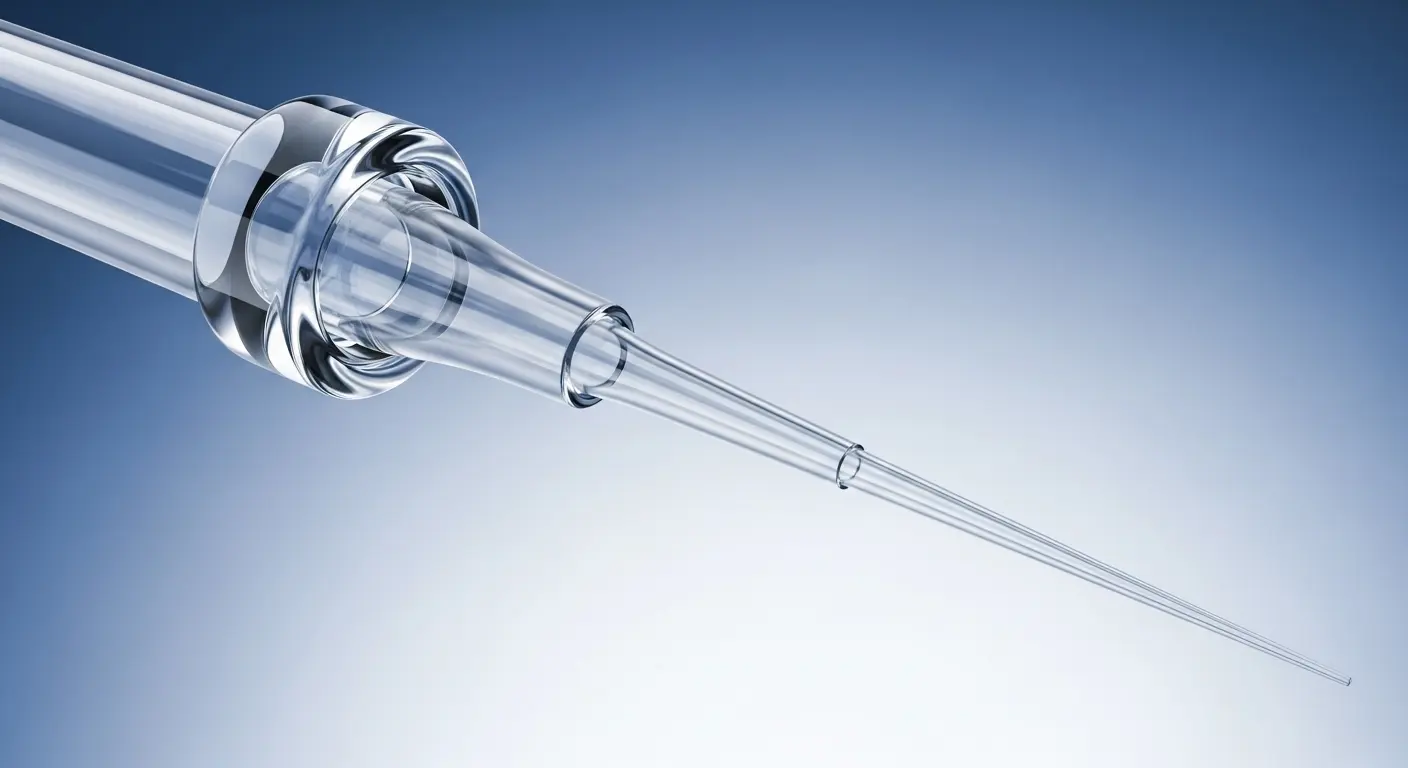
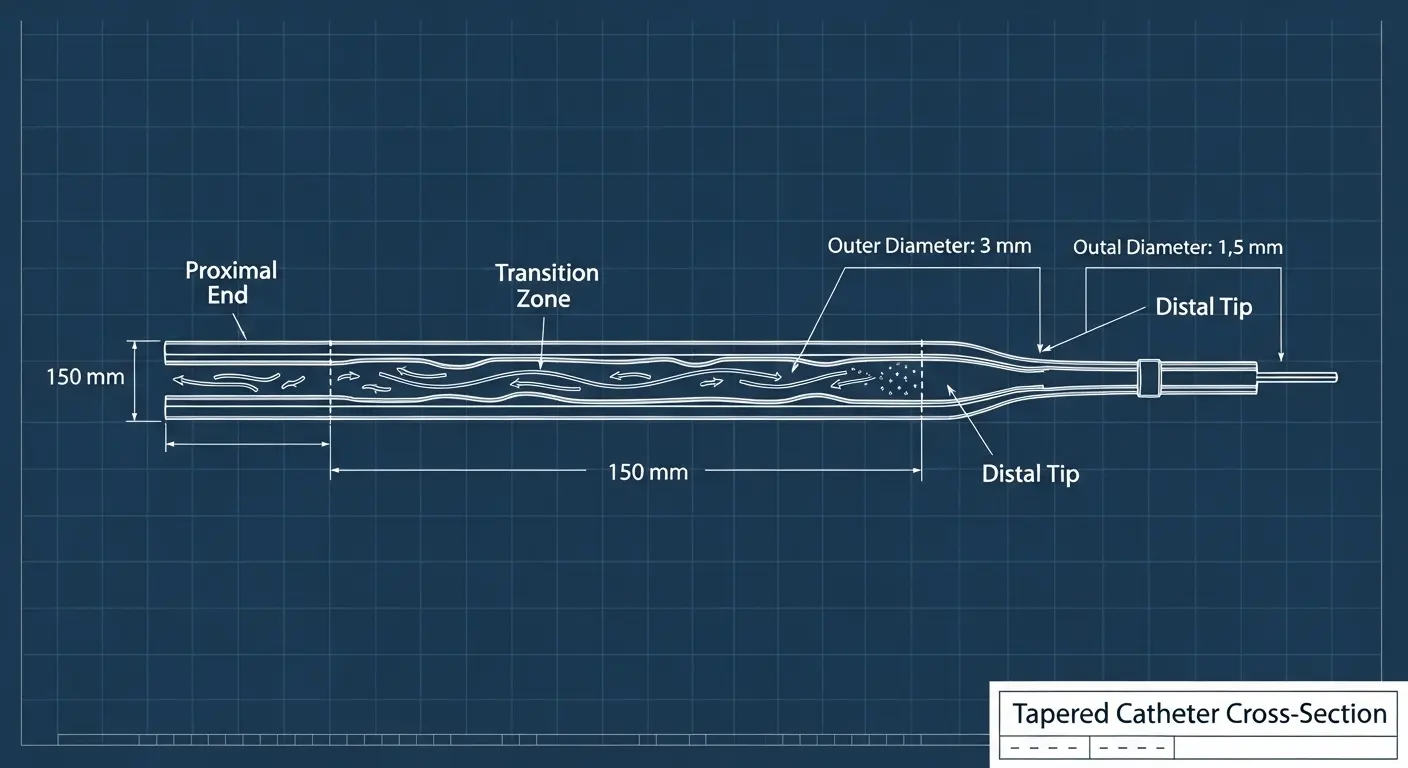
A bump tubing catheter is a specialized medical extrusion where the diameter changes along its length. Unlike standard tubing with a constant cross-section, "bump" or "tapered" tubing features a transition zone.
Engineers use this to create a "funnel" effect. One end might have a large outer diameter (OD) to fit a standard luer lock or hub, while the other end tapers down to a micro-scale tip. It’s a seamless, single-piece solution that eliminates the need for bonding two different tubes together—a process that often introduces weak points or "steps" that can catch on tissue.
Why This Design Matters for Patient Safety
In medical device manufacturing, every "join" or "bond" is a potential failure point. If you glue a stiff tube to a soft one, you risk the bond breaking inside a patient.
By using a bump tubing catheter, you get a continuous polymer structure. This provides:
- Superior Kink Resistance: The gradual transition distributes stress more evenly.
- Atraumatic Insertion: The smaller, softer tip reduces the risk of vessel perforation.
- Higher Flow Rates: You can maintain a larger internal diameter (ID) at the hub while still having a precise tip.
Much like how a malecot catheter uses a specific shape for drainage stability, bump tubing uses geometry to improve surgical navigation.
The Science of Variable Diameter Extrusion
How do we actually make the diameter change while the plastic is moving at high speeds? It’s a delicate dance of physics and computerized control.
During the extrusion process, we vary two main factors: the speed of the "puller" and the internal air pressure.
- The Drawdown: By speeding up the puller, the molten plastic stretches, making the tube thinner.
- The Bump: By slowing the puller down, the material "piles up," creating the thicker "bump" section.
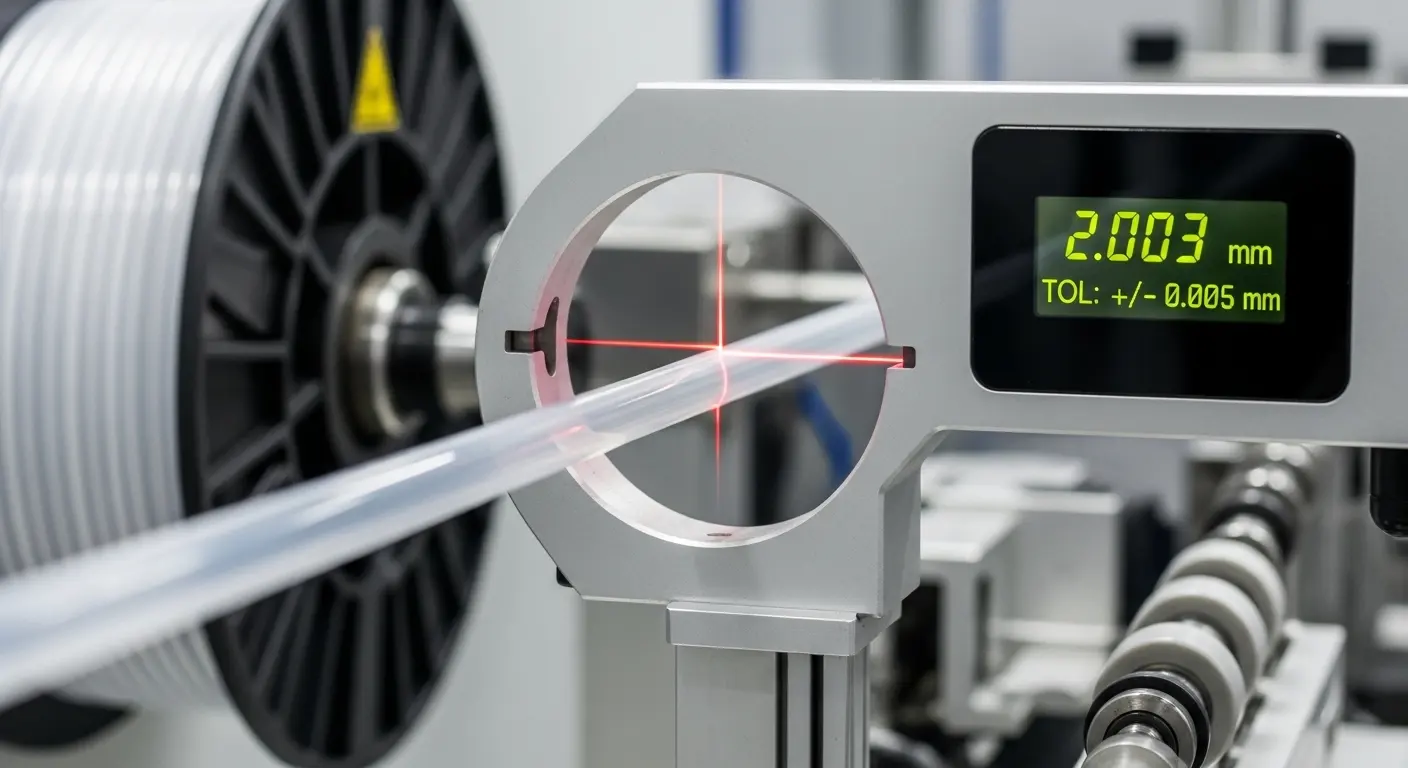
This requires incredibly tight feedback loops. If the cooling tank temperature fluctuates even slightly, the "bump" won't be consistent. At Greetmed, we use closed-loop laser gauges to monitor these transitions in real-time, ensuring every millimeter meets your blueprint.
Common Materials Used in Bump Extrusion
Choosing the right polymer is just as important as the shape. Depending on your application, you might need different levels of "memory" or "stiffness."
- Pebax® (Polyether Block Amide): The gold standard for catheters. It’s available in many "durometers" (hardness levels) and offers excellent torque transmission.
- TPU (Thermoplastic Polyurethane): Known for being biocompatible and very soft once it reaches body temperature.
- Nylon 12: Used when you need high pressure resistance, such as in balloon catheters.
- FEP & PEEK: For highly specialized, chemically resistant leads or high-strength micro-catheters.
If your project requires precision delivery, similar to how a medical hypodermic syringe requires exact tolerances for fluid dosage, these materials provide the reliability needed for critical care.
Key Applications: From PICC Lines to Neurovascular Access
Where do you actually see these components in action? They’re more common than you might think.
1. Peripherally Inserted Central Catheters (PICC) A PICC line needs to stay in the body for weeks. The "bump" allows the external part of the tube to be robust enough for daily cleaning and line changes, while the internal part is thin enough to sit comfortably in the superior vena cava.
2. Neurovascular Micro-catheters Navigating the brain requires extreme "pushability." The proximal end of the bump tubing catheter is thick and stiff, allowing the surgeon to steer the device from the groin all the way to the head.
3. Urological and Drainage Solutions Sometimes, a tube needs a "funnel" end to allow for high-volume drainage without needing an extra connector. It’s about simplifying the design to reduce cost and increase reliability.
3 Tips for Designing Better Tapered Tubing
If you're currently in the R&D phase, keep these three factors in mind to ensure your design is actually "manufacturable":
- Mind the Transition Length: A transition that is too short (e.g., jumping from a large to a small diameter in 10mm) can cause the material to stress. Aim for a gradual transition to maintain wall consistency.
- Wall Thickness Ratios: Try to keep the ratio of the wall thickness between the "heavy" end and the "light" end within a 3:1 range. Extreme changes can lead to ovality issues.
- End-Use Environment: Remember that some materials soften significantly at body temperature. What feels stiff on your desk might feel like a wet noodle inside an artery.
Why Quality Standards Aren't Negotiable
When manufacturing medical components, "close enough" is never good enough. Whether we are producing a complex bump tubing catheter or medical cotton swabs, the environment matters.
We operate Class 100,000 cleanrooms to ensure zero contamination. In the medical world, a single microscopic dust particle trapped in a catheter wall can lead to a "pinhole" leak under pressure. That’s why our ISO 13485 certification is the backbone of everything we do.
FAQ: Everything You Need to Know About Bump Tubing
What is the maximum diameter change possible? Typically, we can achieve a 2.5:1 to 3:1 ratio between the largest and smallest diameters. Anything beyond that requires specialized tooling and specific material grades.
Can you have multiple "bumps" in one tube? Yes. Modern extrusion equipment allows for "multi-bump" configurations where the diameter fluctuates several times over a specific length. This is often used in specialized dilators.
How do you measure the transition zone? We use high-speed optical micrometers. These sensors measure the OD thousands of times per second as the tubing passes through, ensuring the "slope" of the taper is perfect.
Is bump tubing more expensive than regular tubing? The initial setup and scrap rates are higher because the process is more complex. However, because it eliminates the need for secondary bonding and manual assembly, it often reduces the total cost of the finished medical device.
What does "PRN" mean in the context of catheter use? In clinical settings, doctors might order certain procedures "PRN." If you’ve ever wondered what PRN means in medical terms, it essentially stands for "as needed." For catheters, this might refer to as-needed flushing or line maintenance.
Partner with a Precision Manufacturer
Building a better catheter starts with a better tube. At Greetmed, we understand that you aren't just buying plastic; you're buying the security that your device will perform when a patient's life is on the line.
Whether you need a simple taper or a complex multi-lumen bump tubing catheter, our engineering team is ready to help you move from prototype to mass production. From basic hospital dressing products to high-end extrusions, we bring the same level of Chinese manufacturing efficiency and global quality standards.
Submit Your Request
Recent Posts

Tags
- Adult Diapers
- Are custom medical devices safe
- Baby Diapers
- Can respiratory anesthesia be used
- Digital Healthcare
- Do you offer customized consumables
- European Market
- How do you take care of a skin wound
- Industry Trends
- Lady Sanitary Napkins
- Medical Devices
- OEM Medical Devices
- Product Introductions
- Protective Equipment
- Under Pads
- What are custom-made medical devices
- What are diagnostic products
- What are hospital dressing products
- What are medical tube catheters
- What are some common protective equipment
- What are the appropriate applications for hospital dressing products
- What are the appropriate uses for protective equipment
- What is a gynecological examination
- What is a medical consumable
- What is an anesthesia kit
- What is an OEM in medical devices
- what is an wound skin care
- what is can disposable ultrasonic diagnostic
- What is good manufacturing medical devices
- What is hospital-grade protective equipment
- what is medical equipments hospital furniture
- What is medical sterilization wrapping
- What is rehabilitation equipment device
- What medical consumables do you supply
- Where can I find laboratory consumables wholesale
- where can I find medical protection device
- where to buy hypodermic accessories
- where to buy medical apparel
- where to buy medical consumable accessories
- where to find OEM medical device supplier
- where to find rehabilitation equipment supplier
