



Thin Wall Tubing Medical Extrusion: The Ultimate Guide to Precision Manufacturing


Thin wall tubing medical extrusion is a high-precision manufacturing process used to create ultra-fine plastic conduits for advanced clinical procedures. These specialized tubes feature wall thicknesses often measuring less than 0.005 inches. This allows for a larger internal diameter while maintaining a minimal outer profile. This technology is essential for developing next-generation catheters and delivery systems that can navigate the body's most delicate pathways.
In the high-stakes world of medical device engineering, every micron counts. I have spent years on factory floors where a slight temperature shift can ruin a production run. Thin wall extrusion is the "Formula 1" of the plastics world. It requires perfect harmony between polymer chemistry, precision tooling, and real-time monitoring. At China-Greetmed, we prioritize this level of detail. We know that a failure in the wall of a heart catheter is not an option. This guide will walk you through the complexities of thin-wall technology and its impact on modern healthcare.
What is Thin Wall Tubing Medical Extrusion?
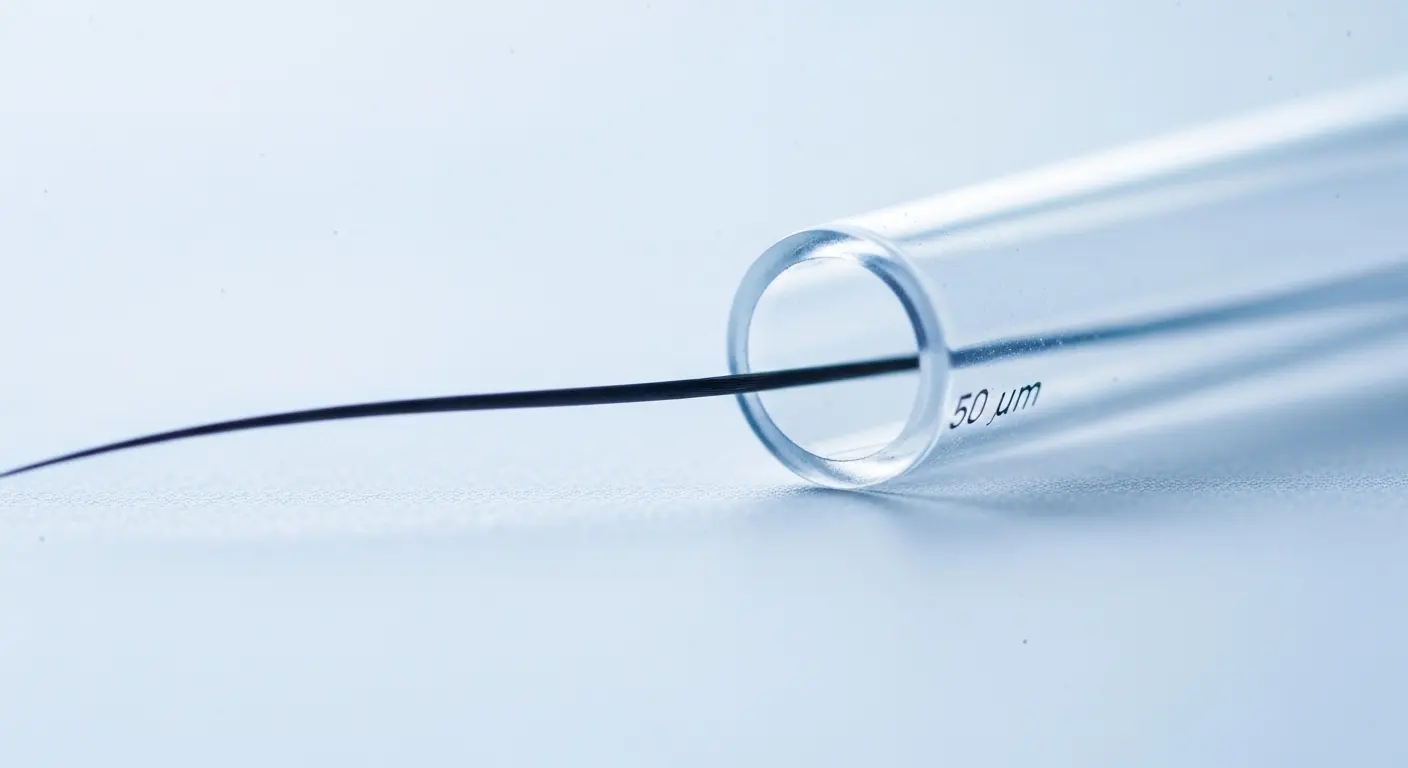
Thin wall tubing medical extrusion is a specialized manufacturing technique that forces molten polymer through a high-precision die to create tubes with extremely thin walls. This process relies on "draw-down" ratios and sophisticated air-pressure controls to keep the tube from collapsing. It allows engineers to maximize the internal working space of a device without increasing its overall size.
The science behind this involves a delicate balance of melt strength and cooling rates. As the plastic leaves the extruder, it is stretched and cooled simultaneously. If the wall is too thin, the tube loses its structural integrity. If it is too thick, it won't fit through the intended anatomy. Manufacturers often use this technology to create components for specialized devices like the Malecot catheter, where every millimeter of internal space is vital for effective drainage.
Key Metrics in Thin Wall Extrusion
| Metric | Typical Range | Clinical Importance |
| Wall Thickness | 0.001" - 0.006" | Determines device profile and internal volume. |
| Tolerance | +/- 0.0005" | Ensures compatibility with other medical components. |
| Concentricity | > 95% | Prevents weak spots that could lead to kinking or bursting. |
| Surface Finish | Ra < 0.2 µm | Reduces friction during insertion and fluid flow. |
Why is Thin Wall Technology Critical for Minimally Invasive Surgery?
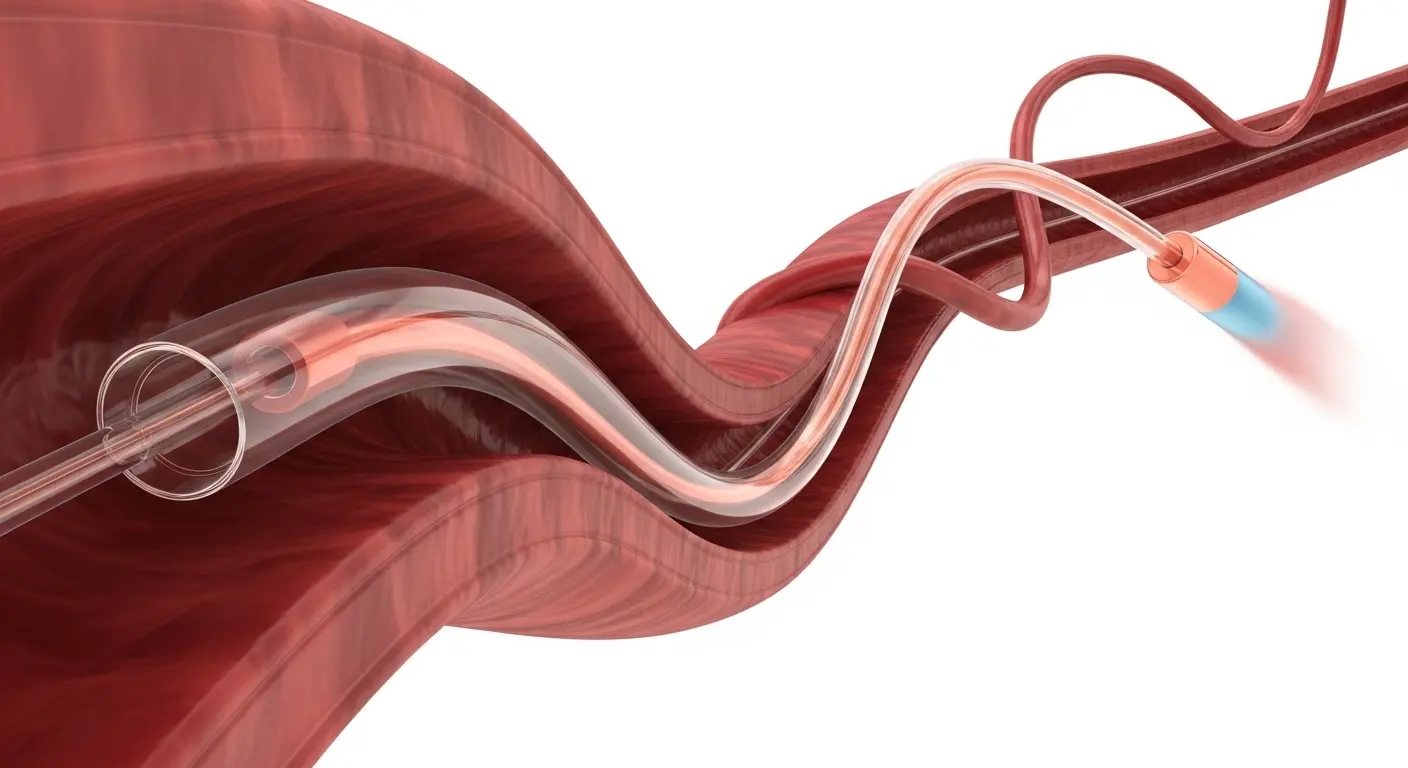
Thin wall technology is critical because it enables "low-profile" access, allowing surgeons to reach deep anatomical sites through smaller incisions. By reducing the wall thickness of a delivery sheath, more room is created for cameras, wires, or stents. This maximizes the device's functionality while minimizing trauma to the patient's vascular or urinary systems.
In modern medicine, efficiency is paramount. Procedures are often performed "PRN" or as needed in high-pressure emergency settings. Understanding what PRN means in medical terms highlights why tools must be ready for instant, reliable use. A thin-wall tube allows a doctor to use a medical hypodermic syringe to deliver contrast media faster through a larger internal lumen. This speed can be life-saving during cardiac or neurovascular interventions.
What Materials are Best Suited for Thin Wall Medical Tubing?
The best materials for thin wall medical tubing are high-performance polymers like PEBAX, Polyurethane (TPU), and various fluoropolymers like PTFE or FEP. These materials offer the high melt strength needed to hold their shape during the extrusion process. They also provide the necessary biocompatibility and flexibility required for long-range navigation inside the human body.
Expert Insight: PEBAX is often the "gold standard" for thin-wall catheters. Its unique chemistry allows it to be incredibly thin yet maintain enough "pushability" to reach the heart from the femoral artery. When we produce these tubes, we ensure the resin is perfectly dry. Even a trace of moisture can cause a "gel" or bubble that compromises the thin wall's integrity.
Material Performance Comparison
- Polyurethane (TPU): Excellent tensile strength and "softens" at body temperature for patient comfort.
- PEBAX: Offers the best balance of flexibility and torque response for steerable catheters.
- PTFE/FEP: Used as liners because they have the lowest friction coefficients, allowing other tools to slide through easily.
- Polyimide: The champion of ultra-thin walls ($< 0.001$), often used in neurovascular microcatheters.
What are the Main Manufacturing Challenges in Thin Wall Extrusion?
The main challenges in thin wall extrusion include maintaining concentricity, preventing "die swell," and ensuring a smooth surface finish. Because the walls are so thin, even a tiny vibration in the production line can cause the wall to vary in thickness. This "eccentricity" creates weak spots that are prone to kinking or rupturing under the high pressures used in some medical procedures.
To combat this, we use ultra-precise "crosshead" dies and laser micrometers. These tools measure the tube's dimensions thousands of times per second. Cleanliness is also a major factor. I have seen production runs halted because a single dust particle got caught in the die. Technicians often use a medical cotton swab to meticulously clean the tooling during changeovers. This ensures that no contaminants are embedded in the thin plastic walls.
How does Thin Wall Tubing Improve Patient Outcomes?
Thin wall tubing improves patient outcomes by reducing the size of the access site, which leads to faster healing and fewer complications. Smaller tubes mean less bleeding and a lower risk of infection. Furthermore, the larger internal diameters enabled by thin walls allow for the use of more advanced diagnostic sensors and larger therapeutic implants through the same small entry point.
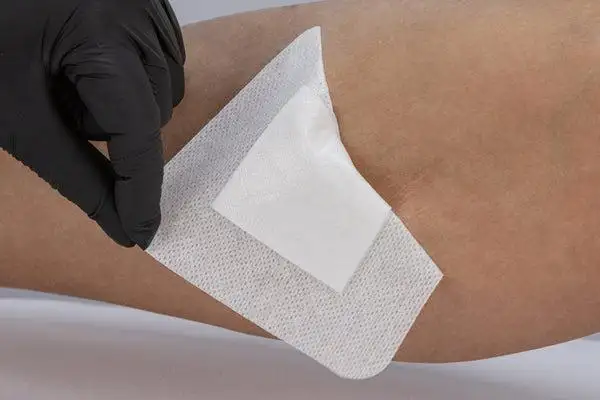
Once a procedure is finished, the care team uses various hospital dressing products to manage the puncture site. Because thin-wall devices allow for smaller entry holes, the patient often experiences significantly less post-operative pain. This "less is more" approach is the driving force behind the global shift toward minimally invasive medical techniques.
What Quality Standards Apply to Thin Wall Medical Extrusion?
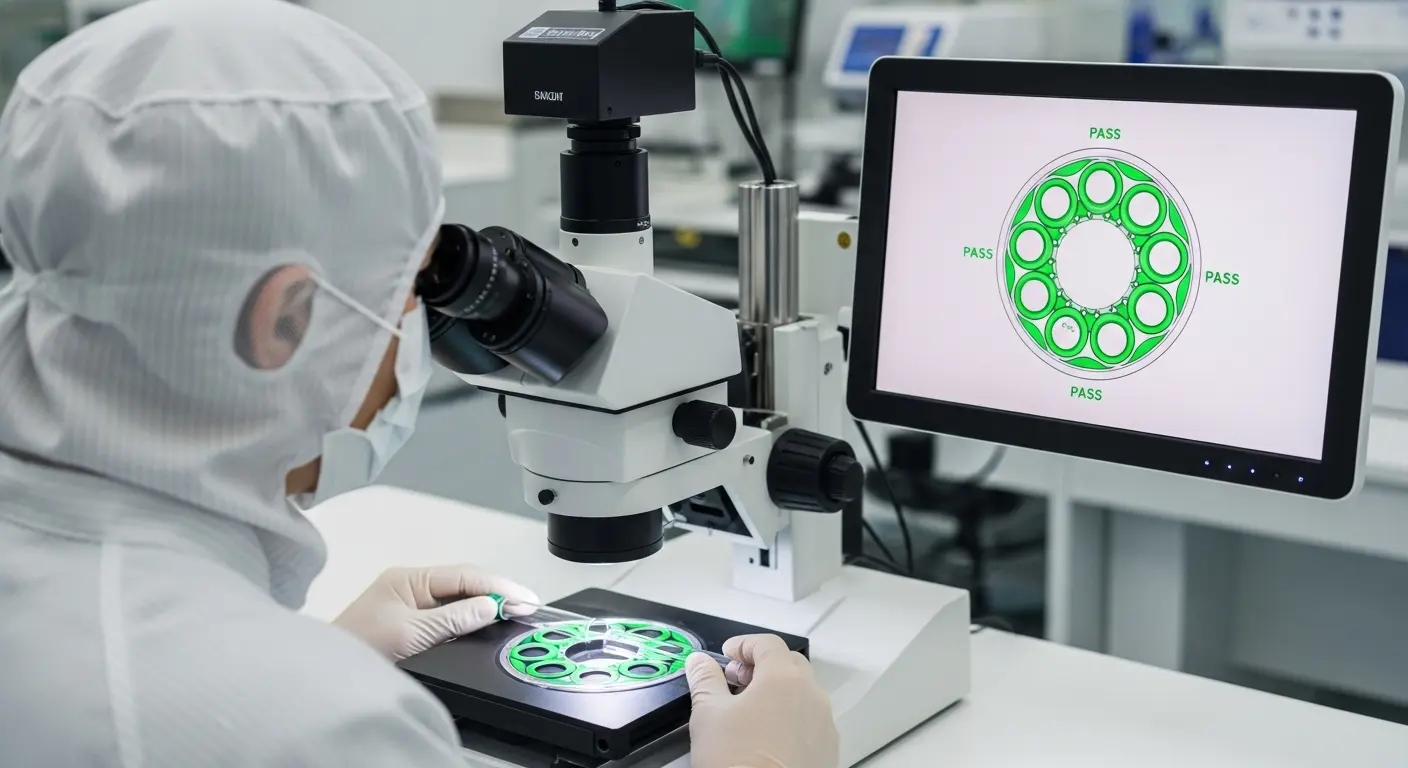
Thin wall medical extrusion must adhere to ISO 13485 (Quality Management Systems) and ISO 10993 (Biocompatibility). Every batch must undergo "burst pressure" testing to ensure the thin walls can handle the rigors of the clinical environment. Manufacturers must also provide total traceability, linking every foot of tubing back to the specific lot of raw resin used in its creation.
- Tensile Testing: Ensures the tube won't snap when pulled by a surgeon.
- Kink Resistance: Verification that the tube maintains flow even when bent at sharp angles.
- Dimensional Analysis: Constant monitoring of ID, OD, and wall thickness to sub-micron levels.
- Bioburden Testing: Ensuring the cleanroom environment remains sterile during production.
Tip: When sourcing thin-wall tubing, always ask for the "CpK" or process capability index. This number tells you how consistently the manufacturer can hit your exact specifications over a long production run.
How to Select the Right Partner for Thin Wall Extrusion?
Selecting the right partner requires auditing their cleanroom capabilities, their history of handling "difficult" polymers, and their commitment to R&D. You need a manufacturer who acts as an extension of your engineering team. They should be able to offer "custom compounding"—adding radiopaque fillers or colorants without compromising the strength of the thin wall.
A true partner will also help you optimize your design for "extrudability." For example, they might suggest a slightly different polymer grade that allows for a 10% thinner wall while maintaining the same burst pressure. This collaboration is what turns a good medical device into a market-leading one.
Submit Your Request
Recent Posts

Tags
- Adult Diapers
- Are custom medical devices safe
- Baby Diapers
- Can respiratory anesthesia be used
- Digital Healthcare
- Do you offer customized consumables
- European Market
- How do you take care of a skin wound
- Industry Trends
- Lady Sanitary Napkins
- Medical Devices
- OEM Medical Devices
- Product Introductions
- Protective Equipment
- Under Pads
- What are custom-made medical devices
- What are diagnostic products
- What are hospital dressing products
- What are medical tube catheters
- What are some common protective equipment
- What are the appropriate applications for hospital dressing products
- What are the appropriate uses for protective equipment
- What is a gynecological examination
- What is a medical consumable
- What is an anesthesia kit
- What is an OEM in medical devices
- what is an wound skin care
- what is can disposable ultrasonic diagnostic
- What is good manufacturing medical devices
- What is hospital-grade protective equipment
- what is medical equipments hospital furniture
- What is medical sterilization wrapping
- What is rehabilitation equipment device
- What medical consumables do you supply
- Where can I find laboratory consumables wholesale
- where can I find medical protection device
- where to buy hypodermic accessories
- where to buy medical apparel
- where to buy medical consumable accessories
- where to find OEM medical device supplier
- where to find rehabilitation equipment supplier
