



Hypocutaneous Syringe Eco-Designed: DEHP-Free, Latex-Free, and 100% Recyclable


A Cleaner Choice for Modern Healthcare
The world has a plastic problem. And healthcare is part of it. Every year, hospitals and clinics around the globe throw away about 15 million tons of plastic waste. A big part of that waste comes from single-use medical devices—especially syringes. In fact, people use 16 billion syringes every single year.
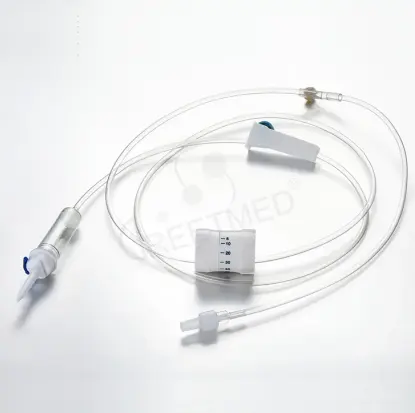
For a long time, most syringes were made from PVC plastic with a chemical called DEHP. After one use, these syringes were burned in incinerators. The leftover ash went into landfills. That approach is no longer acceptable. Regulators, hospital buyers, and environmentally aware healthcare workers all want something better.
That is why Greetmed created its Hypocutaneous Syringe —an eco-designed product that is safe for patients and kind to the planet.
What Does DEHP-Free Mean? And Why Should You Care?
DEHP is a softening agent used in PVC. It has been a staple in medical tubes and syringes. Studies however, have found that under certain conditions DEHP can permeate plastic, leach into the medical fluid, and damage the patients. This is especially dangerous for infants, women who are pregnant, and patients who are receiving treatment for long periods.
Here is some pertinent information:
•EU authorities discovered that concentration of DEHP in equipment used in the neonatal ICU exceeded the accident threshold
•PVC microplastics was implicated in a Johns Hopkins study in which long term patients showed increased inflammatory markers by 22%
•Regulations are developing quickly - the EU has proposed that it should be illegal to use DEHP in the vast majority of medical devices after July 2030
For managers of international bids, this is far from just a minor issue. It can decide whether you win or lose a contract. Greetmed’s Hypocutaneous Syringe is 100% DEHP-free. It meets all current and future regulations. You do not have to worry about compliance surprises.
Latex-Free: Protecting Patients and Staff
Some people are allergic to natural rubber latex. The numbers are significant:
•1% to 6% of the general population has a latex allergy
•Up to 17% of healthcare workers are affected
Reactions can be mild—like red, itchy skin. But they can also be severe, including breathing difficulty and life-threatening anaphylaxis. That is why laws and standards now require clear labeling and strict safety testing for latex-containing devices.
Greetmed’s Hypocutaneous Syringe contains zero latex. No natural rubber, no allergy risk. For clinics and hospitals, this means one less thing to worry about. For patients, it means safer care.
100% Recyclable: Turning Old Syringes Into New Resources
Greetmed’s Hypocutaneous Syringe is fully recyclable. Traditional PVC syringes have to be burned. Our syringe is made from different plastics—polyethylene (PE) and polypropylene (PP). These materials can be collected, melted down, and made into new products.
How does it work?
•The barrel and plunger are made from PP and PE – both widely recyclable
•The stainless steel needle can be recovered and reused
•Real-world programs are already succeeding – For example, a recycling group in Taiwan has successfully recycled over 27 types of medical plastics, reaching recovery rates up to 90% for some materials
Hospital pilot programs in the UK and the US have kept tons of plastic out of landfills
Switching from incineration to recycling means less carbon pollution, less demand for new plastic, and real progress toward a circular economy. This is not just a nice idea—it is becoming a requirement for hospital suppliers.
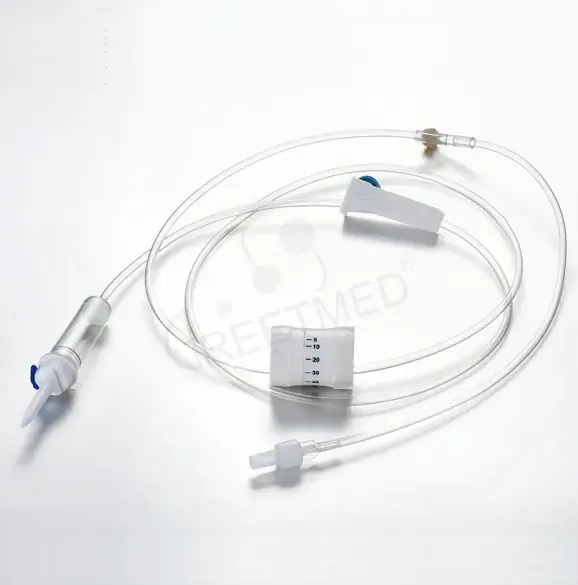
Green Procurement Is Now a Must-Have
The days when “eco-friendly” was just a marketing bonus are over. Today, green credentials are a must.
Please see below for changes:
•NHS Supply Chain (April 2026): Suppliers must complete a sustainability assessment to be eligible for tenders. This assessment requires emissions reporting and making a commitment to achieving net–zero.
•Major manufacturers are launching PVC-free product lines
•68% of top medical device companies now include PVC reduction in their corporate ESG targets
As one leading UK manufacturer put it: “By combining innovation, patient safety, and environmental responsibility, we are taking a crucial step towards a greener healthcare future.” Greetmed agrees—and we have already taken that step.
Greetmed Hypocutaneous Syringe: Eco-Friendly Without Cutting Corners
Greetmed’s eco-designed Hypocutaneous Syringe does everything a good syringe should do—accurate dosing, smooth operation, secure fit. But it also brings the environmental features that 2026 buyers are looking for.
Quick summary of benefits:
•No DEHP content – Meets EU, US, and worldwide regulations
•100% latex-free – No allergic reactions
•Completely recyclable – PE and PP composition, PVC-free
•Safe and certified – CE, ISO13485, and FDA certified
•Available OEM services – Label and packaging customization offered
•Clean production – Manufacturing processes are ISO 14001 certified
•Manufacturing with intent
Before purchasing, reconsider:
•Does this syringe fulfill today’s standard and outline of tomorrow’s regulatory framework?
•Does it protect patients from DEHP and latex risks?
•Does it help my organization reach its sustainability goals without harming clinical quality?
If you answer “no” to any of these, keep looking. If you answer “yes” to all three, you have found Greetmed.
Ready to Make the Switch?
The shift to eco-designed, recyclable hypodermic syringes is not coming in the future—it is happening right now. Reach out to Greetmed to get samples, design your own OEM, or to learn more about our compliance paperwork. We’re safety, performance, and responsible healthcare all packed in one syringe. Healthcare providers are switching to us.
FAQs
Q1: When you say the Hypocutaneous Syringe is DEHP-free what does that mean?
A: Syringe is manufactured with no DEHP plasticizers. In the absence of DEHP plasticizers, the chance that plasticizers may migrate and contaminate the pharmaceutical product is minimized. The Hypocutaneous Syringe represents the safest option for patients, particularly newborns, pregnant women, and patients in long-term care.
Q2: Will these syringes just be thrown into any hospital waste stream?
A: No, they are intended for medical waste recycling programs that offer the separation and processing of polypropylene (PP) and polyethylene (PE). Many hospitals have such agreements in place. Please contact your local waste management firm for their acceptance rules.
Q3: Will these new syringes cost more than traditional syringes?
A: Unlikely. Greetmed has such a high level of manufacturing sophistication that pricing for syringes will remain comparable. The cost of regulation compliance, reduced liability, and sustainability reporting will most likely be greater.
Q4: Are standard needles and luer locks compatible with your syringes?
A: Greetmed's Hypocutaneous Syringe has a universal luer lock and slip tip and is thus compatible with a variety of hypodermic needles and accessories.
Q5: Can Greetmed adjust the packaging and/or labeling to be more in line with the requirements of my local market?
A: Yes, Greetmed offers Hypocutaneous Syringe's OEM services and provides unique printing, blistering, and multi-language labeling to comply with the local market requirements.
Submit Your Request
Recent Posts
Tags
- Adult Diapers
- Are custom medical devices safe
- Baby Diapers
- Can respiratory anesthesia be used
- Digital Healthcare
- Do you offer customized consumables
- European Market
- How do you take care of a skin wound
- Industry Trends
- Lady Sanitary Napkins
- Medical Devices
- OEM Medical Devices
- Product Introductions
- Protective Equipment
- Under Pads
- What are custom-made medical devices
- What are diagnostic products
- What are hospital dressing products
- What are medical tube catheters
- What are some common protective equipment
- What are the appropriate applications for hospital dressing products
- What are the appropriate uses for protective equipment
- What is a gynecological examination
- What is a medical consumable
- What is an anesthesia kit
- What is an OEM in medical devices
- what is an wound skin care
- what is can disposable ultrasonic diagnostic
- What is good manufacturing medical devices
- What is hospital-grade protective equipment
- what is medical equipments hospital furniture
- What is medical sterilization wrapping
- What is rehabilitation equipment device
- What medical consumables do you supply
- Where can I find laboratory consumables wholesale
- where can I find medical protection device
- where to buy hypodermic accessories
- where to buy medical apparel
- where to buy medical consumable accessories
- where to find OEM medical device supplier
- where to find rehabilitation equipment supplier
