



ISO 13485 for Catheter Manufacturing: The Standard for Quality and Patient Safety


ISO 13485 for catheter manufacturing is the internationally recognized quality management system (QMS) standard that ensures medical devices meet rigorous safety and regulatory requirements. This standard governs every stage of the catheter lifecycle, from initial design and material selection to sterilization and post-market surveillance. For manufacturers, achieving this certification is not just a legal necessity; it is a commitment to precision that directly impacts clinical outcomes in operating rooms worldwide.
Navigating the complexities of medical device production requires more than just technical skill. It requires a culture of documentation and risk management. I have spent years observing how manufacturers transition from basic production to high-stakes medical fabrication. The difference is always found in the details of their QMS. Whether producing a high-pressure cardiovascular tool or a routine drainage device, the framework provided by ISO 13485 ensures that every catheter is identical in quality to the one before it.
What is ISO 13485 and Why is it Critical for Catheters?
ISO 13485 for catheter manufacturing is a quality management standard specifically designed for the medical device industry to ensure consistent design, development, and production. It focuses on risk management, sterile barrier integrity, and strict traceability. For catheters—which often enter the bloodstream or sterile body cavities—this standard is the primary safeguard against contamination, mechanical failure, and patient trauma.
Without a certified QMS, the risks are immense. A catheter that kinks or snaps inside a patient can lead to emergency surgical retrieval. ISO 13485 mandates that every step, including the use of a medical hypodermic syringe for balloon inflation tests, is documented and validated. This rigorous approach ensures that devices like the Malecot catheter perform their self-retaining functions safely every single time they are deployed.
Core Pillars of ISO 13485 Compliance
- Risk Management: Utilizing ISO 14971 to identify potential device failures before they reach a hospital.
- Traceability: The ability to track a finished catheter back to the specific batch of raw polymer and the shift it was extruded.
- Sterile Environment Control: Maintaining cleanrooms to minimize bioburden and particulate matter.
- Design Controls: Ensuring that the final device actually meets the intended clinical needs of the surgeon.
How Does ISO 13485 Improve Catheter Design and Development?
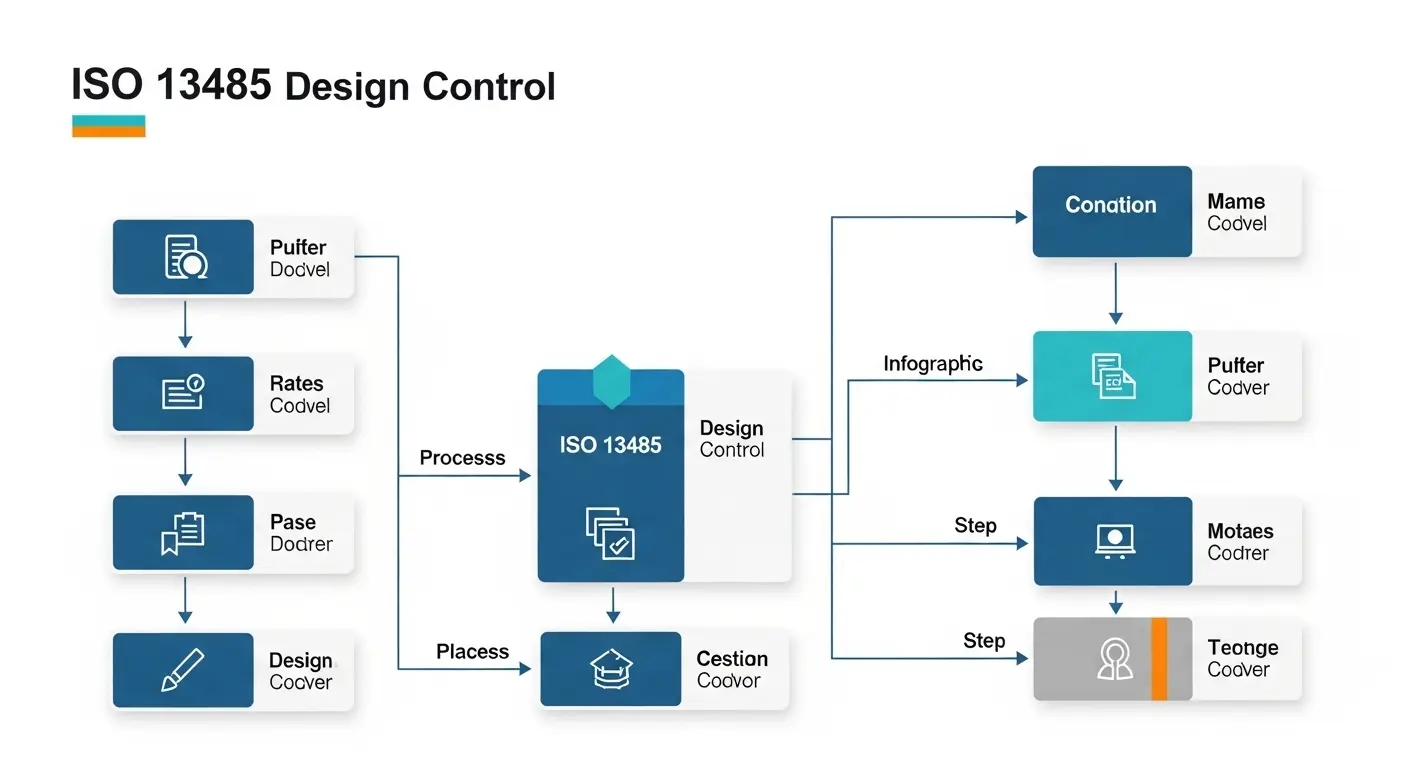
ISO 13485 improves catheter design by mandating a "Design Control" process that requires documented proof of verification and validation at every stage. This means engineers must prove that the catheter can withstand the pressures of the body while remaining biocompatible. It forces a disciplined approach where clinical feedback is integrated into the prototype phase, reducing the likelihood of expensive post-market recalls.
During development, manufacturers often use specialized tools to ensure precision. I’ve seen engineers use a medical cotton swab to apply tiny amounts of lubricant or adhesive during the assembly of multi-lumen tips. Under ISO 13485, even this small step must be part of a validated process. This ensures that no foreign fibers or contaminants are introduced into the internal channels of the device during the delicate assembly phase.
What are the Documentation Requirements for ISO 13485?
Documentation requirements for ISO 13485 include a Quality Manual, Medical Device File (MDF), and a Device History Record (DHR) for every production lot. These documents provide objective evidence that the manufacturing process was followed exactly as planned. This "paper trail" is essential for regulatory audits by bodies like the FDA or European Notified Bodies, ensuring that every safety check was performed.
| Document Type | Purpose | Critical Data Included |
| Medical Device File (MDF) | Technical specifications of the catheter. | Drawings, material specs, sterilization parameters. |
| Device History Record (DHR) | Proof of manufacture for a specific batch. | Operator IDs, machine settings, test results. |
| CAPA Records | Corrective and Preventive Actions. | Analysis of why a defect occurred and how it was fixed. |
| Training Records | Verification of staff competency. | Proof that the assembler is certified for sterile packing. |
How Does the Standard Handle Risk Management in Manufacturing?
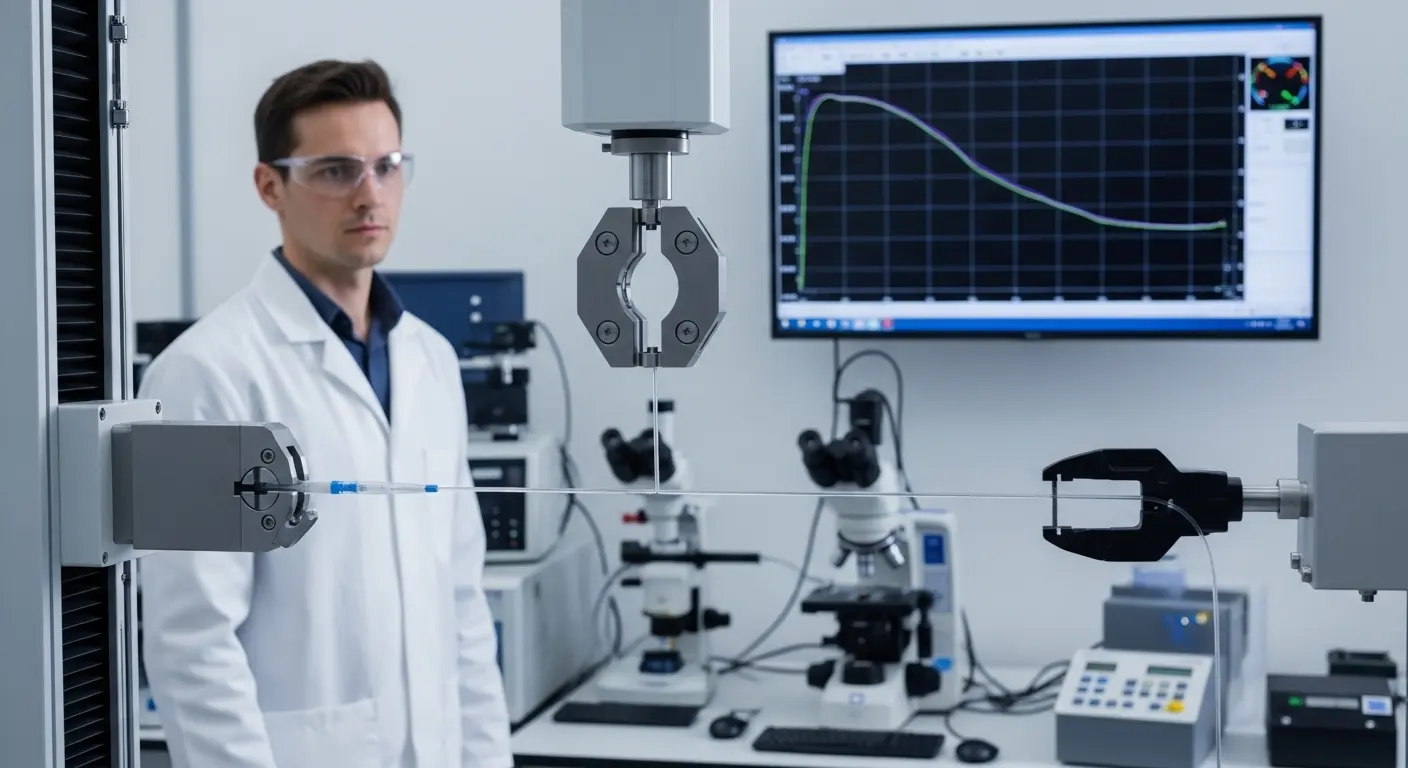
The standard handles risk management by requiring manufacturers to apply ISO 14971 principles throughout the product lifecycle. This involves identifying hazards—such as a catheter tip being too sharp—and implementing controls to reduce the risk to an acceptable level. Risk management is not a one-time event; it is a continuous loop that incorporates data from manufacturing defects and customer complaints.
In clinical settings, staff often perform tasks "PRN" or as needed during emergencies. Understanding what PRN means in medical terms highlights why manufacturing risk management is so vital. When a nurse grabs a catheter in a high-stress situation, they are relying on the manufacturer's risk controls to ensure the device won't fail during a critical "PRN" intervention.
Common Risks Identified in Catheter Production
- Biocompatibility Issues: Reactions between the patient's tissue and the polymer.
- Kinking: The tube collapsing and blocking fluid flow or wire passage.
- Particulate Contamination: Microscopic debris from the factory floor entering the bloodstream.
- Coating Delamination: Lubricious coatings peeling off inside the vascular system.
What Role Does Sterilization Play in ISO 13485 Compliance?
Sterilization plays a critical role because ISO 13485 requires validated processes to ensure that every catheter is truly sterile when it reaches the patient. The standard governs the "sterile barrier system"—the packaging that keeps the device clean. Manufacturers must prove through "shelf-life testing" that the packaging will maintain its integrity over time, even during shipping and storage.
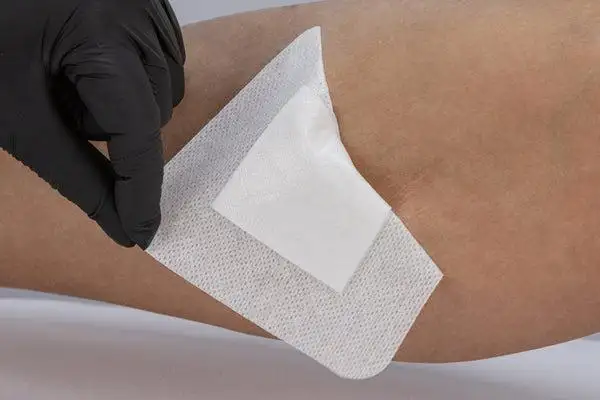
Once a sterile catheter is opened, clinicians use various hospital dressing products to manage the insertion site and prevent secondary infections. The manufacturer’s job, under ISO 13485, is to ensure the device arrives in a state that doesn't introduce bacteria to the patient in the first place. This requires rigorous bioburden monitoring of the cleanroom environment where the catheters are packaged.
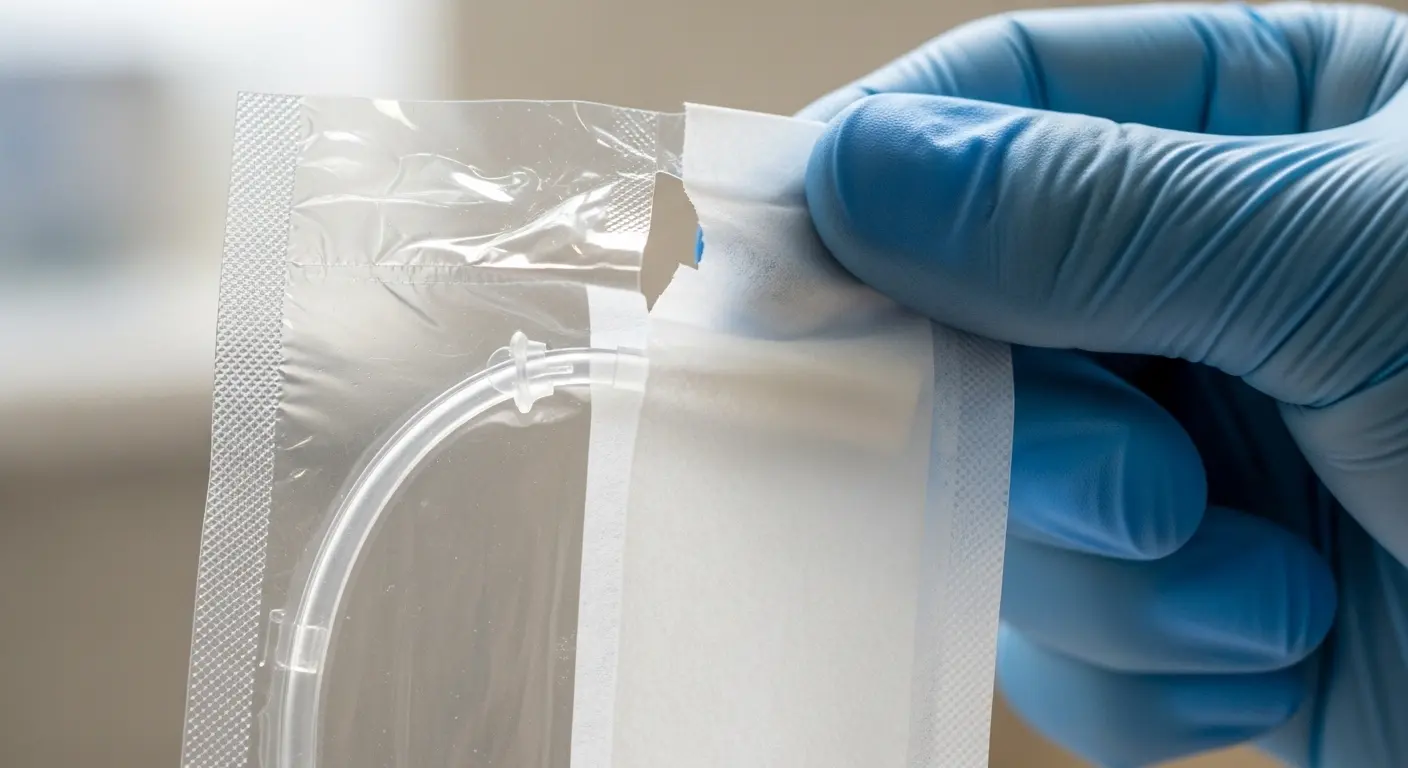
Expert Insight: Validation isn't just about the final sterilization. It’s about the "worst-case scenario." We test the sterilization process by "over-loading" the chamber to ensure that even the most densely packed pallet of catheters receives the correct dose of Gamma radiation or Ethylene Oxide gas.
How Do Corrective and Preventive Actions (CAPA) Work?
Corrective and Preventive Actions (CAPA) are the "self-healing" mechanism of an ISO 13485 system. When a defect is found—either on the factory floor or in a hospital—the CAPA process requires the manufacturer to find the root cause. It is not enough to just fix the broken part; the system must be changed to ensure the error never happens again.
Tip: A healthy CAPA system is a sign of a high-quality manufacturer. If a company has zero CAPAs, it often means they aren't looking hard enough for improvements. Real-world manufacturing always has room for optimization.
Why is Supplier Management Crucial for Catheter Makers?
Supplier management is crucial because a catheter is only as good as the raw materials it is made from. ISO 13485 requires manufacturers to strictly vet their suppliers, from the resin producers to the providers of sterile packaging. If a supplier changes their chemical formula without notification, it could compromise the biocompatibility of the final catheter.
We perform regular audits of our suppliers to ensure their "cleanliness" matches our own. This includes checking their certificates of analysis (COA) for every shipment of plastic pellets. This level of oversight ensures that the high standards of the catheter manufacturer are maintained throughout the entire supply chain.
What are the Benefits of ISO 13485 Certification for Hospitals?
The benefits for hospitals include reduced liability, improved patient safety, and consistent device performance. When a hospital buys an ISO 13485-certified catheter, they know they are purchasing a product that has undergone thousands of hours of testing and oversight. This allows medical teams to focus on patient care rather than worrying about equipment failure.
Summary of Hospital-Level Benefits
- Predictability: The device behaves the same way every time it is used.
- Safety: Dramatically lower rates of infection and mechanical trauma.
- Regulatory Peace of Mind: Ensuring compliance with national healthcare standards.
- Reliable Documentation: If a problem does occur, the manufacturer can provide immediate data for a clinical investigation.
Submit Your Request
Recent Posts
Tags
- Adult Diapers
- Are custom medical devices safe
- Baby Diapers
- Can respiratory anesthesia be used
- Digital Healthcare
- Do you offer customized consumables
- European Market
- How do you take care of a skin wound
- Industry Trends
- Lady Sanitary Napkins
- Medical Devices
- OEM Medical Devices
- Product Introductions
- Protective Equipment
- Under Pads
- What are custom-made medical devices
- What are diagnostic products
- What are hospital dressing products
- What are medical tube catheters
- What are some common protective equipment
- What are the appropriate applications for hospital dressing products
- What are the appropriate uses for protective equipment
- What is a gynecological examination
- What is a medical consumable
- What is an anesthesia kit
- What is an OEM in medical devices
- what is an wound skin care
- what is can disposable ultrasonic diagnostic
- What is good manufacturing medical devices
- What is hospital-grade protective equipment
- what is medical equipments hospital furniture
- What is medical sterilization wrapping
- What is rehabilitation equipment device
- What medical consumables do you supply
- Where can I find laboratory consumables wholesale
- where can I find medical protection device
- where to buy hypodermic accessories
- where to buy medical apparel
- where to buy medical consumable accessories
- where to find OEM medical device supplier
- where to find rehabilitation equipment supplier
