



Hemodialysis Catheter Set: Sizes, Flow, and Use


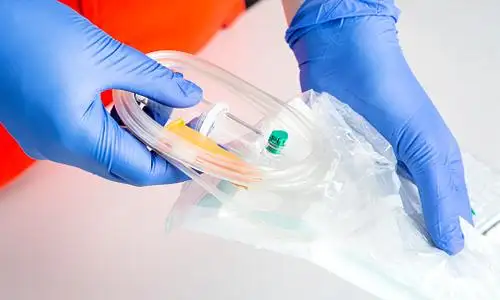
Hemodialysis Catheter Set selection matters because size, flow behavior, material response, and procedural support all affect how confidently a clinical team can establish short-term vascular access. At Greetmed, we see this product not as a basic kit item, but as a practical access solution that should help buyers balance clinical performance, handling efficiency, and procurement clarity.
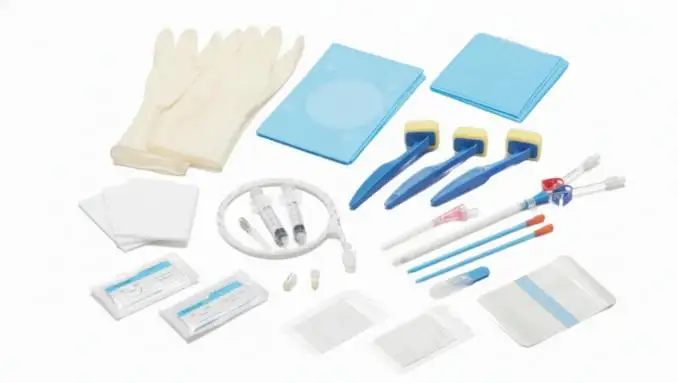
For many clients, the first question is simple: what should they really evaluate when choosing a hemodialysis catheter set? The answer usually starts with three points—appropriate size, stable flow support, and suitability for intended short-term use.
Why Hemodialysis Catheter Set Choice Matters
According to the National Kidney Foundation, hemodialysis catheters are commonly used when immediate dialysis access is needed, and some non-cuffed options are intended for short periods only. That makes product design and kit completeness especially important in fast-moving care settings.
A hemodialysis catheter is often selected when time matters. In emergency dialysis, temporary access planning, or bridge access before a longer-term solution is ready, buyers need a product that supports efficient placement and dependable use. The product should not only reach the target vessel. It should also support smooth insertion steps, practical flow conditions, and organized bedside preparation.
At Greetmed, we position the Hemodialysis Catheter Set as a short-term access option built around those real purchasing concerns. The GT212-01 kit uses medical polyurethane, a material chosen for elasticity and biocompatibility. The catheter is also designed to soften under body temperature. For clients, this means the product is intended to combine placement support with more adaptive in-body behavior after insertion. That balance can be useful when clinicians want a catheter that begins with enough handling structure, yet is designed to become less rigid in use.
Another important point is risk awareness. CDC guidance for dialysis settings continues to emphasize infection prevention, exit-site care, and careful catheter connection and disconnection technique because bloodstream infection risk remains a serious concern in catheter-based access.
Hemodialysis Catheter Set Sizes and What They Mean
Size selection is not just a catalog detail. It affects insertion planning, access suitability, and user confidence during procurement. Greetmed offers several specifications in the GT212-01 range, including:
• 2-8.5Fr × 13 cm
• 2-8.5Fr × 15 cm
• 2-11.5Fr × 15 cm
• 2-11.5Fr × 20 cm
These options give buyers useful flexibility. A shorter catheter may fit one access plan better, while a longer option may suit another anatomical or procedural requirement. A larger French size may also be considered when flow expectations and clinical preference require a different balance.
For distributors and hospital procurement teams, this matters in practical terms:
• It helps match product selection to different patient and procedure needs
• It reduces the chance of ordering one-size-fits-all inventory that does not fit real use
• It supports clearer discussions between purchasing teams and end users
• It makes product positioning easier in markets that expect more than a single standard option
A good Hemodialysis Catheter Set line should therefore offer enough size coverage to support real-world decision-making, not only basic specification compliance.
How Flow Design Supports Clinical Use
Flow performance is one of the most important buying concerns in dialysis access products. If flow resistance is too high, the catheter may become harder to use effectively in routine treatment. Greetmed's product information states that the catheter uses a optimized side hole design intended to provide good rigidity with lower fluid flow resistance. That is a useful design message because buyers are often looking for products that support both insertion control and circulation efficiency.
From the client's point of view, the benefit is practical rather than theoretical:
• Lower flow resistance may help support more efficient dialysis access conditions
• Good rigidity can assist clinicians during placement and handling
• Better structural balance can improve confidence in short-term use
• A more considered lumen design may support smoother workflow at the bedside
This is also why buyers should avoid evaluating a Hemodialysis Catheter Set by dimensions alone. Size tells only part of the story. Internal flow path design, material behavior, and connection handling often have just as much effect on product value.
What Is Included in the Kit and Why It Helps
A catheter kit should do more than include the catheter itself. In many settings, procedural efficiency depends on whether the package supports a more organized insertion process. The GT212-01 kit includes selected supporting components such as a guide wire, dilator, Y-type needle, syringes, heparin cap, dressing pad, drapes, gauze, gloves, and suture needle with thread.
This kit structure creates several benefits for buyers and users:
• It supports procedural readiness with a more complete set format
• It can simplify sourcing by reducing the number of separately purchased items
• It may help standardize setup steps across teams
• It gives distributors a stronger value proposition than a catheter-only offer
For clients, complete kit design is often linked to cost control as well. A well-configured set can reduce preparation gaps, support more consistent use, and make inventory planning easier. In day-to-day purchasing evaluation, convenience is not a small detail. It can enhance workflow, improve training uniformity, and increase overall product acceptance.
Hemodialysis Catheter Set Use: Short-Term Means Careful Management
Greetmed identifies this catheter for short-term indwelling use, recommended for short-term indwelling use (non-cuffed, less than 30 days). That point should be clearly understood by buyers. Product suitability depends not only on what the catheter can do, but also on how long it is intended to remain in place. This helps clients align product choice with intended treatment duration and access strategy.
Industry guidance reinforces the importance of disciplined catheter care. CDC recommends careful hub disinfection, hand hygiene, and exit-site protocols in dialysis settings, and also notes that hemodialysis catheter exit-site ointment may be used in line with catheter material compatibility and facility protocol. CDC guidance also advises avoiding the subclavian site in hemodialysis patients because of the risk of subclavian vein stenosis.
That broader context helps buyers think beyond the product sheet. A Hemodialysis Catheter Set should fit into a safer access process that includes:
• Correct patient selection
• Appropriate insertion planning
• Strict aseptic technique
• Reliable connection and disconnection practice
• Ongoing site observation and dressing management
In other words, the best product choice is not only about what enters the vessel. It is also about how the full access pathway is supported before, during, and after placement.
How Greetmed Helps Clients Choose More Effectively
At Greetmed, we believe a Hemodialysis Catheter Set should be evaluated through the lens of buyer usefulness. Material elasticity, biocompatibility, flow-oriented cavity design, and multiple size options are not just technical selling points. They are practical decision factors for clients who need a short-term dialysis access product that is easier to specify, easier to position, and easier to integrate into clinical use.
For distributors, this means a product line with clearer commercial value. For hospital buyers, it means a kit that connects product specification with procedure needs. For clinical teams, it means a catheter set designed to support organized access preparation and short-term application.
If your team is reviewing short-term dialysis access products, contact Greetmed to discuss the GT212-01 Hemodialysis Catheter Set and identify the most suitable size and kit configuration for your market or facility. A better purchasing decision starts with a clearer understanding of sizes, flow, and use—and that is exactly where the right product should deliver value.
Submit Your Request
Recent Posts

Tags
- Adult Diapers
- Are custom medical devices safe
- Baby Diapers
- Can respiratory anesthesia be used
- Digital Healthcare
- Do you offer customized consumables
- European Market
- How do you take care of a skin wound
- Industry Trends
- Lady Sanitary Napkins
- Medical Devices
- OEM Medical Devices
- Product Introductions
- Protective Equipment
- Under Pads
- What are custom-made medical devices
- What are diagnostic products
- What are hospital dressing products
- What are medical tube catheters
- What are some common protective equipment
- What are the appropriate applications for hospital dressing products
- What are the appropriate uses for protective equipment
- What is a gynecological examination
- What is a medical consumable
- What is an anesthesia kit
- What is an OEM in medical devices
- what is an wound skin care
- what is can disposable ultrasonic diagnostic
- What is good manufacturing medical devices
- What is hospital-grade protective equipment
- what is medical equipments hospital furniture
- What is medical sterilization wrapping
- What is rehabilitation equipment device
- What medical consumables do you supply
- Where can I find laboratory consumables wholesale
- where can I find medical protection device
- where to buy hypodermic accessories
- where to buy medical apparel
- where to buy medical consumable accessories
- where to find OEM medical device supplier
- where to find rehabilitation equipment supplier
