



Disposable High-Pressure Syringe Sets: How To Standardize CT Injection Setup In 2026


Disposable High-Pressure Syringe sets are not "just a syringe in a bag." They are a complete, single-use fluid pathway built to keep CT contrast injection consistent, fast to set up, and easier to control across busy daily shifts. From Greetmed’s manufacturing perspective, the real value sits in the small engineering decisions: which tubing is included, how the spikes interface, and how reliably each kit matches common injector platforms so staff do not have to improvise under time pressure.
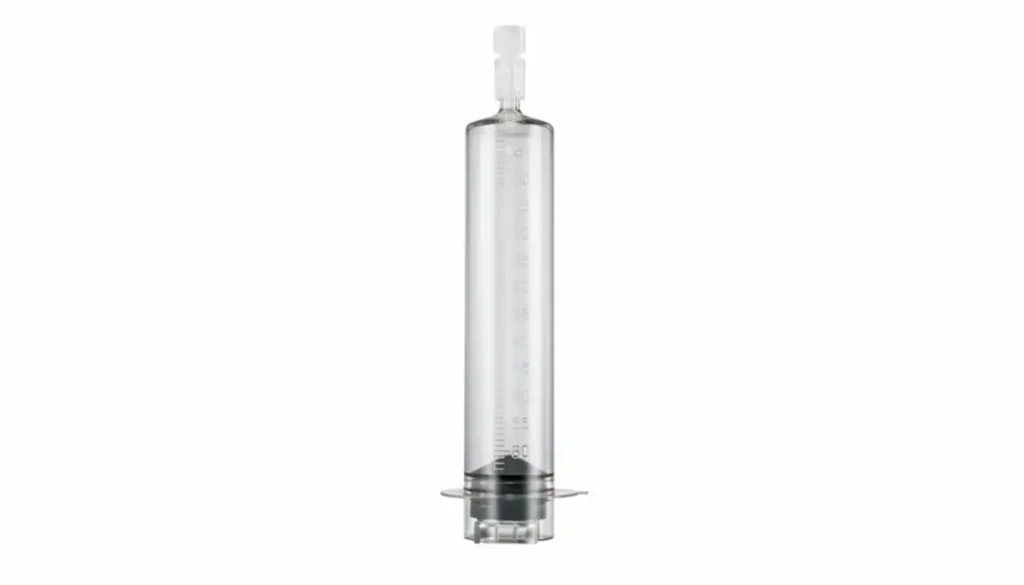
In many CT rooms, performance problems rarely come from the injector itself. They come from variation—slightly different tubing routes, missing accessories, extra adapters added "just this once," or mixed consumables from multiple brands. A well-designed Disposable High-Pressure Syringe set reduces that variation by delivering the same pathway logic every time: container to syringe, syringe to patient line, and—when required—split or dual pathways without extra pieces being hunted down mid-setup.
Why a "Set" Matters in CT Injection Workflows
In real CT contrast delivery, a Disposable High-Pressure Syringe is only one component of what the injector uses. The injector needs a stable, safe, predictable route for the media to travel. When a kit is incomplete, teams compensate in two common ways: they delay the exam while searching for missing parts, or they assemble a pathway using parts that were never designed to work together. Both outcomes increase daily friction.
A complete Disposable High-Pressure Syringe set helps in three practical areas:
✓ Setup consistency across shifts: different staff members can follow the same steps without re-interpreting the pathway each time.
✓ Operational rhythm: fewer "small stops" during preparation reduces room turnover delays, especially on high-volume scanning days.
✓ Procurement clarity: the included components are defined and repeatable, so purchasing teams can control what is being used instead of managing local substitutions.
From a manufacturing standpoint, we treat the "set" as the product. The syringe, tubing, and spikes are not independent items placed together for convenience. They are designed as one pathway, because CT injection outcomes depend on the pathway being stable, not merely present.
Core Components: Syringes, Tubing, and Spikes
A practical Disposable High-Pressure Syringe set usually has three functional groups: syringe(s), connection tubing, and transfer spikes. Each group solves a different job in the fluid route.
Syringes: Volume and Configuration Drive the Fit
Syringe volume should match injector type and protocol, not a generic "one size fits all" approach. Common sizes in real sourcing lists include 60 ml, 100 ml, 190 ml, and 200 ml. Some platforms require two syringe positions, so buyers often see dual combinations such as 115 ml/65 ml or 65 ml/65 ml. These are not "premium upgrades." They are compatibility choices that prevent awkward workflow workarounds later.
A good sourcing question is: Is the syringe configuration aligned with how the injector is used in your department—single shot, dual shot, or specific protocol patterns? If the answer is unclear, the kit will likely create unnecessary steps.
Tubing: The Route That Shapes Daily Handling
Tubing length and tubing type determine how the pathway behaves in the actual room. In many kits, 150 cm CT connect tubing appears as a practical injector-to-CT connection length because it balances reach with manageability. In some dual setups, 255 cm Y-type connect tubing is included to support pathway splitting needs without extra adapters.
This is where "paper compatibility" can mislead buyers. A kit can technically connect, yet still create clutter, pulling tension, or awkward routing that slows down staff and increases handling time.
Spikes: The Transfer Interface That Protects Routine Preparation
Spikes are often underestimated because they look simple. In practice, they influence how predictable preparation becomes. Some sets include 2 pcs spike, supporting faster preparation when multiple containers or steps are involved. When spikes are missing or inconsistent, teams may substitute and introduce avoidable variation.
A buyer-friendly way to summarize this section: the best Disposable High-Pressure Syringe set matches how your injector is used in the real room, not how the system is described in a catalog.
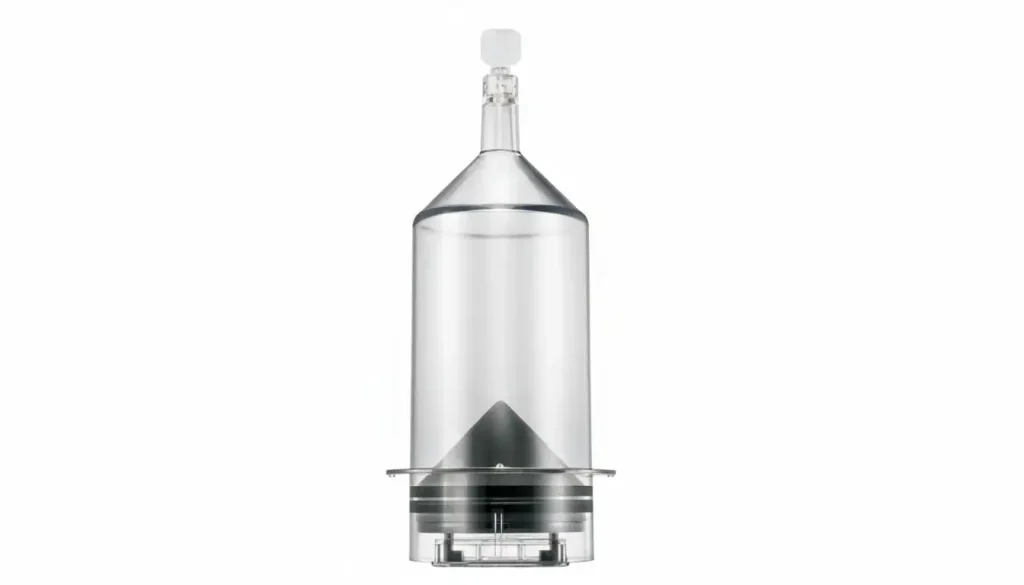
Understanding Tubing Options: CT Connect, Y-Type, and Quick Fill
When customers compare Disposable High-Pressure Syringe kits, tubing is usually where confusion starts. "Tubing" is not one part. It is a design decision that changes steps, touch points, and speed.
• CT Connect Tubing: Standard Lengths Reduce Variation
A common choice is 150 cm CT connect tubing, used because it fits many CT room layouts without being either restrictive or overly long. Too short can force strained routing. Too long can create clutter, tangles, and extra handling.
Standardizing length is not cosmetic. It reduces day-to-day variation, which is one of the fastest ways to stabilize workflow.
• Y-Type Connect Tubing: When a Split Pathway Is Part of the Protocol
Some systems or routines require a split pathway, and kits may include 255 cm Y-type connect tubing to support that connection method cleanly. The point is not the letter "Y." The point is that the pathway becomes standardized instead of being built from multiple adapters and extra joints.
• Quick Fill Tubing: Fewer Steps, Less Room for Inconsistency
Kits that list J quick fill tubing are typically aiming to reduce preparation steps. In CT rooms with tight schedules, reducing steps is not a small improvement. It can affect throughput and staff workload across an entire day.
✓ Practical evaluation tip: map the setup steps on paper. Count how many parts are touched before the injector is ready. If one kit consistently removes steps, it often pays back in daily stability—even when unit price differences look small.
Example Kit Structures and What They Teach Buyers
Instead of memorizing part codes, focus on what each structure reveals about the intended workflow.
✓ Dual-Syringe (115/65): 115 ml + 65 ml with J quick fill tubing usually means a dual-position injector kit—built for two-volume protocols, not generic bundling.
✓ Single-Syringe (60): A 60 ml kit is right-sized for lower-volume routines and keeps setup simpler.
✓ High-Volume (200): 200 ml kits cover high-volume protocols—either single 200 ml or 200/200 for dual systems. The key teaching point is alignment: if volume and injector type are mismatched, the "correct" kit becomes inconvenient in daily use.
✓ Connectivity Example (Y-Type + Spikes): when a kit lists 255 cm Y-type tubing and 2 pcs spike, it signals a complete pathway mindset. For procurement, this matters because the "hidden consumables" are already included, reducing last-minute substitutions.
Compatibility Thinking: Match the Set to the Injector Platform
A Disposable High-Pressure Syringe set is only practical if it fits the injector platform used in your department. Many kits are mapped to common systems such as MEDRAD SOLARIS & SPECTRIS, MEDRAD STELLANT (single shot and dual shot), MEDRAD VISTRON CT, MEDRAD ENVISION CT, MEDRAD MARK V, MCT PIUS CT, and IMAXEON Salient.
Compatibility is more than "does it connect." In real procurement, it also includes:
✓ Workflow match: single-shot vs dual-shot formats (for example, STELLANT single vs dual)
✓ Connection architecture: whether tubing type matches how the injector routes and locks connections
✓ Preparation routine match: whether accessories (including spikes) match the way staff prepares media and primes the pathway
From Greetmed’s manufacturing perspective, the goal is to keep compatibility logic simple. You should be able to select the right Disposable High-Pressure Syringe kit by injector model and workflow type—without guessing what secondary parts might be missing.
Practical Procurement Checklist and Call-to-Action
If you are sourcing Disposable High-Pressure Syringe kits for CT injection, the fastest route to a stable decision is to standardize selection criteria around daily use, not only unit price. Price matters, but variation costs more than most teams expect—through delays, extra handling steps, and inconsistent setup outcomes.
A practical checklist used by many buyers:
✓Confirm injector platform and workflow type (single vs dual)
✓Confirm required syringe volume (60 ml, 100 ml, 190 ml, 200 ml; or dual combinations like 115 ml/65 ml)
✓Confirm tubing needs (for example, 150 cm CT connect tubing, and whether 255 cm Y-type tubing is required)
✓Confirm accessory needs (whether spikes are required and how many)
✓Confirm the set is complete as delivered, so staff do not need to source extra parts
CTA (Call-to-Action)
If you are evaluating a Disposable High-Pressure Syringe set for MEDRAD, MCT, or IMAXEON injector systems, contact Greetmed with your injector model, single/dual workflow, preferred syringe volume, and tubing preference (such as 150 cm CT connect tubing or 255 cm Y-type connect tubing). We will recommend a practical kit configuration, clarify what is included (syringes, quick fill tubing, spikes), and support a stable supply pathway for routine clinical use.
Submit Your Request
Recent Posts

Tags
- Adult Diapers
- Are custom medical devices safe
- Baby Diapers
- Can respiratory anesthesia be used
- Digital Healthcare
- Do you offer customized consumables
- European Market
- How do you take care of a skin wound
- Industry Trends
- Lady Sanitary Napkins
- Medical Devices
- OEM Medical Devices
- Product Introductions
- Protective Equipment
- Under Pads
- What are custom-made medical devices
- What are diagnostic products
- What are hospital dressing products
- What are medical tube catheters
- What are some common protective equipment
- What are the appropriate applications for hospital dressing products
- What are the appropriate uses for protective equipment
- What is a gynecological examination
- What is a medical consumable
- What is an anesthesia kit
- What is an OEM in medical devices
- what is an wound skin care
- what is can disposable ultrasonic diagnostic
- What is good manufacturing medical devices
- What is hospital-grade protective equipment
- what is medical equipments hospital furniture
- What is medical sterilization wrapping
- What is rehabilitation equipment device
- What medical consumables do you supply
- Where can I find laboratory consumables wholesale
- where can I find medical protection device
- where to buy hypodermic accessories
- where to buy medical apparel
- where to buy medical consumable accessories
- where to find OEM medical device supplier
- where to find rehabilitation equipment supplier
