



Clinical Consumables Supplier OEM and ODM Development


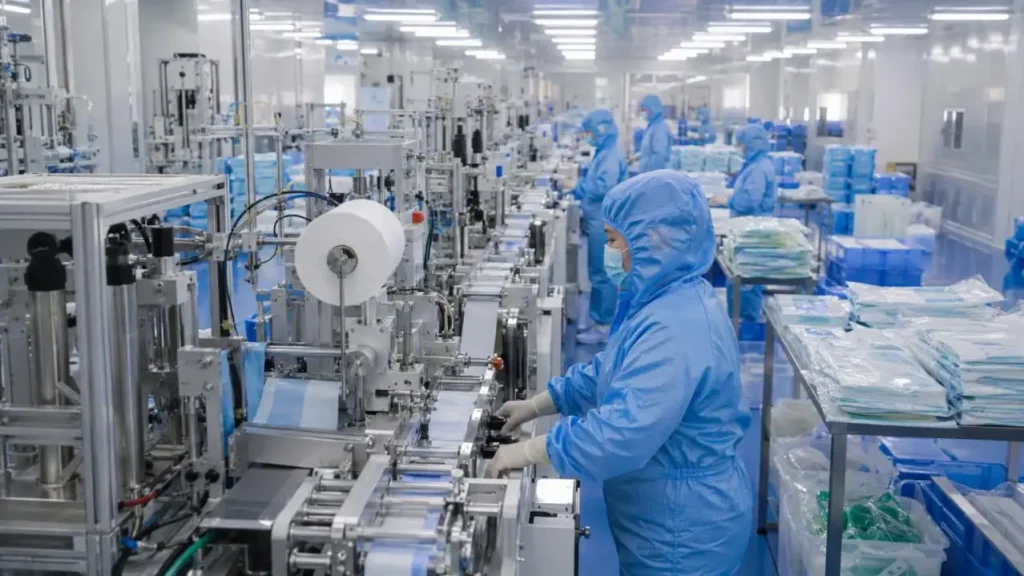
A Clinical Consumables Supplier manages OEM and ODM development through requirement analysis, material selection, product design, prototyping, risk evaluation, process validation, quality testing, regulatory documentation, pilot production, and controlled mass production. Successful development depends on clear specifications, medical-grade materials, traceability, validated processes, and consistent communication between the supplier and customer.
Why OEM and ODM Development Matters
Clinical consumables may contact patients, medication, respiratory gases, bodily fluids, or biological samples. Their development therefore cannot follow the same approach as ordinary industrial products.
Clinical consumables OEM and ODM development is a controlled process that converts a clinical requirement into a manufacturable, testable, and consistently produced medical product. Product decisions can affect not only clinical performance but also packaging integrity, sterilization compatibility, storage stability, labeling, transportation, and production efficiency.
A capable Clinical Consumables Supplier should support the project from initial product definition through pilot production and commercial delivery.
OEM vs. ODM vs. Private Label Clinical Consumables
| Development Model | Definition | Customer Responsibility | Supplier Responsibility |
| OEM | Manufacturing according to an existing design | Design, branding, market requirements | Process development, production, inspection |
| ODM | Supplier participates in product development | Intended use, target market, commercial goals | Design, materials, samples, validation, production |
| Private Label | Branding an existing product | Brand, packaging, purchasing requirements | Standard product, labeling, packing, supply |
OEM is not simply logo printing. Even when a customer supplies the design, the clinical consumables OEM supplier must translate it into stable tooling, assembly procedures, inspection methods, and production controls.
ODM generally requires more engineering support because the clinical consumables ODM manufacturer is involved in material choice, structural design, prototyping, and testing. Private label projects can be more expedient, but tend to offer less structural design flexibility.
Step 1: Determine Clinical and Commercial Specifications
Unambiguous design inputs minimize repeated prototyping, adjustments to specifications, and delays in the manufacturing process.
Prior to the commencement of development, the Clinical Consumables Supplier, along with the client, must be in agreement regarding the:
•Intended use and the clinical setting
•Type of contact (with patient, fluid, gas or sample)
•Single use or multiple use designation
•Sterile or non-sterile supply
•Expected use time
•Target market and the associated documentation
•Specifications with regard to dimensions, connections and performance
•Desired format of packaging and the languages to be used on the labels
•Forecasted order quantity with stated expectations of lead time
The above inputs provide a basis for the bespoke development of medical consumables.
Step 2: Choose Appropriate Medical Materials
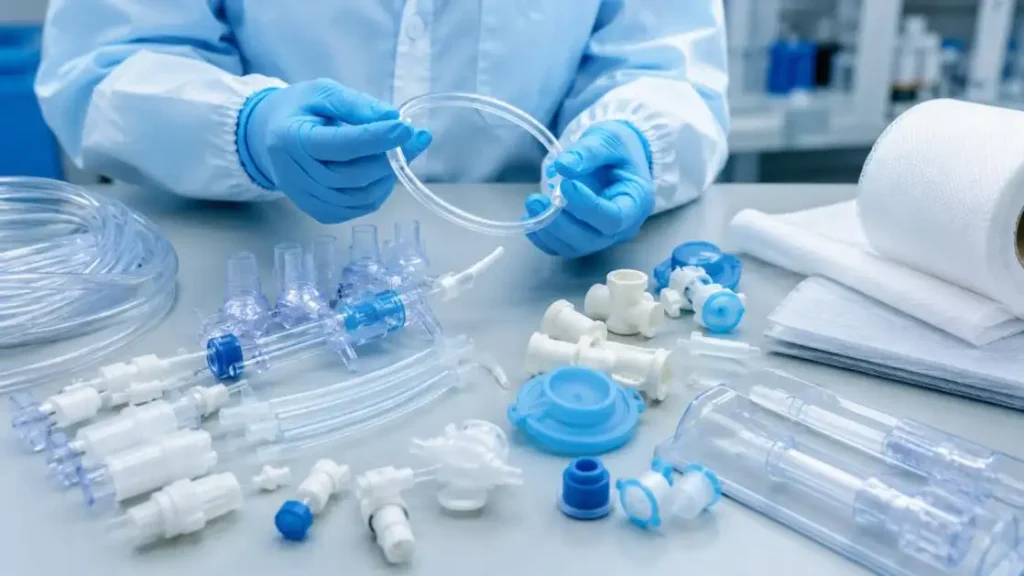
When considering options for materials, the needs of the application must be prioritized and cost must be deprioritized.
| Material | General Characteristics | Possible Applications |
| PVC | Flexible, transparent and readily extruded | Tubing, urine bags, drainage products |
| TPU | Flexible, tough, resistant to wear | Medical tubing and flexible components |
| Silicone | Soft and resistant to temperature | Respiratory connectors, seals and tubing |
| Polypropylene | Lightweight and resistant to chemicals | Connectors, containers, and molded parts |
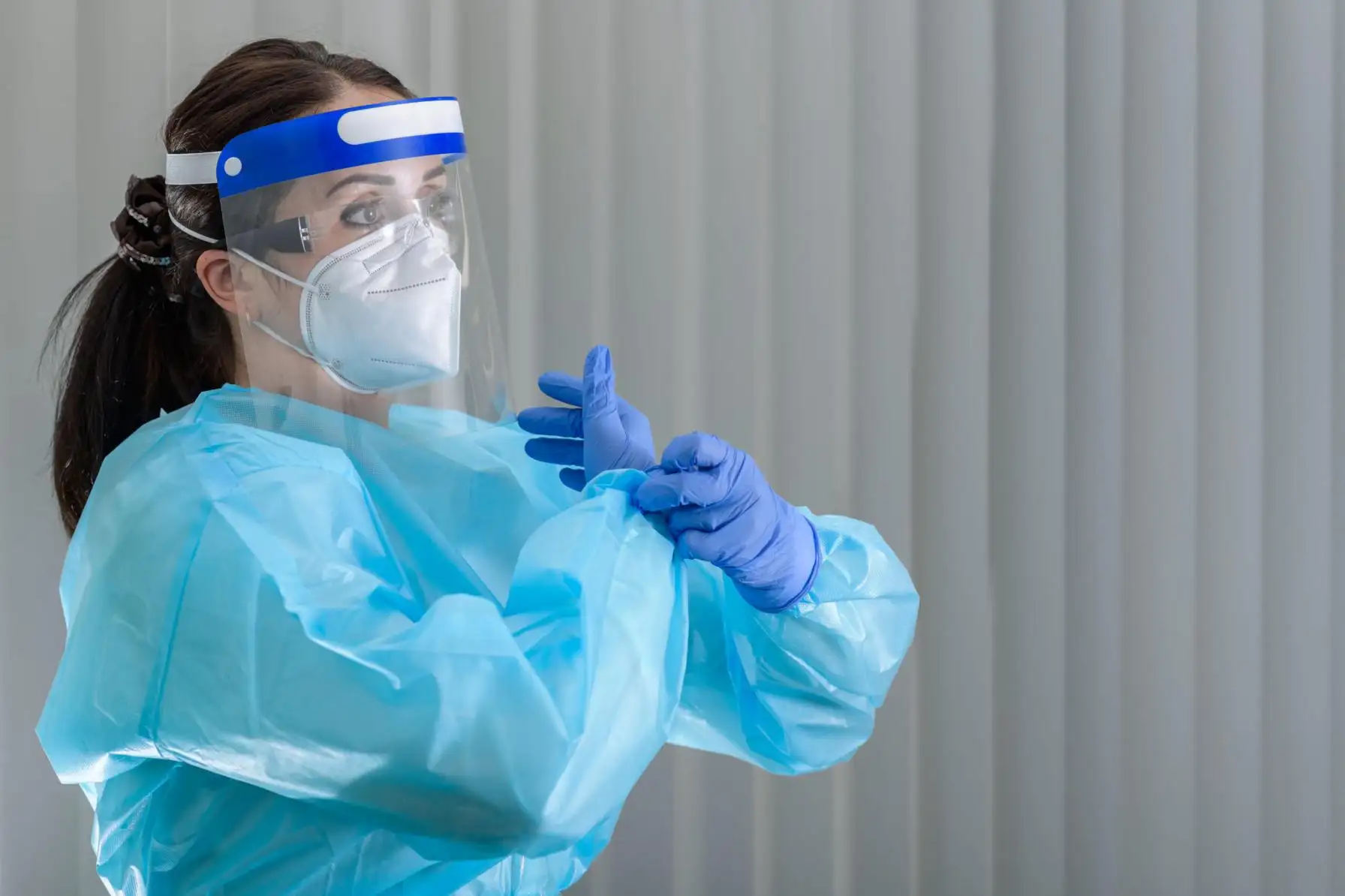
| Non-woven fabric | Lightweight, breathable and adaptable barrier properties | Protective, surgical and nursing consumables |
For the application to be successful, the materials must be compatible with the fluids and gases they will be in contact with, the means and conditions of storage, the packaging, and the chosen method of sterilization. Additives, as well as coatings, may affect the performance of the end product.
Once the material choice for the application has been verified, altering the material will require additional verification testing as the properties of the material (flexibility and strength) as well as its resistance to aging and to the effects of sterilization will be altered.
Step 3: Design for Function and Manufacturing
The function of a design may govern:
•Flow and pressure performance (sometimes combined with leak performance)
•Leak resistance
•Tensile strength
•Security of connections
•Ease of handling
•Miscalculation or misconnection prevention
•Dead space or residual volume
•Dimensional tolerances
While a design may be functionally considered, it may still require further work to be suitable for mass commercial production.
Design for manufacturing removes unnecessary parts, simplifies assembly, improves design for injection-molding or extrusion, and integrated design for inspection (DFI) while also reducing human variability. It also helps to consider automation and design for mass production in early stages.
Step 4: Create and Assess Prototypes
The development of a prototype is iterative in nature with a number of different stages such as:
•Appearance or structural samples
•Samples for testing the functionality
•Engineering samples
•Samples at the level of production
•Samples for confirmation of packaging design
Assessments in this stage include feeling the material and assessing dimensions, strength of connections, leakage, flow, pressure, transparency, ease of assembly and fit of the package.
Samples should be approved based on test results and specifications rather than on aesthetics.
Step 5: Perform Risk Assessment and Verification
Risks in this stage may include tubular disconnections, material incompatibility, leakage, incorrect connections, damaged packaging, label ambiguities, degradation, storage variation, and other risks related to batch variation.
Verification includes, but is not limited to, the following:
•Dimensional inspection
•Leakage and sealing tests
•Flow tests
•Visual inspection
•Tests for integrity of packaging
•Simulated transport
•Aging tests
•Assessment of sterilization compatibility
While verification is the process of checking whether a product meets specified requirements, validation is the process of checking whether the completed product is able to serve the purpose for which it was designed.
Step 6: Create Packaging, Sterilization and Labeling
A complete design and manufacturing project for a medical consumable includes more than the medical product.
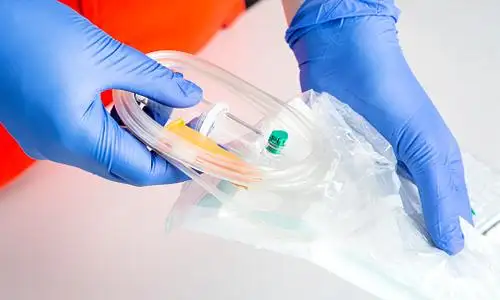
Packaging development may cover medical paper-plastic pouches, blister packs, composite bags, transport cartons, sealing areas, opening convenience, and product positioning inside the package.
Where sterilization is required, the supplier should assess whether the material and packaging can tolerate the selected process without unacceptable changes in appearance, flexibility, strength, sealing, or functional performance.
Labels may need to include the following elements: product name, model name, batch number, expiration date, special storage conditions, use instructions, indication of remaining usable after the first use, and name of the company or brand that has legal responsibility for the product.
Step 7: Transition from Pilot Production to Mass Production
Pilot production tests whether or not a product can be produced in full at a consistent level.
| Stage | Objective | Average Output |
| Prototype | Validate a product idea | Working samples |
| Engineering Trial | Refine both design and process | Engineering samples |
| Pilot Production | Validate production consistency | Small production batch |
| Mass Production | Quality repeatable | Commercial batches |
Pilot production validates the assembly sequence, the requisite tooling, cycle time, inspection, the training of the staff, and the documentation for the batch.
Step 8: Manage Quality During Production
An experienced Clinical Consumables Supplier will ensure quality at each process step during production.
Quality is managed before production during the inspection of the raw materials and supporting documentation. Quality is managed during production when key parameters are controlled. Quality is managed after production when the finished products are evaluated.
Effective Clinical Consumables Supplier quality control focuses on producing the same approved result repeatedly, rather than simply increasing output.
How Greetmed Supports OEM and ODM Development
OEM and ODM projects require coordination between design, materials, documentation, production, and quality management. Experience across multiple clinical consumable categories may help simplify this process.
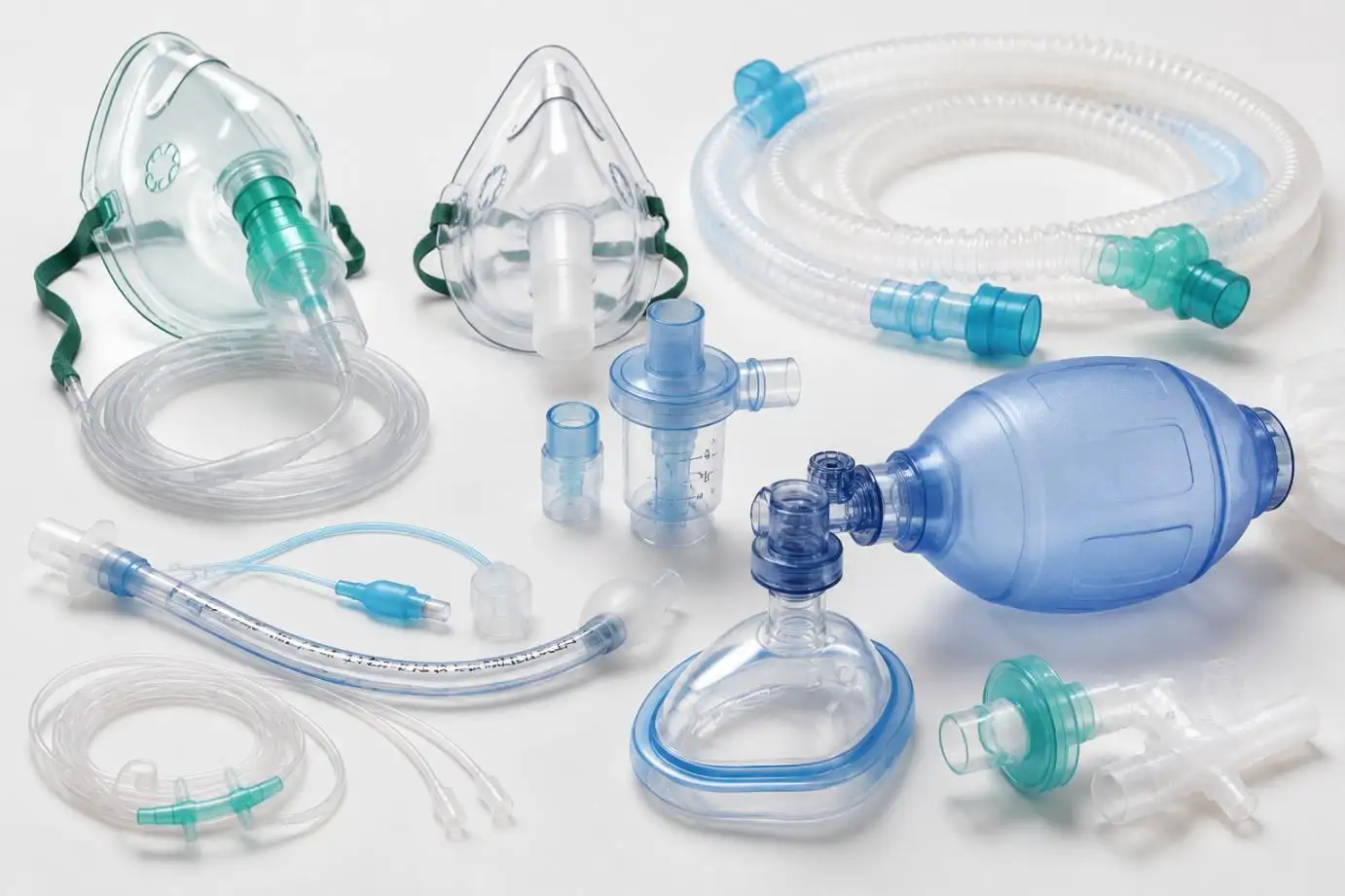
Since beginning its journey in 2003, Greetmed has developed experience in manufacturing and supplying non-woven products, respiratory products, urine bags, and other clinical consumables.
Greetmed operates with ISO 13485 certification and supports products associated with FDA and CE market requirements, depending on the specific product category and destination market. Buyers should check the requisite registrations, certifications, and permits for each model.
Possible areas of support may be guides, adjustments, and evaluations regarding specifications, materials and structures, prototypes, and packaging; private labelling; pilot runs; batch control; and cross-category supply.
In contract manufacturing of clinical consumables, integrity and responsibility shape the communication of specifications, quality concerns, and production modifications. Greetmed keeps corporate social responsibility, integrity, and compassion as its long-term values in supplier relationships.
Closing Words
If you plan to pursue an ODM, OEM, or private-label project for clinical consumables, Greetmed invites you to discuss your project to understand your objectives, specifications, intended market, packaging, and estimated quantities. Greetmed has manufacturing experience that goes back to 2003 and can help you examine viable pathways for your preliminary ideas and designs to the market.
FAQs
Q1. What clinical consumables does Greetmed offer?
Greetmed offers a range of disposable clinical consumables include non-woven products, respiratory products, and urine bags.
Q2. Does Greetmed offer OEM clinical consumables?
Yes. Greetmed offers consultation for OEM projects depending on design, technical specs, packaging, and branding for the target market.
Q3. How about ODM services?
Greetmed offers support on some aspects of ODM, including material selection, prototyping, packaging design, and planning for pilot and full production.
Q4. How about customization for respiratory products?
Respiratory products can be customized for product specifications, components, connections, packaging, labels, branding, etc., depending on the product and applicable regulations.
Q5. What are Greetmed's strategies for product quality control?
Quality control strategies involve inspection of incoming materials, monitoring of production processes, measurement and function tests, inspection of packaging, and documentation of batch release.
Submit Your Request
Recent Posts
Tags
- Adult Diapers
- Are custom medical devices safe
- Baby Diapers
- Can respiratory anesthesia be used
- Digital Healthcare
- Do you offer customized consumables
- European Market
- How do you take care of a skin wound
- Industry Trends
- Lady Sanitary Napkins
- Medical Devices
- OEM Medical Devices
- Product Introductions
- Protective Equipment
- Under Pads
- What are custom-made medical devices
- What are diagnostic products
- What are hospital dressing products
- What are medical tube catheters
- What are some common protective equipment
- What are the appropriate applications for hospital dressing products
- What are the appropriate uses for protective equipment
- What is a gynecological examination
- What is a medical consumable
- What is an anesthesia kit
- What is an OEM in medical devices
- what is an wound skin care
- what is can disposable ultrasonic diagnostic
- What is good manufacturing medical devices
- What is hospital-grade protective equipment
- what is medical equipments hospital furniture
- What is medical sterilization wrapping
- What is rehabilitation equipment device
- What medical consumables do you supply
- Where can I find laboratory consumables wholesale
- where can I find medical protection device
- where to buy hypodermic accessories
- where to buy medical apparel
- where to buy medical consumable accessories
- where to find OEM medical device supplier
- where to find rehabilitation equipment supplier
