



Precision Extrusion in Medical Device Manufacturing: Why It Matters


The production of medical devices requires high levels of precision, consistency and reliability. Precision extrusion is one of the numerous manufacturing methods employed in the industries to produce polymer materials that are of extreme standards in the medical field. Tubing and catheters, implants and connectors, precision extrusion helps manufacturers to provide products of high-quality that can provide patient care, safety, and regulatory compliance.
This paper covers the meaning of precision extrusion, its use in the manufacturing of medical devices, and why it is a necessary process in the production of healthcare in our current era.
What is Precision Extrusion?
Precision extrusion is a production process whereby hot material, usually medical grade polymers, is forced through a shaped die to form a continuous mold with a desired cross-section. Close control of the process is done to obtain tight dimension tolerances and material consistency.
Unlike typical extrusion used for packaging or consumer products, medical precision extrusion emphasizes:
-
Strict tolerances (often within thousandths of an inch or microns)
-
Controlled surface finish
-
**Repeatability across long production runs
-
Defect-free geometry**
These characteristics are vital when producing components that interact directly with the human body or integrate with other medical systems.
Common Medical Components Made by Precision Extrusion
Precision extrusion is used to manufacture many types of medical parts, including:
1. Medical Tubing
Medical tubing is one of the most common extruded parts. It is used in:
-
IV lines
-
Catheters
-
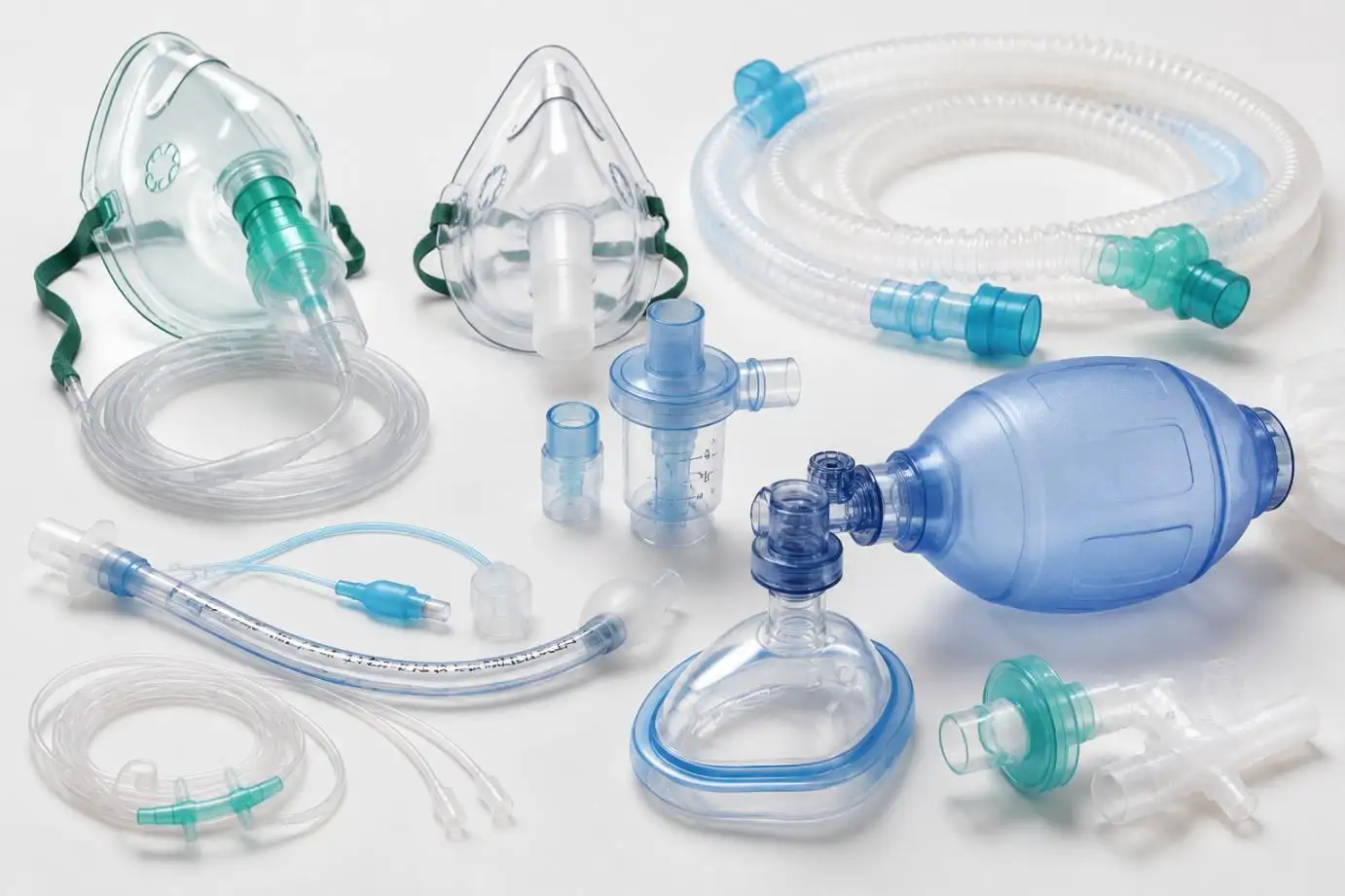
Oxygen and anesthesia delivery
-
Blood sampling and dialysis systems
These tubes must maintain consistent inner diameters, wall thickness, and surface smoothness to ensure optimal fluid flow and patient safety.
2. Specialty Profiles and Straps
Extruded profiles are used for:
-
Connectors
-
Seals
-
Gaskets
-
Structural components for devices and housings
Precision extrusion enables complex cross-section shapes that meet specific functional requirements.
3. Multi-Layer and Co-Extruded Components
Multi-layer extrusion is commonly needed in advanced medical applications to integrate such properties as flexibility, strength, and chemical resistance. Co-extrusion processes enable a manufacturer to bond various materials into a profile without affecting the performance.
Why Precision Matters in Medical Manufacturing
Medical device components often face life-critical applications. Errors in dimension, material properties, or surface finish can lead to product failure, regulatory non-compliance, or patient harm. Precision extrusion matters because:
1. Regulatory Compliance
Medical components must comply with stringent standards such as:
-
ISO 13485
-
FDA Quality System Regulations
-
European MDR
These standards require evidence of process control, traceability, and quality assurance throughout production.
2. Tight Tolerances and Consistency
A key advantage of precision extrusion is the ability to maintain incredibly tight tolerances over long runs. Consistent dimensions ensure that parts fit and function in complex assemblies without the need for secondary machining or extensive inspection.
3. Surface Quality and Biocompatibility
Extruded medical components often contact bodily fluids or interact with sensitive systems. Smooth surfaces reduce the risk of contamination, improve fluid dynamics, and enhance user safety. Precision control over extrusion conditions helps achieve these surface requirements.
4. Material and Performance Optimization
Medical extrusion uses advanced polymers such as:
-
PTFE (Teflon®)
-
PEEK
-
TPU
-
PVC
-
Polyethylene
-
Polypropylene
Each material offers specific biocompatibility, flexibility, chemical resistance, or sterilization compatibility. Precision extrusion ensures materials maintain their engineered properties during processing.
5. Scalability and Cost Efficiency
Precision extrusion is inherently a high-throughput process. Once tooling is optimized, manufacturers can produce long lengths of material with minimal waste, making the process cost-effective for both prototype and high-volume production.
Manufacturing Considerations for Precision Extrusion
Several factors influence quality and success in medical extrusion:
Tooling and Die Design
A well-designed die is crucial to forming accurate profiles. Precision tooling minimizes variation and ensures consistent material flow.
Process Control
Modern extrusion lines use:
-
Real-time temperature monitoring
-
Automated speed control
-
Feedback loops for dimensional control
These systems reduce variability and allow tighter process control.
Material Handling
Medical grade polymers often require careful handling to prevent contamination, moisture absorption, and degradation. Proper drying, storage, and cleanroom protocols are required.
Post-Extrusion Operations
After extrusion, parts may undergo:
-
Cutting and length control
-
Secondary machining
-
Sterilization
-
Packaging
Effective integration of these operations enhances throughput and quality assurance.
Applications Across Medical Sectors
Precision extrusion supports a wide range of medical applications, including:
⚕️ Catheter Systems and Interventional Devices
Consistency and surface control are critical for performance and patient comfort.
💉 Infusion and Fluid Management Lines
Tolerance control ensures accurate fluid delivery rates and leak-free connections.
🦾 Surgical Instrument Components
Profiles used in instrument handles, guides, and fixtures require precise form and finish.
🏥 Diagnostic and Lab Equipment
Extruded parts support flow channels, sample handling, and component housings.
The Future of Precision Extrusion in Medical Manufacturing
Medical manufacturing continues to evolve with trends like:
1. Digital Process Integration
Data collection, predictive analytics, and machine learning help optimize extrusion performance and reduce variation.
2. Advanced Materials
New biocompatible and high-temperature polymers expand the range of applications, especially in implantable and high-performance products.
3. Customization and On-Demand Production
Digital designs and rapid tooling facilitate adaptable extrusion lines for small batches and specialized devices.
Conclusion
Medical device manufacturing is based on precision extrusion. Its capability to create accurate, reliable and biocompatible components makes it a necessity to device effecting health and safety. With continuing improvements in the technologies and legislative regulations becoming more stringent, precision extrusion is bound to be essential in the provision of quality medical products that serve the needs of both the performance requirements and the regulatory requirements.
To manufacturers and product developers, knowing more about precision extrusion may help reduce the time to develop a product, improve product quality and minimize risk in production.
Submit Your Request
Recent Posts

Tags
- Adult Diapers
- Are custom medical devices safe
- Baby Diapers
- Can respiratory anesthesia be used
- Digital Healthcare
- Do you offer customized consumables
- European Market
- How do you take care of a skin wound
- Industry Trends
- Lady Sanitary Napkins
- Medical Devices
- OEM Medical Devices
- Product Introductions
- Protective Equipment
- Under Pads
- What are custom-made medical devices
- What are diagnostic products
- What are hospital dressing products
- What are medical tube catheters
- What are some common protective equipment
- What are the appropriate applications for hospital dressing products
- What are the appropriate uses for protective equipment
- What is a gynecological examination
- What is a medical consumable
- What is an anesthesia kit
- What is an OEM in medical devices
- what is an wound skin care
- what is can disposable ultrasonic diagnostic
- What is good manufacturing medical devices
- What is hospital-grade protective equipment
- what is medical equipments hospital furniture
- What is medical sterilization wrapping
- What is rehabilitation equipment device
- What medical consumables do you supply
- Where can I find laboratory consumables wholesale
- where can I find medical protection device
- where to buy hypodermic accessories
- where to buy medical apparel
- where to buy medical consumable accessories
- where to find OEM medical device supplier
- where to find rehabilitation equipment supplier
