



Tri-Layer Tubing in Medical & Industrial Applications: What It Is and Why It Matters (2026 Guide)


Tubing forms one of the indispensable parts in contemporary production particularly in medical, pharmaceutical and precision industrial industries. Not however all tubes are equal. Tri-layer tubing is frequently a perfect choice when it is necessary to achieve a high level of performance, compatibility with chemicals, flexibility, and dimensional accuracy.
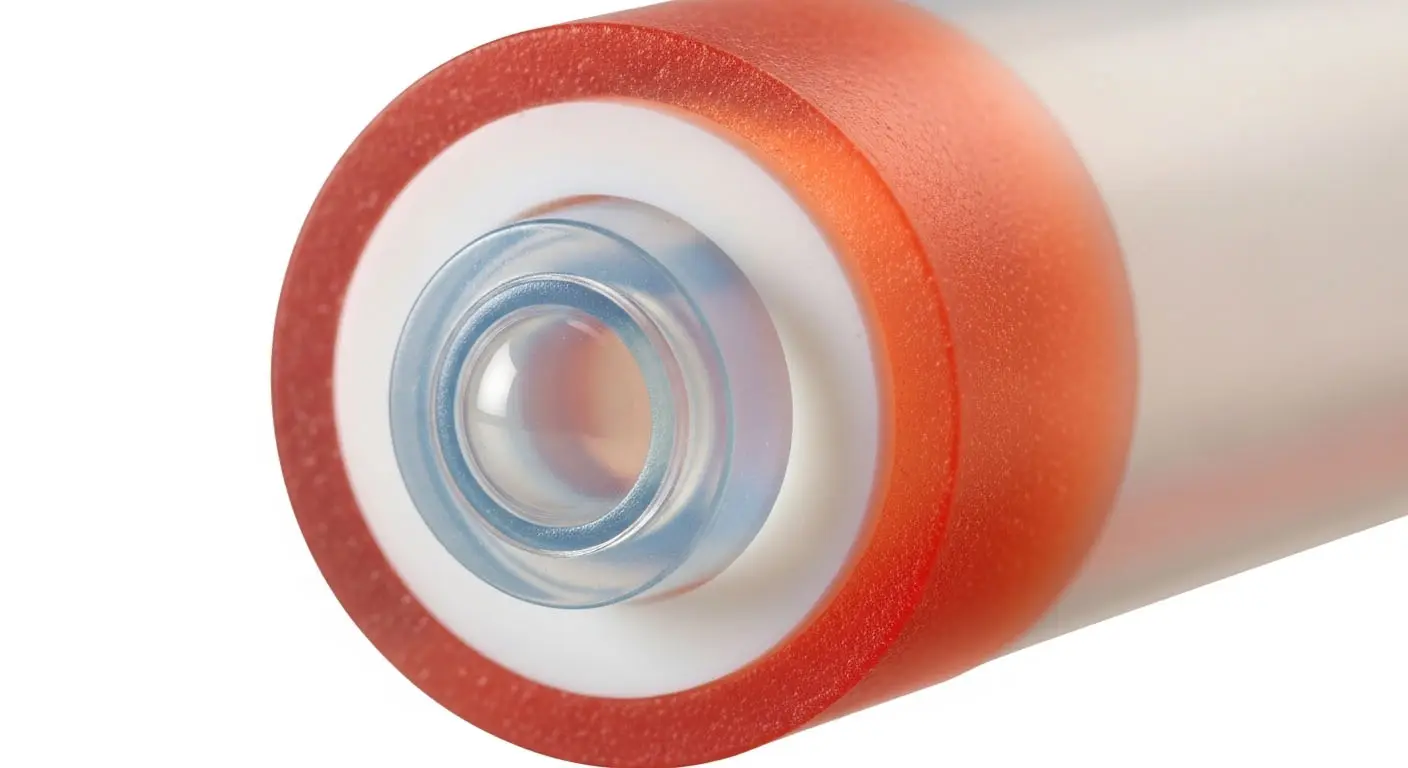
This is a comprehensive guide to understanding what is a tri-layer tubing, how it is produced, its main benefits, application, and what a designer and an engineer need to be aware of when specifying tri-layered tubing to be used in a critical system.
What Is Tri-Layer Tubing?
Tri-layer tubing is extruded tubing that is made of three different layers of polymer- each layer has a particular functional property. Tri-layer tubing provides a superior level of structural performance compared to single-layer due to its engineered materials and interfaces unlike a single-layer tube, which can only offer simple containment.
A typical tri-layer tube structure includes:
-
Inner layer: Designed for chemical compatibility, smooth fluid contact, and biocompatibility
-
Core layer: Provides strength, flexibility, and pressure resistance
-
Outer layer: Offers abrasion resistance, environmental protection, and mechanical durability
By integrating multiple layers, manufacturers can tailor tubing properties such as chemical resistance, burst strength, memory, and flexibility—creating performance that single-material tubes cannot match.
How Is Tri-Layer Tubing Manufactured?
Tri-layer tubing generally is made using a special co-extrusion process which simultaneously extrudes three materials through a multi-port die. This requires precise control of temperature, with calibrated feed rates, and advanced tooling to ensure uniform layer thickness and tight tolerances over long lengths.
Key aspects of the manufacturing process include:
-
Multi-port extrusion dies — engineered to merge three polymers without defects
-
Temperature and pressure regulation — essential for bonding between layers
-
In-line diameter measurement — real-time control for consistency
-
Post-extrusion cooling and handling — protect profile geometry and surface finish
This complex process demands experience and engineering expertise, especially when working with medical-grade polymers or high-performance engineering resins.
Advantages of Tri-Layer Tubing
Tri-layer tubing delivers several performance advantages that make it preferable in demanding applications:
1. Enhanced Chemical Compatibility
Different layers can be designed to resist different types of chemicals, solvents, or biological fluids that will be found in the medical or industrial system. For example, the surface with blood or saline contact or blood contact may be optimized on the inside while the outside layer is resistant to abrasion and sterilization fluids.
2. Improved Mechanical Strength
By combining materials with different stiffness and elasticity profiles, the tubing can withstand elevated pressures, vacuum conditions, and frequent flexing without permanent deformation.
3. Consistent Flow and Dimensional Control
A smooth inner channel with consistent diameter ensures predictable fluid dynamics—a critical factor in medical infusion systems, analytical equipment, and precise dosing lines.
4. Controlled Outer Layer Properties
The outside layer can be engineered for UV resistance, wear resistance, or enhanced grip for handling and assembly.
Typical Materials Used
Tri-layer tubing can be engineered with a range of medical-grade and high-performance polymers based on application needs:
-
PTFE (Polytetrafluoroethylene) – excellent chemical resistance and biocompatibility
-
PE (Polyethylene) – flexible and lightweight
-
TPU (Thermoplastic Polyurethane) – abrasion resistance and elasticity
-
PVC (Polyvinyl Chloride) – cost-effective with good flexibility
-
PEX / PEBA / Copolymers – engineered for specific pressure, temperature, or flex requirements
Engineers often specify polymers based on fluid compatibility, sterilization method (ETO, gamma, autoclave), working pressure, and regulatory requirements (e.g., FDA, ISO 10993).
Key Applications of Tri-Layer Tubing
1. Medical Devices and Life Support Systems
Tri-layer tubing is widely used in:
-
Catheters
-
Infusion and IV lines
-
Blood and dialysis systems
-
Breathing circuits and anesthesia delivery
-
Pump tubing and wearable medical applications
Performance requirements such as biocompatibility, burst strength, kink resistance, and smooth flow make tri-layer tubing ideal for life-critical systems.
2. Pharmaceutical and Bioprocessing
In bioreactors, sterile transfer lines, and analytical systems, tubing must maintain chemical neutrality and cleanability. A tri-layer structure helps ensure that fluids are transported without contamination or reaction.
3. Industrial Automation & Fluid Transfer
Tri-layer tubes are used in industrial instrumentation, chemical transfer systems, pneumatic controls, and pressure lines where chemical exposure and repeated flexing occur.
4. Analytical and Laboratory Equipment
Precise internal diameters and smooth inner walls support consistent sample delivery and analytical repeatability in laboratory robotics and chromatography.
Design Considerations When Specifying Tri-Layer Tubing
Engineers and designers should evaluate several factors:
1. Inner Diameter & Wall Thickness Tolerance
Tight dimensional control is essential for fluid flow calculations and interface with fittings, valves, and connectors.
2. Material Compatibility
Ensure that all layers are compatible with the fluid media, sterilization processes, and environmental conditions under which they operate.
3. Flexibility vs. Rigidity Balance
Applications may require tubing that resists kinking while remaining flexible enough for routing and installation.
4. Temperature and Pressure Ratings
The combination of materials—and how they bond under load—affects the allowable pressure and temperature range.
5. Regulatory Compliance
Medical applications often require FDA-listed materials, ISO 10993 biocompatibility, USP Class VI certifications, or other standards depending on region and end use.
Tri-Layer vs. Single-Layer and Multi-Layer Alternatives
A key reason tri-layer tubing excels is its balance between complexity and performance. While single-layer options are simpler and cheaper, they lack the combined properties needed for demanding environments. Conversely, 4-layer or multi-layer extrusions may offer even more customization but at increased cost and complexity.
Tri-layer designs hit the sweet spot for performance, manufacturability, and cost effectiveness in many medical and industrial use cases.
Quality and Testing Requirements
Manufacturers producing tri-layer tubing must implement robust quality systems:
-
In-line diameter and wall thickness inspection
-
Physical property testing (tensile strength, burst pressure)
-
Material certification and traceability
-
Surface finish and contaminant inspection
-
Sterilization validation (if required)
ISO 9001 and ISO 13485 certification further ensure quality management systems meet global standards for medical and regulated markets.
Emerging Trends in Tubing Technology
1. Smart Tubing with Embedded Sensing
As connected medical devices and industrial IoT become more common, developers are exploring tubing with embedded sensors for pressure, flow, or temperature feedback.
2. Bio-Inert and Biodegradable Materials
Advances in polymer science are creating options that reduce environmental impact while maintaining performance for disposable applications.
3. Additive Manufacturing Integration
Hybrid manufacturing where extrusion meets 3D printing enables custom geometries and rapid iterations for low-volume specialized tooling.
Choosing the Right Manufacturer
Partnering with an experienced extrusion manufacturer ensures:
-
Process control and consistent quality
-
Material science expertise
-
Design support for manufacturability
-
Traceability, testing, and compliance documentation
-
Scalable production from prototype to mass production
Evaluate potential partners based on their capabilities, certifications, material offering, and industry experience—especially for medical and regulated applications.
Conclusion
Tri-layer tubing is a versatile, high performance solution, which is widely used in medical, pharmaceutical, laboratory and industrial systems. Its multi-material structure provides the advantages of strength, chemical resistance, dimensional accuracy, and fluid control (which are extremely important in contemporary manufacturing).
Whether you are designing a new medical device, specifying fluid transfer systems in automation, or upgrading high-precision equipment, understanding the advantages of tri-layer tubing helps you make better engineering decisions.
Partnering with a capable, experienced tube manufacturer ensures you achieve the performance, compliance, and reliability your application demands.
Submit Your Request
Recent Posts


Tags
- Adult Diapers
- Are custom medical devices safe
- Baby Diapers
- Can respiratory anesthesia be used
- Digital Healthcare
- Do you offer customized consumables
- European Market
- How do you take care of a skin wound
- Industry Trends
- Lady Sanitary Napkins
- Medical Devices
- OEM Medical Devices
- Product Introductions
- Protective Equipment
- Under Pads
- What are custom-made medical devices
- What are diagnostic products
- What are hospital dressing products
- What are medical tube catheters
- What are some common protective equipment
- What are the appropriate applications for hospital dressing products
- What are the appropriate uses for protective equipment
- What is a gynecological examination
- What is a medical consumable
- What is an anesthesia kit
- What is an OEM in medical devices
- what is an wound skin care
- what is can disposable ultrasonic diagnostic
- What is good manufacturing medical devices
- What is hospital-grade protective equipment
- what is medical equipments hospital furniture
- What is medical sterilization wrapping
- What is rehabilitation equipment device
- What medical consumables do you supply
- Where can I find laboratory consumables wholesale
- where can I find medical protection device
- where to buy hypodermic accessories
- where to buy medical apparel
- where to buy medical consumable accessories
- where to find OEM medical device supplier
- where to find rehabilitation equipment supplier
