



Medical Device Packaging: Standards, Designs, and Best Practices for 2026


Medical device packaging is more than just a box or a bag — it’s a critical part of product safety, regulatory compliance, supply chain integrity, and patient experience. Effective packaging protects the device from damage, contamination, and environmental hazards during manufacturing, storage, transportation, and clinical use.
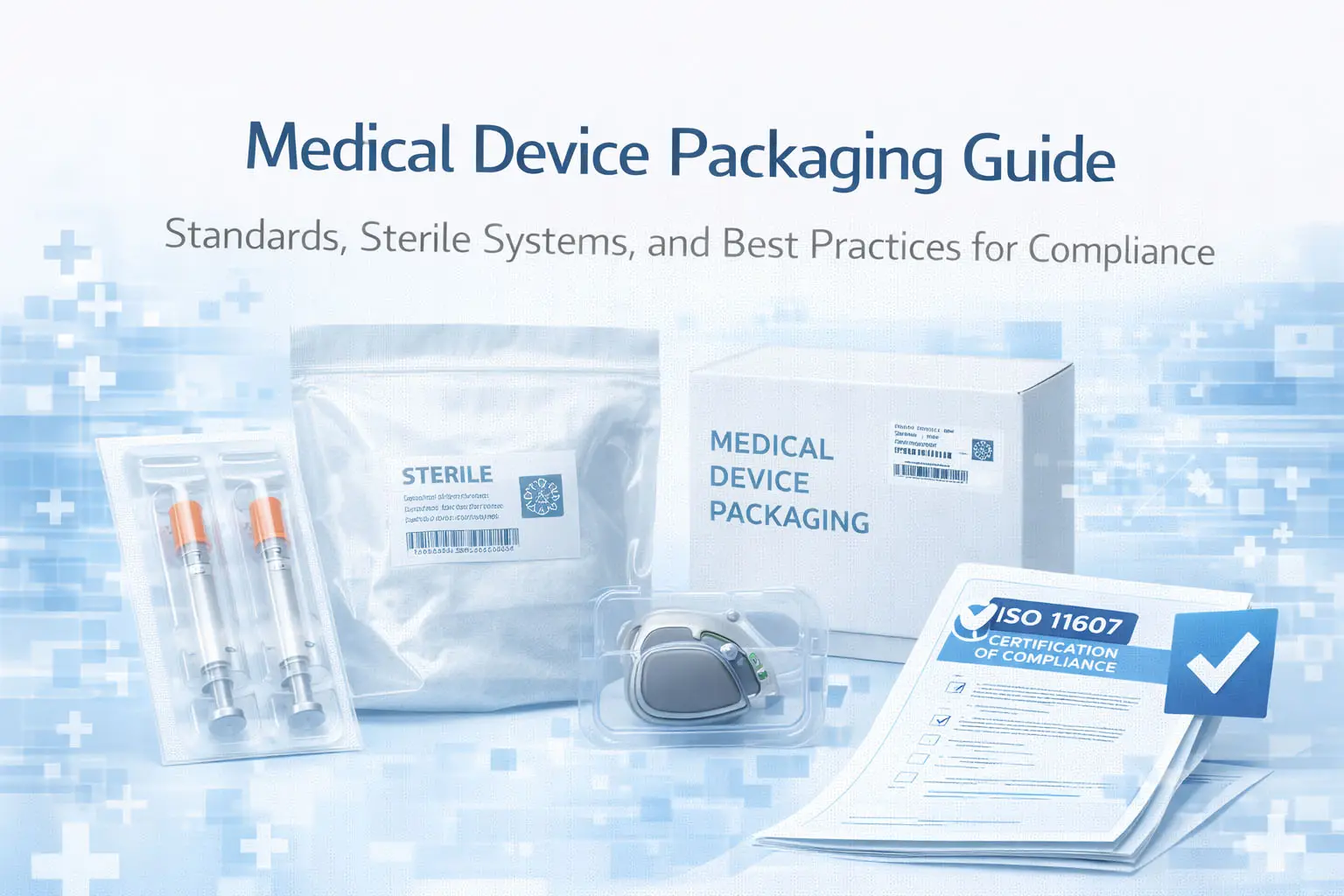
In this article, we explore the role of medical device packaging, essential regulatory requirements, common packaging methods, risk mitigation strategies, and emerging trends that manufacturers and OEM partners should know in 2026 and beyond.
Why Medical Device Packaging Matters
Medical device packaging serves multiple essential functions:
1. Protection
Devices must be shielded from physical damage, moisture, dust, microbial contamination, and chemical exposure throughout their lifecycle.
2. Sterility Maintenance
For sterile products (e.g., implants, surgical kits, wound care dressings), packaging must preserve sterility until point of use.
3. Traceability and Compliance
Regulations require clear labeling that includes UDI (Unique Device Identifier), lot/batch numbers, expiration dates, and handling instructions.
4. Usability and Safety
Packaging affects how clinicians open, handle, and prepare devices in clinical environments. Poor design can lead to delays, contamination, or even errors in care delivery.
5. Supply Chain Efficiency
Efficient packaging supports logistics, storage optimization, and inventory tracking, reducing costs and ensuring timely delivery to markets worldwide.
Medical packaging is therefore not an afterthought — it is an integral part of medical device design, development, and commercialization.
Regulatory Considerations
Medical device packaging is subject to stringent regulatory controls worldwide. Key frameworks include:
ISO 11607 — Packaging for Terminally Sterilized Medical Devices
ISO 11607 sets global standards for packaging systems intended to maintain sterility up to the point of use. The standard includes:
-
Part 1: Requirements for materials, sterile barrier systems, and design
-
Part 2: Validation requirements for packaging processes
Manufacturers must demonstrate that packaging systems and processes are validated, controlled, and reproducible.
U.S. FDA Requirements
The FDA expects packaging designs to support device safety and effectiveness. Relevant documentation is reviewed as part of 510(k) or PMA submissions, including:
-
Packaging design outputs
-
Sterility assurance levels
-
Risk analyses
-
Shelf-life determination
EU MDR and UDI
Under the EU Medical Device Regulation (MDR), device packaging must include clear labeling, UDI, and traceability elements. Packaging is part of the Technical Documentation required for conformity assessment.
Country-Specific Requirements
Other regulatory bodies such as China’s NMPA, Health Canada, and TGA (Australia) also enforce packaging and labeling requirements. Global manufacturers must harmonize multiple regulations for international market access.
Key Elements of Medical Device Packaging
Medical device packaging is more than a container — it is a system designed to protect, inform, and enable safe use of the product. Core elements include:
1. Primary Packaging
This is the immediate protective layer that directly contains the device. Examples include:
-
Blister packs
-
Pouches
-
Trays
-
Sterile barrier films
Primary packaging must protect the device and in sterile products, preserve sterility until opening.
2. Secondary Packaging
Secondary packaging groups one or more primary packages into a protective structure for display, handling, and shipping. Examples include:
-
Folding cartons
-
Corrugated cardboard boxes
-
Multi-pack trays
Secondary packaging often includes labeling, instructions, and regulatory information intended for clinicians or end users.
3. Tertiary Packaging
Tertiary packaging supports bulk transport and logistics, such as:
-
Pallets
-
Shrink wrap
-
Transit boxes
Its primary role is to protect products during warehouse handling and long-distance transport.
Sterile Packaging Systems
Sterile products rely on sterile barrier systems (SBS) — packaging methods that allow sterilization and maintain sterility during storage and distribution.
Common sterile packaging options include:
-
Tyvek pouches
-
Heat-sealed films
-
Rigid trays with seals
-
Multi-layer laminates
In each case, packaging must demonstrate sterility maintenance, compatibility with sterilization methods (EO, gamma, e-beam), and ease of aseptic opening in clinical settings.
Risk and Human Factors in Packaging Design
Packaging is part of the overall risk management process. Applying ISO 14971 principles helps identify and mitigate risks such as:
-
Contamination during opening
-
Improper handling by clinicians
-
Incorrect labeling or misinterpretation
-
Damage during transport
Incorporating human factors engineering (HFE) is essential for usability — ensuring that packaging supports safe, intuitive use, reduces complexity, and minimizes potential errors.
Shelf Life and Stability Testing
Determining shelf life is a critical requirement before product approval. Manufacturers conduct:
-
Accelerated aging studies
-
Real-time stability testing
-
Barrier integrity tests
-
Environmental stress tests
These evaluations confirm that packaging systems maintain performance over the intended shelf life — including under temperature, humidity, and handling stresses typical of real-world supply chains.
Labeling and Information Requirements
Effective labeling communicates critical information to end users. Key mandatory elements often include:
-
Device name and description
-
UDI (Unique Device Identifier)
-
Lot or batch number
-
Expiration date
-
Sterile / non-sterile indication
-
Handling and storage instructions
-
Manufacturer and authorized representative details
Labels must be clear, legible, and resistant to abrasion or environmental exposure during transport and storage.
Sustainable Packaging Practices
With increasing focus on sustainability, medical device manufacturers are exploring eco-friendly solutions that satisfy regulatory and safety requirements:
-
Recyclable materials
-
Reduced packaging weight
-
Multi-use transport packaging
-
Biodegradable films where appropriate
Sustainable packaging must still preserve device integrity and sterility, often requiring innovative material science and validation strategies.
Technology and Innovation in Packaging
The medical packaging space is evolving with new technologies:
1. Smart Packaging and Sensors
Integrated sensors or RFID tags can monitor:
-
Temperature excursions
-
Shock events
-
Humidity levels
These technologies enhance supply chain visibility and support quality assurance.
2. Digital Instructions and QR Integration
QR codes linked to digital instructions allow dynamic updates to labeling, such as:
-
Animation-based instructions
-
Language localization
-
Real-time recall notifications
This improves accessibility and reduces printed material waste.
3. Advanced Barrier Materials
Innovations in barrier films and laminates extend sterility assurance, improve puncture resistance, and reduce overall material thickness.
Best Practices for Medical Device Packaging
To meet regulatory expectations and operational goals, manufacturers should:
1. Integrate Packaging Early in Design
Packaging decisions influence device design, sterilization method, and logistical planning — and should be considered at the beginning of product development.
2. Conduct Robust Validation and Verification
Packaging systems must be validated with documented evidence, including:
-
Leakage testing
-
Sterility maintenance
-
Compatibility with sterilization process
-
Transport simulation
3. Incorporate Human Factors Testing
Assess how users interact with packaging in realistic scenarios to identify usability risks and refine designs.
4. Prepare Comprehensive Documentation
Maintain clear records for:
-
Packaging specifications
-
Test protocols and results
-
Risk analyses
-
Labeling and regulatory submissions
These documents form part of technical files required for conformity assessment or regulatory review.
Conclusion
Packaging of medical devices is a strategic process, cutting across clinical safety, compliance with regulations, supply chain integrity, and experience. With the world markets getting more complex, manufacturers should use integrated packaging that helps in securing the products, delivering important information, minimize risk, and facilitate effective delivery of products into the hands of healthcare planners.
Regardless of whether you are producing sterile consumables or high-value implantables, it is important to understand the principles of good packaging, and meet regulatory requirements, to produce medical devices of a high quality, safe, and compliant globally.
Submit Your Request
Recent Posts

Tags
- Adult Diapers
- Are custom medical devices safe
- Baby Diapers
- Can respiratory anesthesia be used
- Digital Healthcare
- Do you offer customized consumables
- European Market
- How do you take care of a skin wound
- Industry Trends
- Lady Sanitary Napkins
- Medical Devices
- OEM Medical Devices
- Product Introductions
- Protective Equipment
- Under Pads
- What are custom-made medical devices
- What are diagnostic products
- What are hospital dressing products
- What are medical tube catheters
- What are some common protective equipment
- What are the appropriate applications for hospital dressing products
- What are the appropriate uses for protective equipment
- What is a gynecological examination
- What is a medical consumable
- What is an anesthesia kit
- What is an OEM in medical devices
- what is an wound skin care
- what is can disposable ultrasonic diagnostic
- What is good manufacturing medical devices
- What is hospital-grade protective equipment
- what is medical equipments hospital furniture
- What is medical sterilization wrapping
- What is rehabilitation equipment device
- What medical consumables do you supply
- Where can I find laboratory consumables wholesale
- where can I find medical protection device
- where to buy hypodermic accessories
- where to buy medical apparel
- where to buy medical consumable accessories
- where to find OEM medical device supplier
- where to find rehabilitation equipment supplier
