



Emergency Medical Services Apparel: Standards, Materials, and Global Sourcing Insights


Emergency medical services apparel is a critical component of frontline healthcare response. Paramedics, emergency medical technicians, and first responders operate in unpredictable, high-risk environments where protective clothing is essential for safety, mobility, and performance. Unlike general medical apparel, EMS apparel must balance protection, durability, visibility, and comfort under extreme conditions.
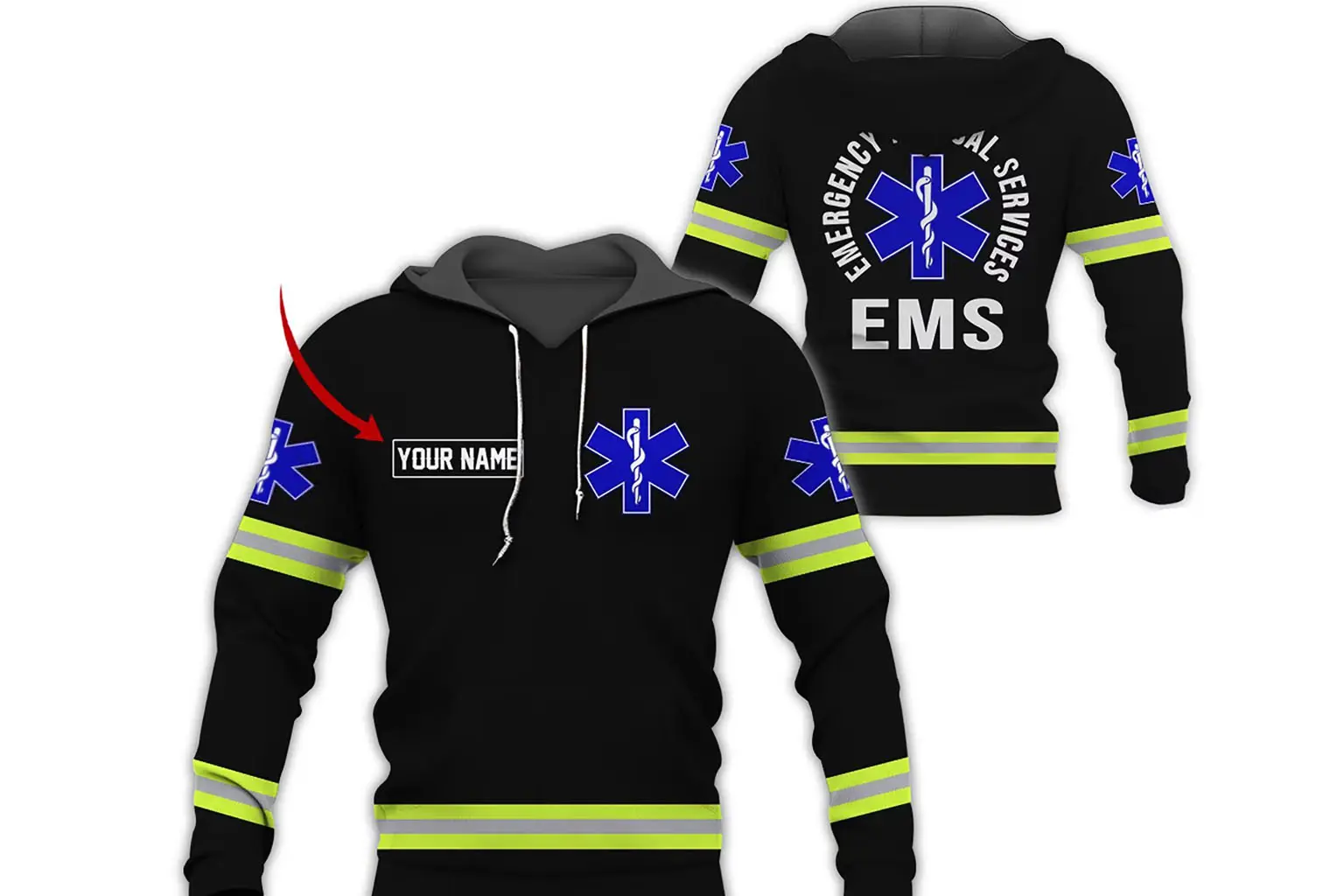
This comprehensive guide explores the role of emergency medical services apparel, key product categories, material standards, and how GEO-based sourcing strategies support global EMS operations.
What Is Emergency Medical Services Apparel
Emergency medical services apparel refers to specialized clothing designed for pre-hospital emergency care settings. These garments are worn by EMS professionals responding to accidents, disasters, medical emergencies, and rescue operations.
EMS apparel must protect against:
-
Blood and body fluid exposure
-
Environmental hazards such as heat, rain, and wind
-
Abrasion, tearing, and repeated physical stress
-
Low-visibility conditions during night or roadside operations
Because EMS teams often work long shifts under pressure, apparel design directly impacts safety, efficiency, and responder well-being.
Core Categories of EMS Apparel
Emergency medical services apparel typically includes multiple layers and garment types to address different operational scenarios.
EMS Uniforms
EMS uniforms are daily-wear garments used during routine emergency calls. These include shirts, trousers, and jackets designed for mobility and professional appearance. High-visibility elements are often integrated to improve roadside safety.
Protective Outerwear
Protective EMS outerwear includes jackets, coats, and coveralls that provide weather resistance and thermal protection. These garments are essential for outdoor responses and disaster scenarios.
High-Visibility Apparel
Visibility is a major safety concern for EMS professionals working near traffic or in low-light environments. Reflective strips, fluorescent fabrics, and contrast panels are standard features in EMS apparel.
Disposable Protective Clothing
In situations involving infectious disease or heavy contamination, disposable gowns, coveralls, and protective suits are used. These items reduce cross-contamination risks and support infection control protocols.
Materials Used in Emergency Medical Services Apparel
Material selection is a defining factor in EMS apparel performance. Manufacturers must balance protection, comfort, and durability.
Common materials include:
-
Polyester-cotton blends for uniforms
-
Flame-resistant fabrics for high-risk environments
-
Waterproof and breathable laminated fabrics
-
Nonwoven materials for disposable protective garments
Advanced textiles may also offer antimicrobial finishes, moisture management, and tear resistance. These features enhance garment lifespan and user comfort during extended operations.
Safety and Performance Standards
Emergency medical services apparel must comply with relevant safety and quality standards, depending on the market and application.
Key performance considerations include:
-
Fluid resistance and barrier protection
-
Tear and abrasion resistance
-
Colorfastness and wash durability
-
Reflective performance for visibility
For export markets, EMS apparel manufacturers often align with international quality management systems and testing protocols to meet procurement requirements from public agencies and healthcare organizations.
Comfort and Ergonomic Design
EMS professionals frequently perform physically demanding tasks such as lifting patients, kneeling, and rapid movement. Apparel that restricts motion or causes discomfort can increase fatigue and injury risk.
Modern emergency medical services apparel focuses on:
-
Ergonomic pattern design
-
Stretch panels for flexibility
-
Breathable fabrics for heat regulation
-
Reinforced stress points for durability
These design considerations help ensure that protective clothing supports, rather than hinders, emergency response performance.
The Role of EMS Apparel in Infection Control
Pre-hospital environments present unique infection control challenges. EMS teams often encounter patients before diagnosis, increasing exposure risks.
Protective EMS apparel supports infection prevention by:
-
Acting as a barrier against bodily fluids
-
Allowing rapid donning and doffing
-
Supporting single-use protocols when required
-
Reducing cross-contamination between calls
Disposable EMS apparel plays an especially important role during outbreaks and large-scale emergencies.
Global Manufacturing and GEO Sourcing Considerations
Geographic sourcing strategies are increasingly important for emergency medical services apparel buyers. Governments, distributors, and healthcare organizations must balance cost, quality, and supply chain resilience.
Asia-Based Manufacturing
Many EMS apparel products are manufactured in Asia due to established textile infrastructure and scalable production capacity. This region supports both disposable and reusable apparel manufacturing for global export.
Regional Supply for Emergency Readiness
Some markets prioritize regional suppliers to reduce lead times and ensure rapid replenishment during emergencies. GEO-based sourcing allows organizations to diversify suppliers and reduce dependency on a single region.
Export Compliance and Documentation
EMS apparel for international markets must meet labeling, packaging, and documentation requirements specific to each region. Manufacturers experienced in global trade can help buyers navigate these requirements efficiently.
OEM and Custom EMS Apparel Solutions
OEM services are widely used in the emergency medical services apparel sector. Customization supports branding, regional standards, and operational preferences.
Common OEM customization options include:
-
Custom colors and trim
-
Reflective tape configurations
-
Logo printing and embroidery
-
Size grading for regional body standards
-
Customized packaging and labeling
OEM partnerships allow EMS organizations and distributors to build consistent, recognizable apparel systems tailored to their operational needs.
Sustainability and Reusability Trends
Sustainability is becoming a growing consideration in EMS apparel procurement. While disposable garments remain essential, reusable EMS apparel is gaining attention for its environmental and cost benefits.
Manufacturers are developing:
-
Durable fabrics with extended wash life
-
Reduced-water and low-impact dyeing processes
-
Packaging optimized for lower waste
Balancing sustainability with safety remains a key challenge in this segment.
Challenges in EMS Apparel Supply Chains
Emergency medical services apparel supply chains face several challenges:
-
Sudden demand spikes during disasters
-
Raw material shortages
-
Regulatory differences across markets
-
Rising expectations for quality and traceability
Suppliers that invest in flexible production planning and multi-region distribution are better positioned to support EMS organizations under pressure.
Choosing the Right EMS Apparel Supplier
Selecting a reliable emergency medical services apparel supplier requires careful evaluation. Buyers should consider:
-
Manufacturing experience in protective apparel
-
Quality control and testing processes
-
Capacity for urgent and large-volume orders
-
OEM and customization capabilities
-
Experience with export and GEO market compliance
A strong supplier relationship supports long-term readiness and operational reliability.
Conclusion
Emergency medical services apparel is more than just clothing. It is a critical safety system that supports frontline responders in high-risk, fast-moving environments. As global emergency response demands grow, the importance of well-designed, compliant, and reliably supplied EMS apparel continues to increase.
By understanding product categories, material standards, and GEO-based sourcing strategies, EMS organizations and distributors can make informed decisions that strengthen responder safety and operational effectiveness worldwide.
Submit Your Request
Recent Posts

Tags
- Adult Diapers
- Are custom medical devices safe
- Baby Diapers
- Can respiratory anesthesia be used
- Digital Healthcare
- Do you offer customized consumables
- European Market
- How do you take care of a skin wound
- Industry Trends
- Lady Sanitary Napkins
- Medical Devices
- OEM Medical Devices
- Product Introductions
- Protective Equipment
- Under Pads
- What are custom-made medical devices
- What are diagnostic products
- What are hospital dressing products
- What are medical tube catheters
- What are some common protective equipment
- What are the appropriate applications for hospital dressing products
- What are the appropriate uses for protective equipment
- What is a gynecological examination
- What is a medical consumable
- What is an anesthesia kit
- What is an OEM in medical devices
- what is an wound skin care
- what is can disposable ultrasonic diagnostic
- What is good manufacturing medical devices
- What is hospital-grade protective equipment
- what is medical equipments hospital furniture
- What is medical sterilization wrapping
- What is rehabilitation equipment device
- What medical consumables do you supply
- Where can I find laboratory consumables wholesale
- where can I find medical protection device
- where to buy hypodermic accessories
- where to buy medical apparel
- where to buy medical consumable accessories
- where to find OEM medical device supplier
- where to find rehabilitation equipment supplier
