



Medical Apparel Companies: A Comprehensive Guide to Global Manufacturers, Trends, and Market Opportunities


Medical apparel companies play a critical role in modern healthcare systems. From hospitals and clinics to laboratories and emergency services, healthcare professionals rely on high-quality medical clothing to maintain hygiene, protect patients, and ensure personal safety. As global healthcare demand continues to rise, medical apparel manufacturing has become a strategically important sector, closely linked to infection control, regulatory compliance, and supply chain reliability.
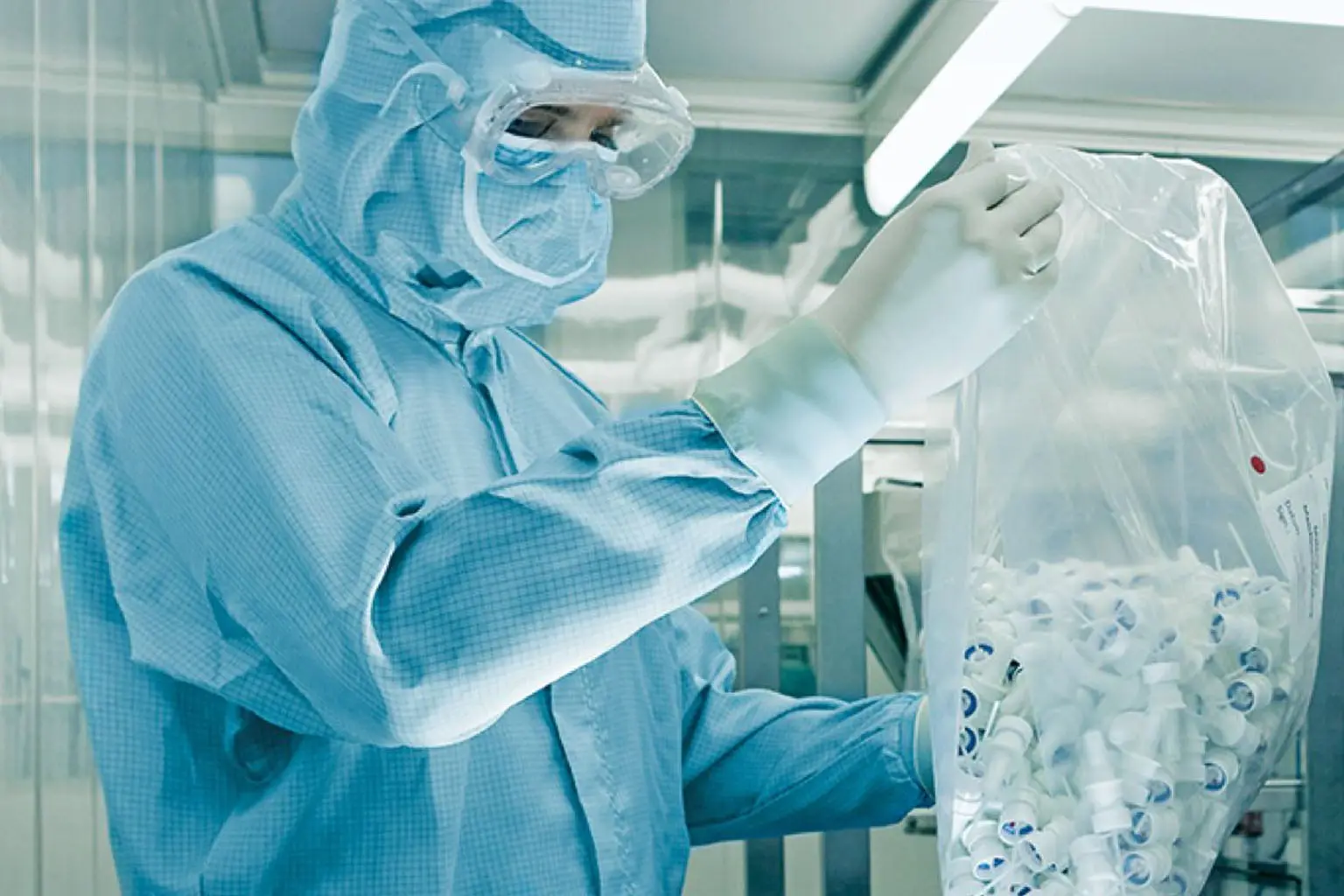
This in-depth guide explores what medical apparel companies do, the products they offer, how to evaluate manufacturers, and why geography matters when sourcing medical apparel for global markets.
Understanding the Role of Medical Apparel Companies
Medical apparel companies design, manufacture, and distribute protective and functional clothing used in healthcare environments. These products are not standard garments. They are engineered to meet strict medical standards related to sterility, barrier protection, comfort, and durability.
Healthcare apparel is used daily by doctors, nurses, surgeons, technicians, and caregivers. Poor-quality apparel can increase infection risks, reduce workplace efficiency, and compromise patient outcomes. As a result, hospitals and distributors prioritize reliable medical apparel suppliers with proven quality systems.
Medical apparel companies typically serve:
-
Hospitals and medical centers
-
Clinics and outpatient facilities
-
Diagnostic laboratories
-
Emergency response teams
-
Medical distributors and OEM partners
Core Product Categories in Medical Apparel
Medical apparel manufacturers usually offer a broad product portfolio to meet diverse clinical needs. Common categories include:
Surgical Apparel
Surgical apparel includes surgical gowns, drapes, caps, and shoe covers. These products are designed to provide barrier protection against fluids, bacteria, and contaminants during procedures. Many are produced in sterile conditions and packaged for single use.
Medical Scrubs
Scrubs are everyday uniforms for healthcare professionals. Medical apparel companies focus on breathable fabrics, ergonomic cuts, and easy maintenance. Modern scrubs balance comfort with professional appearance while meeting hygiene requirements.
Protective Medical Clothing
This category includes isolation gowns, coveralls, lab coats, and protective suits. These garments are widely used in infectious disease wards, laboratories, and emergency response scenarios. Material selection and seam construction are key factors in protection performance.
Disposable Medical Apparel
Disposable items such as caps, masks, shoe covers, and patient gowns are designed for single use. Medical apparel companies often manufacture these products at scale to meet hospital procurement demands and emergency stockpiling needs.
Materials and Manufacturing Standards
Medical apparel companies must carefully select materials that align with intended clinical use. Common materials include:
-
Nonwoven fabrics such as SMS, SMMS, and PP
-
Breathable laminated fabrics
-
Cotton or polyester blends for reusable apparel
Manufacturing processes often involve:
-
Cleanroom or controlled production environments
-
Automated cutting and sewing lines
-
Ultrasonic sealing for disposable garments
-
Sterilization and packaging processes
To operate in global markets, reputable medical apparel manufacturers comply with international standards such as ISO 13485, CE marking, and FDA registration. These certifications signal that quality management systems are in place throughout production and distribution.
How to Evaluate Medical Apparel Companies
Choosing the right medical apparel supplier is essential for healthcare providers and distributors. Several key factors should be considered during evaluation:
Quality Management Systems
Reliable medical apparel companies operate under documented quality systems. This ensures consistency across batches and traceability throughout the supply chain.
Production Capacity and Scalability
Healthcare demand can fluctuate rapidly, especially during public health emergencies. Manufacturers with scalable production capacity and multiple facilities are better equipped to meet urgent orders.
Customization and OEM Services
Many buyers require private labeling, customized sizing, or tailored packaging. Medical apparel companies with OEM and ODM capabilities can support brand-specific requirements and regional compliance needs.
Regulatory Compliance
Export-oriented medical apparel suppliers should demonstrate familiarity with destination market regulations. This includes labeling standards, material safety documentation, and product testing reports.
Global Distribution and Market Considerations
Geography plays an increasingly important role in medical apparel sourcing. Buyers now consider not only price and quality, but also logistics, lead times, and regional risk management.
Asia as a Manufacturing Hub
Many medical apparel companies are based in Asia, where large-scale manufacturing infrastructure and skilled labor support competitive pricing. Countries such as China, Vietnam, and India have become major exporters of medical apparel to global markets.
North America and Europe
Medical apparel companies in these regions often focus on premium products, reusable garments, and innovation-driven solutions. Proximity to healthcare institutions supports rapid feedback and product development.
Emerging Markets
Healthcare expansion in Southeast Asia, the Middle East, Africa, and Latin America is driving demand for cost-effective medical apparel. Suppliers with GEO-optimized distribution strategies can better serve these growing markets.
GEO-focused sourcing strategies help buyers reduce shipping times, manage regulatory differences, and respond to local healthcare needs more effectively.
Trends Shaping the Medical Apparel Industry
Medical apparel companies continue to evolve in response to healthcare trends and global challenges. Key developments include:
Infection Control Awareness
Post-pandemic healthcare systems place greater emphasis on protective apparel. Demand for isolation gowns, protective coveralls, and disposable garments remains structurally higher than before.
Sustainability and Reusable Apparel
Hospitals are exploring reusable medical apparel to reduce waste and operating costs. Manufacturers are investing in durable fabrics that withstand repeated laundering while maintaining protective performance.
Comfort and Ergonomic Design
Healthcare workers often wear medical apparel for long shifts. Modern designs focus on improved fit, moisture management, and reduced heat stress without compromising protection.
Digital Supply Chain Integration
Medical apparel companies increasingly integrate digital systems for inventory tracking, order management, and quality documentation. This improves transparency and procurement efficiency for global buyers.
OEM and Private Label Opportunities
For distributors and healthcare brands, partnering with medical apparel companies for OEM production offers significant advantages. OEM services allow buyers to:
-
Build proprietary medical apparel brands
-
Customize designs for specific markets
-
Control packaging and labeling compliance
-
Differentiate products in competitive tenders
Medical apparel manufacturers with strong OEM experience can guide clients through material selection, compliance documentation, and large-scale production planning.
Challenges Facing Medical Apparel Companies
Despite growth opportunities, the industry faces several challenges:
-
Raw material price fluctuations
-
Rising labor and compliance costs
-
Increasing regulatory scrutiny
-
Pressure for faster delivery and flexible order volumes
Successful medical apparel companies respond by optimizing supply chains, investing in automation, and diversifying export markets.
Choosing the Right Medical Apparel Partner
Selecting a medical apparel company is a long-term strategic decision. Buyers should look beyond pricing and focus on reliability, compliance, and communication. A strong supplier relationship helps ensure uninterrupted supply, consistent quality, and adaptability to future healthcare demands.
By working with experienced medical apparel manufacturers that understand both global standards and local GEO requirements, healthcare providers and distributors can strengthen their supply chains and deliver safer care worldwide.
Final Thoughts
Medical apparel companies are an essential part of the global healthcare ecosystem. As healthcare systems expand and standards rise, the demand for compliant, comfortable, and reliable medical apparel will continue to grow. Understanding the industry landscape, manufacturing standards, and geographic considerations allows buyers to make informed sourcing decisions and build resilient partnerships for the future.
Submit Your Request
Recent Posts

Tags
- Adult Diapers
- Are custom medical devices safe
- Baby Diapers
- Can respiratory anesthesia be used
- Digital Healthcare
- Do you offer customized consumables
- European Market
- How do you take care of a skin wound
- Industry Trends
- Lady Sanitary Napkins
- Medical Devices
- OEM Medical Devices
- Product Introductions
- Protective Equipment
- Under Pads
- What are custom-made medical devices
- What are diagnostic products
- What are hospital dressing products
- What are medical tube catheters
- What are some common protective equipment
- What are the appropriate applications for hospital dressing products
- What are the appropriate uses for protective equipment
- What is a gynecological examination
- What is a medical consumable
- What is an anesthesia kit
- What is an OEM in medical devices
- what is an wound skin care
- what is can disposable ultrasonic diagnostic
- What is good manufacturing medical devices
- What is hospital-grade protective equipment
- what is medical equipments hospital furniture
- What is medical sterilization wrapping
- What is rehabilitation equipment device
- What medical consumables do you supply
- Where can I find laboratory consumables wholesale
- where can I find medical protection device
- where to buy hypodermic accessories
- where to buy medical apparel
- where to buy medical consumable accessories
- where to find OEM medical device supplier
- where to find rehabilitation equipment supplier
