



Triple Lumen Central Venous Catheter: The Patented Connection That Ends Leakage And Infection


If you have been in the business of procuring central lines for more than a decade, you have seen the numbers. The US still records 30,000 to 41,000 central line-associated bloodstream infections annually across acute care settings, with each CLABSI adding between $48,000 and $68,000 in excess hospital costs. And the real concern? The catheter hub and its connection points are the most common entry sites for microorganisms when an infection appears seven days or more after insertion.
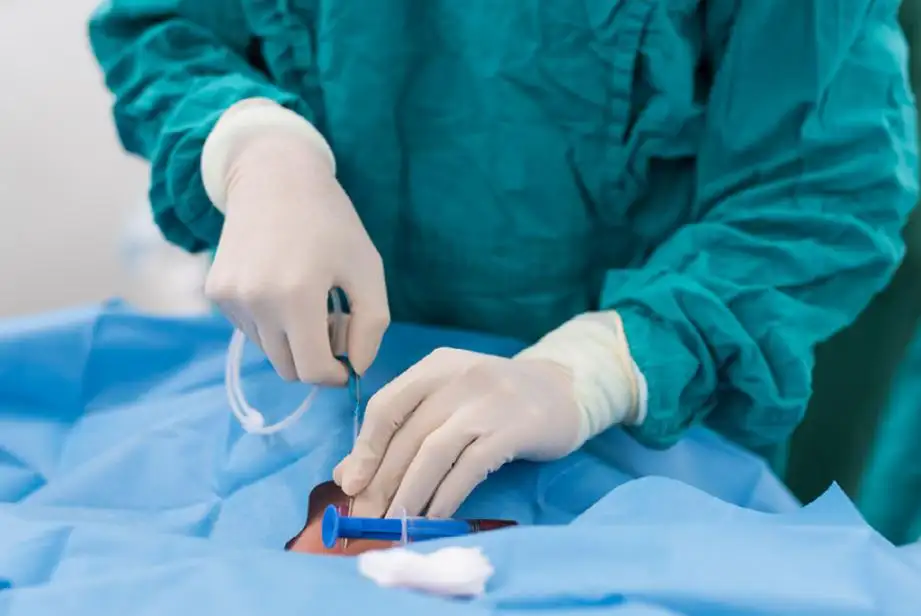
That is why your next Triple Lumen Central Venous Catheter should not be judged by price alone. It should be judged by how its connector performs—consistently, securely, and without compromise.
The Real Source: Why Most Late-Onset CLABSIs Start at the Hub
Let us be direct about the mechanism. Skin and catheter hub are the two major sources for colonizing organisms that cause catheter-related infections. Every time a clinician disconnects and reconnects an infusion line, bacteria can enter the open lumen. This is why the access port that screws onto the catheter hub remains the most common site of CLABSIs occurring seven days or more post-insertion.
But infection is not the only concern. Slow leaks developing at the connection point introduce additional opportunities for contamination, forcing clinical staff to replace connectors more frequently—a cycle that only increases infection risk. The connection itself has historically been the weak link: loose attachments allow both bacterial ingress and fluid leakage, each compounding the other.
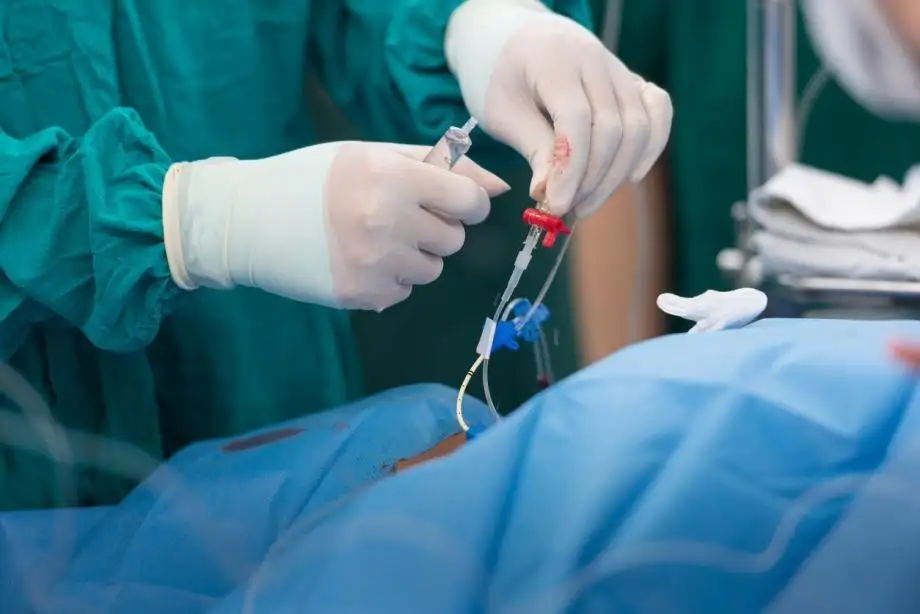
Patented Connection for Anti-Bacterial Leak Protection
At Greetmed, we asked a straightforward question: why should infection control and leakage prevention be treated as separate problems? The answer is that they should not be.
Greetmed's Triple Lumen Central Venous Catheter incorporates a patented connector design that simultaneously delivers anti-bacterial and leakage-proof performance. This is not a coating that wears off or a cap that must be manually disinfected each time. It is a structural solution built directly into the interface where the catheter meets the extension tubing.
Here is how the patented connection works, point by point:
• Anti-bacterial barrier: There are strategically designed passageways for the connector on the catheter hub and infusion line junction that physically limit and reduce the microbial colonization.
• Leakage-proof seal: The design eliminates the congestion for the interconnection point, consecutively creating a seamless, stable interface from outside fluid ingress and blood egress. This eliminates the need for redundant disconnections, and the risk for re-connection related contaminations.
• Shedding prevention: With the extension tubing interconnection on the catheter being this secure, there is no accidental dislodgement when there is movement from the patient, or from high-acuity influsions.
The integration of the two infrequent clinical events due to contamination and experiential leak events design eliminates interconnection.
What the Clinical Evidence Says About Connection-Focused Prevention
The evidence is clear. A prospective, randomized study demonstrated that an antiseptic chamber-containing hub is highly effective in preventing endoluminal bacterial colonization and catheter-related bloodstream infection in ICU patients whose catheters remained in place for six days or more. Similarly, antiseptic barrier caps have proven effective in sterilizing needle-free valve connector septa and preventing microorganism entry.
But those are add-on solutions—separate devices applied after the catheter is placed. Integrating safety features into the design of GreetMed's products, particularly the connector of the catheter, aligns with research showing that the elimination of multi-step obstacles and reduced cognitive burden on clinical personnel improves outcomes for patients.
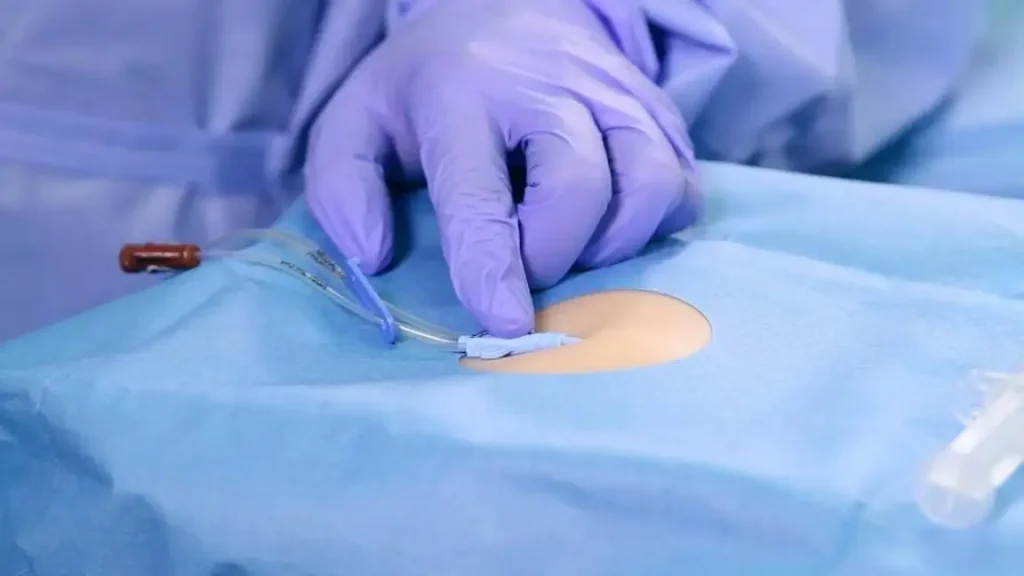
The Connection Is Just the Beginning: What Will Count in 2026
When considering a Triple Lumen Central Venous Catheter, your consideration shouldn't be limited to the connector. Greetmed's design includes a complete set of clinically relevant features:
• Latex-free material: Provides excellent safety and eliminates allergy-related risks, supporting broader patient safety protocols
• Excellent radiopacity: Makes the catheter easy to visualize under imaging, reducing malposition events and supporting safe, confident placement
• Soft blue tip: Reduces harm to the vessel and makes entry into the puncture point easier—a small design detail with meaningful impact on vascular trauma
• Transparent extension tubes with detachable clamps and printed marks: Allow clinicians to maintain the catheter away from the insertion site, reducing the risk of air embolism while providing clear visualization
• Anti-kink guidewire with increased flexibility: Facilitates smooth navigation through the vasculature without compromising structural integrity
• Flexible polyurethane construction: Kink-resistant and thrombus-resistant, this material softens at body temperature to conform to the vessel while maintaining lumen patency
Why 2026 Demands a Rethink of Your CVC Supply Chain
The global central venous catheter market is projected to grow from $2.1 billion in 2024 to $3.1 billion by 2031, driven by rising chronic disease burden, increasing demand for minimally invasive procedures, and an intensified focus on infection prevention. In 2026, healthcare procurement professionals are not just looking for the lowest price. They are looking for reliability, innovation, and supply chain resilience.
At the same time, the new 2026 clinical recommendations contain 52 new recommendations for adult ICU patients with central lines, focusing on daily assessments, rapid removal of catheters deemed unnecessary, and CLABSI prevention best practices. These guidelines reinforce what smart buyers already know: device design is a critical variable in infection outcomes.
The Bottom Line for Procurement Professionals
When you evaluate your next Triple Lumen Central Venous Catheter supplier, ask the right questions. Does the connector prevent leakage at the hub? Does it reduce bacterial colonization pathways? Was the design supported by proactive engineering instead of by reactionary add-ons?
Greetmed has been designing and manufacturing medical devices since 2003 and is certified by FDA, CE, and has ISO 13485. Greetmed has serviced healthcare facilities in more than 130 countries. Our patented connection design is one part of a comprehensive approach to catheter safety—from material selection to tip geometry to guidewire flexibility.
Infection prevention is no longer negotiable. Neither is connector performance. Choose a Triple Lumen Central Venous Catheter designed to end leakage and infection at their most common source.
Frequently Asked Questions (FAQ)
Q1: What protection does the patent design on the Triple Lumen Central Venous Catheter offer against infection?
The design optimises the pathway of the hub, where microbes can colonize, thus significantly reducing the chances of late-onset CLABSI. Unlike made surface coatings or add-on CAP, the design provides an anti-biotic barrier with no additional clinical intervention.
Q2: Can the leakage-proof design allow high pressure infusions and long duration use?
Correct. The connector is designed to withstand the pressures of the average ICU, and it forms an even complete seal to prevent blood and other body fluids from escaping, as well as from backflow. It also reduces the disruption caused by the need to reconnect the device when the patient moves.
Q3: Can the Triple Lumen Central Venous Catheter be used with other standard infusion sets?
Definitely. The Greetmed catheter is designed with standard luer connectors and is compatible with all infusion sets, stopcocks, and extension sets found in your inventory.
Q4: Which regulatory approvals does Greetmed have for this catheter?
Greetmed is ISO 13485, FDA, and CE certified and provides compliance to over 130 countries. We can provide the declaration of conformity and any other complete technical documentation upon request.
Q5: I would like to request bulk quotes. How can I do this?
You can request bulk quotes and evaluation samples from Greetmed directly on this site or your local sales representative. Distributors and hospital groups can also request technical data sheets and pricing options.
Submit Your Request
Recent Posts
Tags
- Adult Diapers
- Are custom medical devices safe
- Baby Diapers
- Can respiratory anesthesia be used
- Digital Healthcare
- Do you offer customized consumables
- European Market
- How do you take care of a skin wound
- Industry Trends
- Lady Sanitary Napkins
- Medical Devices
- OEM Medical Devices
- Product Introductions
- Protective Equipment
- Under Pads
- What are custom-made medical devices
- What are diagnostic products
- What are hospital dressing products
- What are medical tube catheters
- What are some common protective equipment
- What are the appropriate applications for hospital dressing products
- What are the appropriate uses for protective equipment
- What is a gynecological examination
- What is a medical consumable
- What is an anesthesia kit
- What is an OEM in medical devices
- what is an wound skin care
- what is can disposable ultrasonic diagnostic
- What is good manufacturing medical devices
- What is hospital-grade protective equipment
- what is medical equipments hospital furniture
- What is medical sterilization wrapping
- What is rehabilitation equipment device
- What medical consumables do you supply
- Where can I find laboratory consumables wholesale
- where can I find medical protection device
- where to buy hypodermic accessories
- where to buy medical apparel
- where to buy medical consumable accessories
- where to find OEM medical device supplier
- where to find rehabilitation equipment supplier
