



Medical Grade TPE Tubing | PVC-Free & Biocompatible Solutions


Why are the world’s leading hospitals and device manufacturers suddenly ditching materials they’ve used for decades? If you've spent any time in a medical R&D lab lately, you know the pressure is on to find safer, greener, and more efficient alternatives to PVC and silicone. That search often leads straight to medical grade TPE tubing. Thermoplastic Elastomers (TPE) aren't just a middle ground; they’re the high-performance bridge that combines the flexibility of rubber with the recyclability of plastic.
At Greetmed, we’ve watched this shift happen in real-time. Engineers aren't just looking for "plastic pipes" anymore. They need materials that won't leach chemicals into a patient’s bloodstream and can survive the high-speed "pinch" of a peristaltic pump. Whether you’re designing a life-saving infusion set or a complex respiratory circuit, understanding the nuances of TPE is your first step toward a better product.
The PVC Replacement Advantage: Safety Without Sacrifice
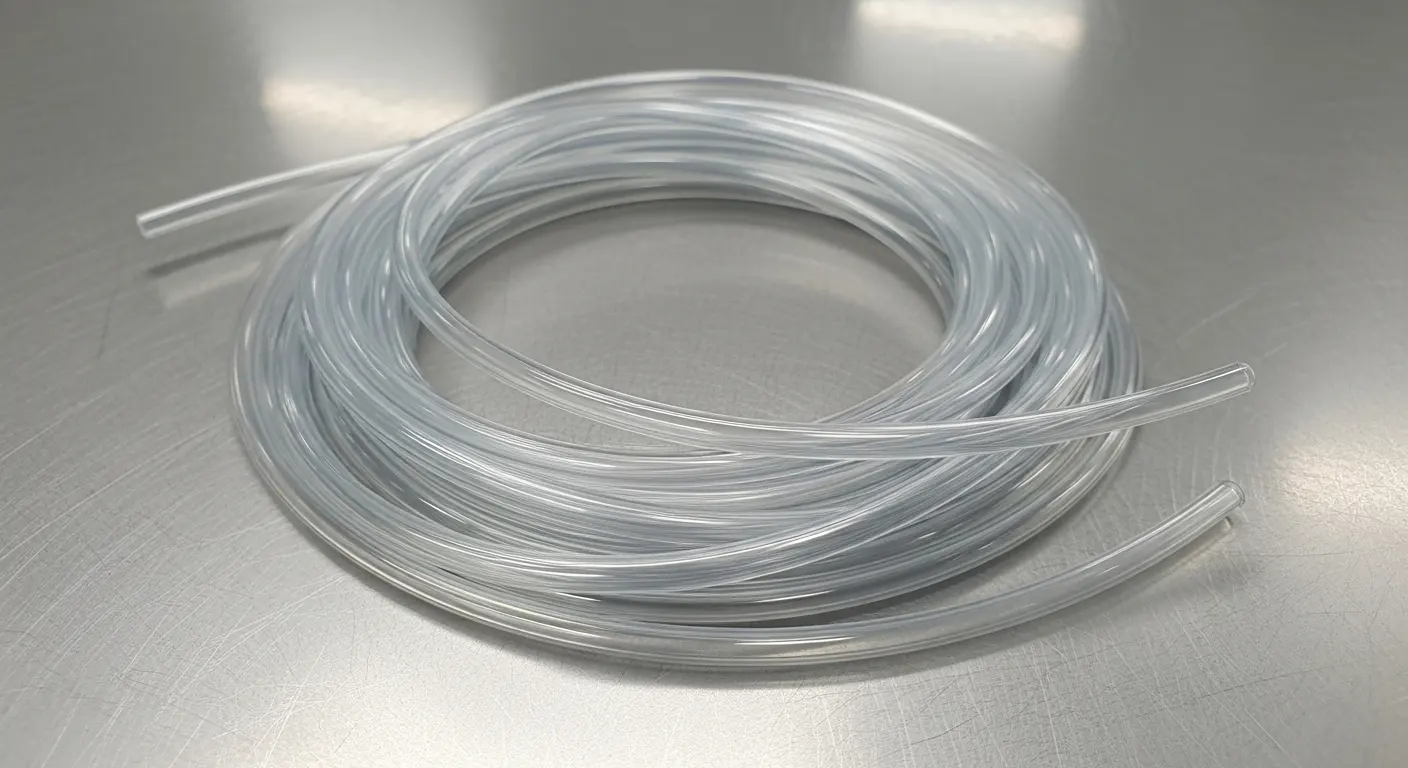
For years, PVC was the king of the hospital ward. It was cheap, clear, and flexible. But as we learned more about phthalates and DEHP leaching, the industry realized we needed a change. Medical grade TPE tubing provides that exit strategy. It’s naturally phthalate-free and DEHP-free, meaning you don't have to worry about harmful plasticizers migrating into sensitive medications or a patient's body.
Beyond the chemical safety, TPE offers incredible clarity. Surgeons and nurses need to see the fluid flow, check for air bubbles, or confirm the color of a drug. Our TPE formulations maintain that "glass-clear" look while offering superior kink resistance. Unlike traditional materials that might stay collapsed after being bent, TPE has an excellent "memory" that allows it to bounce back and maintain flow.
This level of reliability is critical when you are integrating tubing into devices like a medical hypodermic syringe or advanced IV delivery systems. When lives are on the line, the material shouldn't be the weakest link.
Performance Deep-Dive: TPE vs. Silicone
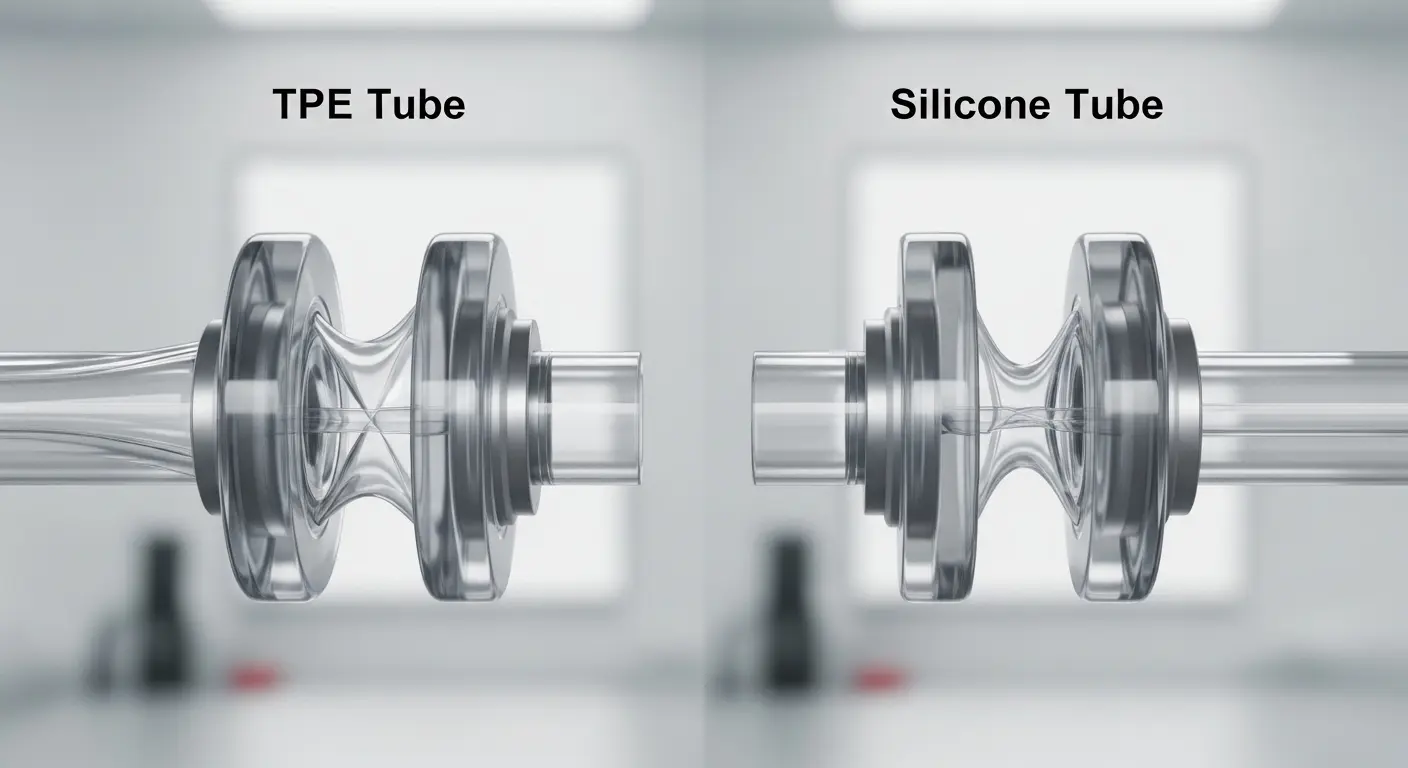
If you’re deciding between TPE and silicone, you’re likely looking at two main factors: pump life and cost. Silicone has long been favored for its heat resistance and "squishiness," but it has some major drawbacks. It's expensive to process, nearly impossible to recycle, and can be prone to "spallation"—where tiny bits of the tube wall break off into the fluid during pumping.
TPE wins the "pump life" battle in many modern applications. Because it’s a thermoplastic, it can be engineered for specific Shore A hardness levels that resist the fatigue of a peristaltic pump's rollers. In many tests, TPE tubing outlasts silicone in continuous-use scenarios, all while being significantly more cost-effective.
Furthermore, TPE has much lower gas permeability than silicone. If your device is sensitive to oxygen or moisture ingress, TPE acts as a much tighter barrier. This makes it the superior choice for lab diagnostics and biopharma applications where fluid integrity is everything.
Specialized Applications in Modern Medicine
Where exactly does medical grade TPE tubing shine? It’s not just for standard IV lines. We see it being used in increasingly complex ways:
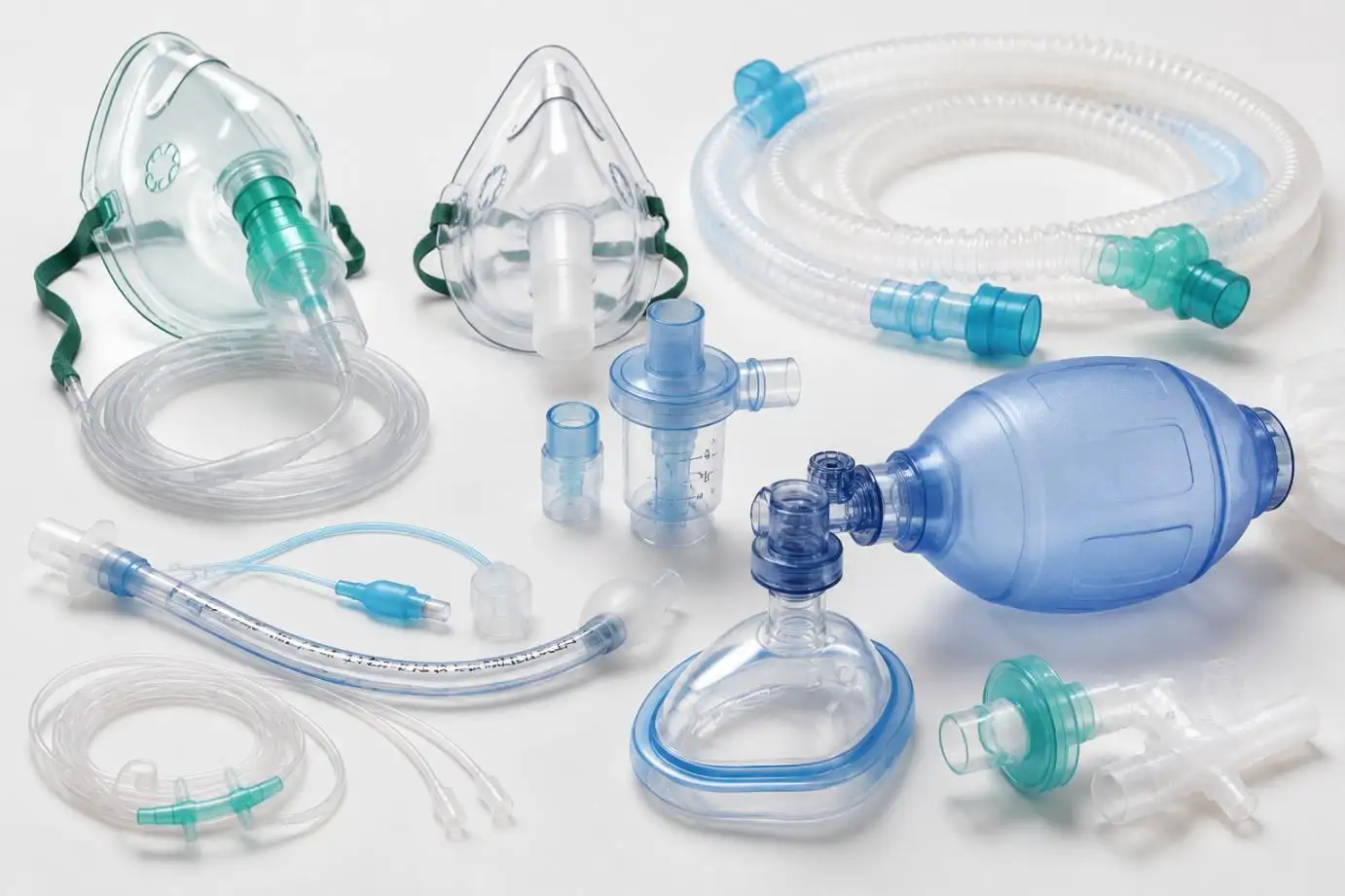
- Respiratory Care: Because TPE is odor-free and non-allergenic, it’s perfect for ventilators and CPAP machines. Patients don't have to deal with that "new plastic" smell while they're trying to breathe.
- Enteral Feeding: The chemical resistance of TPE ensures that fats and nutrients in feeding formulas don't degrade the tube wall over time.
- Urology: For sensitive procedures involving a malecot catheter, the smoothness and biocompatibility of TPE reduce patient discomfort and the risk of tissue irritation.
- Diagnostic Equipment: In the lab, TPE is used for the precise movement of reagents where cross-contamination must be zero.
Engineering Specs: Customizing Your TPE
One of the coolest things about TPE is how much we can tweak the "recipe." We don't just pull a generic roll off the shelf. We work with you to define the exact specs your project needs.
Hardness and Feel
Do you need it as soft as a gummi bear or as rigid as a soda straw? We offer a range from Shore A 30 to Shore A 90. This allows us to match the tactile feel your end-users expect while meeting the mechanical requirements of the device.
Co-Extrusion and Multi-Layers
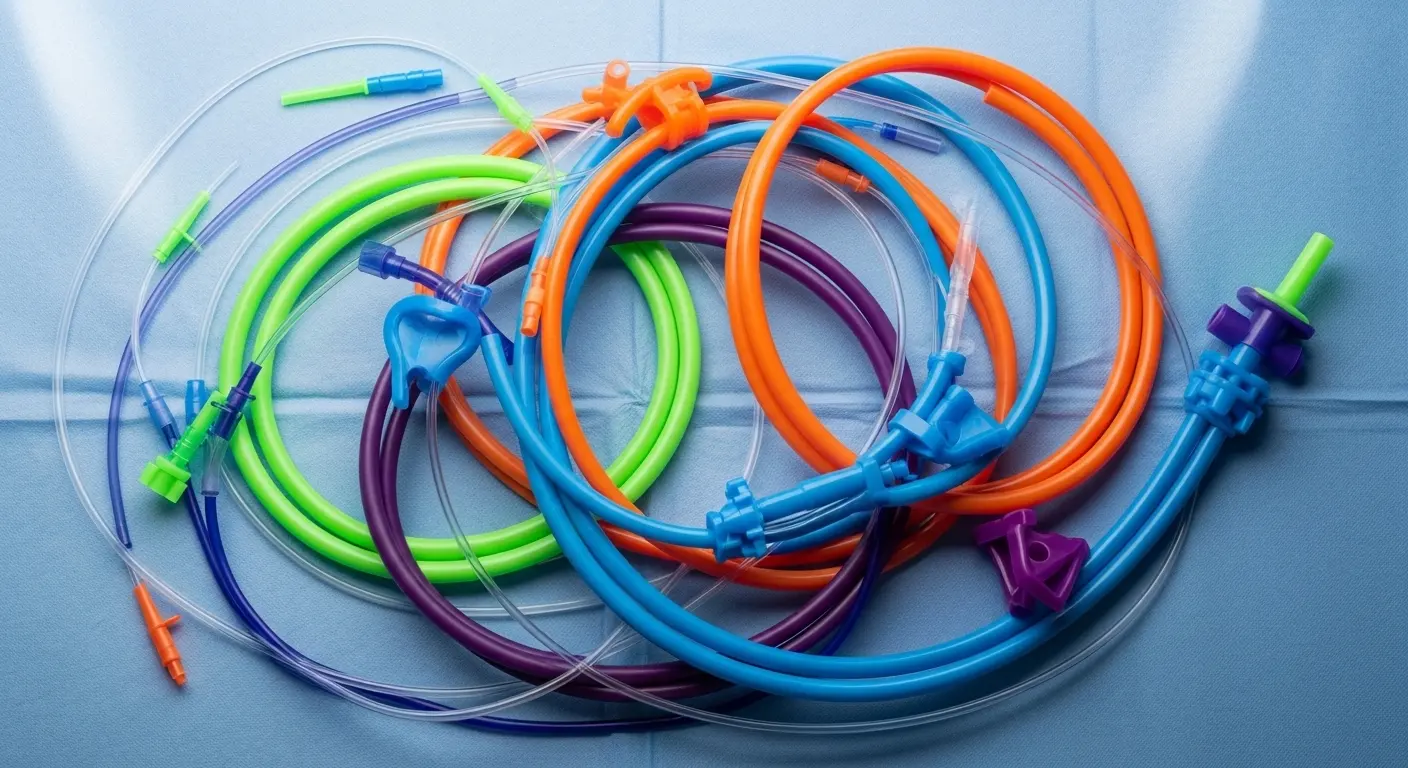
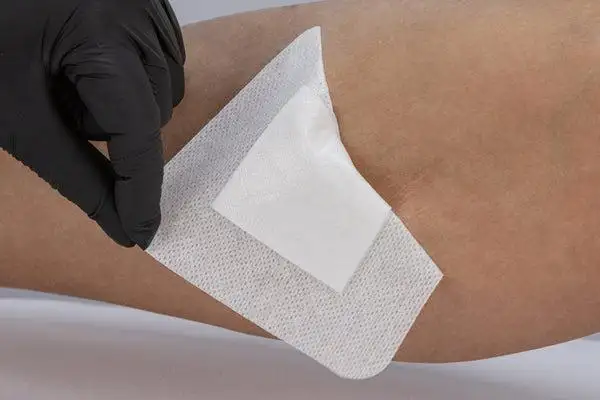
Sometimes one material isn't enough. We can create "sandwich" designs where the inner layer is TPE for chemical resistance, while the outer layer is a different polymer for extra toughness or color coding. This is often essential in high-stakes environments where you might need to know what are hospital dressing products or other supplies by sight during a fast-paced procedure.
Sterilization and Compliance: No Room for Error
You can't just toss any plastic into an autoclave and hope for the best. Medical grade TPE tubing is specifically formulated to handle the rigors of modern sterilization.
- Gamma Radiation: TPE is incredibly stable under high-dose radiation. Unlike some plastics that turn yellow or become brittle, TPE maintains its clarity and flexibility.
- Ethylene Oxide (EtO): This is the gold standard for many disposable devices, and TPE handles it perfectly without retaining dangerous residues.
- Autoclave: While silicone handles higher temperatures, we offer specific "high-heat" TPE grades that can survive repeated steam cycles at 121°C.
Every batch we produce comes out of our ISO 13485-certified facility with full traceability. We know that in the medical world, a "batch record" is just as important as the product itself.
The Sustainability Factor: A Greener OR
Let's talk about the elephant in the room: medical waste. Most medical plastics are "one and done," ending up in a landfill or incinerator. TPE offers a different path. Because it is a thermoplastic, the scrap from manufacturing can be re-processed, and the final products are technically recyclable.
As hospitals push for "Green Healthcare," choosing TPE is an easy win. You're giving your customers a product that is safer for the patient and kinder to the planet. It’s a powerful story to tell when you’re competing for big hospital tenders.
FAQ: Your Questions Answered
Is TPE tubing safer than PVC for neonatal care?
Yes. Since TPE doesn't require phthalate plasticizers like DEHP, it is considered much safer for the highly sensitive endocrine systems of infants and neonates.
Can medical TPE tubing be recycled?
Technically, yes. Unlike silicone (a thermoset), TPE can be melted down and reshaped. However, actual recycling depends on local hospital waste protocols for biohazardous materials.
What is the pump life of TPE tubing?
It varies by grade, but high-performance TPE can often exceed 50 to 100 hours of continuous use in a peristaltic pump without significant spallation or failure.
How does TPE handle chemical resistance?
TPE offers excellent resistance to most aqueous solutions, diluted acids, and bases. It’s significantly better at handling oils and fats than standard PVC.
Ready to Make the Switch?
Choosing the right medical grade TPE tubing shouldn't feel like a gamble. Whether you're trying to solve a kinking issue, move away from PVC, or improve your device's pump performance, we have the technical expertise to get you there.
Don't let outdated materials hold back your innovation. Contact the Greetmed team today to request a sample kit or chat with one of our extrusion engineers about your custom project. Let’s build a safer, clearer, and more sustainable future for medical devices together.
Submit Your Request
Recent Posts

Tags
- Adult Diapers
- Are custom medical devices safe
- Baby Diapers
- Can respiratory anesthesia be used
- Digital Healthcare
- Do you offer customized consumables
- European Market
- How do you take care of a skin wound
- Industry Trends
- Lady Sanitary Napkins
- Medical Devices
- OEM Medical Devices
- Product Introductions
- Protective Equipment
- Under Pads
- What are custom-made medical devices
- What are diagnostic products
- What are hospital dressing products
- What are medical tube catheters
- What are some common protective equipment
- What are the appropriate applications for hospital dressing products
- What are the appropriate uses for protective equipment
- What is a gynecological examination
- What is a medical consumable
- What is an anesthesia kit
- What is an OEM in medical devices
- what is an wound skin care
- what is can disposable ultrasonic diagnostic
- What is good manufacturing medical devices
- What is hospital-grade protective equipment
- what is medical equipments hospital furniture
- What is medical sterilization wrapping
- What is rehabilitation equipment device
- What medical consumables do you supply
- Where can I find laboratory consumables wholesale
- where can I find medical protection device
- where to buy hypodermic accessories
- where to buy medical apparel
- where to buy medical consumable accessories
- where to find OEM medical device supplier
- where to find rehabilitation equipment supplier
