



The One-Way Valve: The Core Technology of the First Aid Mask


When a person collapses and stops breathing, every second counts. Cardiopulmonary resuscitation (CPR) can mean the difference between life and death. But for many rescuers—even trained professionals—the moment before delivering rescue breaths is often accompanied by a nagging concern: What if the patient is infectious? What if there is blood or vomit?
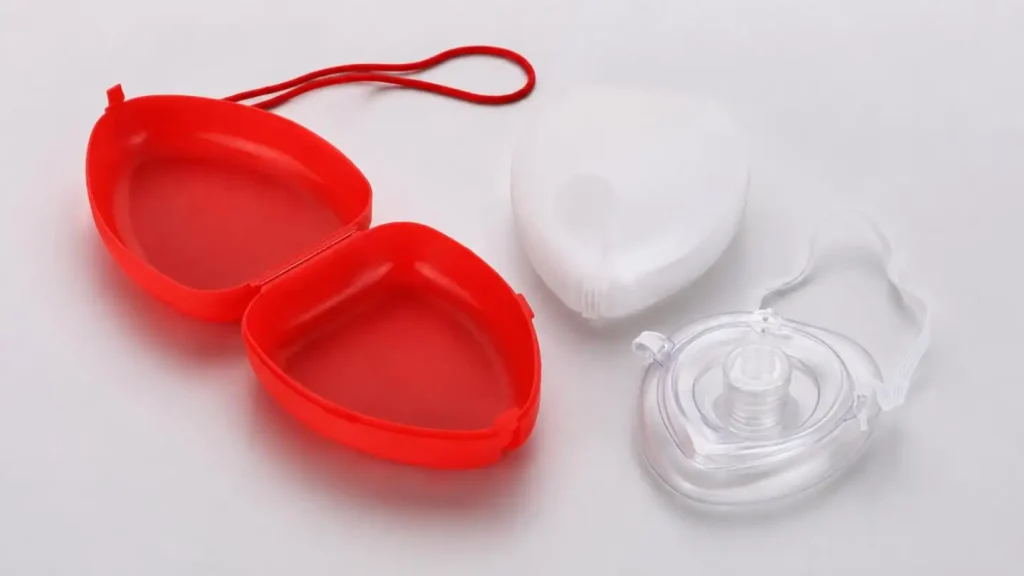
This is where the First Aid Mask becomes essential. And at the heart of every effective First Aid Mask lies a small but remarkably sophisticated component: the one-way valve.
What Is a One-Way Valve in a First Aid Mask?
A one-way valve allows airflow in a single direction. In a First Aid Mask, one-way valves are positioned in the center of the mask between the rescuer's mouth and the patient's airway.
Should the rescuer blow air into the mask, the valve will open and the air will be directed into the patient's lungs. Should the patient exhale, the valve will also stop any form of return flow of bodily excretions (saliva, blood, vomit, etc.) from reaching the rescuer.
One-way valves are a great innovation in the medical field.
How Does the One-Way Valve Work?
One-way valves are simple in their design and rely on pressure to function. Their operation is as follows:
• Closed Resting State: The design is such that when no positive flow of air is forced through the valve, it remains closed. Depending on the design, a flexible flap resides on a valve seat to such an extent that it allows complete sealing of the valve to prevent airflow and fluid in any direction.
• Rescuer Exhales (Opens): When the rescuer breathes into the mask, the positive pressure of the air being exhaled causes the valve to overcome the resting tension of the closed state and air is directed into the patient's airway.
• Patient exhales, or fluids attempt backflow (closed): if the patient exhales or if fluids attempt to backflow, the pressure changes to the reverse. The valve closes instantly to block backflow to the rescuer.
This directional control is achieved by different mechanical designs. We will study those designs next.
Types of One-Way Valve Designs
Different masks use different valve architectures, with varying costs, reliability, and performance.
1. Duckbill Valve
A flexible slit-shaped membrane resembling a duck's beak. Normally closed, it opens when the rescuer exhales and seals when pressure reverses. Molded from polymer, it offers low cost, simple construction, and good reliability.
2. Flexible Disc Valve
A disc or flap secured in a housing rests against a concave seat. Exhalation pressure pushes the disc open; springs or stress ensure immediate return to closed after airflow stops.
3. Directional Diaphragm Valve
A flexible, thin membrane minimizes failure risk, as there are no moving parts, and responds to pressure changes. They are typically very reliable for emergency use.
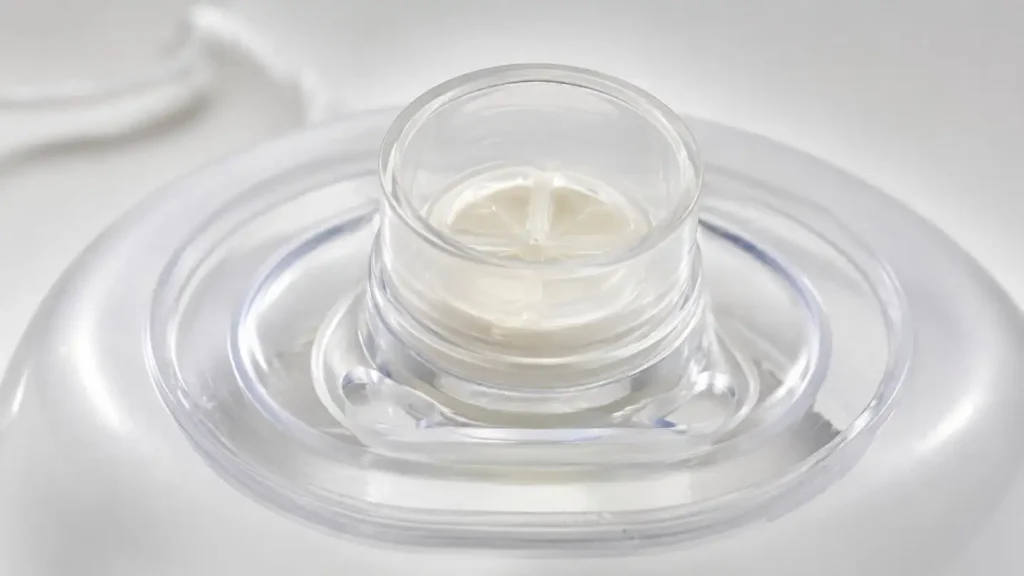
Importance of the One-way Valve: Safety and Reliability
The valve performs two crucial roles.
Infection Prevention
The valve prevents the spread of infection by stopping the backflow of saliva, blood, or respiratory secretions during resuscitation. This physical infection prevention barrier, which is often used in combination with a filter, is of such importance to safety that it is classified as a Class II medical device by regulators.
Psychological Readiness to Perform
The fear of infection is the primary reason bystanders are often reluctant to perform CPR. Knowledge of a reliable one-way valve allows for the provision of high-quality CPR without the fear of infection, and results in a quicker and more frequent response during the golden minutes prior to arrival of the emergency medical services.
Greetmed's One-way Valve Technology
Since 2003, Greetmed has been a manufacturer of medical devices. Their First Aid Masks incorporate precision-engineered one-way valve systems. Their Adult CPR Mask (model GT117-300) has a one-way valve and a Directional Diaphragm that prevents backflow of air and contamination from the would-be patient to the rescuer.
Here are some design facets of Greetmed's First Aid Mask:
•Medical-grade materials: Materials that are assessed thoroughly for biocompatibility and safety for the rescuer and the potential patient are used in the one-way valve.
•Integrated disposable filter: Infection prevention is enhanced due to the filter that is combined with a one-way valve that is integrated within the mask system.
•Latex-free: The one-way valve, and indeed the entire mask system, is free of latex to provide safety to patients and users who are latex-sensitive.
•Wide temperature tolerance: The mask and valve system will function at temperatures between -45℃ to 71℃, making them ideal for inclusion in ambulances, vehicles, warehouses, and outdoor first aid kits.
•Meet the Requirements: Greetmed's First Aid Masks carry the CE mark, are ISO13485 certified, and FDA listed. This means the one-way valve and the device have passed all required performance and safety evaluations.
Compatibility with Advanced Resuscitation Equipment
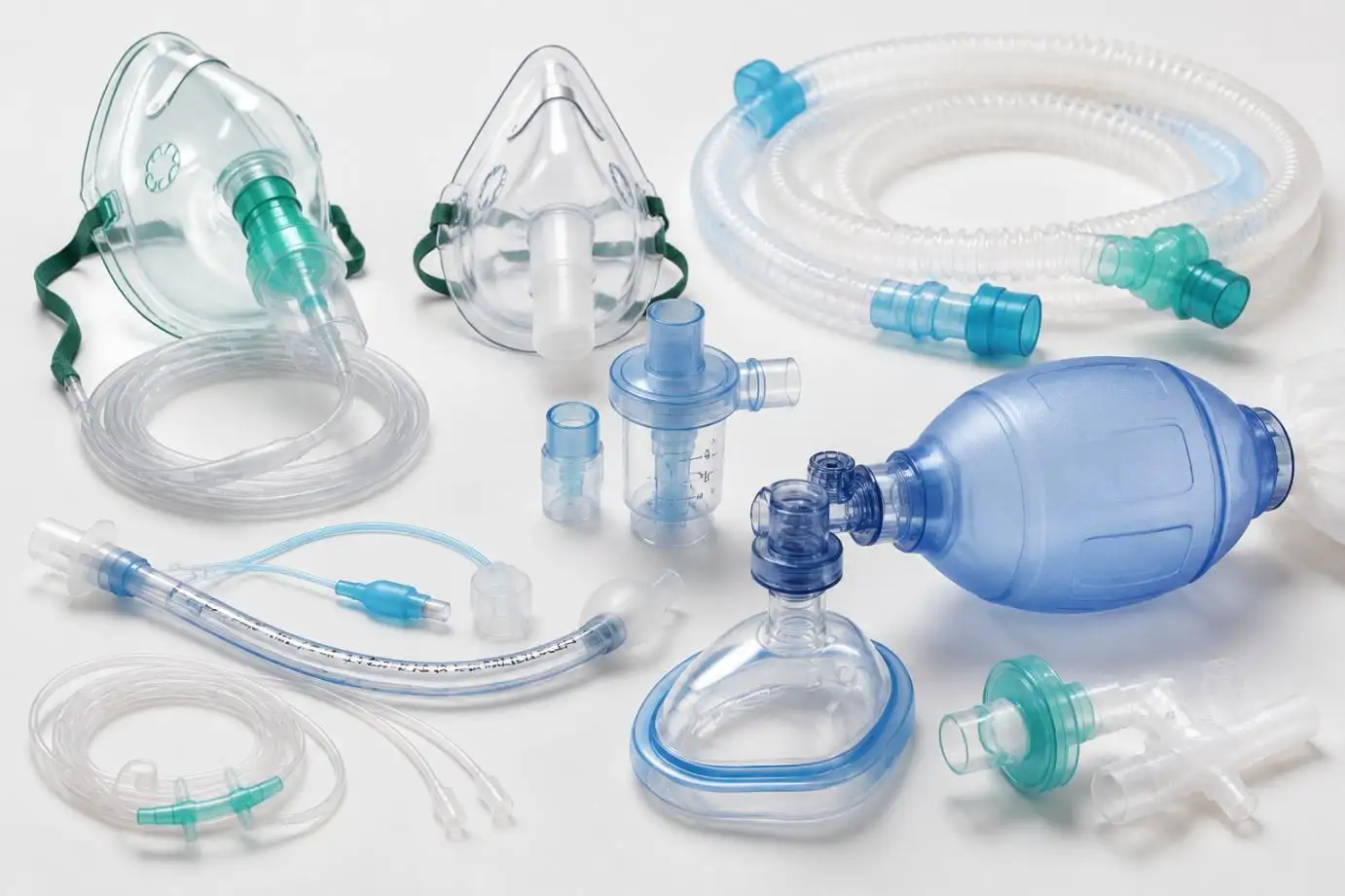
Many advanced first aid masks and Greetmed's masks allow for the connection of an oxygen supply. This is useful in advanced first aid situations. The one-way valve operates the same whether the rescuer is providing room air through mouth-to-mask or is providing supplemental oxygen.
The mask can also be connected to resuscitation bags (for example, SEBS resuscitators) and oxygen supply lines. The design ensures the mask is compatible with a majority of clinical and emergency equipment.
Standards and Certification
First Aid Mask one-way valves are evaluated against a range of stringent performance criteria. Valves are assessed against the following criteria:
•Airflow resistance: Valves must allow an adequate tidal volume without the rescuer having to exert excessive effort.
•Biocompatibility: Valves must pass a range of biocompatibility tests.
•Valves and masks must adhere to conical connector requirements per ISO 5356-1.
•Resuscitator Standards: According to ISO 10651–4, valved mouthpieces and resuscitators must meet these functional and performance requirements.
It is these Standards that promote the reliability of the one-way valve, should the need arise.
Final Words
The one-way valve is significant in function and small in size. It allows patient air to be directed and prevents back pressure of non-patient air. This innovation allows CPR to be done in a more controlled and safer manner. Duckbill, disc, and diaphragm designs all accomplish the same goal. For Greetmed, this valve is a precise part that is rigorously certified and complemented with medical grade components including: filters, an oxygen port, and a wide temperature range guaranteeing that when seconds count, rescuers are able to act fast, safe, and efficient.
FAQs
Q1: What does one-way valve in a First Aid Mask refer to?
A: It refers to a one-way mechanism that permits air from rescuer to patient. It seals the mask so air or fluid won't come back from the patient.
Q2: In what ways does the one-way valve assist during CPR?
A: The one-way valve allows fluid and air backflow to the patient sealing the mask, and air flows only from the rescuer to the patient. Thus, the rescuer is protected from exposure to the patient. With the one-way valve, the rescuer is protected, and the potential risks of performing CPR are reduced.
Q3: What happens to the valve after performing CPR?
A: The valve and filter are one-time use. They are not used again for a different patient to protect against contamination.
Q4: What about using Greetmed's First Aid Mask on children and infants?
A: Greetmed's First Aid Mask has adult and children sizes. The one-way valve works for all ages when the correct size is used.
Q5: Is it possible to know if the one-way valve is working properly?
A: Yes. The one-way valve moves freely and seals tightly. The valve is clear so any blockage will be visible along with the sealed position of the valve.
Submit Your Request
Recent Posts
Tags
- Adult Diapers
- Are custom medical devices safe
- Baby Diapers
- Can respiratory anesthesia be used
- Digital Healthcare
- Do you offer customized consumables
- European Market
- How do you take care of a skin wound
- Industry Trends
- Lady Sanitary Napkins
- Medical Devices
- OEM Medical Devices
- Product Introductions
- Protective Equipment
- Under Pads
- What are custom-made medical devices
- What are diagnostic products
- What are hospital dressing products
- What are medical tube catheters
- What are some common protective equipment
- What are the appropriate applications for hospital dressing products
- What are the appropriate uses for protective equipment
- What is a gynecological examination
- What is a medical consumable
- What is an anesthesia kit
- What is an OEM in medical devices
- what is an wound skin care
- what is can disposable ultrasonic diagnostic
- What is good manufacturing medical devices
- What is hospital-grade protective equipment
- what is medical equipments hospital furniture
- What is medical sterilization wrapping
- What is rehabilitation equipment device
- What medical consumables do you supply
- Where can I find laboratory consumables wholesale
- where can I find medical protection device
- where to buy hypodermic accessories
- where to buy medical apparel
- where to buy medical consumable accessories
- where to find OEM medical device supplier
- where to find rehabilitation equipment supplier
