



"Single-Use Disposal": Gold Standard for Hypocutaneous Injection Needle Replacement


Today, the only needles and syringes found in clinical practice are those that are used once and then disposed of. There is no other acceptable practice. Nothing conveys the safety of a practice more than the use of single-use disposable needles and syringes. Single-use needles and syringes not only protect patients, they also protect the clinicians and other staff members who are involved with the patient.
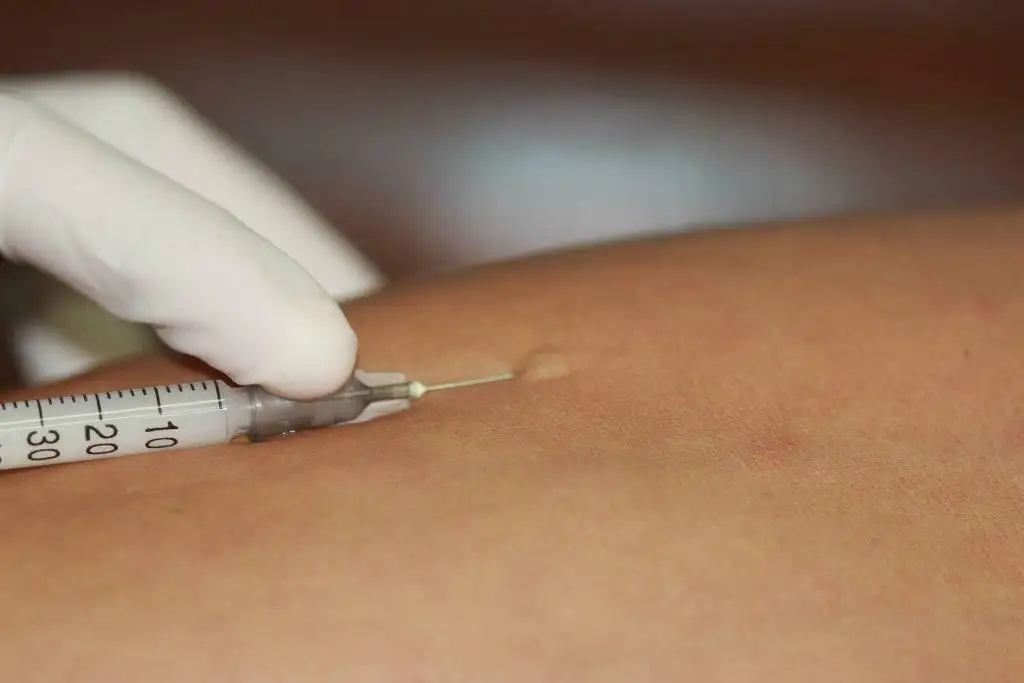
What are the reasons behind, and what are the rules of engagement, of the practice of safe disposal of needles and syringes? Hypodermic and injection safety will be the instruments to analyze and explain the components of safe clinical practice of single-use injections.
One Needle, One Syringe, One Time
The rule of safe practice of injections is also the rule of safety and sterility of the needle and syringe. This rule is absolute. The injection may be given in a variety of ways, be it subcutaneous, intradermal, or intramuscular, but the syringe and needle may only be used one time. The World Health Organization (WHO) and the Centers for Disease Control and Prevention (CDC) recognize only
The use of single-use devices for all medical injections is a practice that the World Health Organization supports with great emphasis. The re-use of disposable syringe and needle sets exposes the general population to morbidity and mortality. The World Health Organization recommends the use of single-use sets in medical practice, and supports this recommendation with their "Five Rules" for injection safety, which state that for injections there should be 'One Needle, One Syringe, One Use'.
The Clinical Rationale: Why Reuse Is Never Safe
Risk of Blood Pathogen Transmission
Needles and syringes should never be reused, not even on the same patient. Even after a single use, needles can become contaminated and can transmit bloodborne pathogens to patients. The literature has documented unsafe injection practices and their relation to the spread of HBV, HCV, HIV, and other viruses, including Ebola and Lassa. Many used sharps and injection paraphernalia have been found to be contaminated with bacteria, and misuse of the paraphernalia also increases contamination.
Needle Degradation and Tissue Trauma
Needles that are used more than once put patients at risk of developing an infection. But needles that are used more than once actually start to degrade the very first time they are used. Specifically, the tips of needles start to get dull and, some cases, start developing barbs. This leads to:
• More painful injections. Dull needles take more effort to penetrate tissue.
• More traumatic injuries to tissue. Barbs can tear and injure tissue more than needles without barbs.
• More injection site issues. Injuries and trauma to tissue can lead to the development of localized inflammation, scarring, and lipohypertrophy, especially in patients that have to repeatedly receive injections at the same site.
Medication Contamination and Dosing Errors
Using the same syringe to draw more medication from a multi-dose vial can mean that the whole vial becomes contaminated. This risk becomes even higher when the needle is replaced because the blood or tissue that may remain in the syringe barrel can still contaminate the medication.
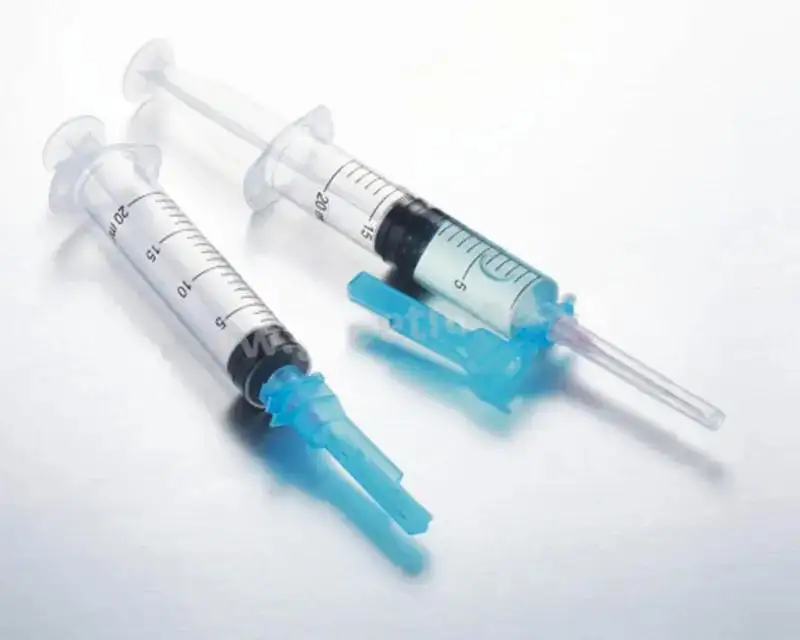
Regulatory and Quality Standards: What Defines a Safe Single-Use Device?
ISO 7886: The International Standard for Sterile Hypodermic Syringes
The world standard for single-use hypodermic syringes are in the ISO 7886 series. Specifically, ISO 7886-1:2017 introduces the requirements and methods for the examination of the design of empty sterile single-use hypodermic syringes. ISO 7886-4:2018 speaks to syringes with features that prevent reuse.
Syringes that are designed with these standards in mind will be rendered permanently unusable after their first use, and will prevent reusing the syringe from being physically possible. Having these features will prevent the principle of single-use from being just a design thought but will actually be a practical design.
WHO Prequalification and Safety Engineered Devices
The WHO has an extensive prequalification process for immunization devices that requires compliance with ISO 7886. WHO Prequalified syringes also contain features that prevent reuse and are subjected to continuous quality surveillance.
Important Certifications for Single Use Injection Devices
For healthcare facilities and procurement staff, assurance that products have met accepted quality standards is key. Manufacturers that are reputable and care for the end-users of their devices ensure that the devices are certified to the following:
• CE marking – Indicates that the device meets the health and safety and the environmental protection legislation of the European Union.
• ISO 13485 – Indicates that the device is made in compliance with a quality system that is applicable to the medical devices industry.
• FDA clearance or approval – Indicates that the device meets safety and efficacy requirements of the Food and Drug Administration of the United States.
All of the aforementioned certifications demonstrate that the device has passed a number of quality control evaluations.
Importance of Reuse Prevention Technology in devices
The field of safety in injections has progressed to the extent that devices such as safety syringes have reuse prevention built into the device. Safety syringes are designed to ensure that they can be used only once by design.
How Reuse-Prevention Syringes Operate?
In safety clip syringes, a mechanism engages after the injection is finished.
• Plunger locking: In these syringes, a safety clip engages and locks the plunger in place, preventing the plunger from being pulled back.
• Needle retraction or covering: In some other designs, after the injection is finished, the needle retracts into the barrel or is covered by a protective sheath.
• One-handed operation: The system engages either automatically or by a simple push with no other added requirement of training.
This system prevents the need of reuse, and also reduces the risk of a needlestick injury, which is very important for the safety of the healthcare workers since they perform hundreds to thousands of injections every day.
Best Practices for Hypocutaneous Injection Needle Replacement
To achieve the single-use gold standard for reusable syringes, a series of best practices must be employed.
Before the Injection
• Confirm packaging integrity: Confirm that the packaging has not been breached before the syringe is extracted.
• Pick the Right Device: Pick the Right Syringe Size and Gauge
• Clean the Injection Site: Make Sure Nothing is Contaminated
During the Injection
• Syringe & Needle for Each Patient: Do Not Give Injections Using the Same Syringe for Multiple Patients Even if the Needle is Changed.
• Use Single-Dose Vials.
• Aseptic Technique: Keep This Up for the Whole Procedure.
After the Injection
• Dispose of Syringe: Put It In a Sharps Container Immediately.
• Keep Sharps Containers Nearby: This encourages quick disposal and stops the urge to leave the device somewhere.
• Close containers when full: Aseptic Sharps Containers go through the full disposal process only when fully closed.
Material Quality: The Foundation of Safe Single Use Devices
Safe Single Use Devices are Dependable on the Quality of the Materials which are Produced. For example, the barrel of a syringe is often made from a type of polypropylene that is medical grade, due to the following properties:
•Polypropylene's strength allows it to maintain structural integrity even under pressure.
•Polypropylene's clarity allows the barrel to be transparent while maintaining the markings that indicate volume gradation, so they may be seen from the outside.
•Polypropylene's chemical compatibility allows it to be used for a wide variety of therapeutic agents.
For the syringe's needle, and therefore the device's component used to dispense the agent, the material is medical grade stainless steel due to the following properties:
For stainless steel, the sharpness is retained for the smoothest of tissue penetration. Also, it allows for the needle to be completely made free of irritation and totally dry and therefore remain in a sterile state.
Standardized manufacturing allows for a guaranteed margin of error, facilitating a totally predictable and safe performance.
Why Single-Use Disposal Is Important in Resource-Limited Settings
In resource-limited settings, the temptation to reuse syringes can be great. The WHO advises against this practice. The reuse of disposable syringes puts the general population at a high risk of disease and death. In resource-limited settings, syringes that are designed to be safety-engineered and have features that prevent their reuse are of special importance because they:
•Eliminate choice: Healthcare workers are unable to choose to reuse a device that is rendered inoperative after it is used.
•Eliminate risk: They eliminate the risk of cross-contamination among patients.
•Reduce risk: They reduce the risk of injury and infection to the healthcare worker.
Conclusion: The Gold Standard Is Essential
The evidence and consensus support that the single-use and disposable design is the gold standard for all medical injections. This practice is supported by:
•Health promotion: The WHO and CDC endorse this practice.
•Quality of care: ISO 7886 provides the requirements for single-use, disposable, and safe syringes.
•Engineering design: Prevention of reuse is a design feature.
•Clinical safety: Risks of reuse to health include infection, injury to tissue, and contamination.
The healthcare system, the clinicians, and especially the patients will gain the most when the single-use and disposable design of medical devices is the covered standard. The gold standard is the basis for safety in the practice of injections. For every patient, for every one of their injections, there must be one syringe, one needle, and one use.
Frequently Asked Questions
Q1: Is it safe to reuse a needle for a subcutaneous injection after cleaning with alcohol?
A: No. Alcohol cleaning does not remove all microorganisms and does not resharpen a needle. Needle reuse is unsafe and prohibited by health regulations in all countries.
Q2: What are the consequences of reusing a needle on the same patient?
A: Reusing a needle on the same patient can introduce bacteria and result in damage to the surrounding tissues and an adverse reaction to the injection. A dull needle increases the pain of an injection.
Q3: Why can a safety clip syringe not be reused?
A: A safety clip syringe contains a safety device in the form of an internal clip that is engaged after an injection and locks the plunger in place so that it cannot be pushed back and therefore cannot be re-injected. Some safety clip syringe models also feature a needle cover or retraction.
Q4: Do all single use syringes have features that prevent reuse?
A: No. Disposable syringes do not have locking features. Safety engineered syringes, such as the safety clip syringe, feature mechanisms that prevent syringe reuse.
Q5: Is it safe to reuse the syringe barrel after changing the needle?
A: No. The syringe barrel can retain contamination and changing the needle does not eliminate the risk of contamination. The syringe and needle must be disposed of.
Submit Your Request
Recent Posts
Tags
- Adult Diapers
- Are custom medical devices safe
- Baby Diapers
- Can respiratory anesthesia be used
- Digital Healthcare
- Do you offer customized consumables
- European Market
- How do you take care of a skin wound
- Industry Trends
- Lady Sanitary Napkins
- Medical Devices
- OEM Medical Devices
- Product Introductions
- Protective Equipment
- Under Pads
- What are custom-made medical devices
- What are diagnostic products
- What are hospital dressing products
- What are medical tube catheters
- What are some common protective equipment
- What are the appropriate applications for hospital dressing products
- What are the appropriate uses for protective equipment
- What is a gynecological examination
- What is a medical consumable
- What is an anesthesia kit
- What is an OEM in medical devices
- what is an wound skin care
- what is can disposable ultrasonic diagnostic
- What is good manufacturing medical devices
- What is hospital-grade protective equipment
- what is medical equipments hospital furniture
- What is medical sterilization wrapping
- What is rehabilitation equipment device
- What medical consumables do you supply
- Where can I find laboratory consumables wholesale
- where can I find medical protection device
- where to buy hypodermic accessories
- where to buy medical apparel
- where to buy medical consumable accessories
- where to find OEM medical device supplier
- where to find rehabilitation equipment supplier
