



Adult Urine Bags: A Practical Guide for Hospitals and Clinics


Adult Urine Bags are essential devices for safe urinary drainage in clinical and home settings. This guide will help you understand their key features and use: anti-reflux valve protection, odor control technologies, transparent materials for monitoring, drainage valves for hygienic emptying, secure straps for mobility, and practical cleaning and maintenance across hospital, home, and travel situations.
Why Adult Urine Bags Matter in Everyday Care
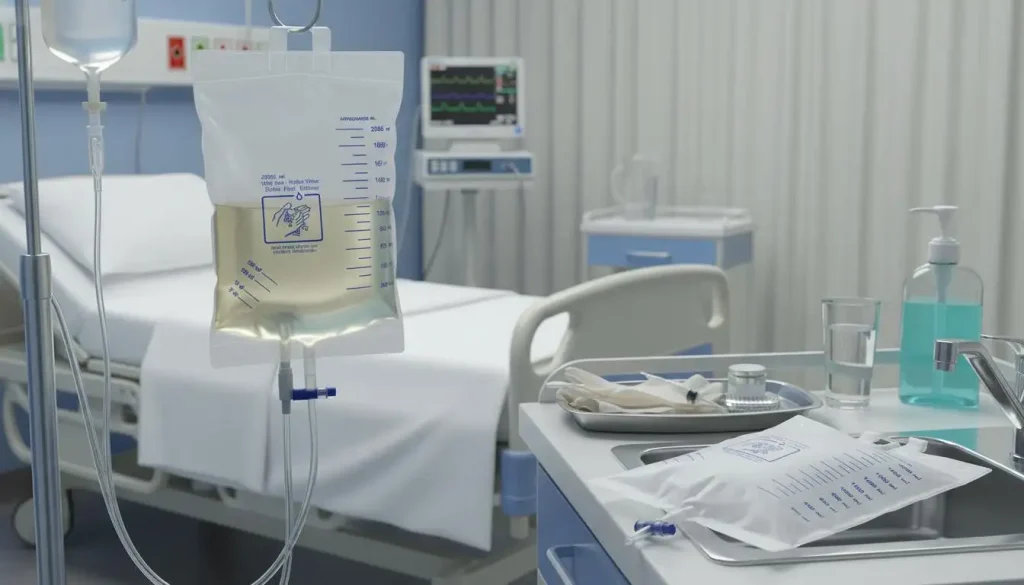
Urinary drainage is a routine procedure, yet it carries significant risks if not managed properly. Nurses and allied staff juggle output tracking, infection prevention, workflow efficiency, and patient dignity on every shift. Unreliable adult urine bags can lead to backflow into the catheter, avoidable leaks, and persistent odors, all of which compromise the care environment. These problems consume nursing time, complicate rounds, and can compromise safety. Transparent, durable construction and dependable valve engineering keep flow strictly one-way and protect the closed system.
Capacity matching is equally important: typical adult urine output is roughly 800 to 2000 mL per day, so bag size, graduation marks, and exchange frequency should match patient needs and unit protocols. Systems that are inconsistent or awkward to empty lead to more troubleshooting and less direct care. A patient-safe standard should remove common pain points and keep care consistent across shifts.
Anti-Reflux by Design
Reliable one-way drainage routes urine into the bag and prevents it from moving back toward the catheter. Built-in anti-reflux elements (flap, duckbill, diaphragm) maintain forward flow even when the bag is lifted, kinked, or jostled.
Patient Benefits
• Prevents urine from flowing backward, helping keep care cleaner and lowering contamination risk.
• Maintains smooth drainage, enhancing patient comfort and potentially reducing the frequency of blockage alarms.
• Makes bedside care simpler, so staff spend less time fixing flow and more time assessing and documenting.
Tip for trials: During evaluation, tilt and raise a filled bag, gently coil the tubing, and observe whether the valve preserves one-way flow without introducing air or causing intermittent backpressure.
Transparent, Medical-Grade Construction for Monitoring Accuracy
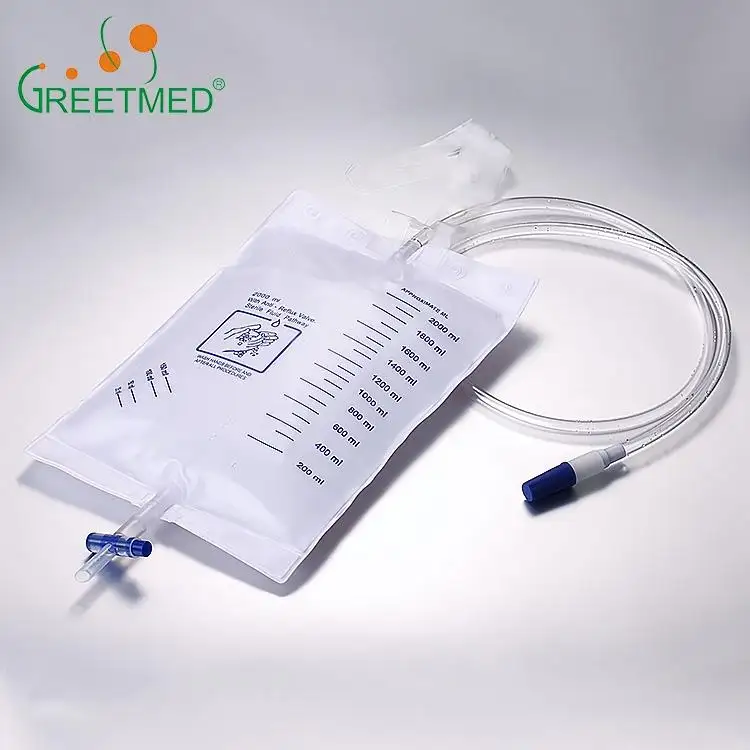
Use medical-grade, tear-resistant polymers to reduce seam/port failure. Provide transparent panels with calibrated markings to support immediate assessment of volume, color, and clarity (dehydration, hematuria, infection). Support safer care with kink-resistant tubing and secure, universal connectors that maintain a closed system.
Requirements:
• Transparent bag panels with high-contrast graduations for rapid output measurement.
• Latex-free, DEHP-free materials to limit sensitization and plasticizer exposure.
• Reinforced suspension/strap interfaces for secure mounting on beds, wheelchairs, thigh, or calf.
• Optional aseptic sampling port that does not require opening the drainage port.
• Durable, transparent construction shortens monitoring time, increases accuracy, and standardizes communication across teams. For institutions, that means fewer interruptions and tighter alignment with documentation standards.
Drainage Efficiency and Odor Control in Busy Units
Drainage design shapes daily workflow as much as any other feature. A simple, leak-resistant valve - flip-flow, T-tap, or twist - should permit quick, controlled emptying without splashes. Wide-bore outlets speed disposal while minimizing residual volume, and reliable seals help keep surfaces clean. Dignity starts with comfort. Effective odor control - secure closures, snug gaskets, and multilayer films that block odor - helps patients feel at ease and supports a calm workspace for staff.
How Care Feels Better:
• Quick, spill-free emptying keeps rooms clean and turnover smooth.
• Leak-resistant ports limit exposure during disposal, protecting surfaces and linens.
• Odor-resistant materials and sealed connections reduce unpleasant smells.
• Simple, consistent steps make training easier and care more reliable.
Choosing the Right Bag for Each Patient
Reusable bags can lower waste and cost where cleaning and disinfection are proven and supported by an audit trail and reprocessing capacity. Single-use bags offer speed and standardization for short stays, surgeries, isolation rooms, and busy wards. Many hospitals choose both: leg bags (350–750 mL) for mobile patients, overnight bags (up to 2 L) for continuous drainage, pairing reusable where processes are strong with single-use where containment and speed matter most.
Making Adoption Easy
Establish clear protocols for bag placement, tubing management, drainage schedules, valve checks, and documentation. Plan capacity around typical adult output (about 800–2000 mL/day) to avoid overflows. Use simple checklists for onboarding and annual refreshers to keep performance steady.
Buying with Confidence
• One-way flow with an anti-reflux valve to reduce backflow risk.
• Transparent, medical-grade panels with accurate graduations for easy monitoring.
• Leak-resistant drain for fast, clean emptying with minimal residual.
• Odor-resistant construction to keep rooms comfortable.
• Secure straps or hangers that stay put when patients move.
Conduct a pilot before full rollout. Simulate ward workflows, benchmark emptying times, challenge backflow with tilt and coiled tubing, and test readability in low light. Use structured surveys and debriefs with day and night-shift nurses to document usability.
Product Highlights
Our bag’s one-way anti-reflux design supports closed-system integrity. Clear, durable panels make assessment fast, and a simple, leak-resistant drain helps prevent spills. Odor-resistant materials enhance comfort and help maintain a clean environment. The system fits seamlessly into reusable or single-use workflows and common connectors.
Take the Next Step
Request samples, validation support, and training materials. Run a ward trial to compare drainage, odor control, and workflow. Partner with us to standardize on a reliable solution that enhances patient safety and staff efficiency across your facility.
Submit Your Request
Recent Posts


Tags
- Adult Diapers
- Are custom medical devices safe
- Baby Diapers
- Can respiratory anesthesia be used
- Digital Healthcare
- Do you offer customized consumables
- European Market
- How do you take care of a skin wound
- Industry Trends
- Lady Sanitary Napkins
- Medical Devices
- OEM Medical Devices
- Product Introductions
- Protective Equipment
- Under Pads
- What are custom-made medical devices
- What are diagnostic products
- What are hospital dressing products
- What are medical tube catheters
- What are some common protective equipment
- What are the appropriate applications for hospital dressing products
- What are the appropriate uses for protective equipment
- What is a gynecological examination
- What is a medical consumable
- What is an anesthesia kit
- What is an OEM in medical devices
- what is an wound skin care
- what is can disposable ultrasonic diagnostic
- What is good manufacturing medical devices
- What is hospital-grade protective equipment
- what is medical equipments hospital furniture
- What is medical sterilization wrapping
- What is rehabilitation equipment device
- What medical consumables do you supply
- Where can I find laboratory consumables wholesale
- where can I find medical protection device
- where to buy hypodermic accessories
- where to buy medical apparel
- where to buy medical consumable accessories
- where to find OEM medical device supplier
- where to find rehabilitation equipment supplier
